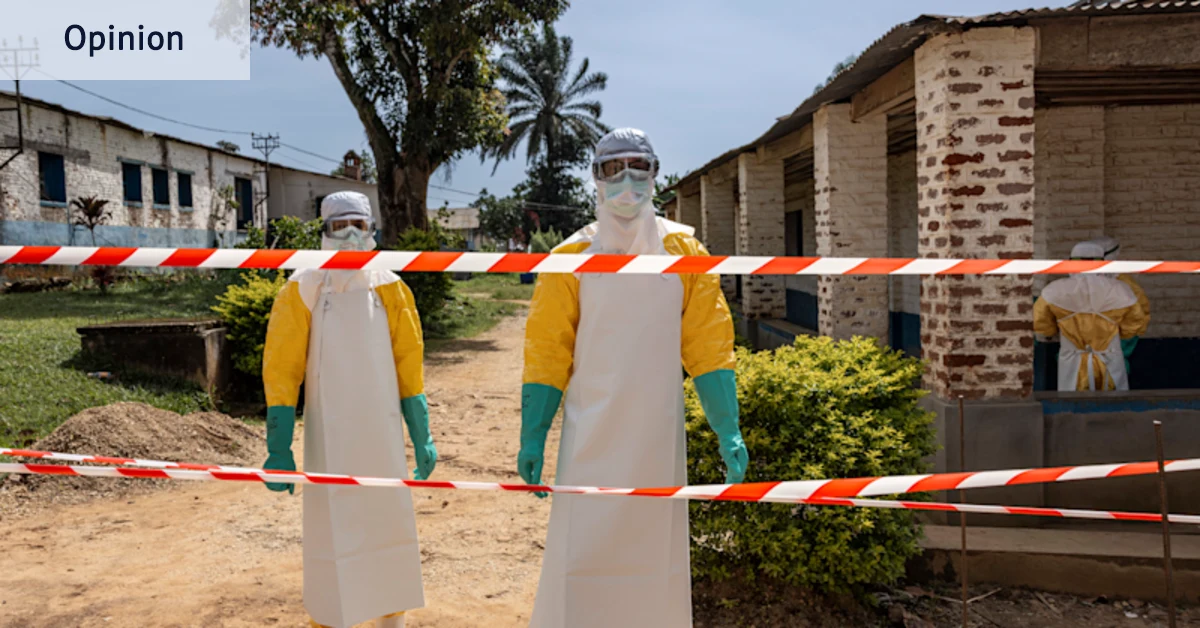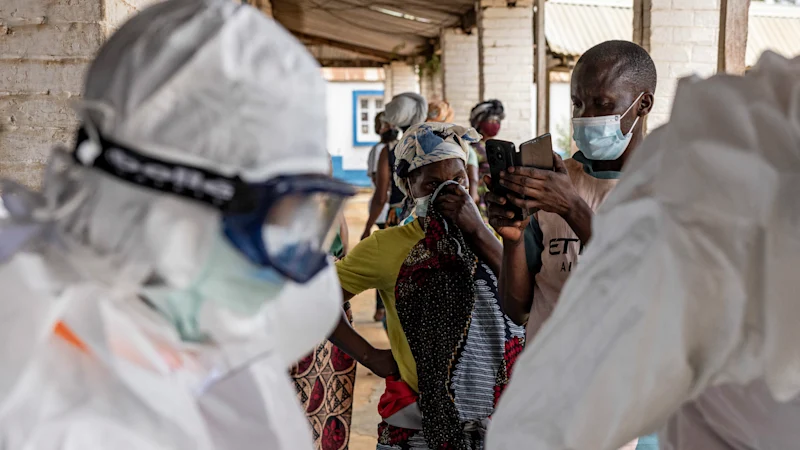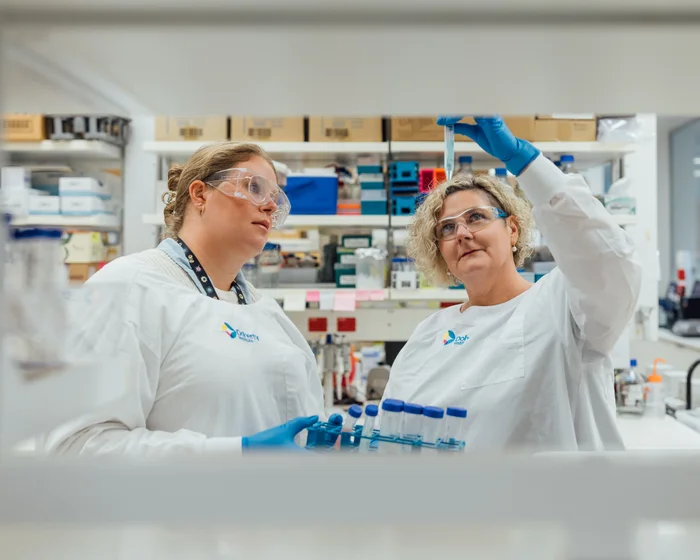
By the time most of us hear about a dangerous virus such as Ebola or avian influenza, a complex biomedical system is already at work, drawing on research laboratories, diagnostic networks, public health labs and scientists to understand how pathogens behave, grow and spread.At the centre of that system is the Doherty Institute, a joint venture between the University of Melbourne and the Royal Melbourne Hospital. Purpose-built to bring together experts in public health, infectious diseases and immunology, the institute is widely recognised as a world leader in epidemiology. In 2020 the institute conducted world-first mapping of the immune response to Covid-19 – a critical step towards the development of vaccines.“Each outbreak brings an awareness that viruses are unpredictable and always changing,” says Assoc Prof Sarah Londrigan, an academic in the University of Melbourne’s department of microbiology and immunology. “For many viruses, we still lack effective options to treat infection once it’s begun.”Londrigan and her team study how the immune system responds as viruses replicate, with a particular focus on respiratory viruses such as influenza. Her research also helps build a bridge between discoveries made in the lab and potential new therapies to prevent or treat severe respiratory disease.
There’s no magic bullet’: how scientists are preparing for tomorrow’s disease threats
Infectious disease research demands more than technical knowledge. At the University of Melbourne, tomorrow’s scientists are learning how safety, regulation and critical thinking can help to turn laboratory insights into better care.
890 words~4 min read