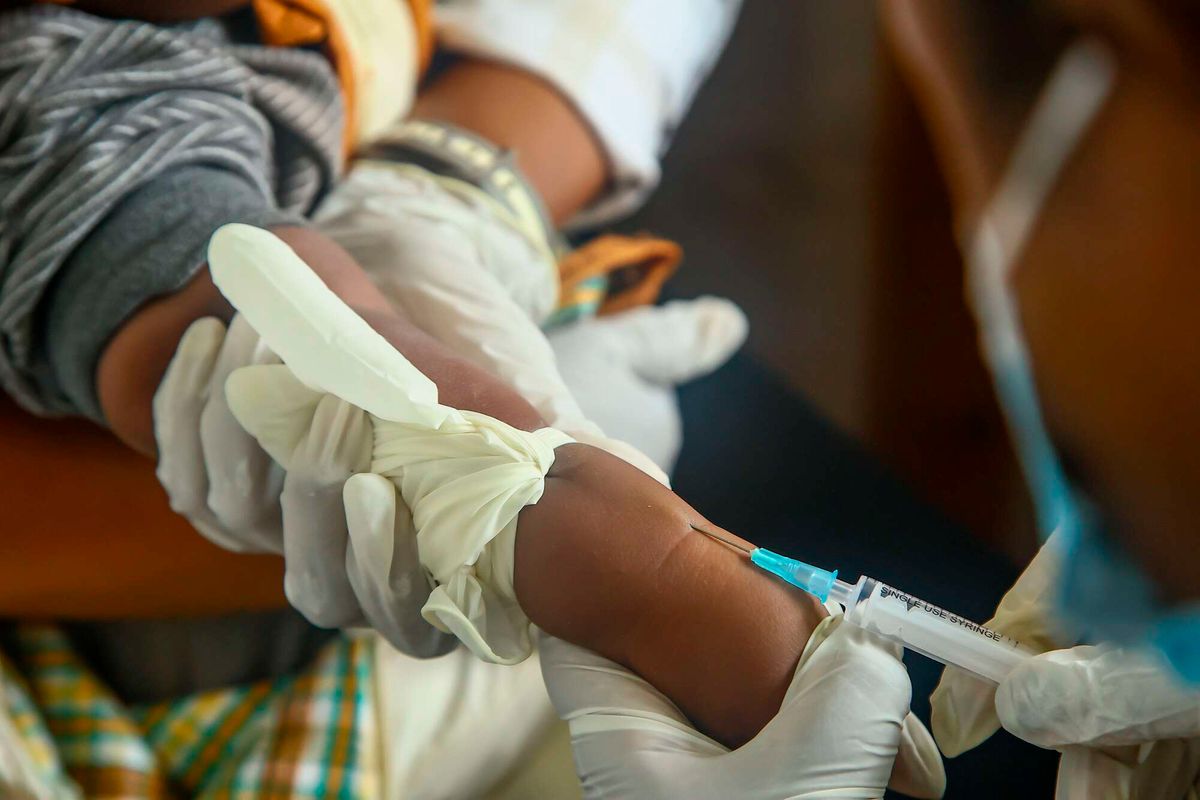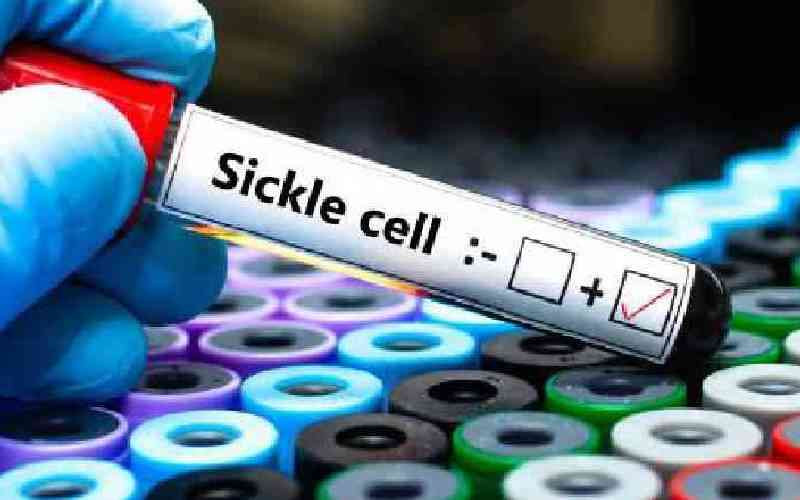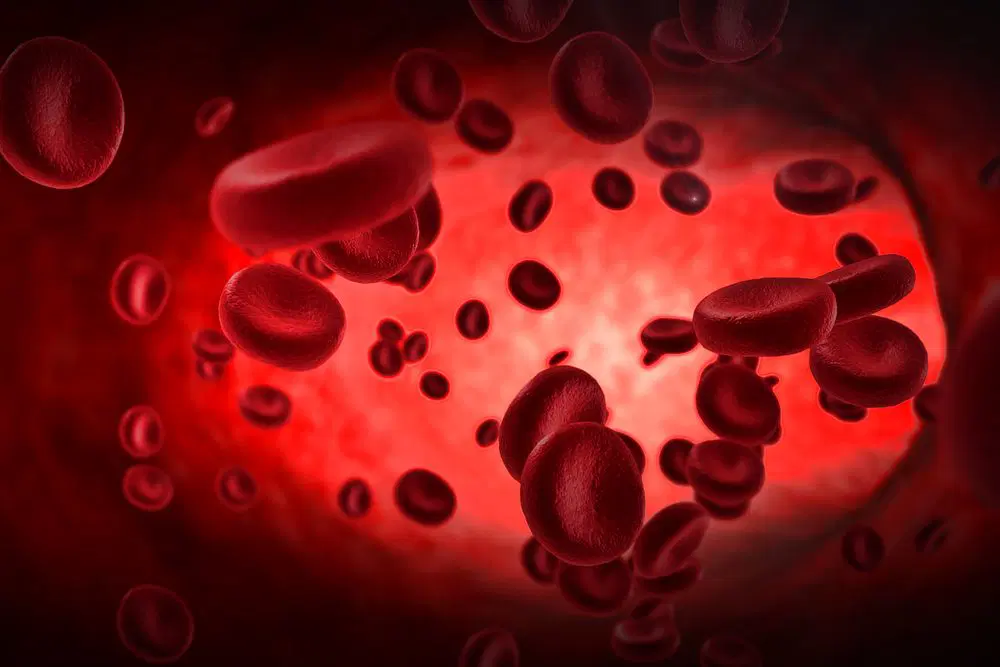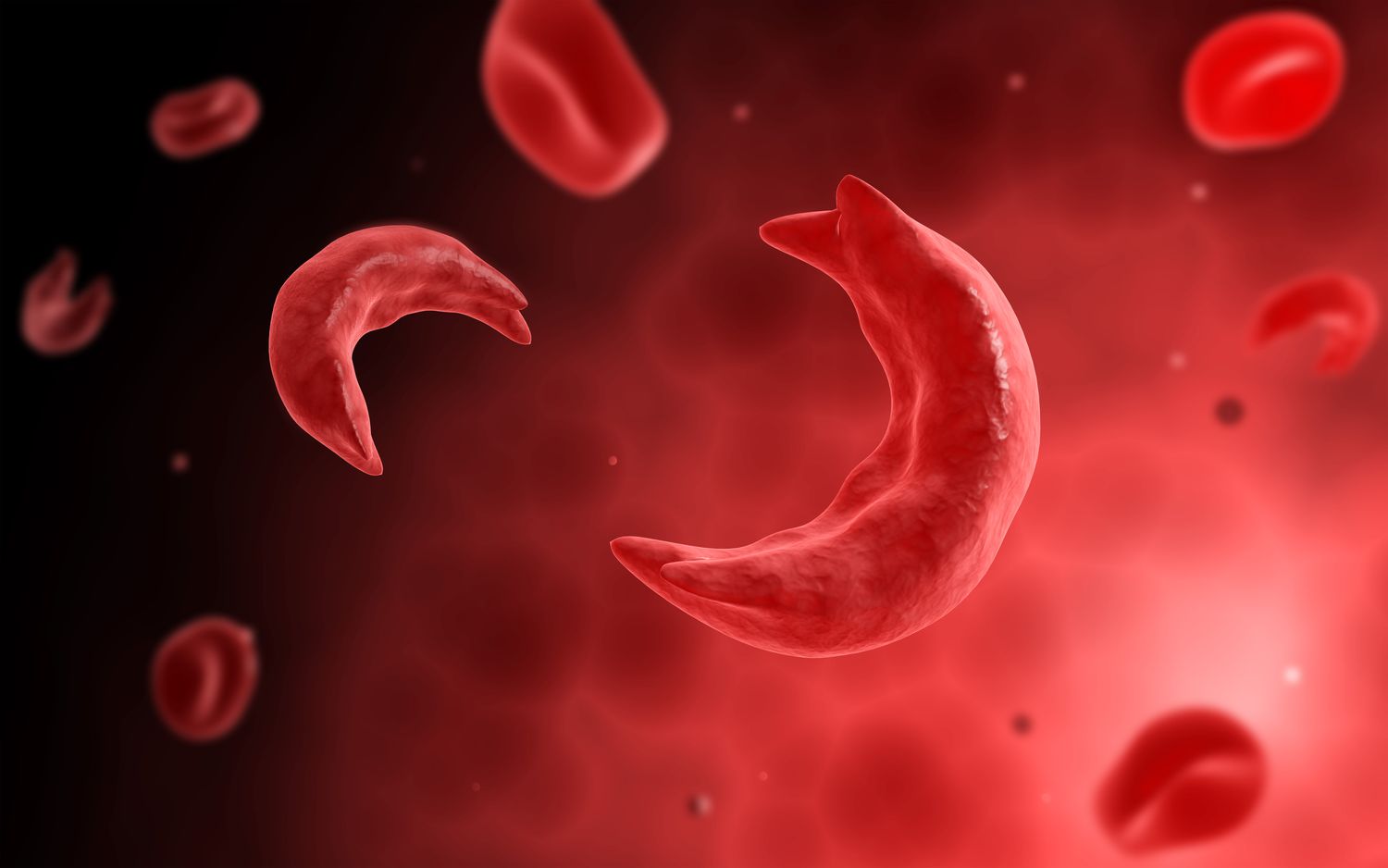
SCD is a genetic condition that is present from birth and inherited.[iStockphoto]
African countries are accelerating efforts to integrate sickle cell disease services into their Universal Health Coverage (UHC) programmes, with experts saying sustainable financing, early diagnosis and access to lifesaving medicines remain critical to improving survival and quality of life for millions of patients.
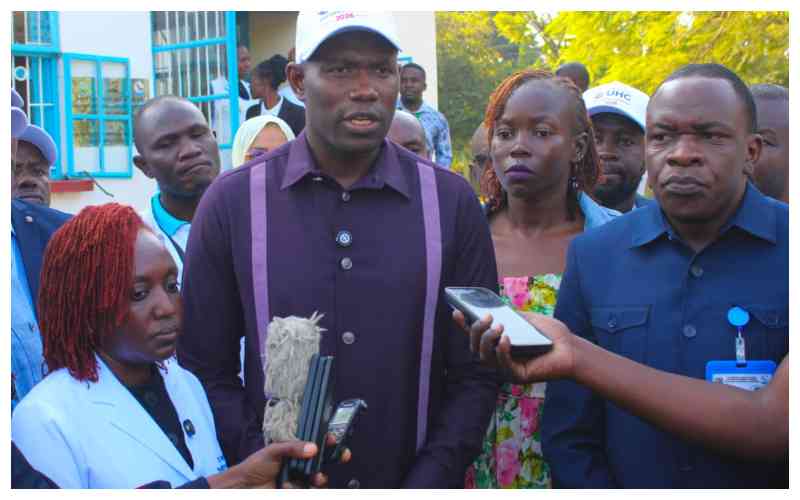
Speaking during the International Sickle Cell Symposium in Nairobi, health experts and policymakers from Kenya, Zambia, Tanzania and Ghana shared lessons on how their countries are embedding sickle cell services into national health systems instead of relying on donor-funded or stand-alone programmes.
The discussions focused on expanding access to newborn screening, diagnosis, treatment, blood transfusion services, referral systems and health insurance coverage for people living with the inherited blood disorder.
Opening the session, experts said integrating sickle cell disease into social health insurance schemes offers the best opportunity to ensure patients receive continuous care throughout their lives rather than seeking treatment only during medical emergencies.