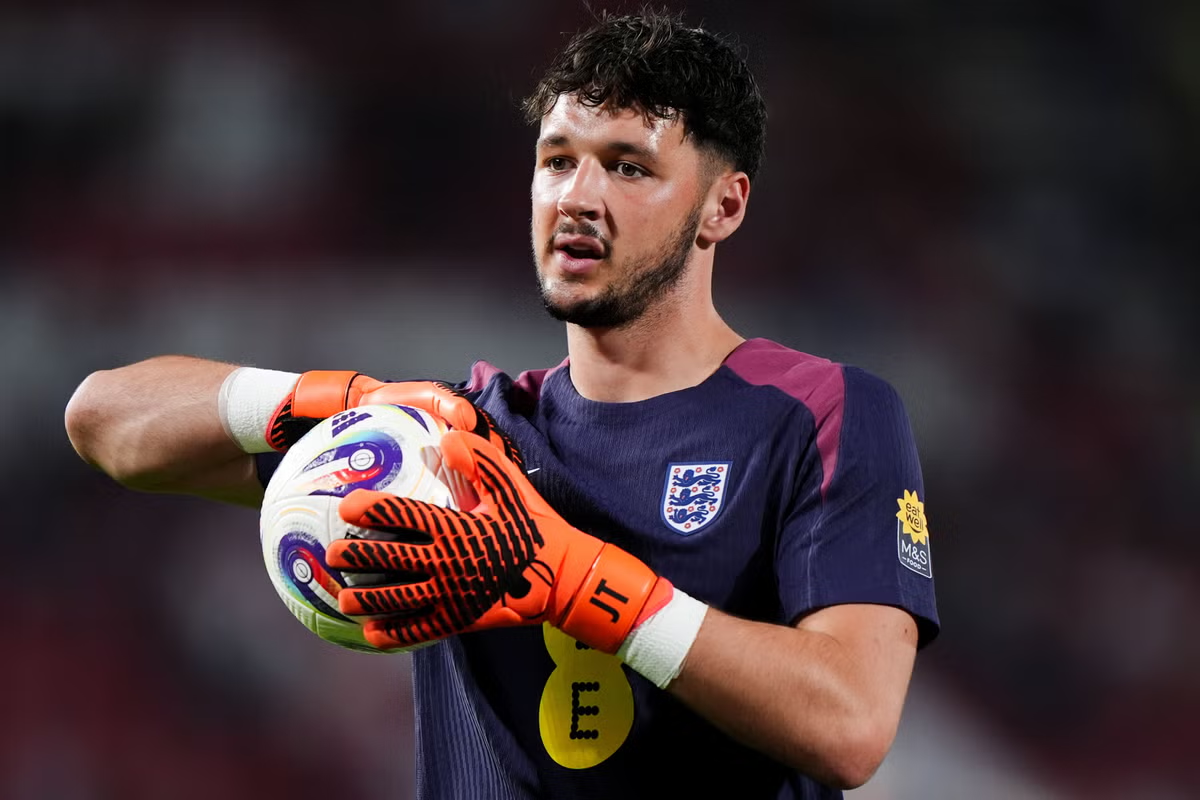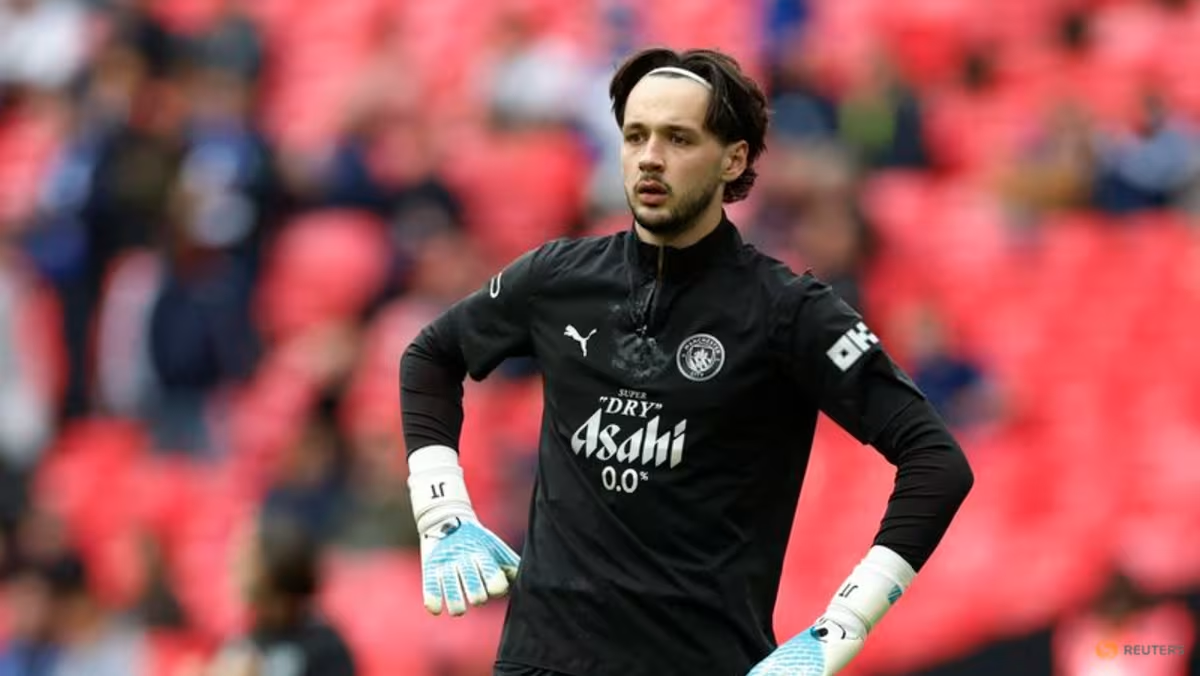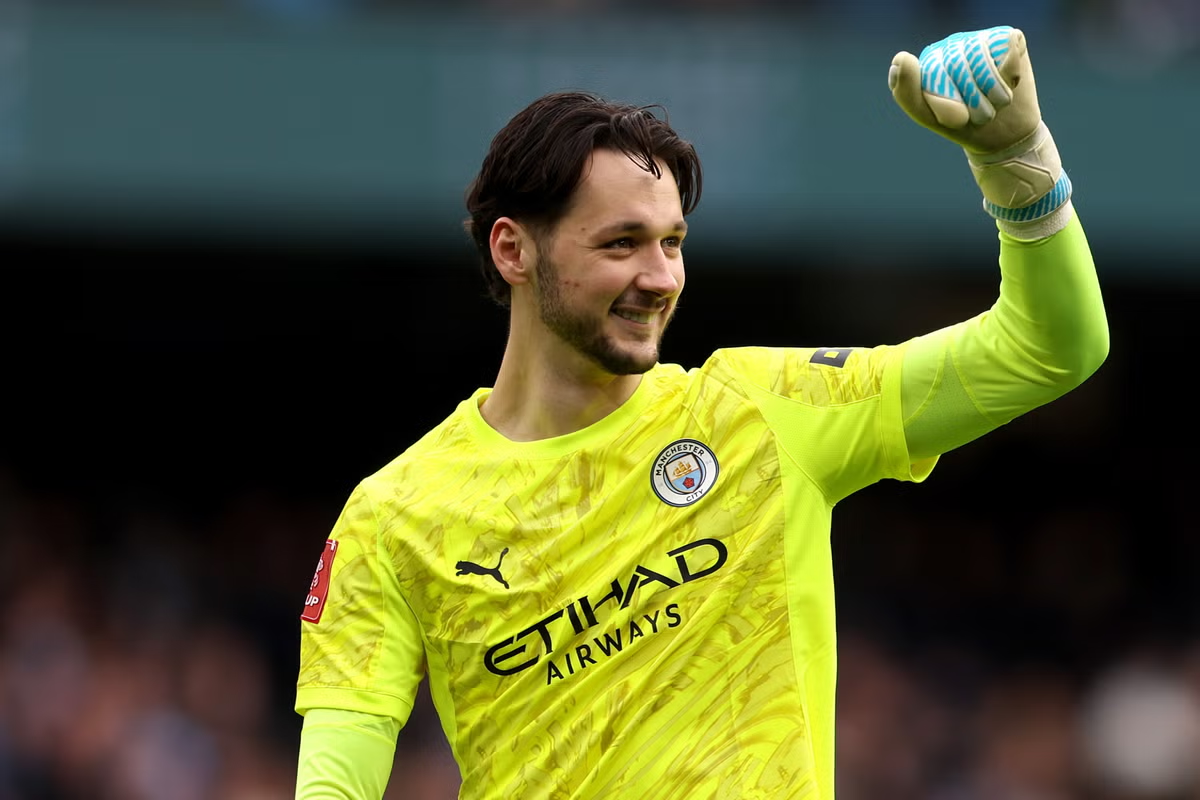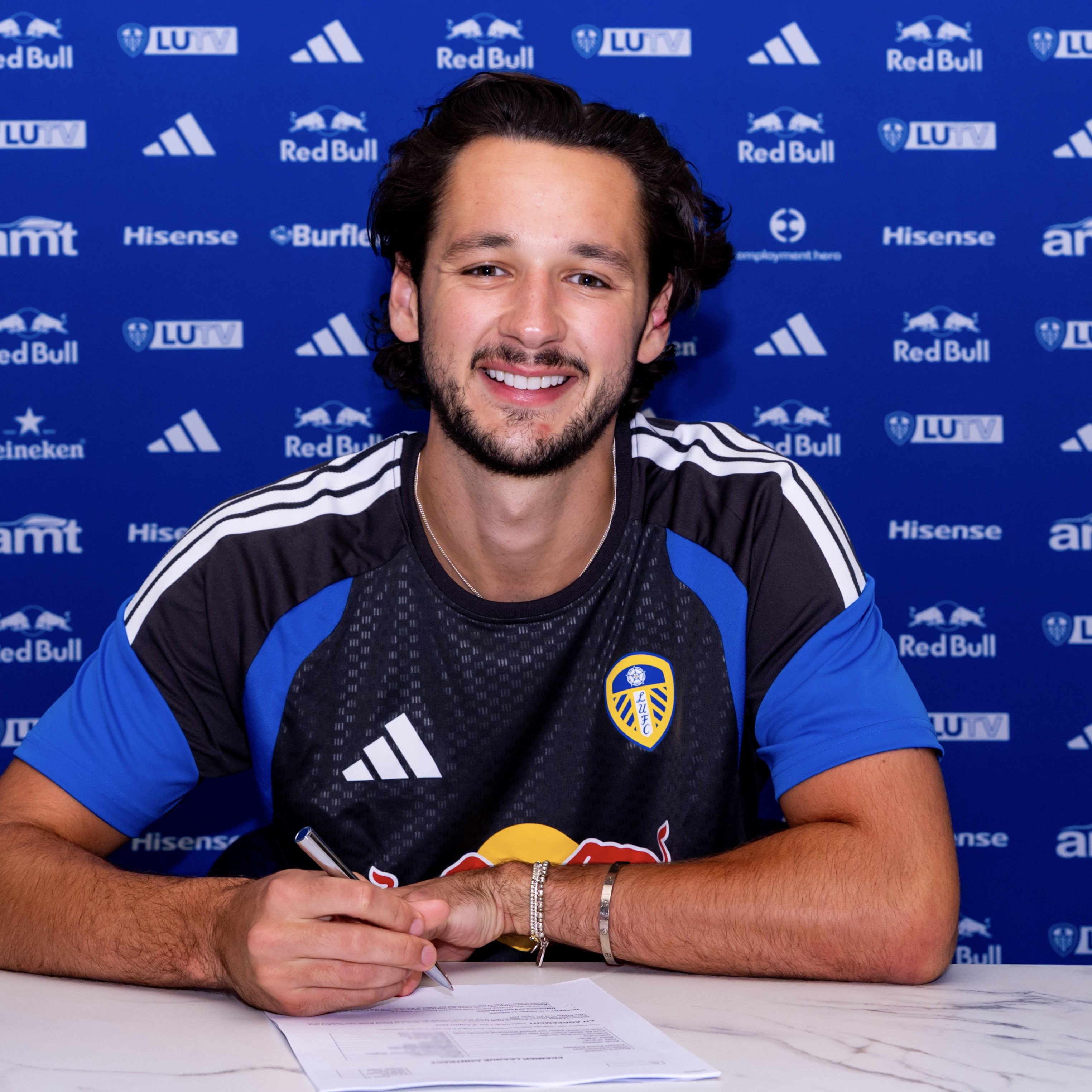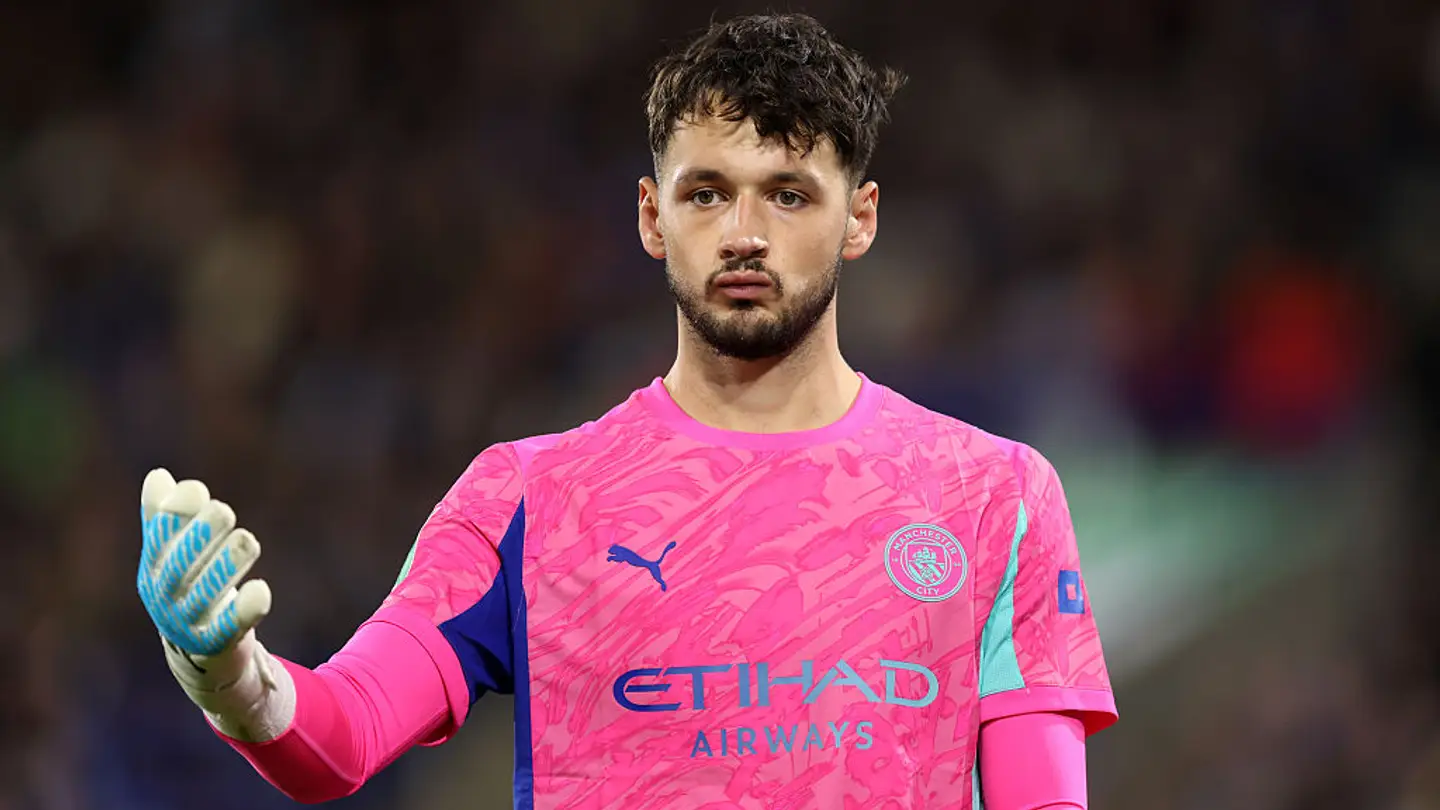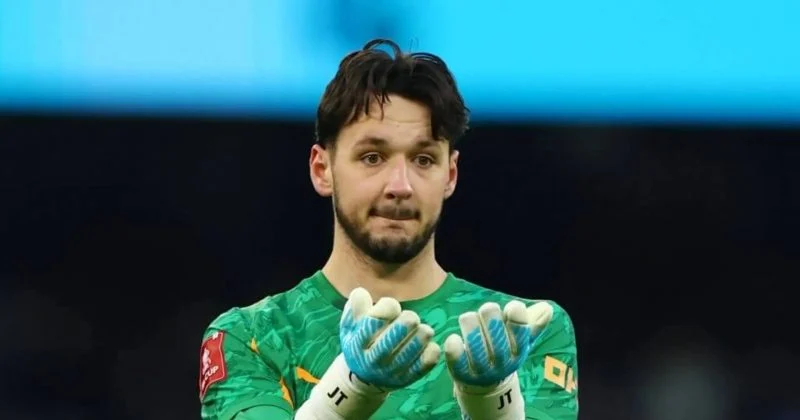
When it is eventually concluded, James Trafford’s move from Manchester City to Leeds United for more than £40million will make him the most expensive player in his new club’s history. Leeds will then become the only team in the Premier League whose transfer record will be held by a goalkeeper.It’s a strange statistic, because success at the highest level of the game seems to depend on high-quality goalkeeping. Arsenal are the Premier League champions, and few would argue that David Raya is not among the best in the world. Spain were recently crowned World Cup winners, and Unai Simon deserves similar billing. Paris Saint-Germain won last season’s Champions League with Matvey Safonov, a good rather than spectacular goalkeeper, but the point stands.And yet that importance is not reflected in what clubs have traditionally been willing to spend on the position.The most expensive goalkeeper in history is still Kepa Arrizabalaga, who cost €80million (£72m; $93m) when Chelsea paid the release clause to prise him from Athletic Club in 2018. The £67m that took Alisson from Roma to Liverpool in the same summer is second on that list. In 2001, Juventus signed Gianluigi Buffon from Parma, paying a goalkeeper-record £32.6m. It was a staggering amount of money but — technically, since we are ignoring inflation — Trafford is about to become only the fourth goalkeeper in history to cost more than £40m. Andre Onana, who cost Manchester United £44m in 2023, is the other.Providing starker context, Trafford’s transfer will also knock Odysseas Vlachodimos outside the top 20. The Greece international when he joined Newcastle United from Nottingham Forest for £20m in 2024.How footballers take annual leaveNnamdi OnyeagwaraThe comparison with other positions is startling. Spending on forwards and midfielders long ago breached the £100m mark. And while Harry Maguire is still the most expensive defender in history, costing Manchester United £80m in 2019, a further 19 players — centre-backs and full-backs combined — have cost €58m or more before this summer.In transfer market terms, goalkeepers lag behind. Why?Historically, one obvious explanation stands above others: attacking players are more fun and fashionable, and it’s easier to measure their worth.Goalscorers have a clear value, and that is as true now as it was in the late 19th century. Attacking players are also more regularly associated with exciting, game-changing moments, memories that have always justified their value.That mattered because, for many years, transfer spending depended on convincing club directors of a player’s worth. In Jonathan Wilson’s biography of Brian Clough, he recalls the then-Nottingham Forest head coach facing “murmurings from the board” after spending £270,000 on goalkeeper Peter Shilton in 1977. Clough described a member questioning why so much money was being spent on a player who “would not be involved for 85 minutes of a game”.This was a few months after Kevin Keegan, a forward, had been sold by Liverpool to Hamburg for £500,000. Clough was not always the most reliable witness, but the anecdote still describes prevailing attitudes through the years, when boardrooms were full of local businessmen and footballing knowledge was thin on the ground.
Goalkeepers are incredibly important. So why don’t they cost more money?
When James Trafford completes his move to Leeds, he will become the fourth most expensive goalkeeper of all time
1,478 words~7 min read