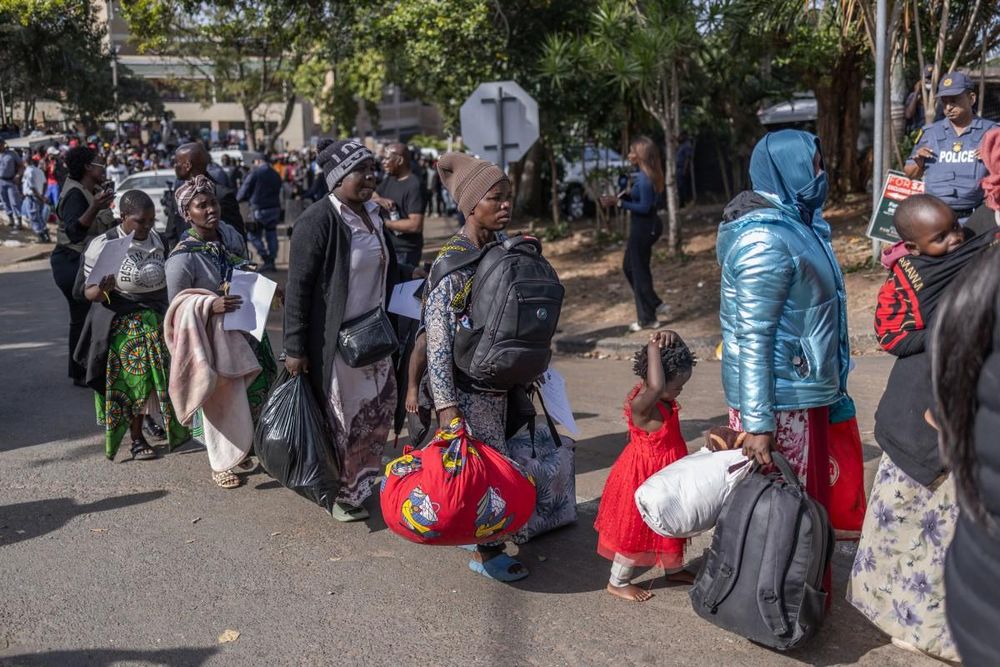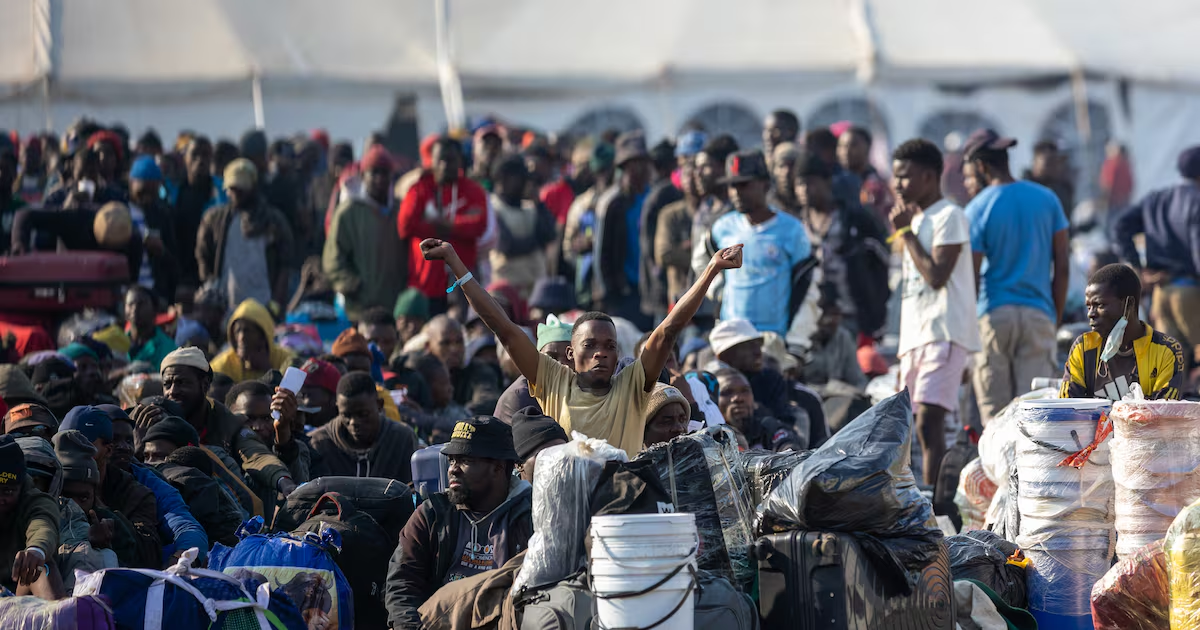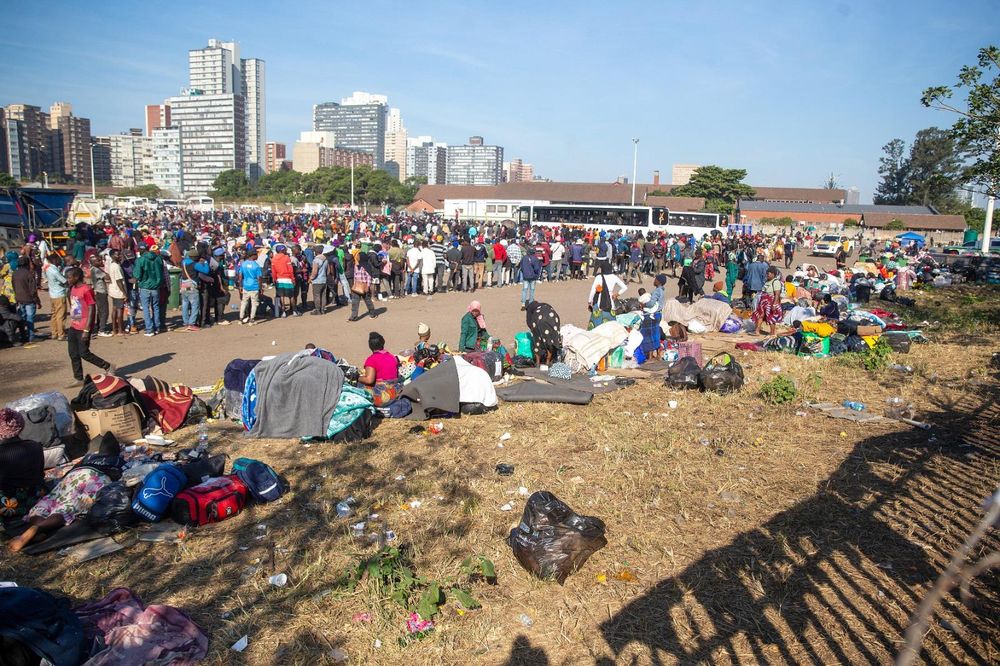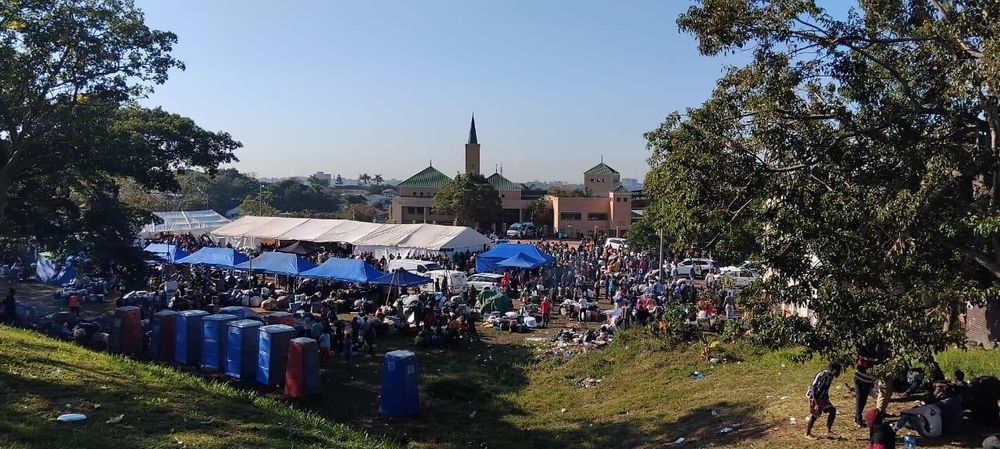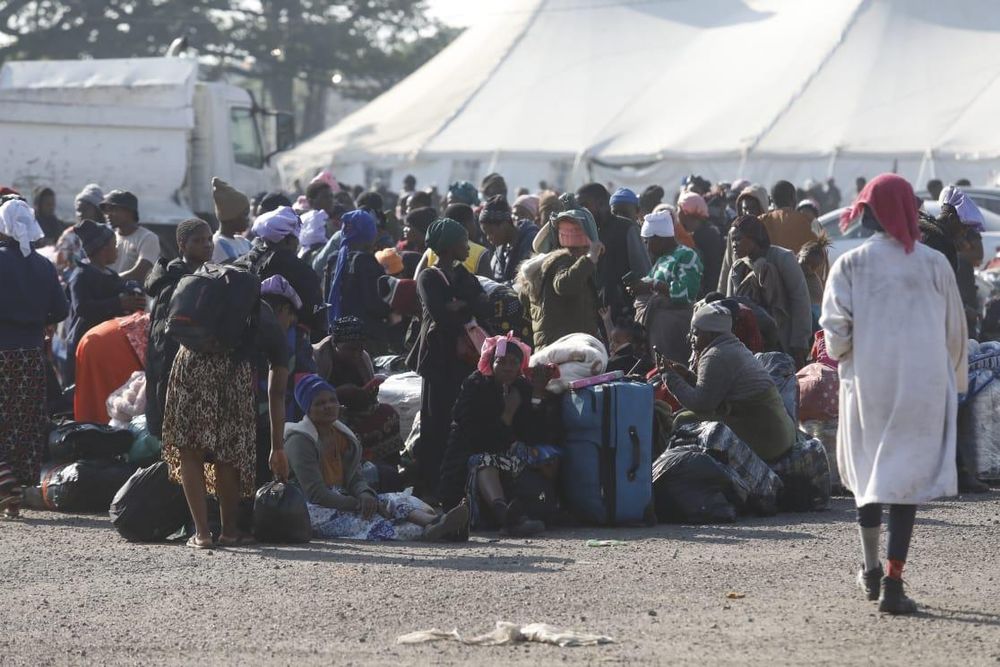
HUNDREDS of Malawian nationals lived at the Durban Drive-In temporary repatriation site before eThekwini Municipality closed the facility and relocated them to a new centre in Musina, Limpopo. The writers explore whether the move signals a shift towards a camp-based approach to managing undocumented migrants and asylum seekers in South Africa.
South Africa started processing undocumented migrants at a temporary repatriation centre in Musina, in the Limpopo province, in a border town with Zimbabwe, in July 2026. This followed weeks of intensified anti-migrant rhetoric and xenophobic violence.
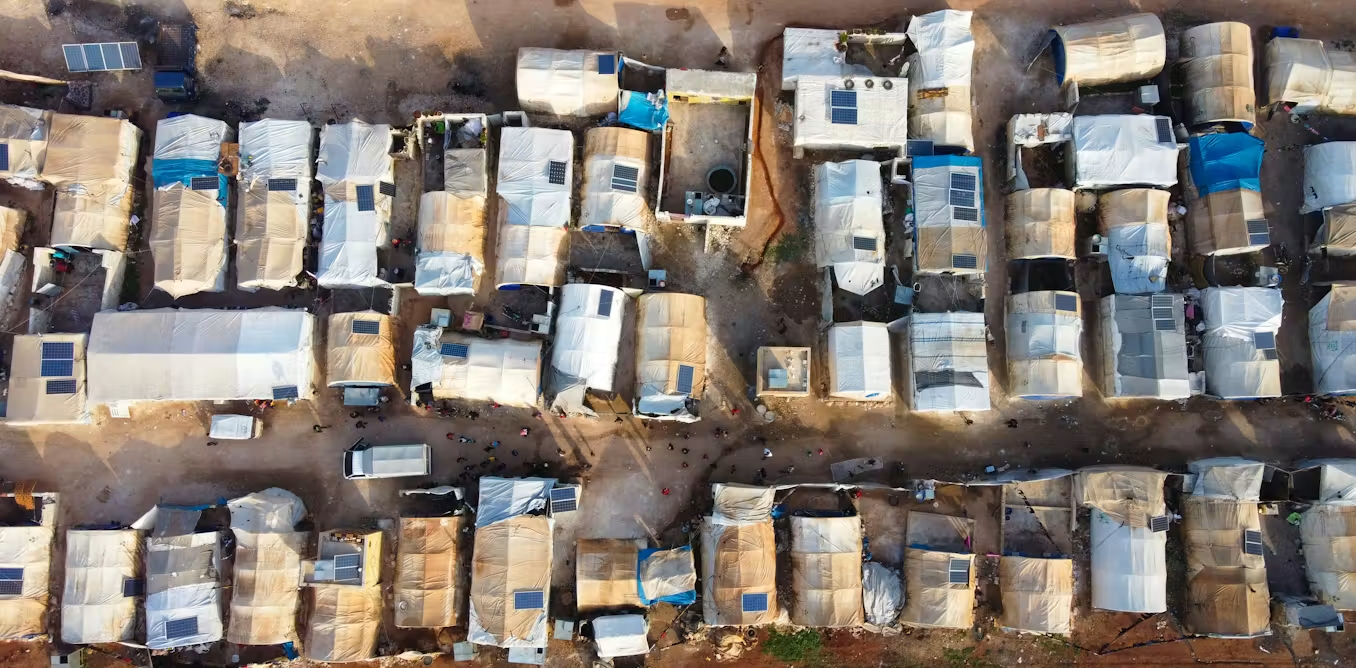
The facility has raised questions about whether the country could be moving towards a more camp-based approach to managing migrants and refugees. This would mark a significant departure from South Africa’s post-apartheid refugee policy.
South Africa has generally allowed refugees and asylum seekers to live, work and study in urban centres rather than confining them to designated refugee camps.
As of 2025, the country hosted more than 160 000 refugees and asylum seekers from places like Zimbabwe, Malawi, the Democratic Republic of Congo and Burundi.