Premium luggage brands are moving beyond the suitcase as more customers seek out a “travel wardrobe”.
In other words, consumers are not necessarily buying more suitcases. They are expanding what Circana described as their “travel gear wardrobe.”
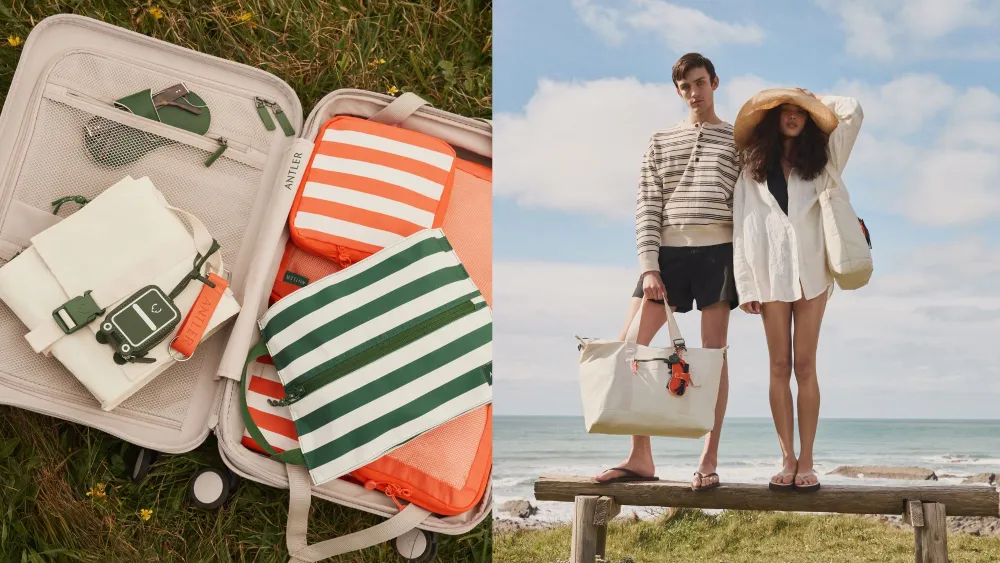
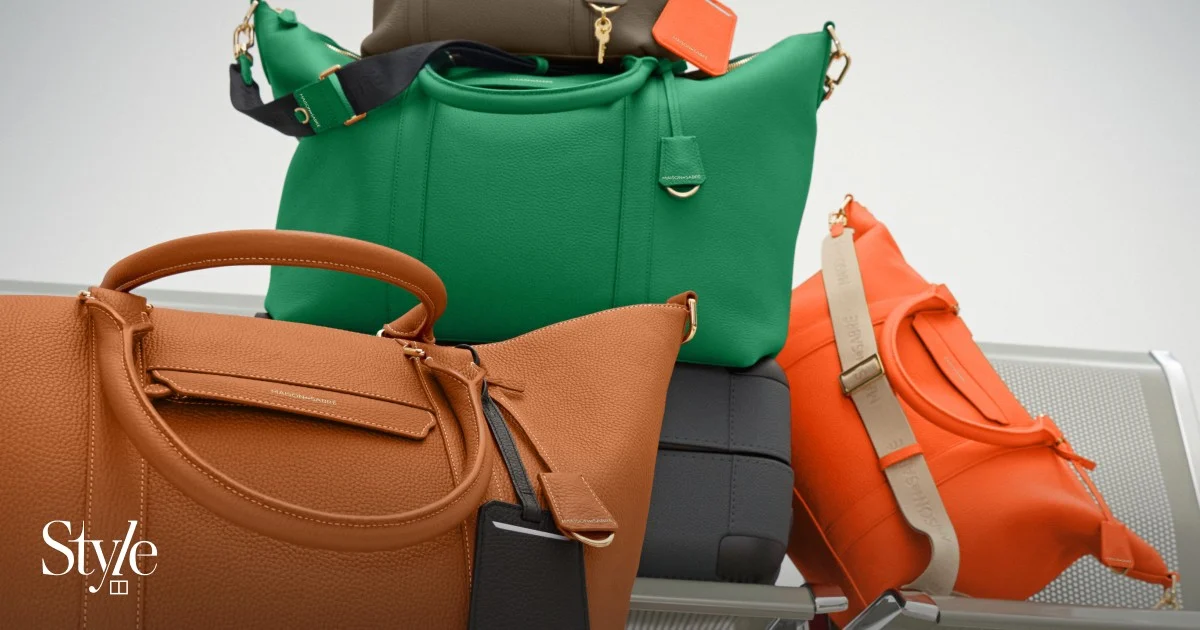
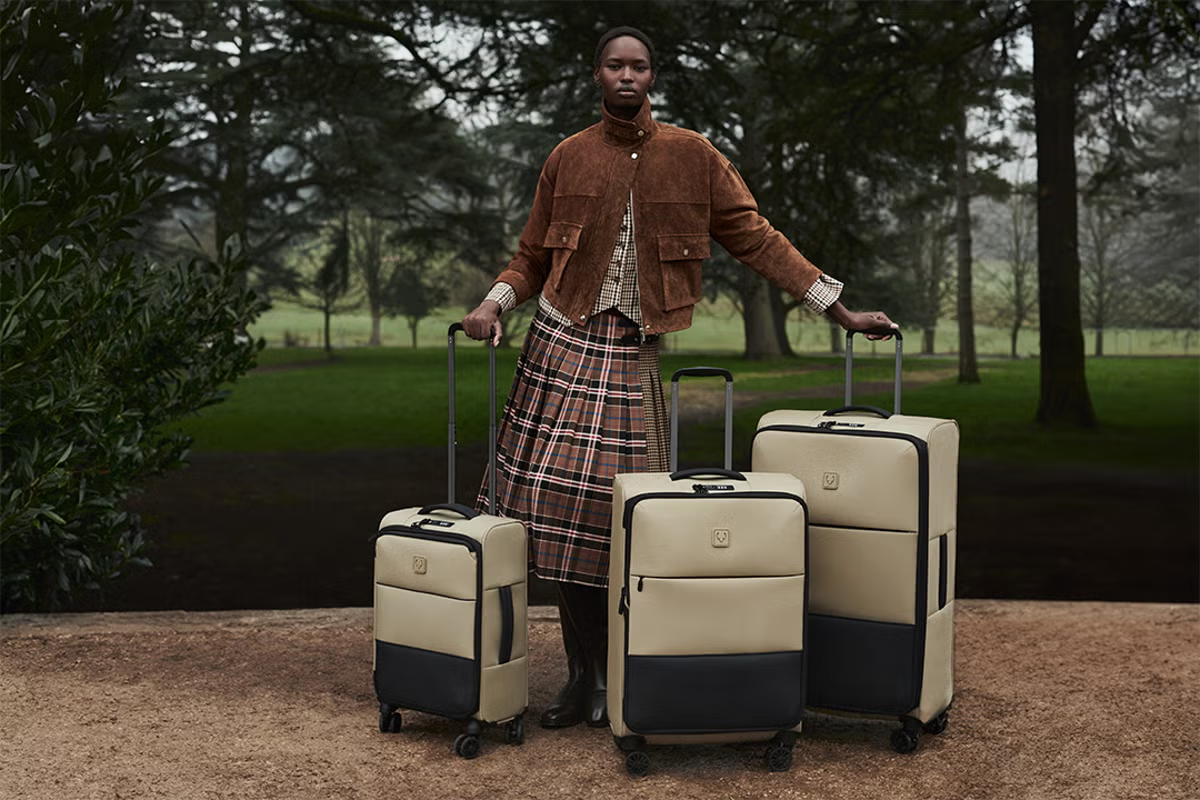
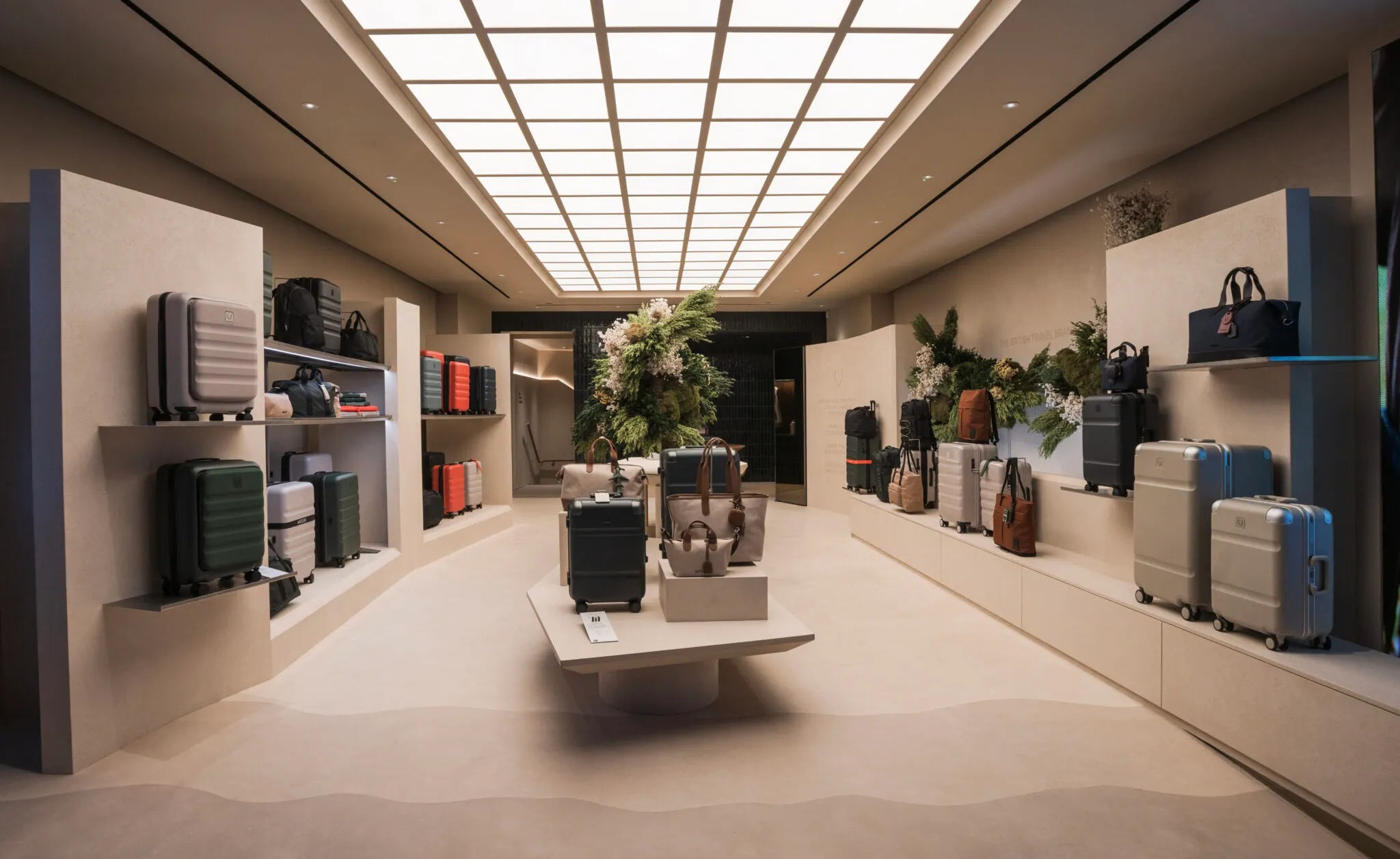
That is pushing brands including Antler, July and Béis to treat the products around the suitcase as acquisition and retention tools, not just add-ons. Antler has pushed further into travel bags, backpacks, packing cubes and its Travel Essentials range; July has leaned into matching sets, seasonal colors and travel bags; and Béis has renovated its bestselling Weekender while using trade-ins and pop-ups to bring existing customers back. Across the category, the goal is to encourage more purchases around each trip, rather than wait for customers to replace a suitcase.
“Durability is a feature many people want from premium luggage brands,” said Neil Saunders, managing director at GlobalData Retail. “If they’re investing a lot, they expect the product to last and to cope with the stresses and strains of travel. This automatically means they won’t expect, or want to, make regular replacement purchases.”
At Antler, the 111-year-old British luggage brand, sales are still rising, but so are sales of accessories like rucksacks. The company’s sales to first-time customers grew more than 50% year over year, and the share of first-time customer spend rose from 12% to 18%. Repeat customer orders increased more than 30%, with existing customers spending 50% more on handbags and rucksacks and 30% more on accessories. Overall, Antler reported gross annual sales of £52 million, or about $70.2 million, for the year ending February 28, 2026, up 17% year over year. The U.S. was its fastest-growing market, with sales up 83%, driven by digital growth and wholesale expansion with retailers including Nordstrom and Bloomingdale’s.