Get the latest news and updates from Dawn
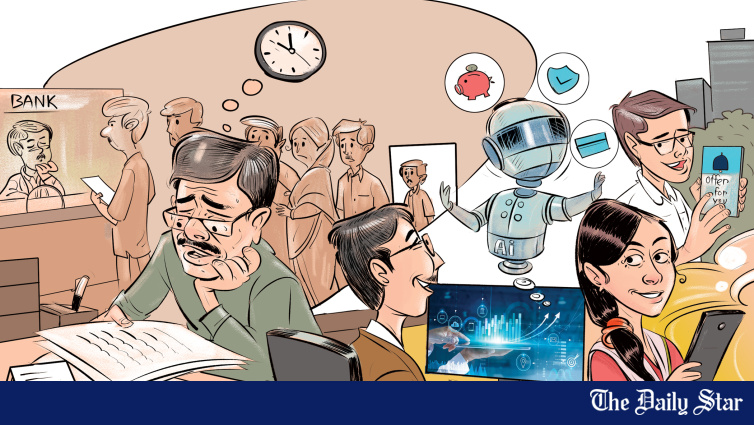
Pakistan’s banking industry has become very good at digitising what customers can see. Mobile apps are cleaner, payments are instantaneous, account opening takes minutes, and QR codes are increasingly replacing cash. Behind the screen, however, the experience can be rather different.
As some quip, many banks have built a digital front door, but once the customer walks through it, someone inside still reaches for a file, a stamp and a photocopier. This is because when an application begins online, it still has to pass through a series of manual verifications, disconnected databases, emails, spreadsheets and committees. The customer may see an app, but the bank is often still operating through processes designed for another era, and these manual processes often undermine efficiency and stall transactions. That is why a radical change is necessitated in how we design processes.
For most of its history, banking has been built around documents. Salary slips, financial statements, tax returns, property records, collateral documents and credit histories have helped banks establish whether a customer exists, earns an income, owns assets and can repay a loan. This model works well when economic activity is formal and comprehensively recorded. It is far less effective in markets where businesses are active, productive and profitable, but not extensively documented.