Editorial
If URI is not intended to function as a conventional university, what exactly distinguishes it from institutions that already train public leaders? If it is, why establish a new university rather than strengthen existing ones?
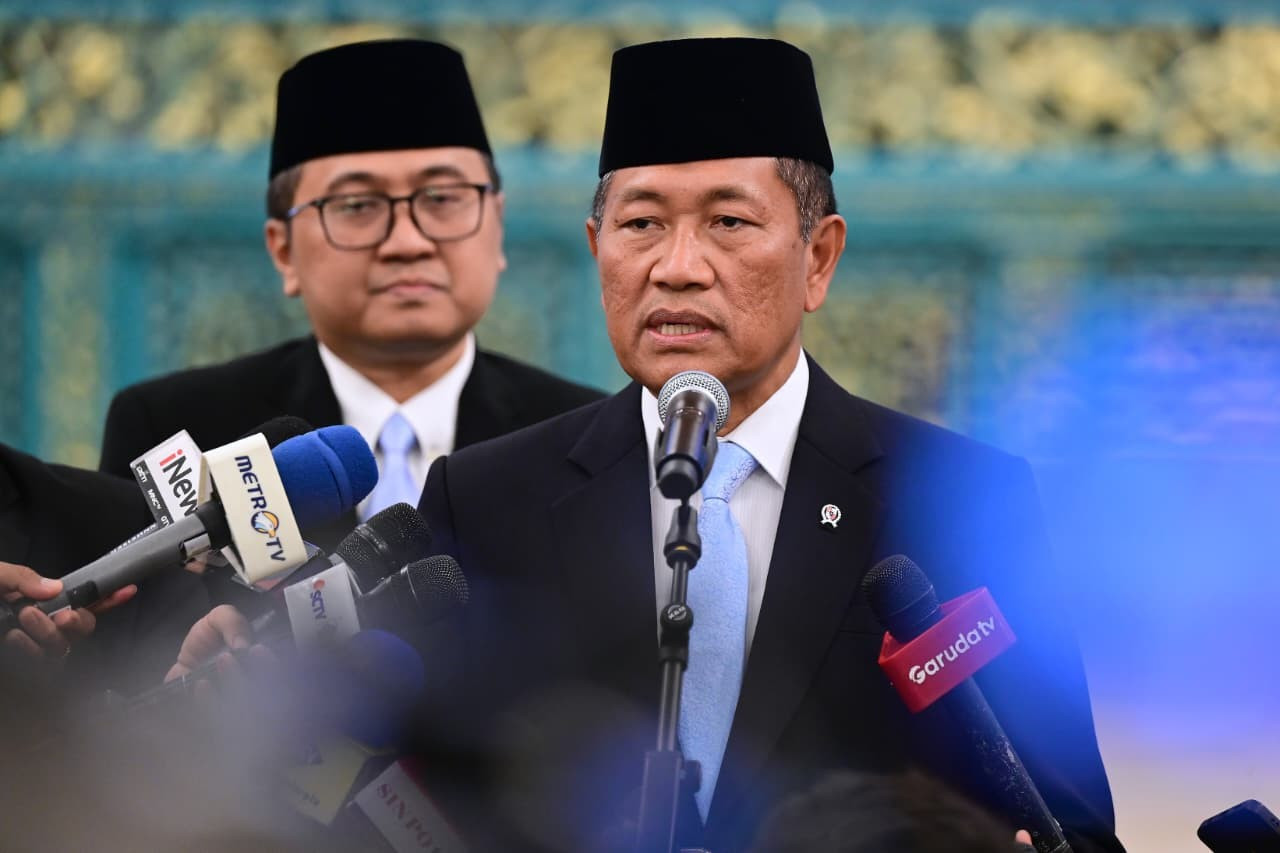
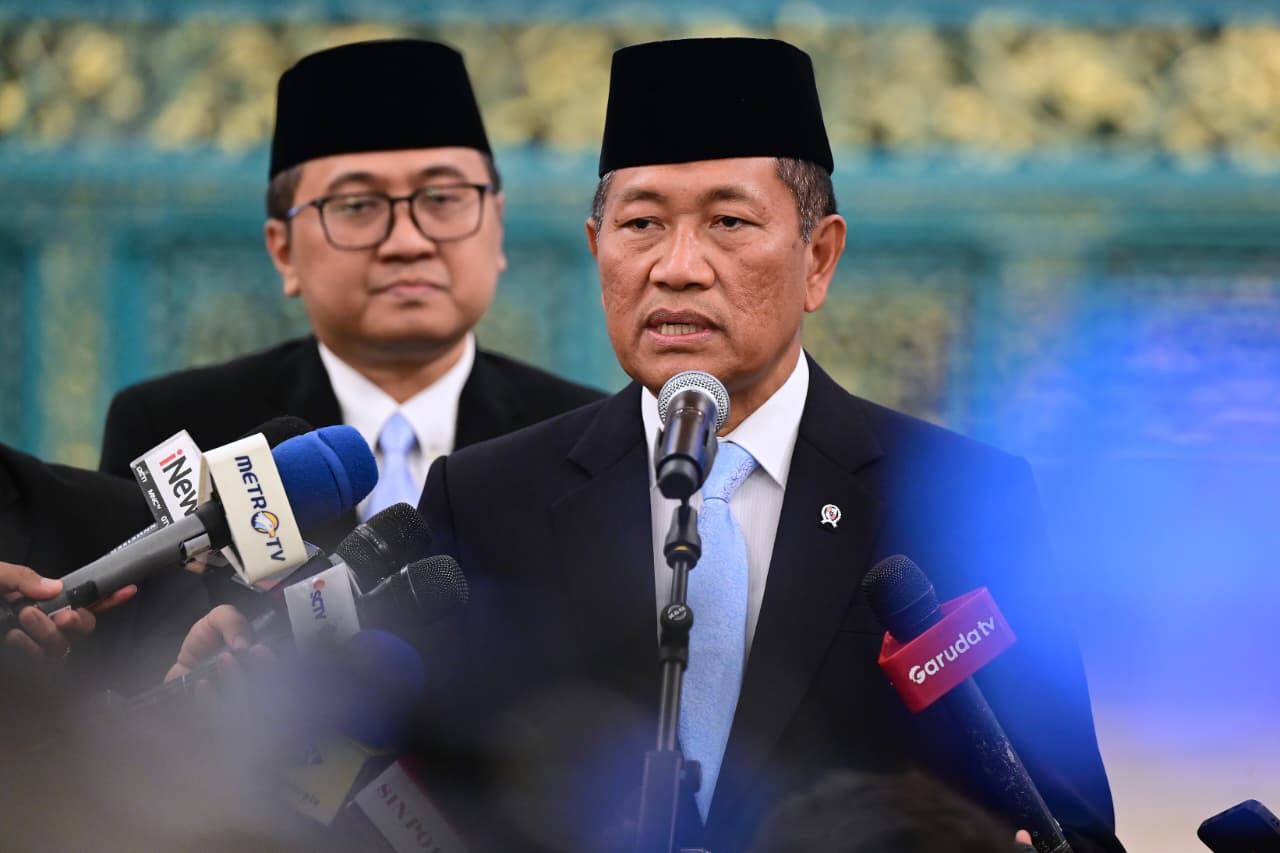
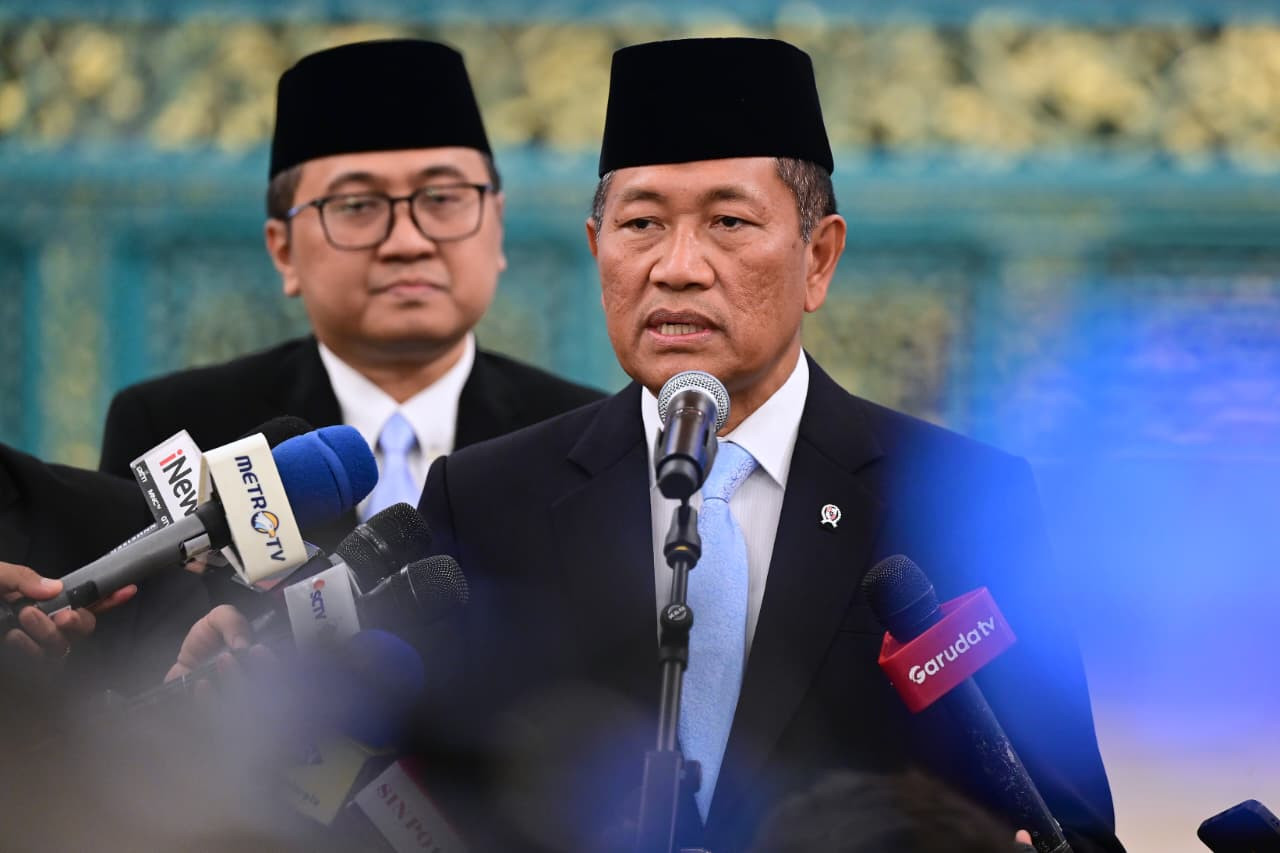
Deputy Defense Minister and newly-inaugurated University of the Republic of Indonesia (URI) Governor Donny Ermawan Taufanto (right) talks to journalists on July 22 as Bandung Institute of Technology (ITB) professor and URI Deputy Governor Yos Sunitiyoso looks on at the State Palace in Central Jakarta. (Courtesy of Presidential Secretariat/Muchlis Jr)
Last month, President Prabowo Subianto inaugurated the governor and deputy governor of the newly established University of the Republic of Indonesia (URI) to the surprise of many. The ambitious initiative (yet another) was launched on July 22, and on the same day, the President appointed Sudaryono as the new head of his flagship free nutritious meal program following the abrupt resignation of his predecessor after only six weeks in office.
There had been no public consultation, no policy paper outlining the university’s purpose and no indication that the government had conducted a comprehensive study to justify creating yet another state university.