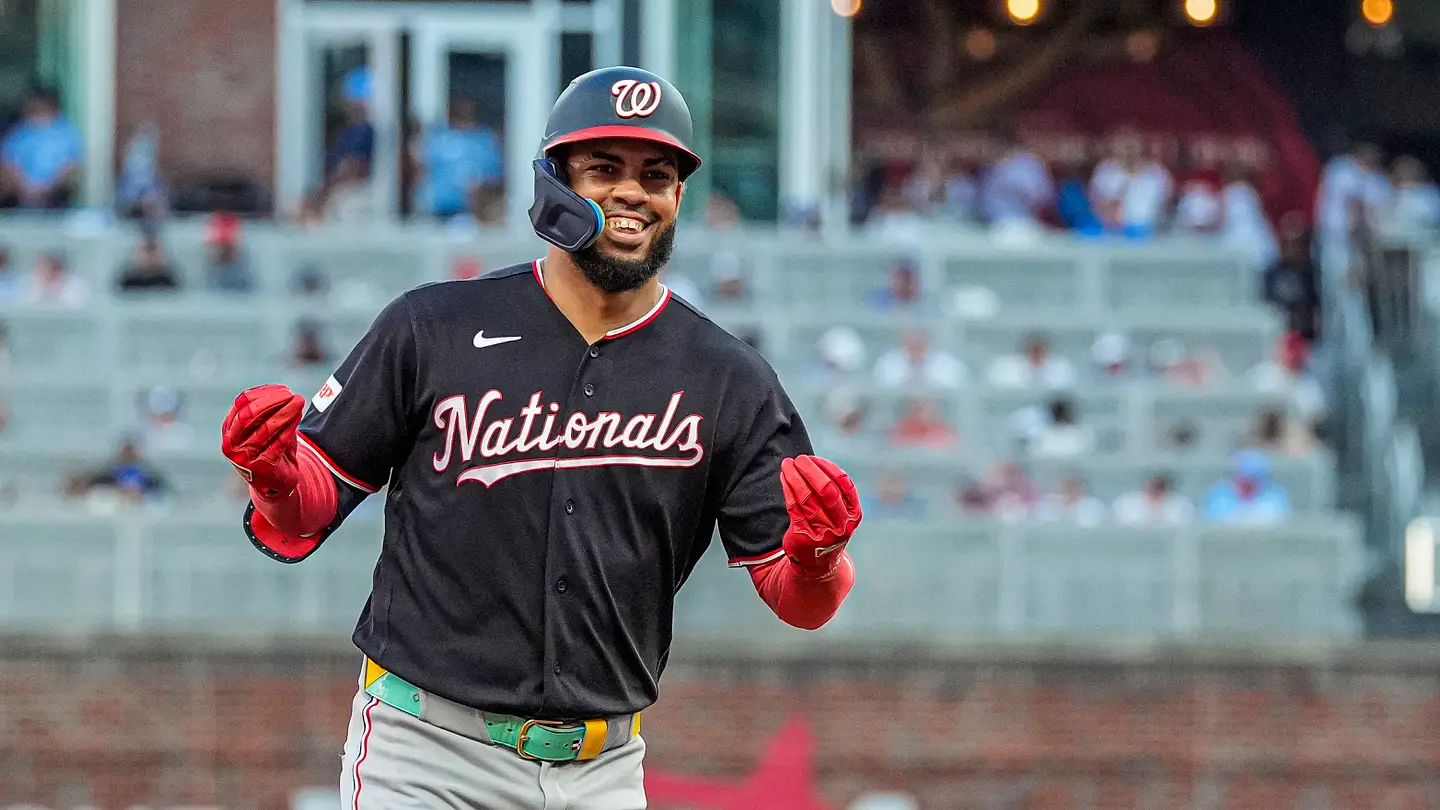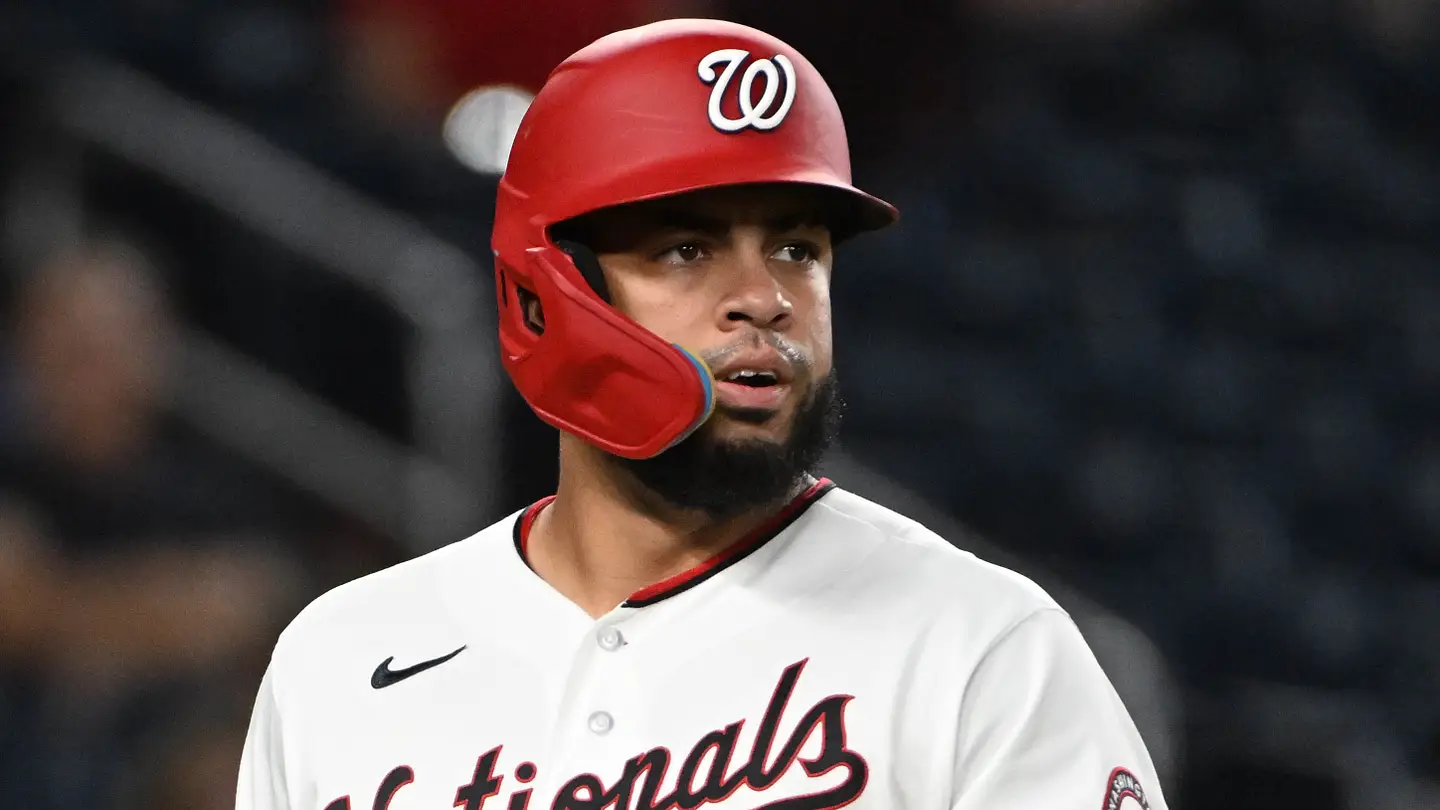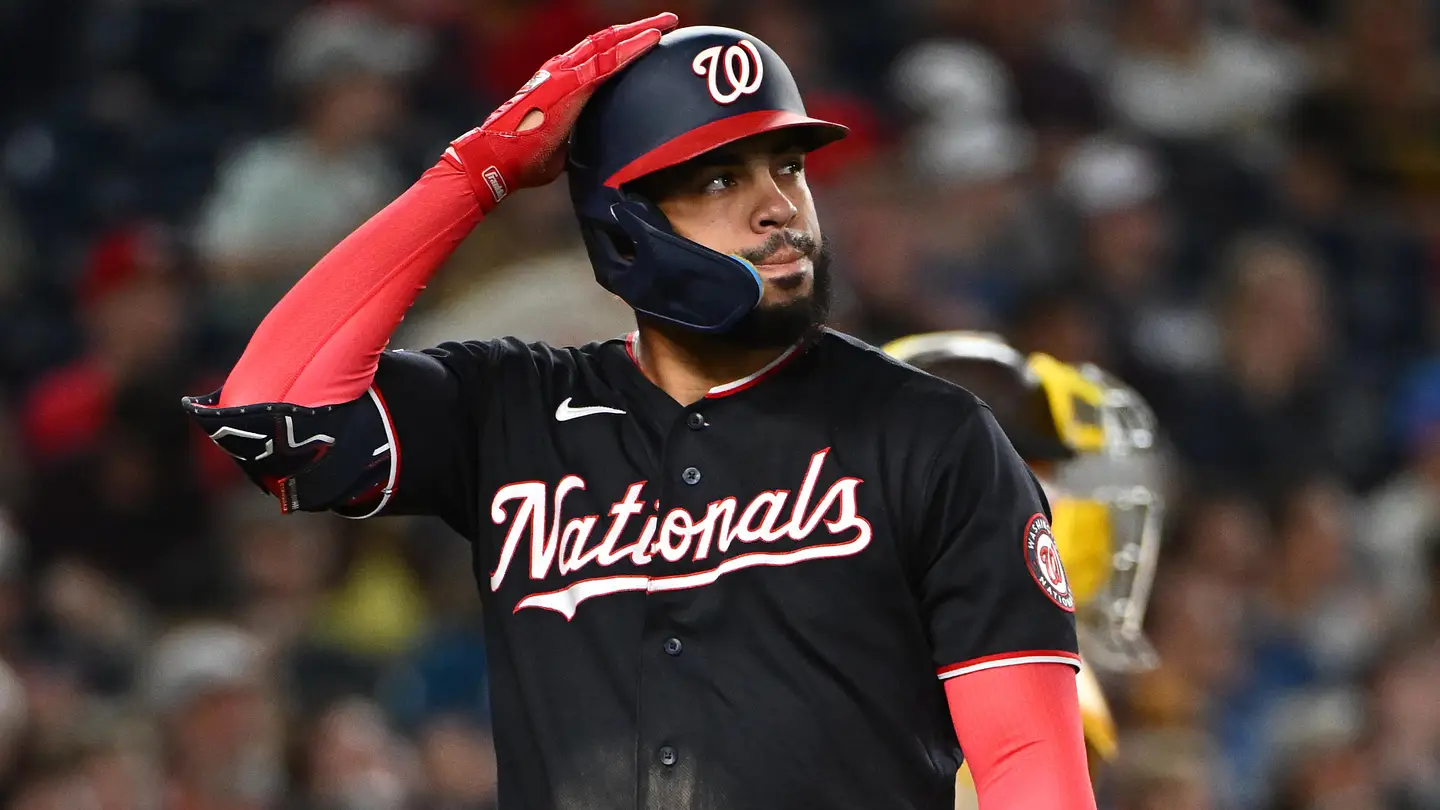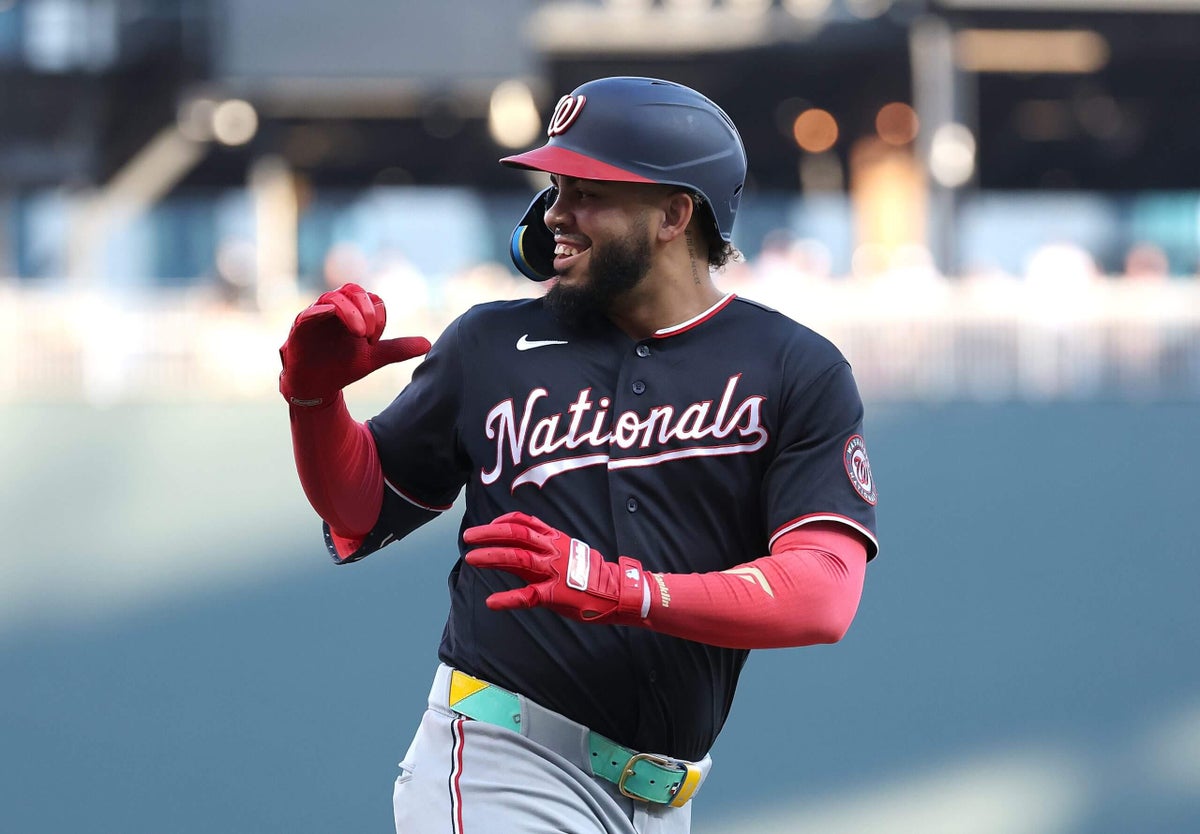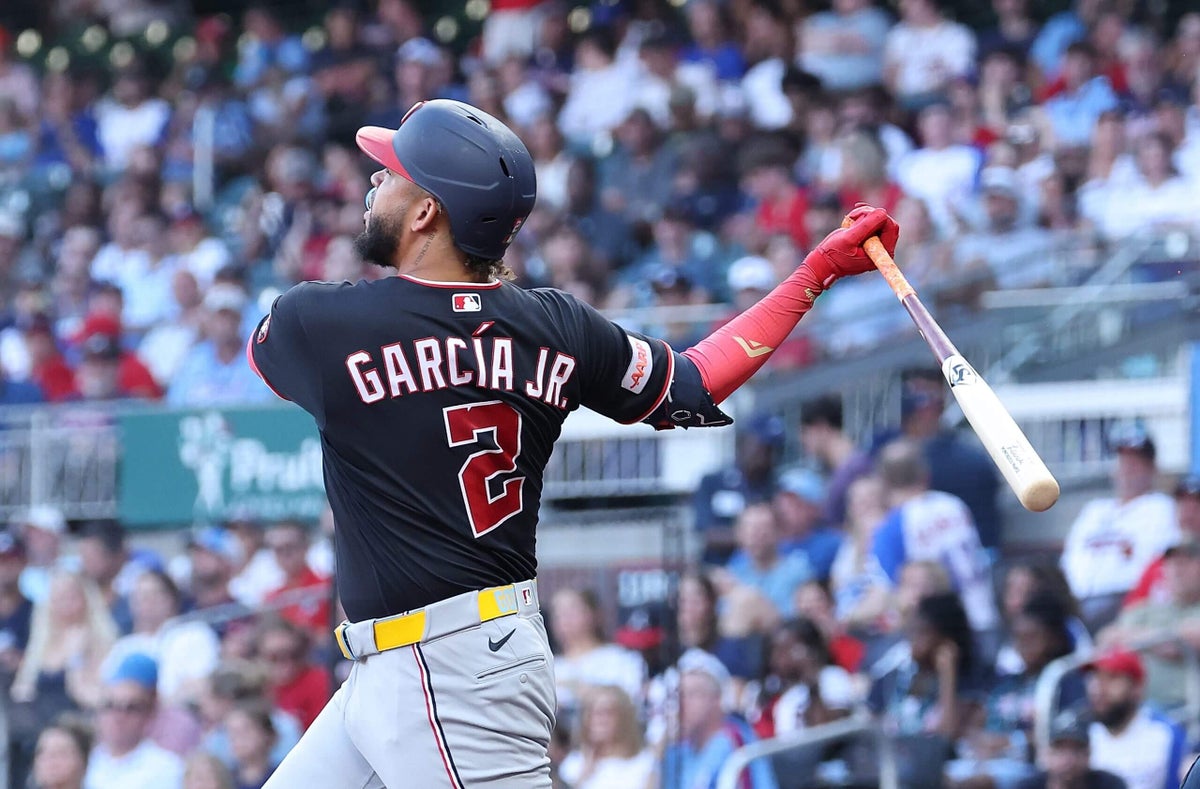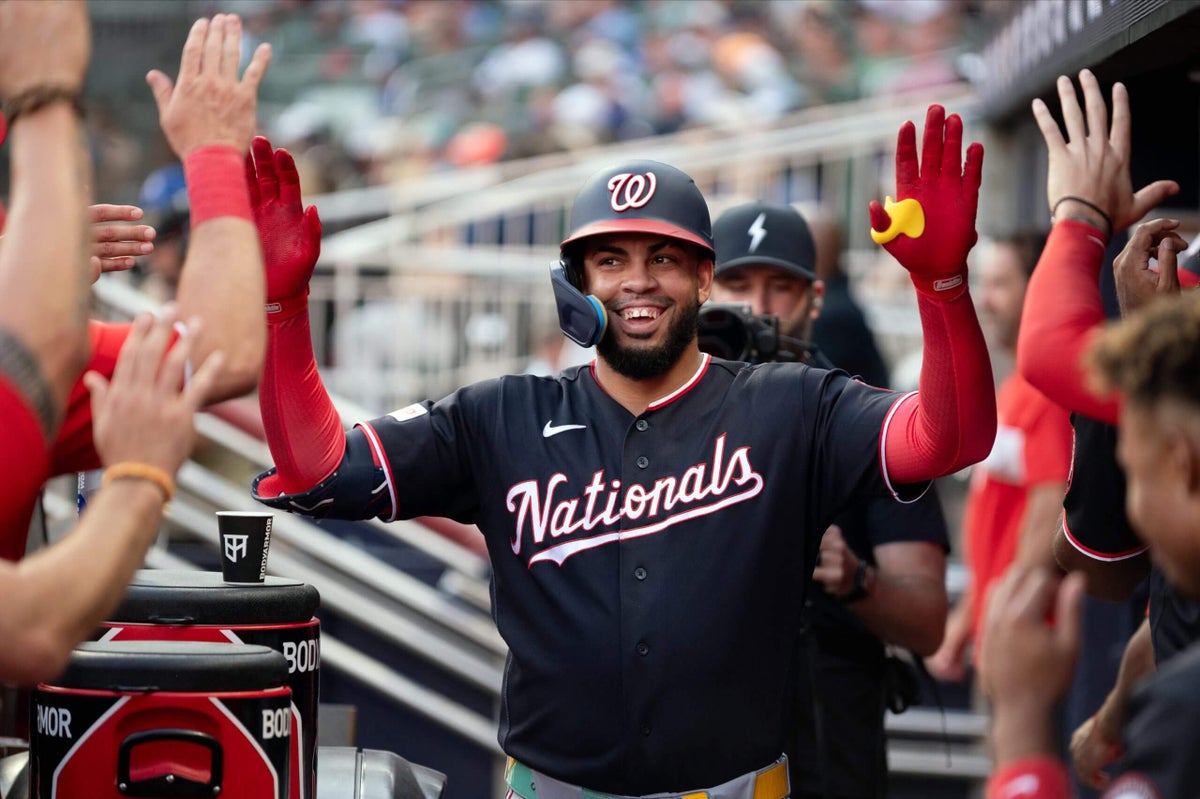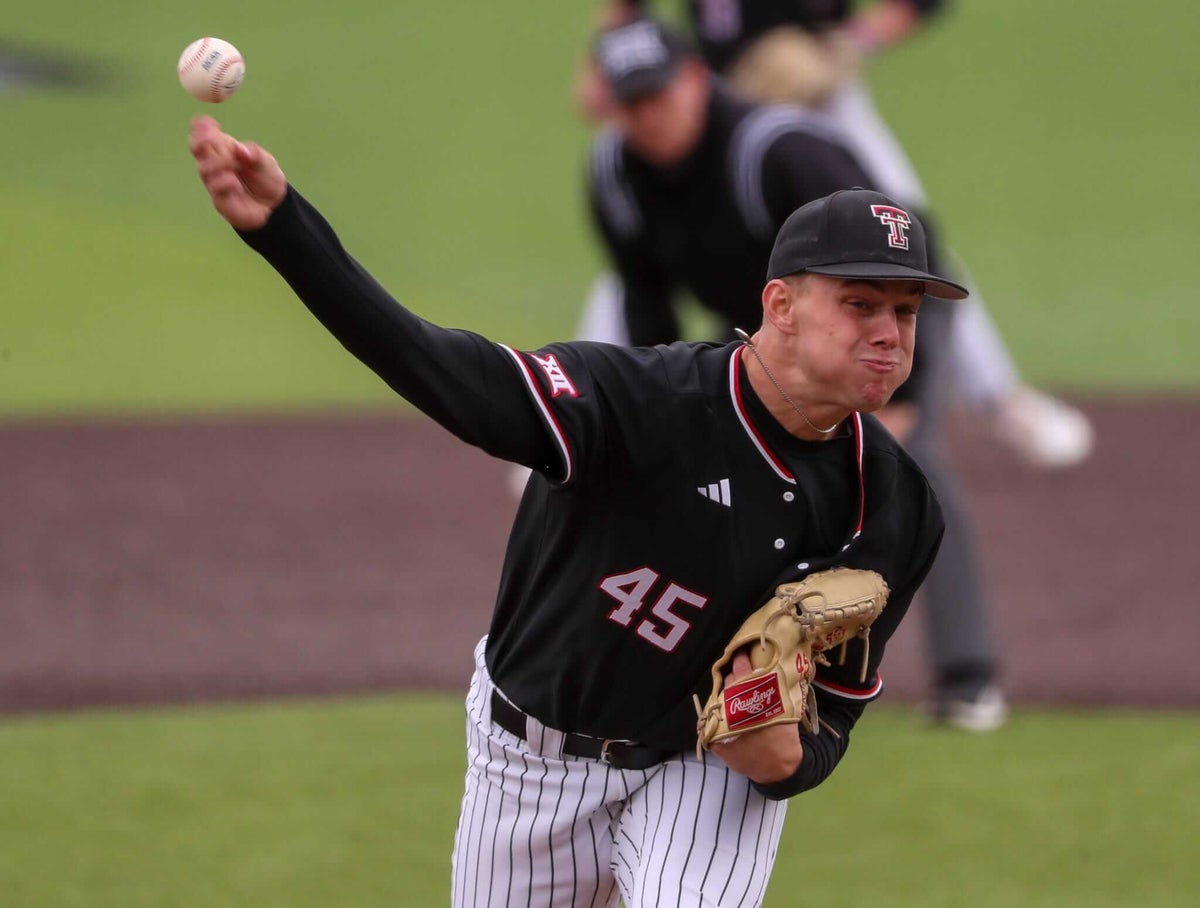
Trade details: New York Yankees acquire 1B Luis García Jr. from the Washington Nationals for RHPs Yovanny Cruz, Jake Bird, Jack Cebert and Ben GrableI had thought that García would return more than a package of four relievers given that he had a year and two months remaining before free agency, but I think I misread his market. One of the four righties the Nationals received from the Yankees could end up a starter. All told, the return addresses a massive organizational need for Washington while potentially freeing up some at-bats for younger players.García is a platoon first baseman who is in the midst of the best year of his career, with 23 homers already, 20 of them off right-handed pitching. He was leading the National League in slugging percentage, somehow, even though he’s done nothing against lefties (.218/.246/.382 in 57 PA). The Yankees can platoon him with Paul Goldschmidt, who is even worse against righties than García is against lefties, and probably get a win or more of production from him the rest of this year while also setting them up better to face a good right-handed starter in October.Cebert is the one starter in the trade, at least right now. He was the Yankees’ 15th-round pick out of Texas Tech last year as a 23-year-old senior, and they’ve already tightened up his slider enough to make it an above-average pitch, with a whiff rate of 41 percent this year between High A and Double A. He sits 92-94, touching 97, although it’s pretty true. He has a below-average cutter and a traditional 12/6 curveball that’s slow but could work if he uses it sparingly.He has no changeup, although so far he hasn’t had a problem with lefties, and doesn’t really add and subtract well off the heater — everything’s at its best when he’s throwing as hard as he can. I don’t think he’s going to stick as a starter. He lacks an out-pitch or a change-of-pace pitch, probably needs to junk the cutter, and has been homer-prone since he hit Double A, but I’d let him stay in the rotation for now and make him a fastball/slider reliever if it doesn’t work.Grable is another great find by the Yankees’ amateur scouting staff. He was an 11th-round pick last season out of Indiana, where he was a 23-year-old graduate student who pitched as a starter and a reliever after missing all of the 2024 season due to an elbow injury. Grable is a pure reliever, with a fastball/slider combination, throwing three heaters for every breaking ball because his fastball is up to 99 with huge induced vertical break, making it a real out-pitch — he’s had a 37-percent whiff rate on it this year between High A and Double A. He’s 24, he’s throwing strikes, he’s already in the right role. I’d send him directly to Triple A and would consider calling him up later this year.As an aside, neither of these guys sniffs the minors if MLB gets its way and cuts the draft to fewer rounds and eliminates another level of the minor leagues.Yovanny Cruz made his major-league debut with the Yankees this season. (Sarah Stier / Getty Images)Yovanny Cruz debuted this year for the Yankees, his fourth organization even though he had never been traded before today. (He originally signed with the Cubs in 2016, was briefly their hot pitching prospect in Rookie ball, then moved to the Padres, Red Sox and Yankees as a minor-league free agent.) He’s up to 100 mph with a plus slider, actually throwing the latter pitch more than the fastball in Triple A and the majors this year. He also has a splitter that has helped him avoid a platoon split.The difference this year versus all of his previous stops is that he cut his walk rate, getting below 10 percent for the first time since he pitched in the Rookie League in 2018. If he can be even a 10-percent walk rate guy, he’ll be a quality reliever, maybe a high-leverage guy because the slider is a swing-and-miss weapon.Jake Bird is the most established name in the group, and might be the least interesting. He’s a sinker/sweeper guy who comes from a pretty low slot, so the sweeper is sweepy — the break is mostly horizontal — and he throws everything directly into the bat path of a left-handed hitter. Lefties are 17-for-36 off him this year with four doubles and a homer, and while that’s a small sample with some bad luck in there, he had a platoon split last year as well. I’m going to say maybe he should mostly face right-handed batters from now on. He’s a free agent after 2028, so while the other three arms could help the Nats build the bullpen for their next playoff-caliber team, he may not fit that window.That’s really the impetus for this trade for Washington: their system is strong already, thanks to the 2024-25 drafts and several big trades like the MacKenzie Gore deal, but it’s heavily weighted towards position players. Their 2026 draft was also hitter-heavy, so they’re going to have to add pitching from outside the organization.They don’t even have that many pitching prospects who project as good major-league relievers. Even a guy like Miguel Sime Jr., who has hit 101, is miles away from having the control to pitch in the eighth inning in a big-league game. This deal allowed them to move a player in the middle of a career year, and to do it while he has a year-plus left before free agency so they’re maximizing their return.I hope they give first baseman/DH Abimelec Ortiz some at bats in August and September, as he’s hitting .244/.348/.497 with a strikeout rate under 20 percent in Triple A, and it’s a good opportunity to evaluate him against big-league pitching and see if he can have a role for the team in 2027. He’s left-handed, like García, and could step right into his role as a platoon first baseman.
In Luis García Jr. deal, Nationals add building blocks for their bullpen
The Nationals system is light on pitching and this deal gives them some potential contributors for their bullpen in a few years.
1,020 words~5 min read