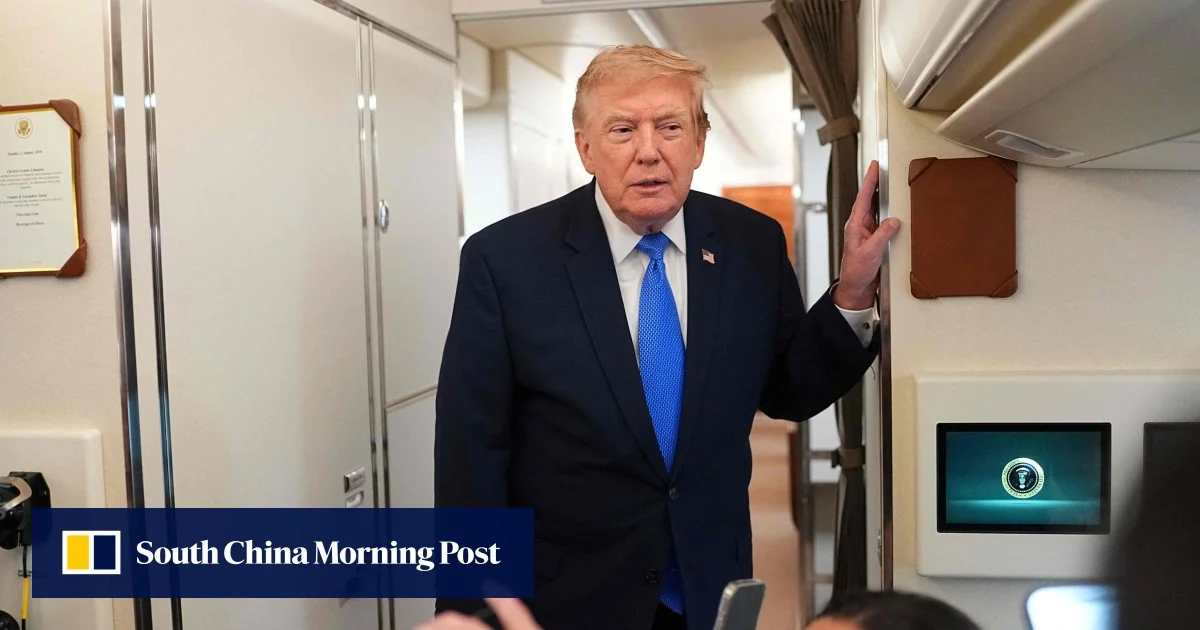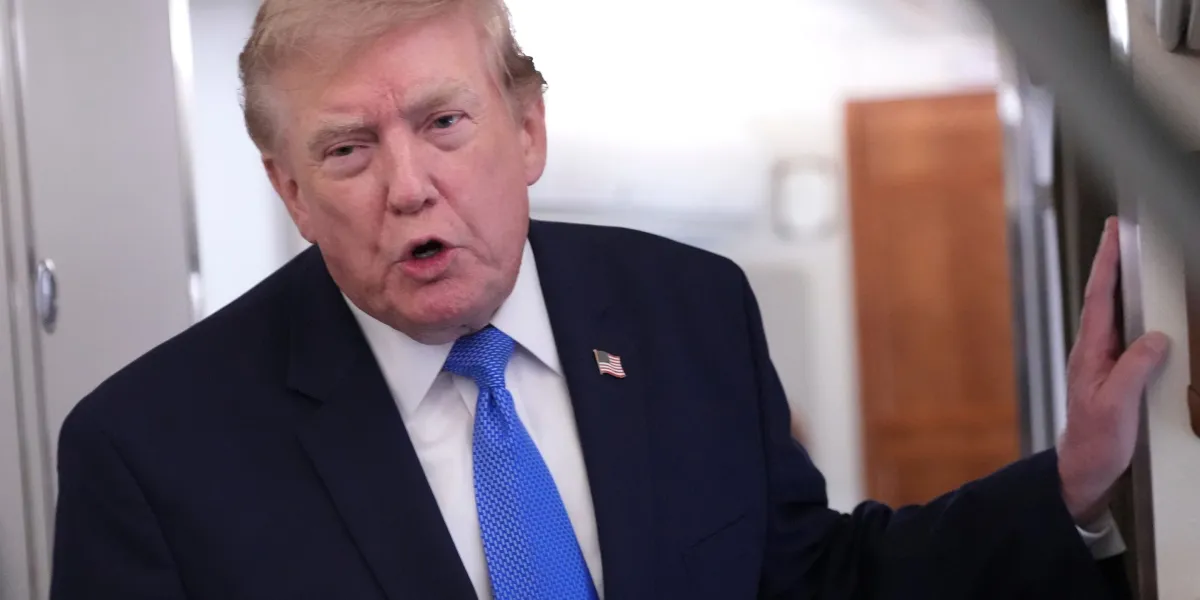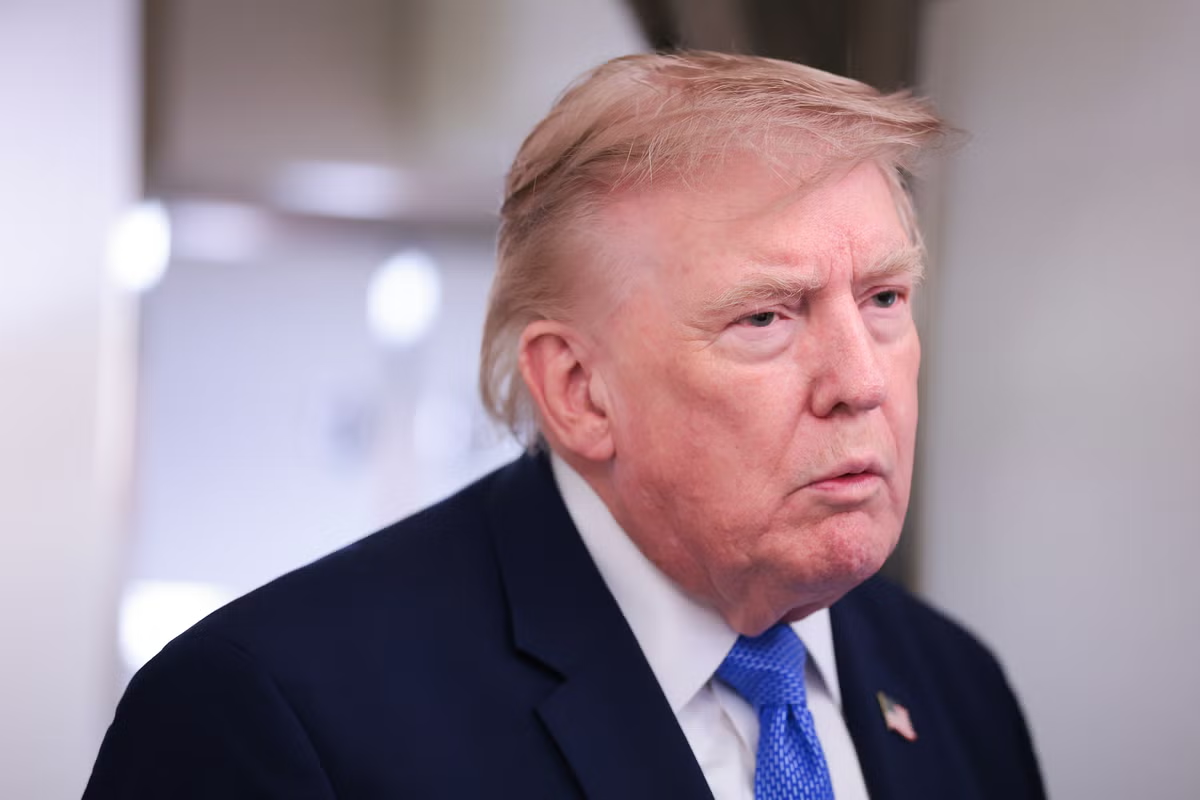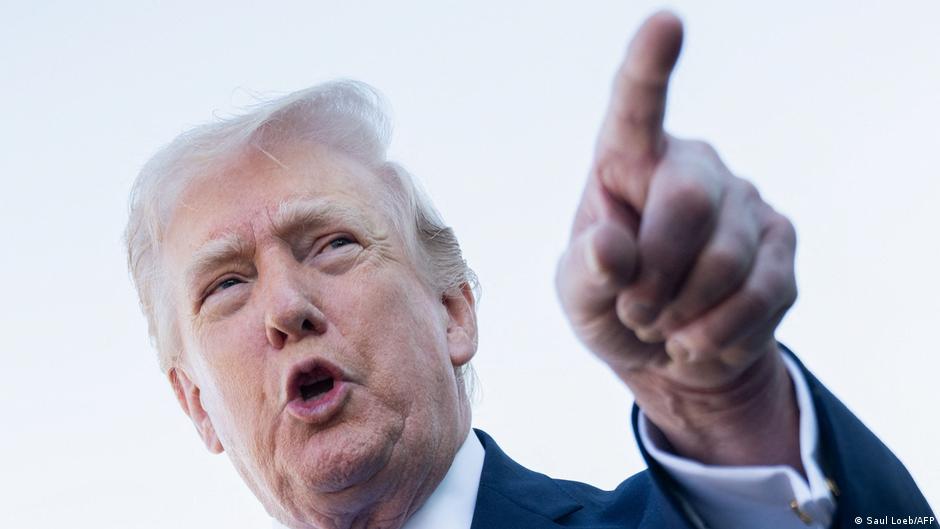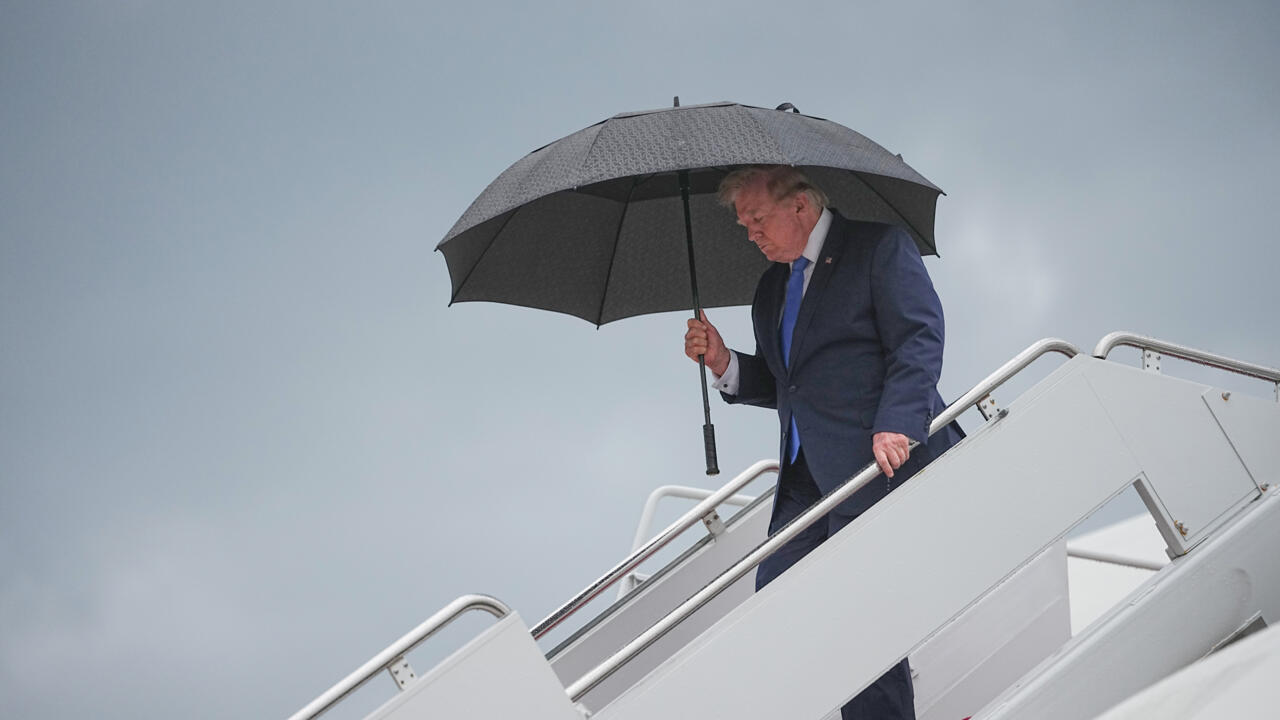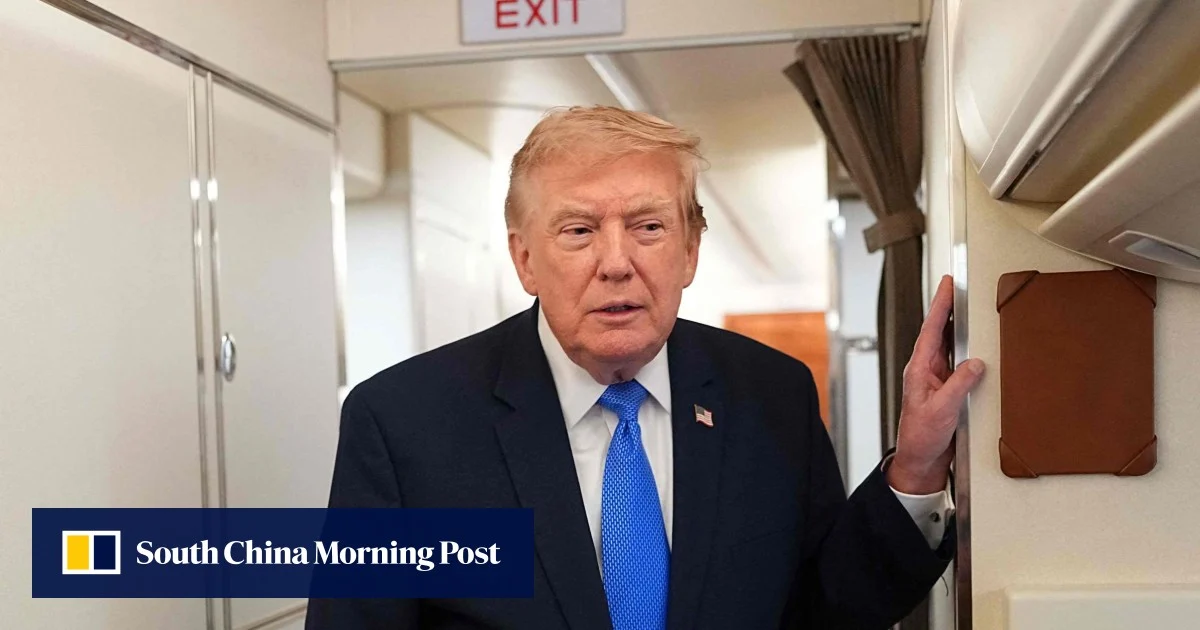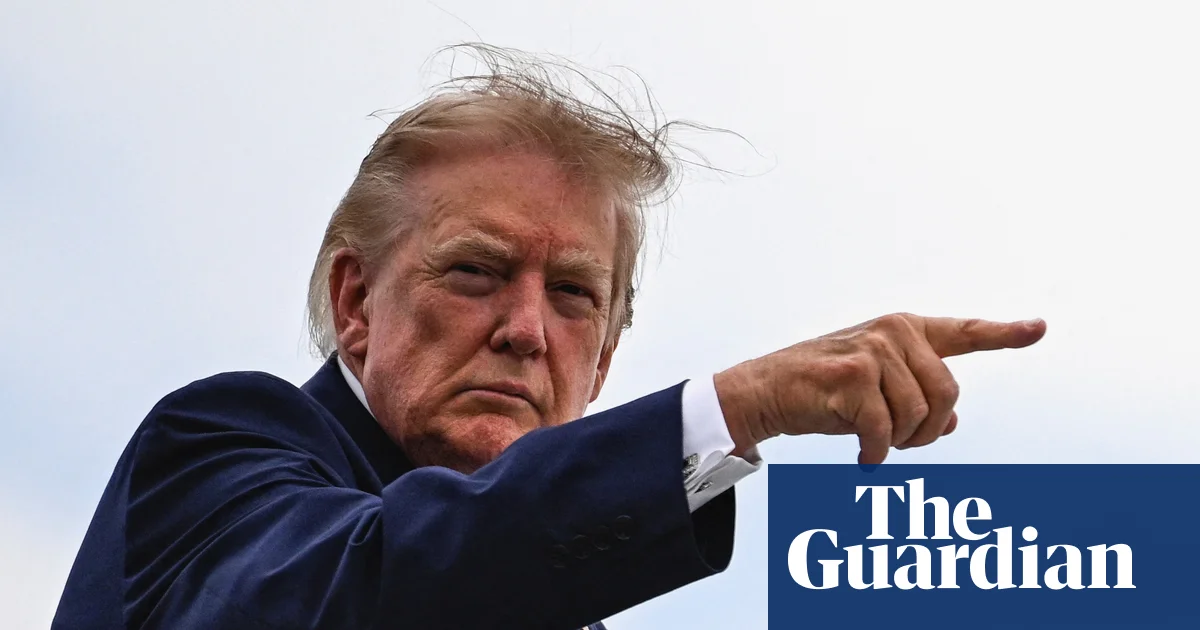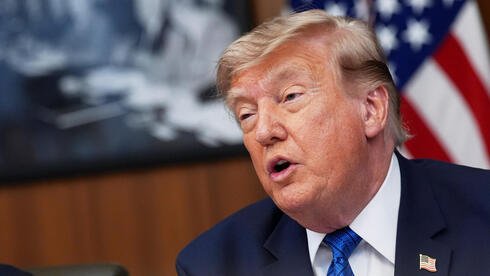
Trump said aboard Air Force One that Saudi Arabia, the UAE and Qatar had urged him to call off the Iran strike; he said the US had been ready to proceed but paused at its allies’ request, and predicted a deal on Iran’s nuclear programSpeaking to reporters aboard Air Force One overnight Sunday, Trump said negotiations with Iran would formally resume Monday afternoon.GalleryUS President Donald Trump speaks to reporters aboard Air Force One overnight (Photo: Jacquelyn Martin/AP)Asked what had prompted him to cancel the planned strike, Trump said Saudi Arabia, the United Arab Emirates, Qatar and Iran had urged him not to proceed.He said the United States had been fully prepared to launch a massive attack, but that requests from allied countries led him to pause because they believed an agreement was within reach.He added that the United States was waiting to see what would happen and remained capable of acting at any time. He said the three main Gulf states had asked Washington not to proceed and that Iran had also strongly pressed for a deal, though he noted that Iranian officials sometimes later deny having made such requests.Trump said the negotiations would begin Monday afternoon but provided no details about where they would be held or who would take part.He said he hoped the talks would succeed because an agreement could save many lives.Trump said the United States had prepared what he described as the largest attack since World War II and that it would have been devastating for Iran.He added that Iran and Saudi Arabia had opposed the strike because they believed a deal was close, including an agreement involving the Strait of Hormuz and, ultimately, Iran’s denuclearization.Trump’s post announcing the cancellation of the attack (Truth Social)Asked whether Iran faced a deadline for reaching an agreement, Trump declined to provide one.He said the United States would wait to see how the talks developed and remained ready to strike at any time. He added that he preferred reaching a deal because he did not want people to be killed.Trump said he had asked Saudi Arabia’s leadership whether it would prefer an agreement or a U.S. attack.According to Trump, Saudi leaders told him they favored a deal because the consequences of military action were unpredictable.Trump announced early Sunday that he had canceled a planned U.S. strike on Iran after Tehran and other Middle Eastern governments asked him to refrain from military action and said the outlines of a possible agreement had been reached.Trump said the emerging understandings were expected to include the “immediate, complete and total” reopening of the Strait of Hormuz and an end to what he called Iran’s nuclear threat.Trump wrote that he had agreed to call off the attack in response to the request, saying the decision served the world’s future interests and the survival of a successful and prosperous Iran, provided a deal could be reached quickly.He also said Israel had agreed to refrain from military action for the time being and had joined the commitment, while urging the parties to begin work and complete the effort.No details have been released about any agreed terms, a timetable for the negotiations or what Iran and the United States would receive under a possible deal.Trump’s assertion that Saudi Arabia, the UAE and Qatar asked him to cancel the attack contradicts a Wall Street Journal report published Sunday that said the UAE had urged the president to carry out a broad strike, according to senior Gulf officials familiar with the discussions.Trump and bin Salman (Photo: Win McNamee/Getty Images)His remarks, however, support an Associated Press report that Saudi Crown Prince Mohammed bin Salman had worked behind the scenes to prevent the attack.According to the reports, bin Salman spoke with Trump and expressed concern that a U.S. strike on Iranian energy facilities could lead to retaliatory attacks against oil and gas infrastructure in Saudi Arabia and other Gulf states.Qatar, the UAE, Turkey and Pakistan have also worked in recent days to promote de-escalation and a resumption of negotiations.Iranian Foreign Minister Abbas Araghchi held telephone calls Sunday with Saudi Foreign Minister Prince Faisal bin Farhan and Pakistan’s army chief, Gen. Asim Munir, to discuss diplomatic efforts, according to Iranian state media.Iran’s official IRNA news agency also reported that negotiations between Tehran and Oman over the Strait of Hormuz were in their final stages, citing Araghchi.Iranian Foreign Ministry spokesperson Esmaeil Baghaei said the talks were focused on agreeing on a new route through the strait and had “no link to the Strait of Hormuz being opened or closed,” which he described as a separate issue.Iran has largely closed the Strait of Hormuz, which carried about 20% of the world’s oil and liquefied natural gas before the war. The disruption has driven up energy prices and fueled broader inflation.Trump has argued that his goal of preventing Iran from obtaining nuclear weapons justifies higher fuel costs in the short term, but the economic fallout has increased political pressure on him to end the conflict.Oil prices fell more than 4% in early trading Monday.Israel’s energy minister, Eli Cohen, a member of Prime Minister Benjamin Netanyahu’s security Cabinet, said Israel and the United States were maintaining close security and intelligence coordination over developments in the region.But he warned that Israel would act independently if Iran tried to rebuild its nuclear or ballistic missile programs.“With or without an agreement, and regardless of any external commitments, if Iran attempts to renew its nuclear program or advance its ballistic missile industries, we will be there,” Cohen said. “We will take action, and we will strike.”Trump and Netanyahu met Tuesday in Washington, where an Israeli official said they discussed all possible ways to curb Iran’s nuclear program, including diplomacy, economic pressure and military force.Iran denies that it is seeking a nuclear weapon.
Trump: Hormuz deal reached, Iran talks to resume Monday afternoon
Trump said aboard Air Force One that Saudi Arabia, the UAE and Qatar had urged him to call off the Iran strike; he said the US had been ready to proceed but paused at its allies’ request, and predicted a deal on Iran’s nuclear program
962 words~4 min read