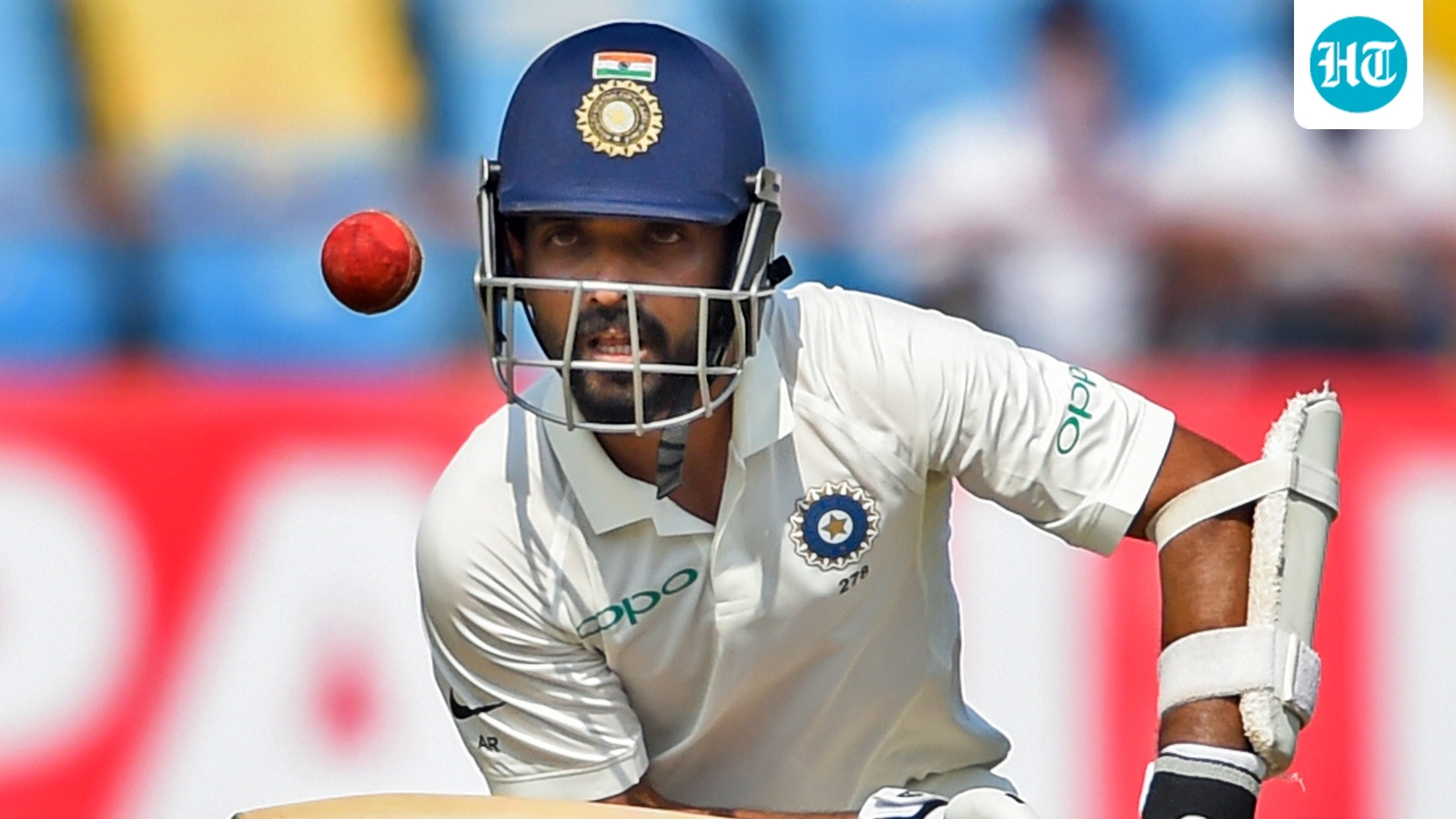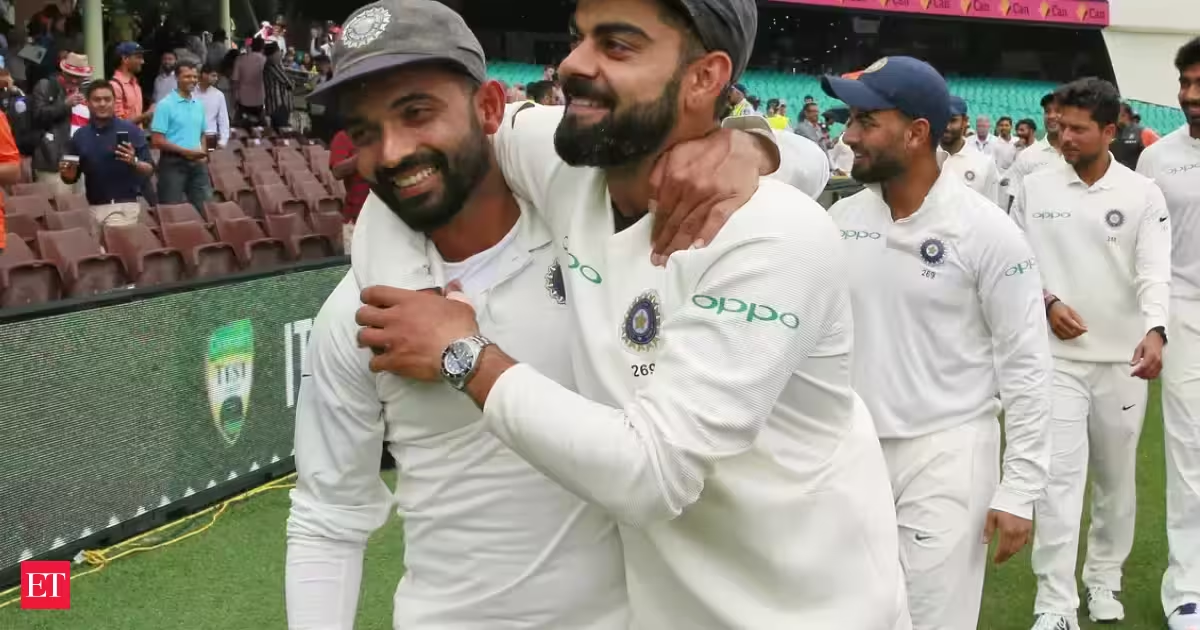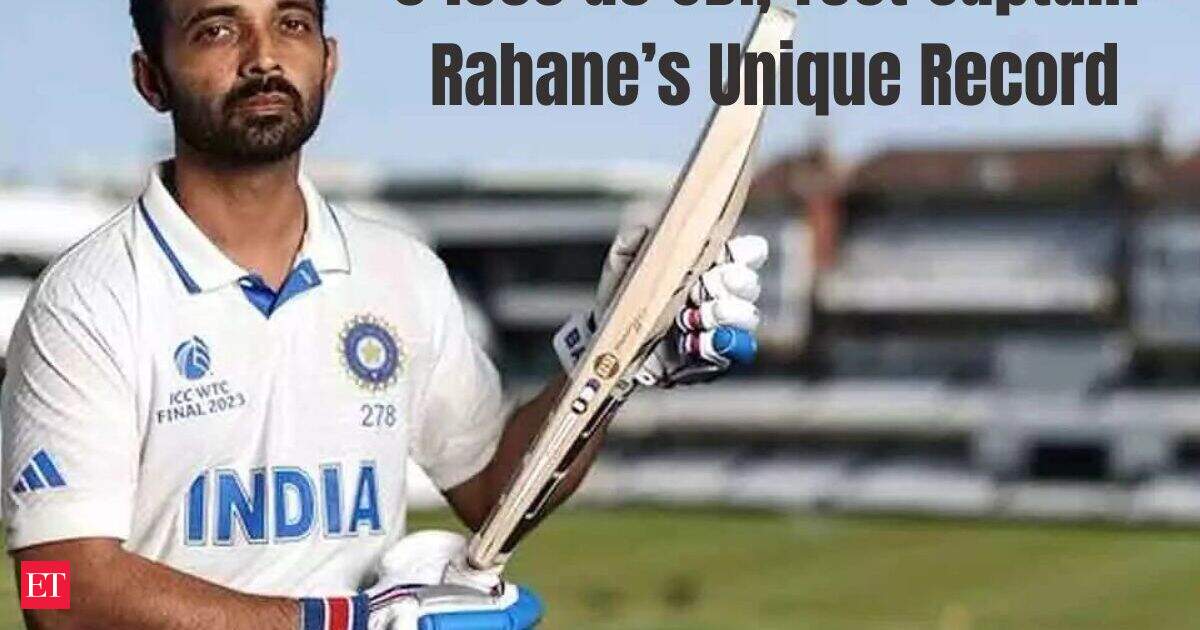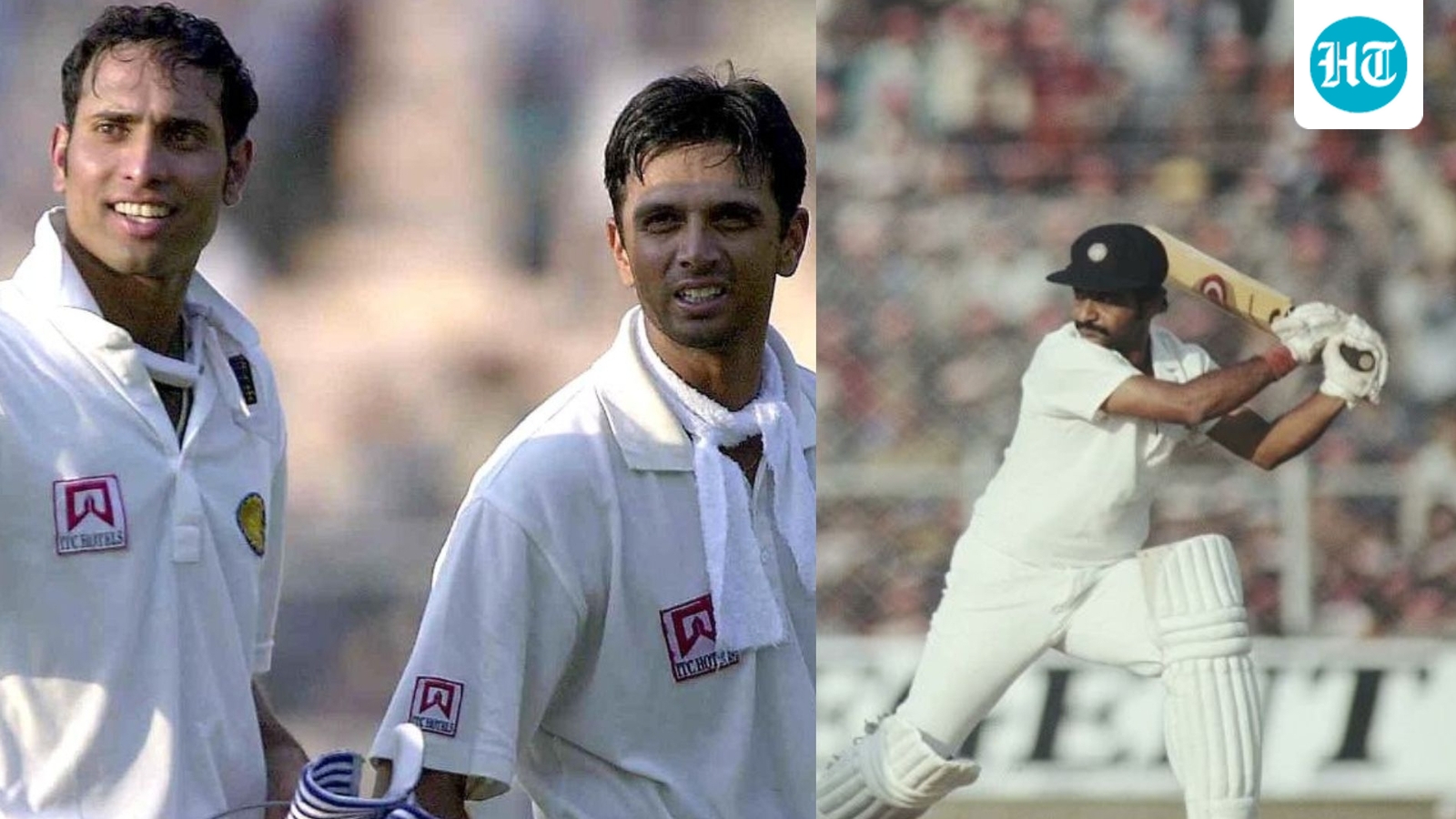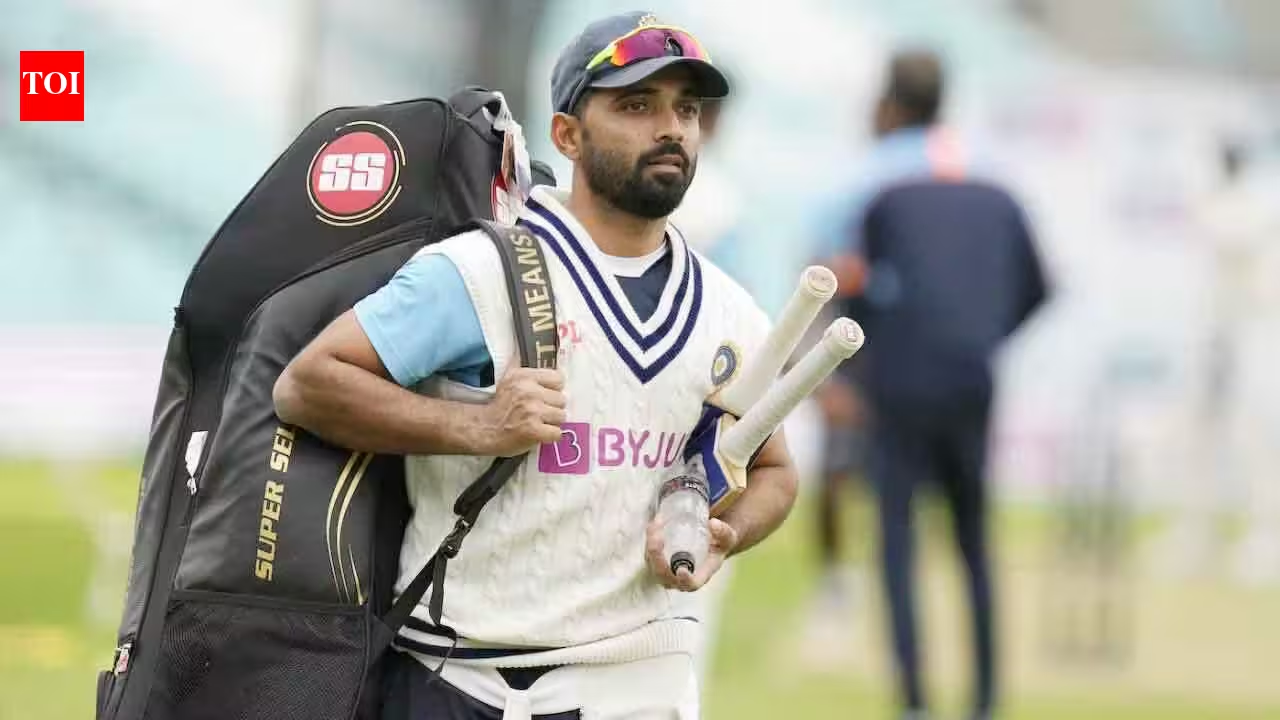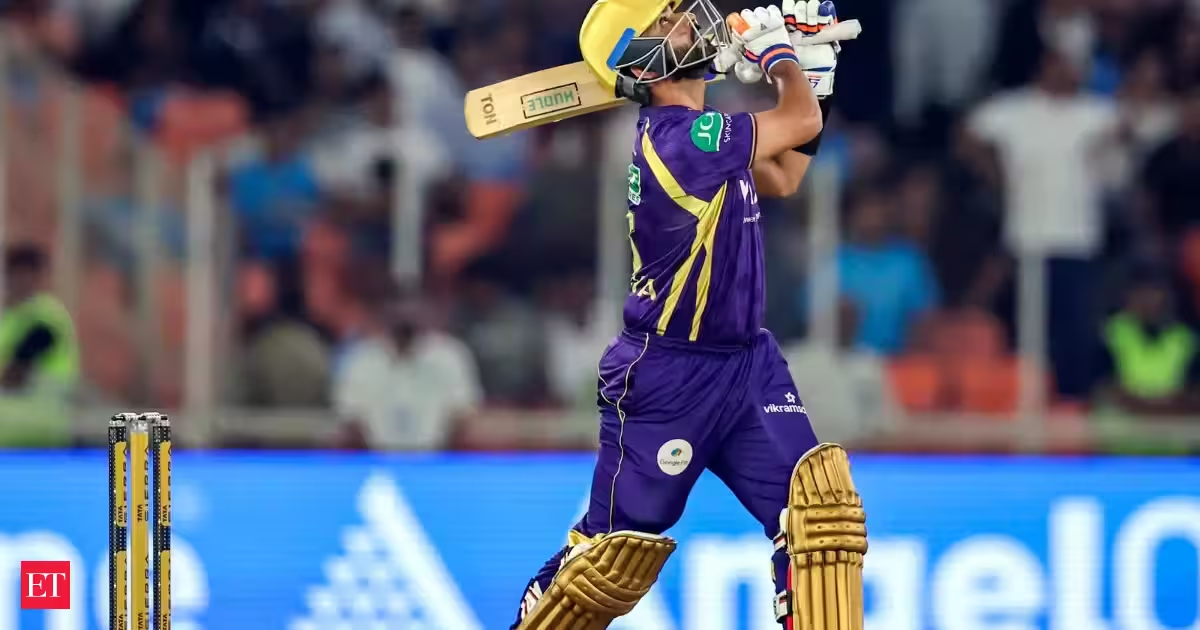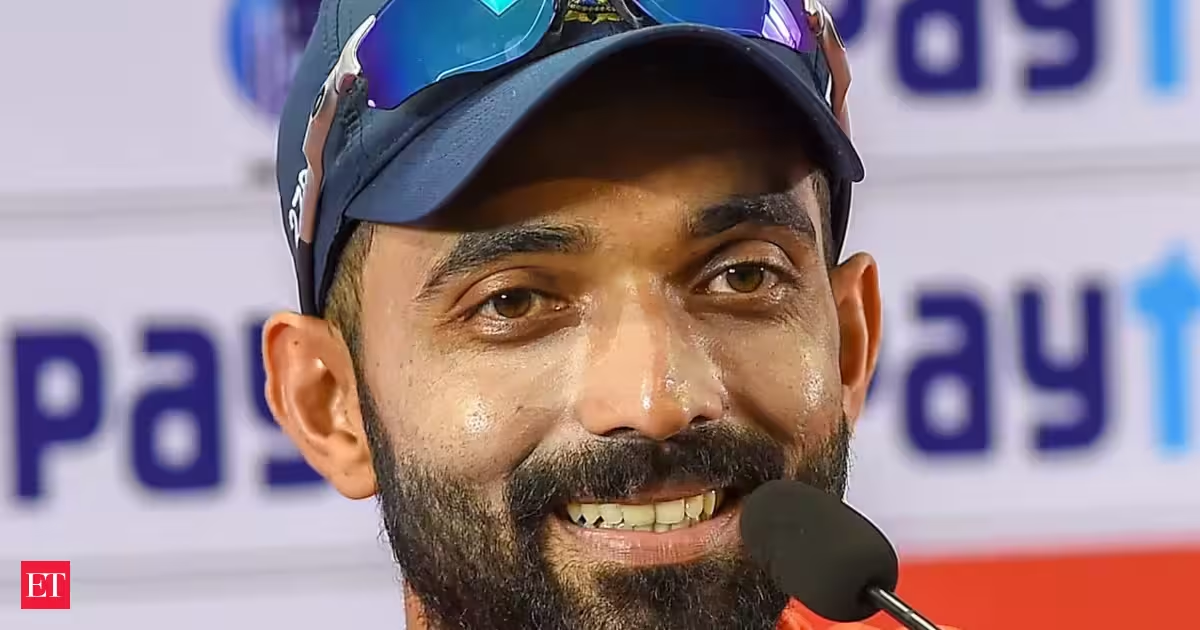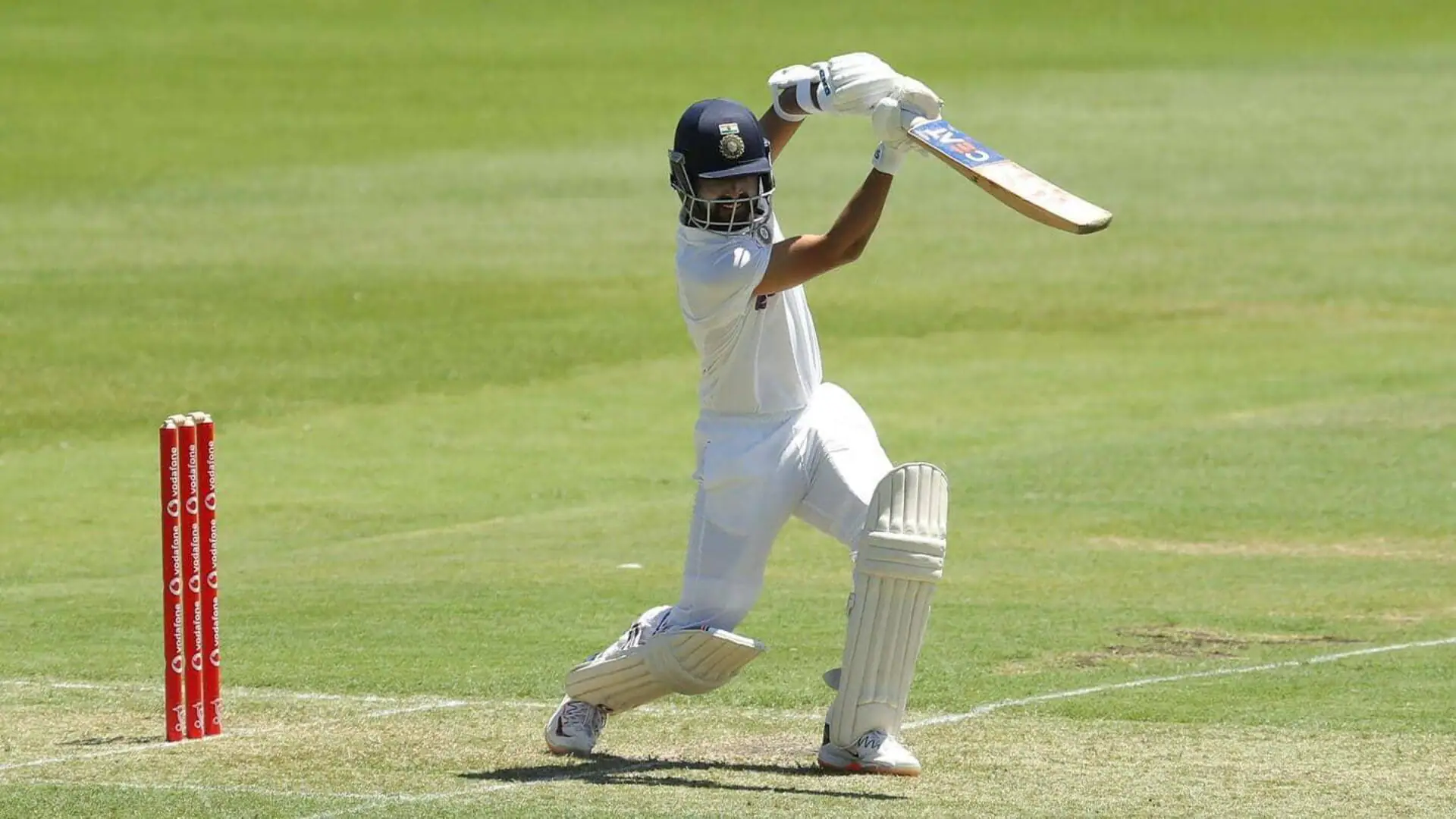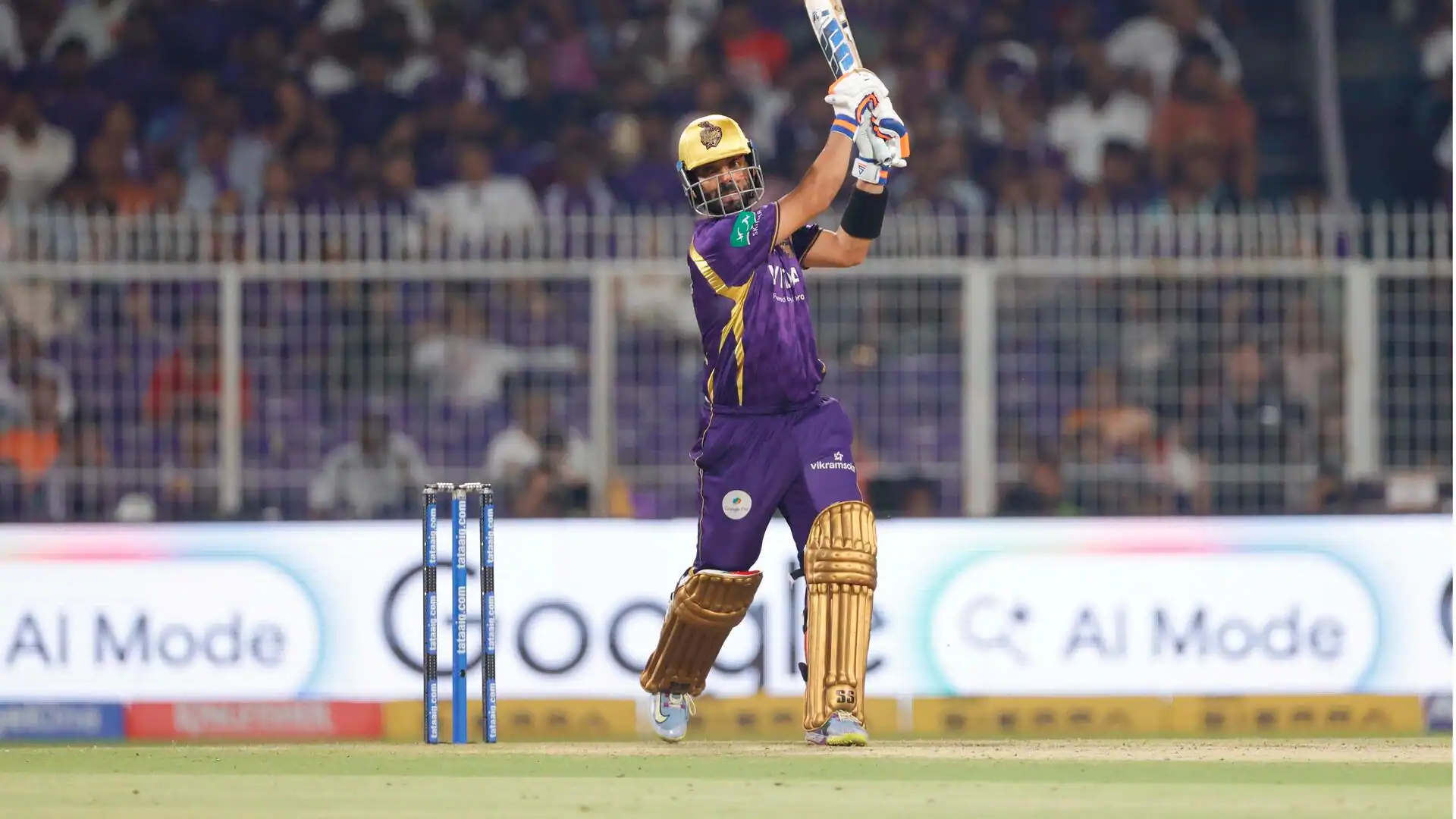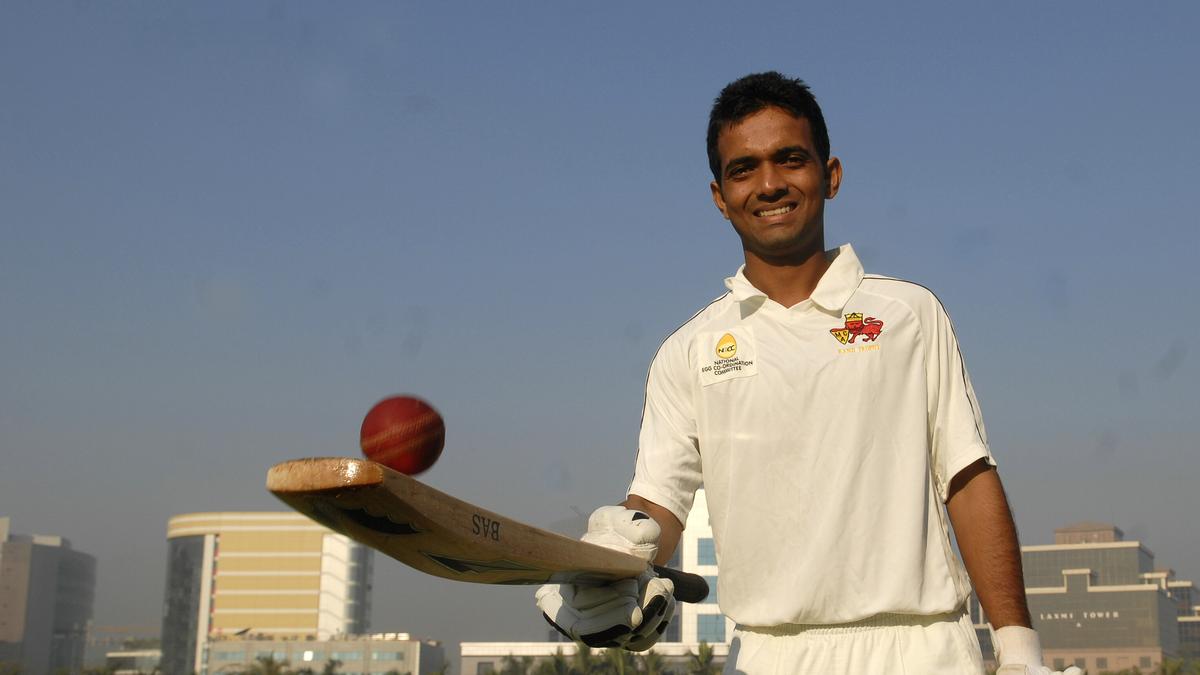
Michael Atherton is regarded as the greatest English opening batter of his generation, almost a natural successor to that other wonderfully accomplished technician who also hailed from the north of the country and who will rank among the top openers of all time, Sir Geoffrey Boycott.Earmarked for the English captaincy from very early in his career – remember the famous FEC (Future England Captain)? – the Lancastrian was a grand mixture of technical expertise and remarkable concentration. He was a pleasing stroke-maker, without a doubt, but stroke-making won’t be the first thought when one hears the name Michael Atherton.At a time when English batting was desperate for solidity at the top of the order, Atherton loomed as the panacea, his unflappability instilling a sense of calmness and confidence within the batting groups. In a career spanning 115 Tests, the currently 53-year-old articulate and understated commentator and analyst produced numerous fantastic essays, as is to be expected. It is his highest Test score, however, that is still spoken of with awe and reverence, not just by those privileged to watch it first-hand or those who saluted his commitment on television, but even by those of succeeding generations who might not have seen him negotiate even a single ball during his long stint at the crease.The epic unfolded at the Bullring that the New Wanderers in Johannesburg goes by. And make no mistake, it truly is an amphitheatre. Even without a single bum on the seats beyond the boundary buntings, Wanderers can be an intimidating stage. Standing in the middle, with neither bat nor ball in attendance, you can feel the stands closing in, the heat rising to your face, hands suddenly clammy and the heart beating at the rate of knots. One can only imagine what it must be like to take guard, gladiator-like, with Allan Donald and Meyrick Pringle and Brian McMillan and a very young Shaun Pollock chomping at the bit, desperate to have a go.The first Test of the five-match series in 1995-96, in Centurion, had ended in a tame draw with not a ball bowled on the last three days. Pollock, on debut, had provided glimpses of his extraordinary talent with three for 98 from 29 overs while Atherton, the captain, ground out a five-and-a-half-hour 78 in England’s 381 for nine declared.South Africa called the shots in Johannesburg, Pollock’s three for 44 earning them a 132-run lead which they increased to 478 at which point Hansie Cronje decided he had enough runs, and time, to force a 1-0 advantage. England had to bat out the better part of two days to secure a draw – a tilt at a record target was out of the equation – and the odds heavily favoured the hosts, but no one had told Atherton that.He wasn’t just obdurate defence. By his own admission, for the first time in his Test career, which was into its seventh year at the time, he felt he was in ‘the zone’, that elusive and intangible state that sportspersons strive for with limited success. He played the hook and the pull – horror, horror – and one ball after being dropped on 99 by Gary Kirsten off ‘White Lightning’ Donald, it was the hook that took him to three-figures. Atherton wasn’t done; the skipper was unconquered and unbowed at the end, unbeaten on 185 — in nearly 11 hours (643 minutes) – after negotiating 492 deliveries in the first of several grand tussles with Donald to shepherd his team to an honourable draw.This would remain the defining innings of Atherton’s career, one that catapulted him to English folklore. And yet — we say this with no disrespect — Atherton finished his career with no more than a middling average of 37.69. And 16 hundreds from 212 innings.Perceptions varyIt’s amazing how perceptions vary depending on so many different factors, not least recency bias which might cloud a forensic audit of Ajinkya Rahane’s international career in general, and his Test record specifically. Like Atherton, Rahane – who led India six times in Tests, almost entirely by default – also finished with an average of less than 40 (38.46, superior by more than half a run per innings to Atherton) but where the Englishman is hailed and eulogised, the stylish Mumbaikar leaves behind a feeling of what-if. What if he had converted even a quarter of his (26) half-centuries into hundreds? What if he had sometimes been a little more selfish? What if he had been a little less flamboyant? What if he didn’t have to perform in the towering presence of Cheteshwar Pujara and Virat Kohli? What if…?
Ajinkya Rahane — The eternal crisis-man with a penchant for the big stage
Explore Ajinkya Rahane's remarkable cricket journey, balancing crisis moments with unforgettable performances on the sport's biggest stages.
1,828 words~8 min read