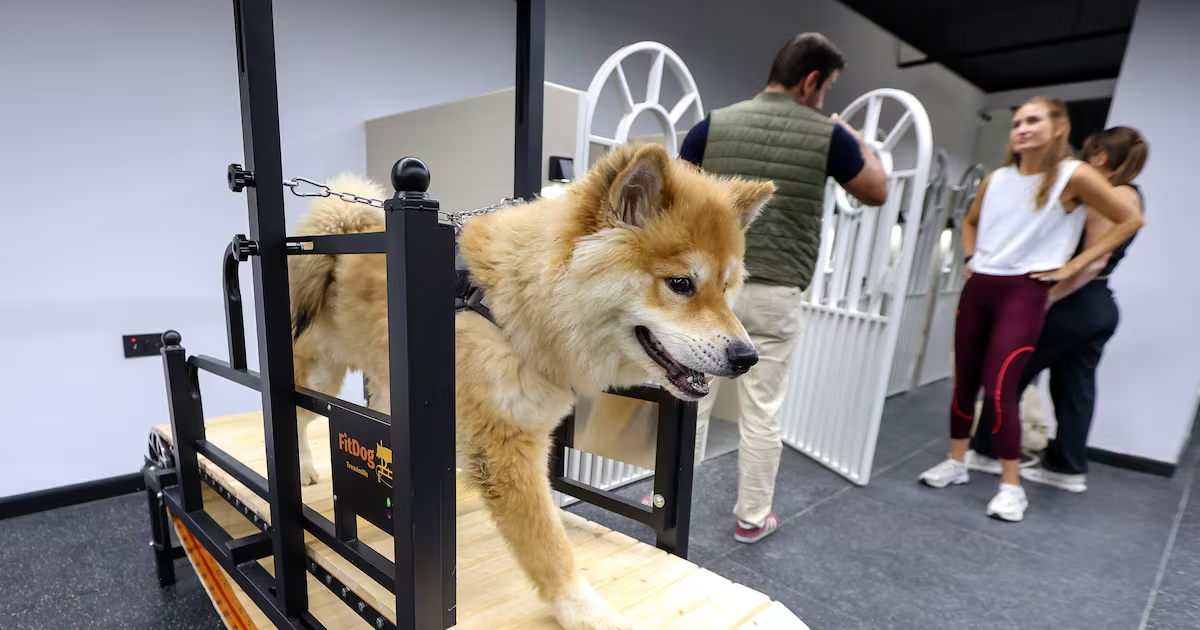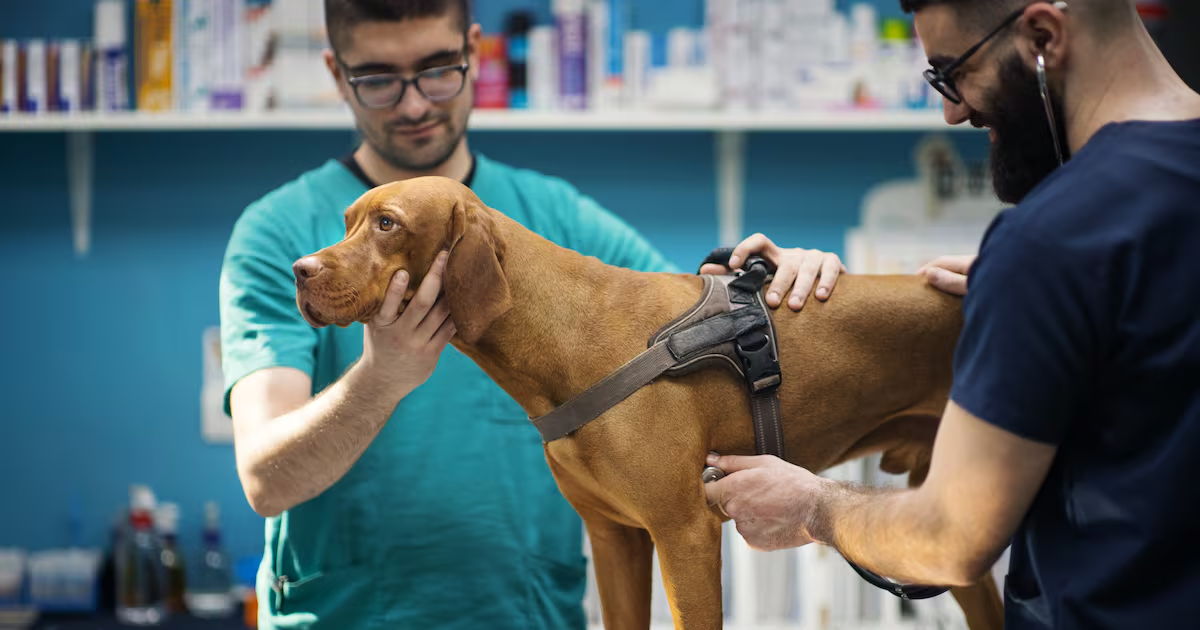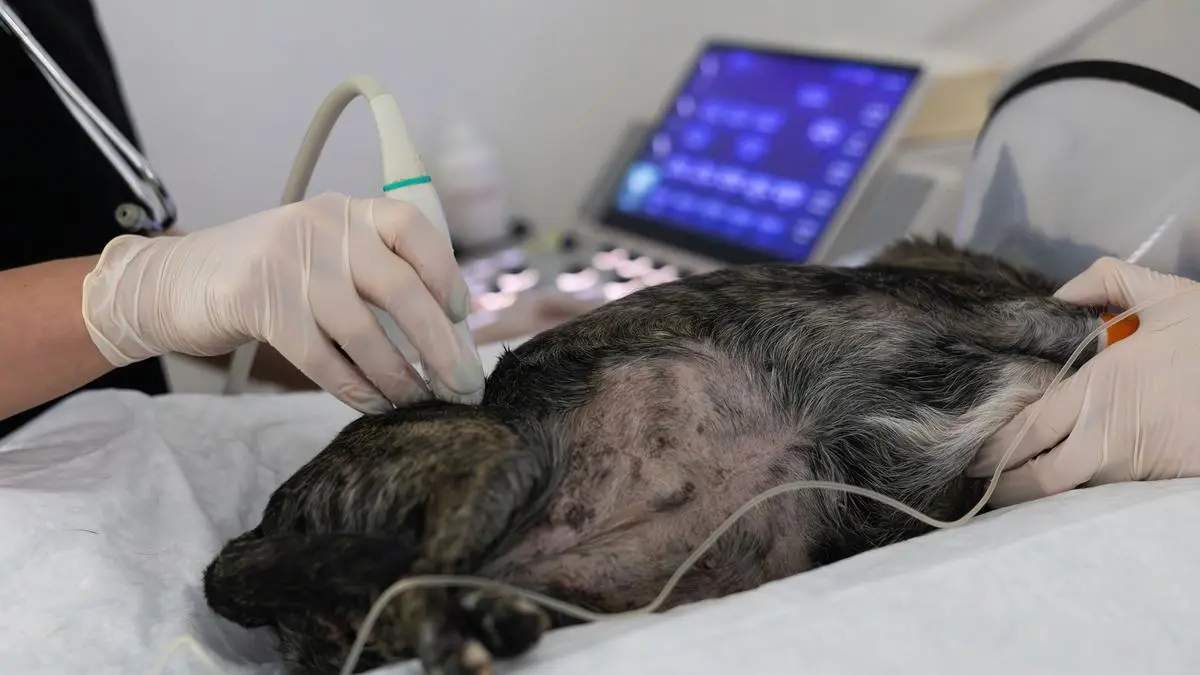
For Lahari Basu, the transition from a pet owner to a pet parent happened with a ₹1.2-lakh hospital bill.About 18 months ago, Cleo, her three-year-old Golden Retriever, developed a severe stomach ailment that required prolonged hospitalisation. The unexpected expense became a turning point. Soon after, Basu bought health insurance for both Cleo and Venus, her other retriever. Today, she pays an annual premium of about ₹1,650 for coverage up to ₹2 lakh, including hospitalisation, surgeries, OPD consultations, emergency care and vaccinations, along with discounted medicines and online veterinary consultations.“It’s better to be prepared than caught off-guard by a medical emergency,” she says.Pet owners increasingly treat their furry companions as family members, and this influences not just how much they spend on them, but also what they spend on.The first wave of India’s pet economy boom was driven by food, treats, grooming and accessories. The next is marked by preventive healthcare, diagnostics, insurance and wellness.“Pet owners are becoming far more diligent, conscious and proactive,” says Neha Singh, co-founder of private market data platform Tracxn.Preventive careMuch like human healthcare, pet care is evolving from treating illness to preventing it.“We’re seeing it clearly in nutrition supplements, which are among our fastest-growing categories, and in diagnostic visits that aren’t emergency-led. That awareness simply didn’t exist five years ago,” says Vineet Khanna, co-founder of Supertails, a Bengaluru-based pet-care startup running an online pet supply store and pharmacy, and offline veterinary clinics. Nearly 30 per cent of visits to the company’s network of clinics is preventive in nature.Zigly Pet Care is an omnichannel platform offering veterinary care, grooming services, and online and offline stores for pet products. It sees nearly 30 per cent of customers opting for diagnostic investigations beyond a routine consultation, while surgeries account for roughly 15 per cent of overall services.These changes are prompting startups to build integrated pet healthcare ecosystems that combine consultations, diagnostics, pharmacies, clinics, wellness programmes and, eventually, insurance.Holistic careSupertails currently operates over 12 clinics in Bengaluru and plans to add eight more by the year end. It reported revenue of ₹113.3 crore in FY25.Vetic, a veterinary clinic chain, posted revenue of ₹66.6 crore during the year as it expands its footprint and focuses on preventive healthcare.Pet-care companies are also experimenting with ways of monetising preventive care.“The preference between pet insurance and subscription-based preventive care plans isn’t really an either-or. Both will grow, but at different speeds and for different reasons,” says Gaurav Ajmera, Founder and CEO of Vetic.He foresees wellness subscriptions gaining more traction because they offer pet parents regular access to vaccinations, routine check-ups and other preventive care at a fixed cost. Insurance, on the other hand, will take longer to catch on with growing awareness.Investors, too, view pet healthcare as a business model distinct from traditional pet commerce.“Healthcare is no longer viewed as an emergency expense but a regular investment,” says Dr Madhurita Gupta, Founder of Goa Angel Network and Partner at Beyond Seed, Dubai. It creates recurring customer relationships rather than one-time transactions, leading to more predictable revenue streams.Indian pet-care startups have cumulatively raised around $340 million since 2019, according to Tracxn, with funding peaking at nearly $80 million in 2024. Diagnostics, however, account for less than one per cent of investor interest.“Integrated healthcare platforms are generally better positioned to retain customers over longer periods than businesses focused solely on pet product commerce,” says Singh.Global playbookGlobally, mature markets such as the US have built pet healthcare ecosystems around insurance, speciality hospitals and advanced diagnostics. India, Gupta believes, will follow a similar path.“Global investors certainly see India as a promising long-term opportunity, but are waiting for the ecosystem to mature,” she says. She expects the country’s pet-care industry to leapfrog through affordable diagnostics, telemedicine, portable imaging and technology-led preventive care.Insurance, too, is likely to evolve gradually.“Awareness remains the biggest barrier,” says Khanna. “Insurance — with excess clauses and claims — is still a learning curve.” India’s pet insurance market is currently estimated at $293 million and projected to approach $1 billion by 2033.Ultimately, startups see pet healthcare becoming a lifetime relationship.“Two things decide who owns that journey,” says Khanna. “First, knowing your customer. Second, personalising care because every pet is different — its breed, age, weight, size and temperament.”Published on August 3, 2026
From pet treats to treatment packages
Explore India's evolving pet economy, focusing on preventive healthcare and insurance as pet owners prioritize their furry companions' well-being.
706 words~3 min read