Manual deployments follow a fairly predictable pattern. They work fine until someone on the team pushes a rushed change on a Friday, forgets to run the tests, and the bug hits production while everyone's offline. It's not a discipline problem. It's a process problem. A manual process fails exactly when there's the most pressure for it not to.
GitHub Actions solves that by putting the pipeline inside the repository. There's no separate CI server to maintain, no external integrations to configure. Workflows live in .github/workflows/ and run in response to Git events.
What CI/CD is and what GitHub Actions handles
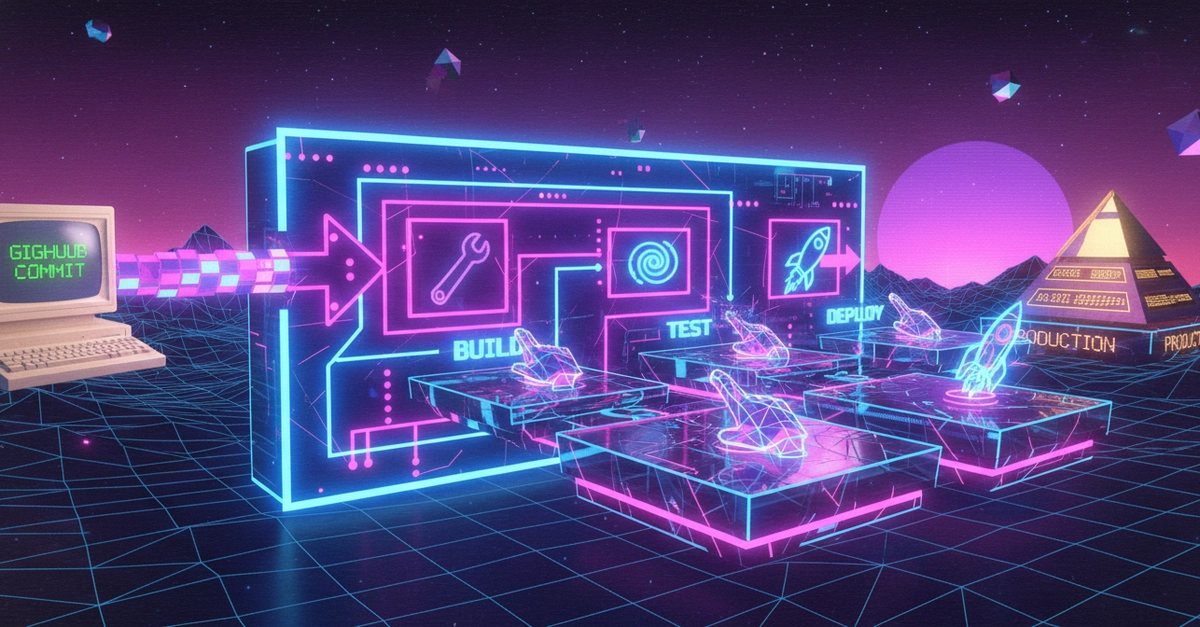
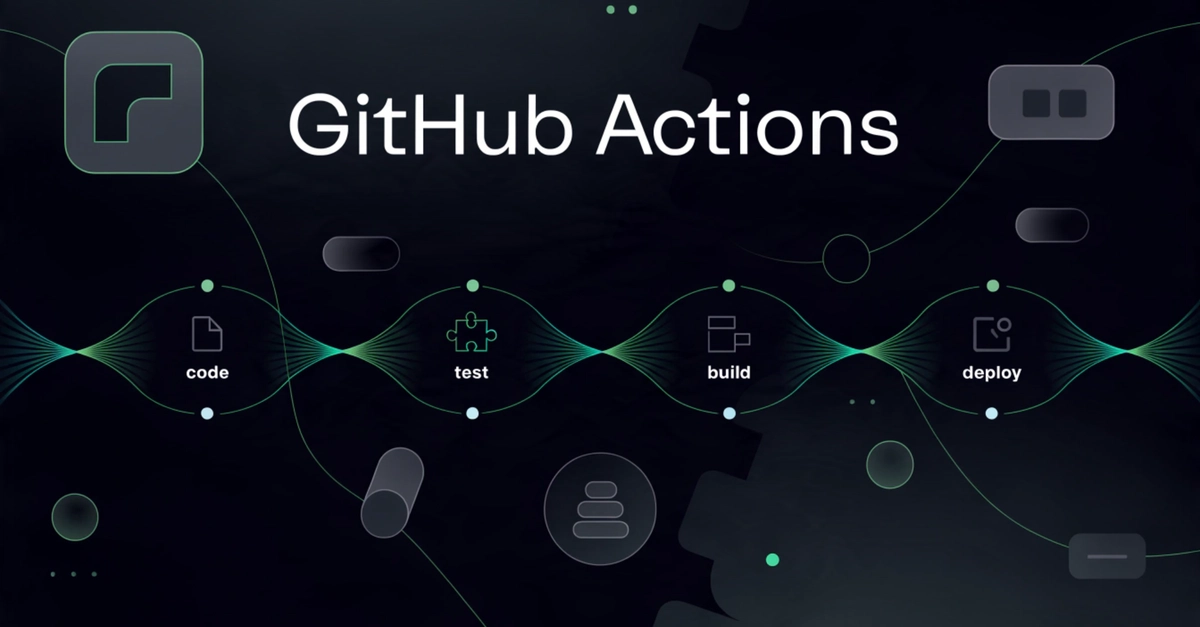
Continuous Integration (CI) is the practice of running tests automatically every time someone pushes code. The goal is catching problems early, when context is fresh and the fix is cheap. Continuous Delivery (CD) is taking that validated code to a staging or production environment without manual intervention.
GitHub Actions can do both. It's an event-driven automation platform: when something happens in the repository, a push, a pull request opening, a tag creation, a cron schedule, the jobs you've defined run.