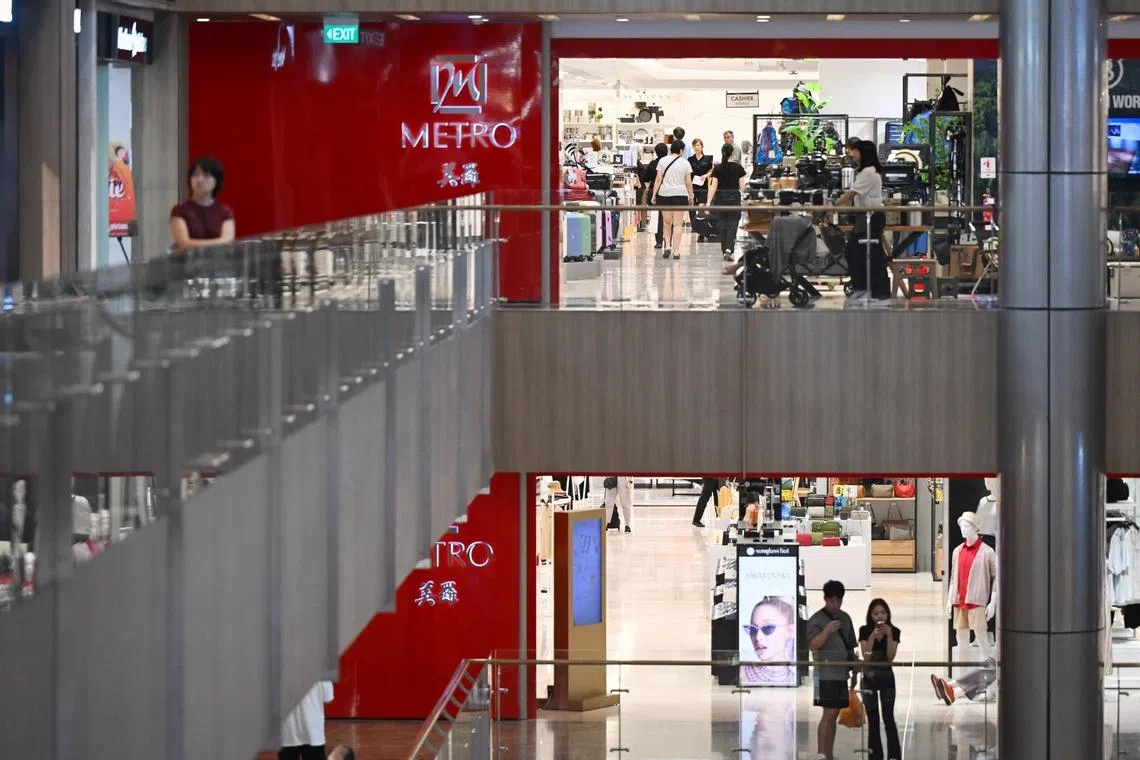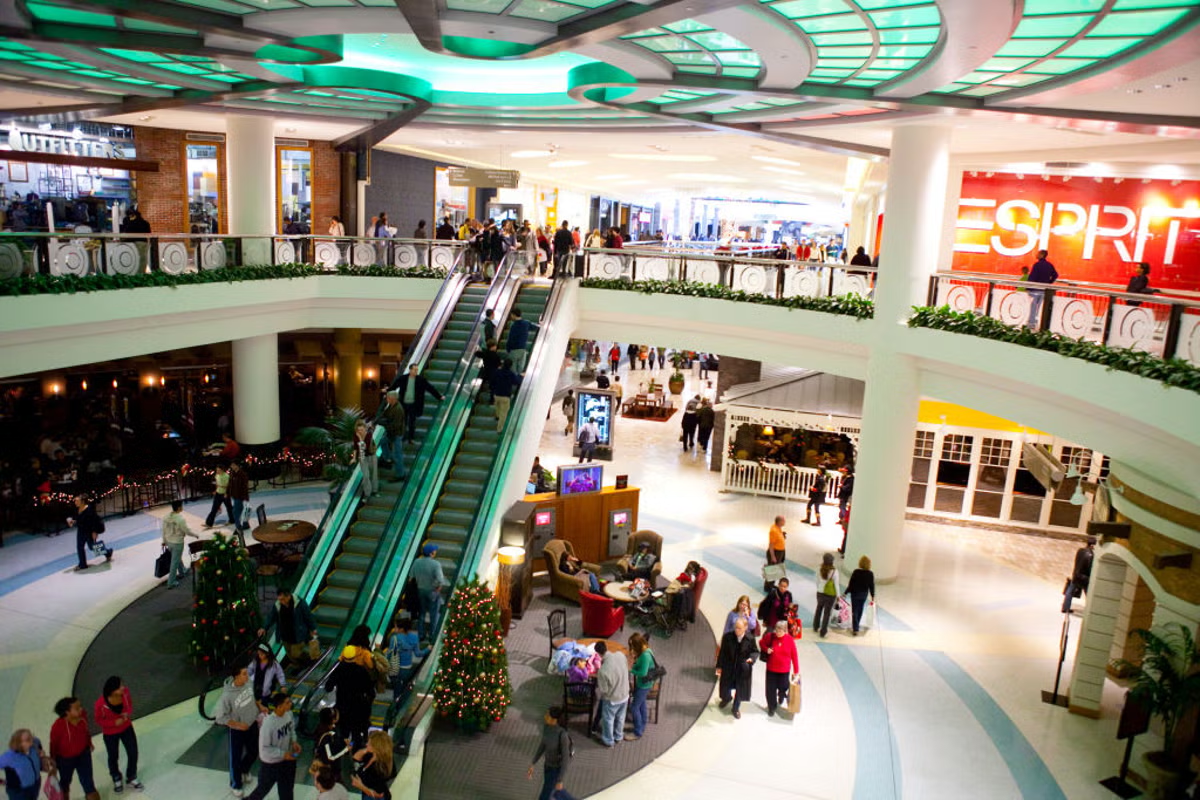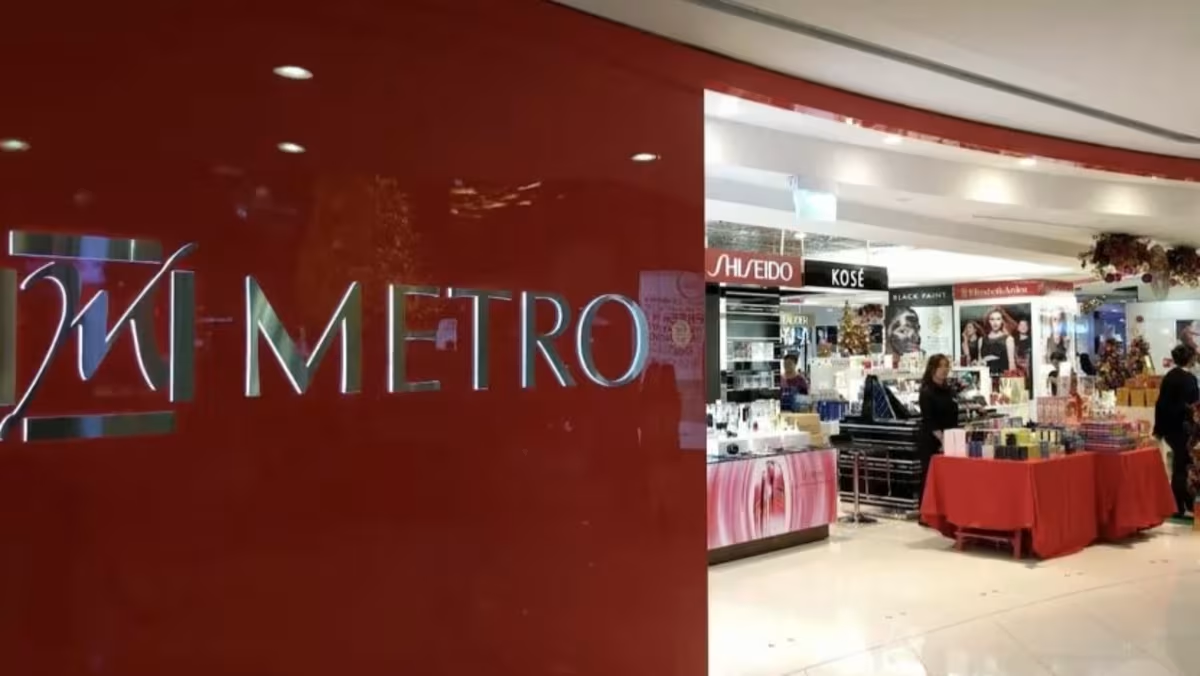
SINGAPORE: In the early days of Singapore’s shopping malls, department stores were often synonymous with the malls they anchored.Say The Centrepoint, and one might think of Robinsons. Or Ngee Ann City, and Takashimaya would come to mind.But with Metro set to leave Paragon and Causeway Point when its lease expires, retail experts said such anchor tenants are no longer the defining draw they once were.Instead of relying on a single anchor tenant to pull crowds, mall operators are increasingly turning to a mix of food and beverage (F&B) concepts, lifestyle brands and entertainment tenants to keep shoppers coming.
The role of anchor tenants has evolved alongside shifts in consumer preferences, said Mr Ervin Yeo, CEO of commercial management at CapitaLand Investment. A mall's success rests on the strength of its overall tenant mix rather than any single tenant, he added.“Singapore shoppers today are more well-travelled and discerning, and are looking for more curated, differentiated and experience-led offerings. Mall operators have also developed the capabilities to curate trade mixes more strategically.”As a result, anchor tenants these days help shape the identity of the mall, rather than act as the primary attraction, he said.ANCHOR TENANTS OF THE PASTAnchor tenants, as their name implies, traditionally hold a mall together, said Dr Chua Yang Liang, head of research and consultancy at JLL Southeast Asia.Department stores, for instance, helped drive foot traffic and a mall's branding.For example, the Japanese department store Yaohan was a key anchor tenant for malls such as Plaza Singapura and Thomson Plaza from the 1970s to the 1990s.