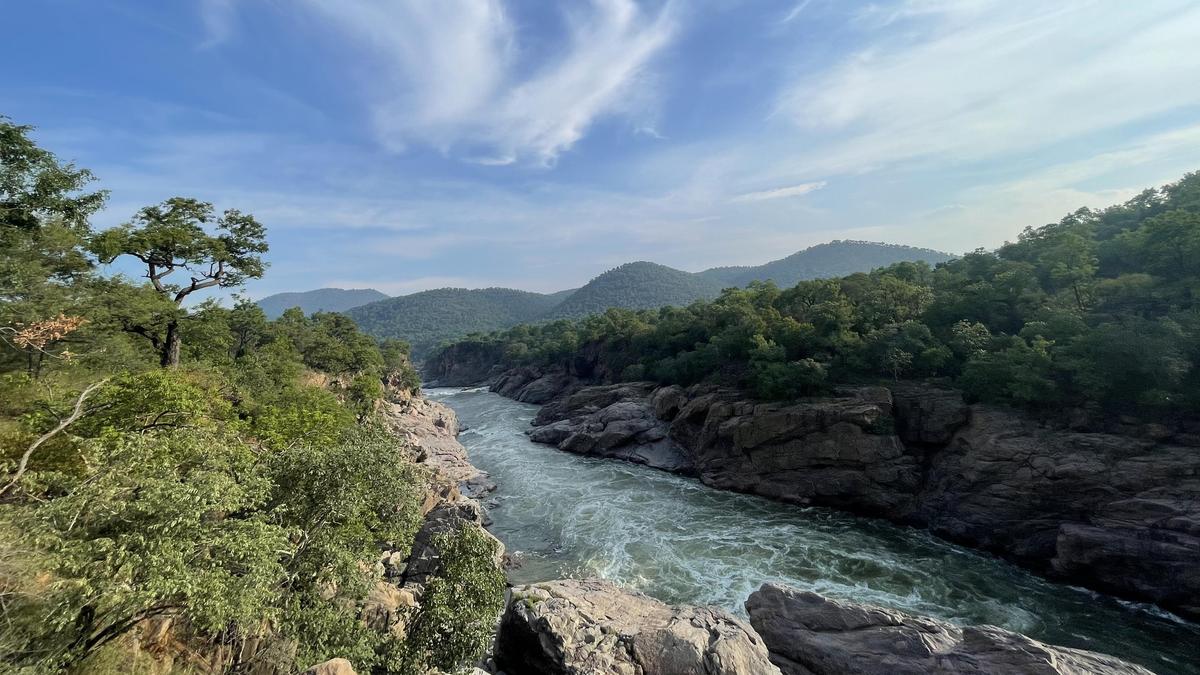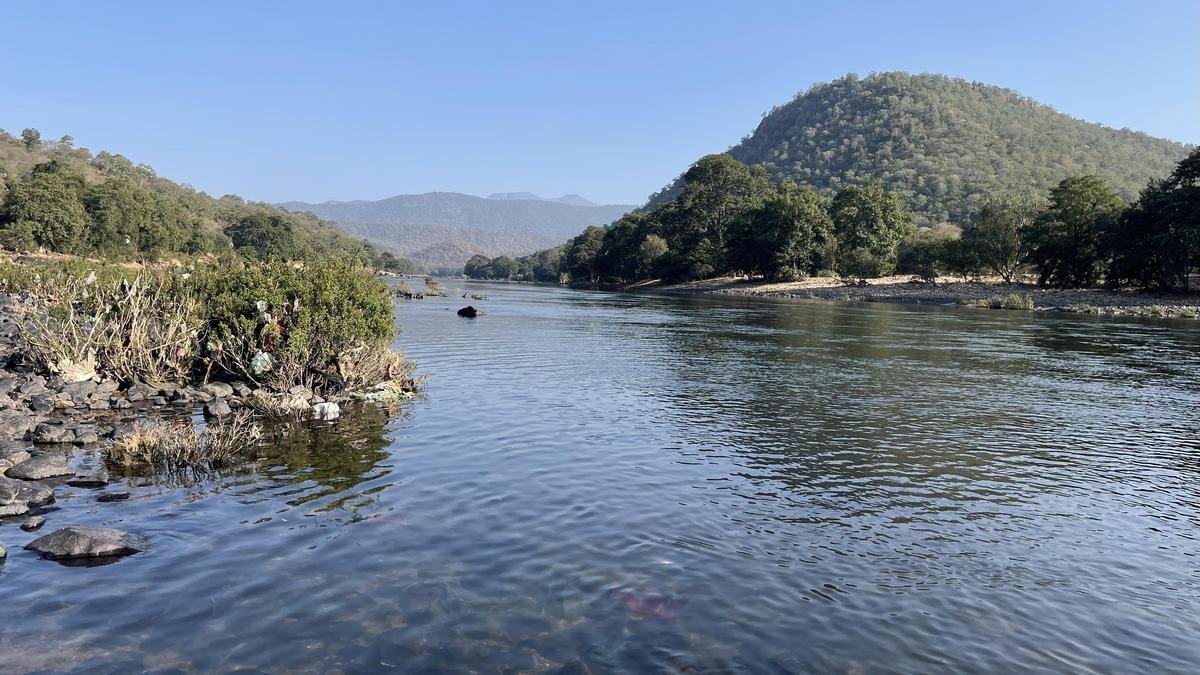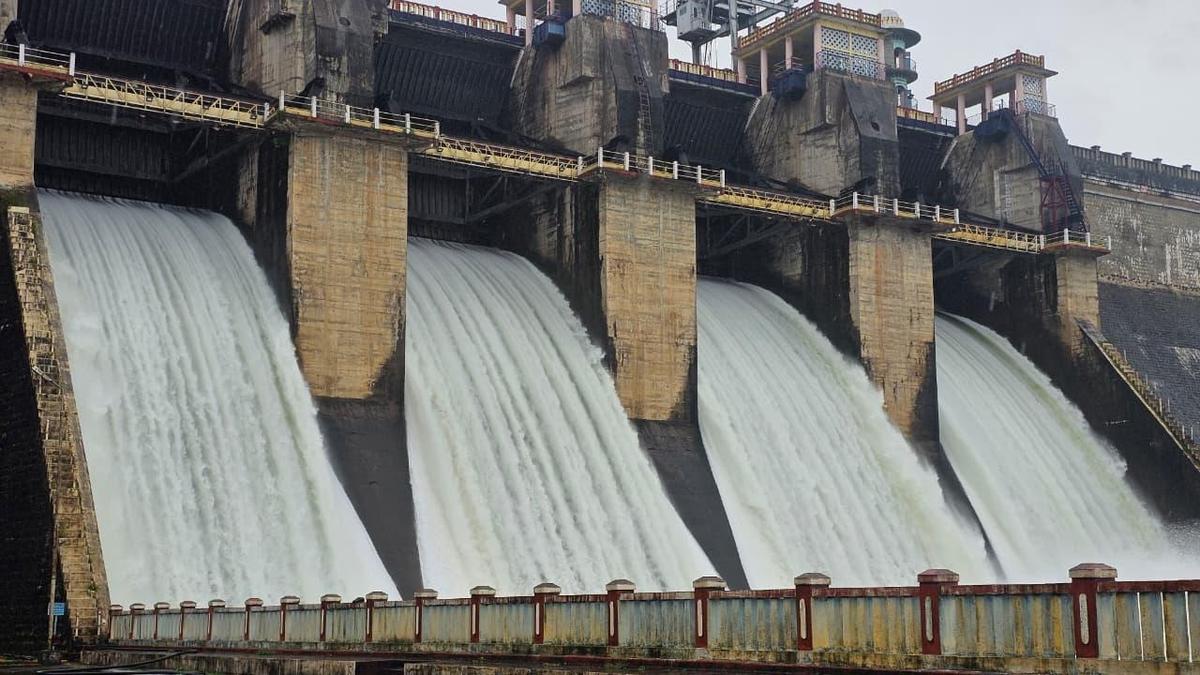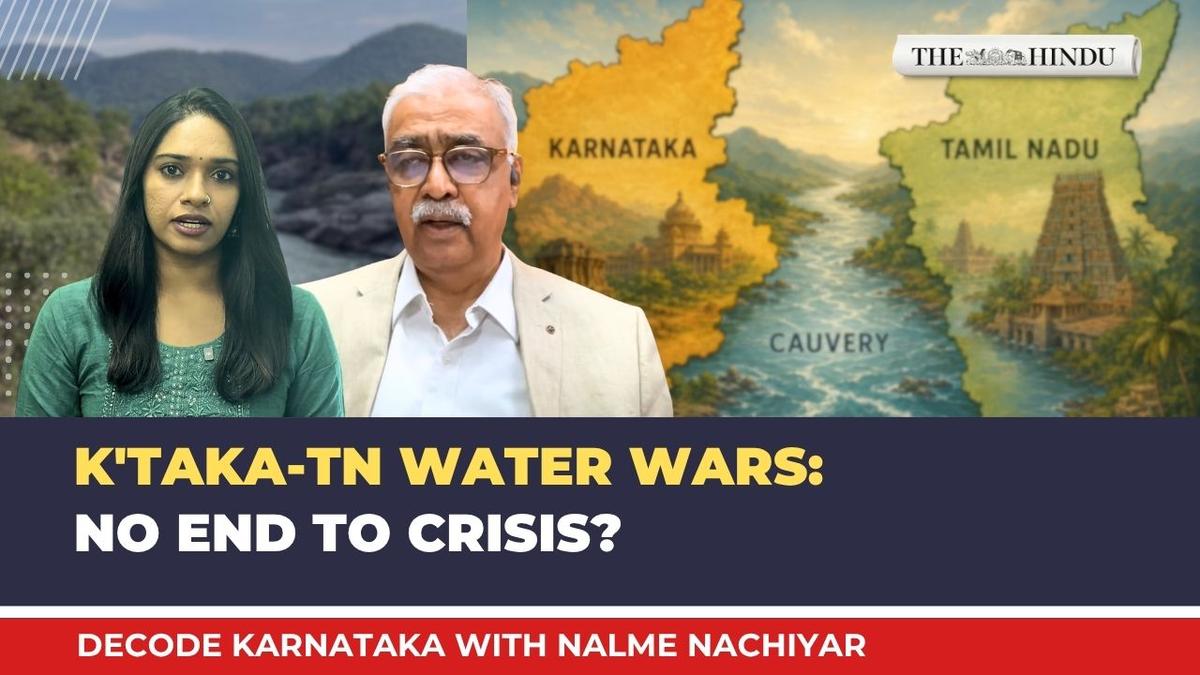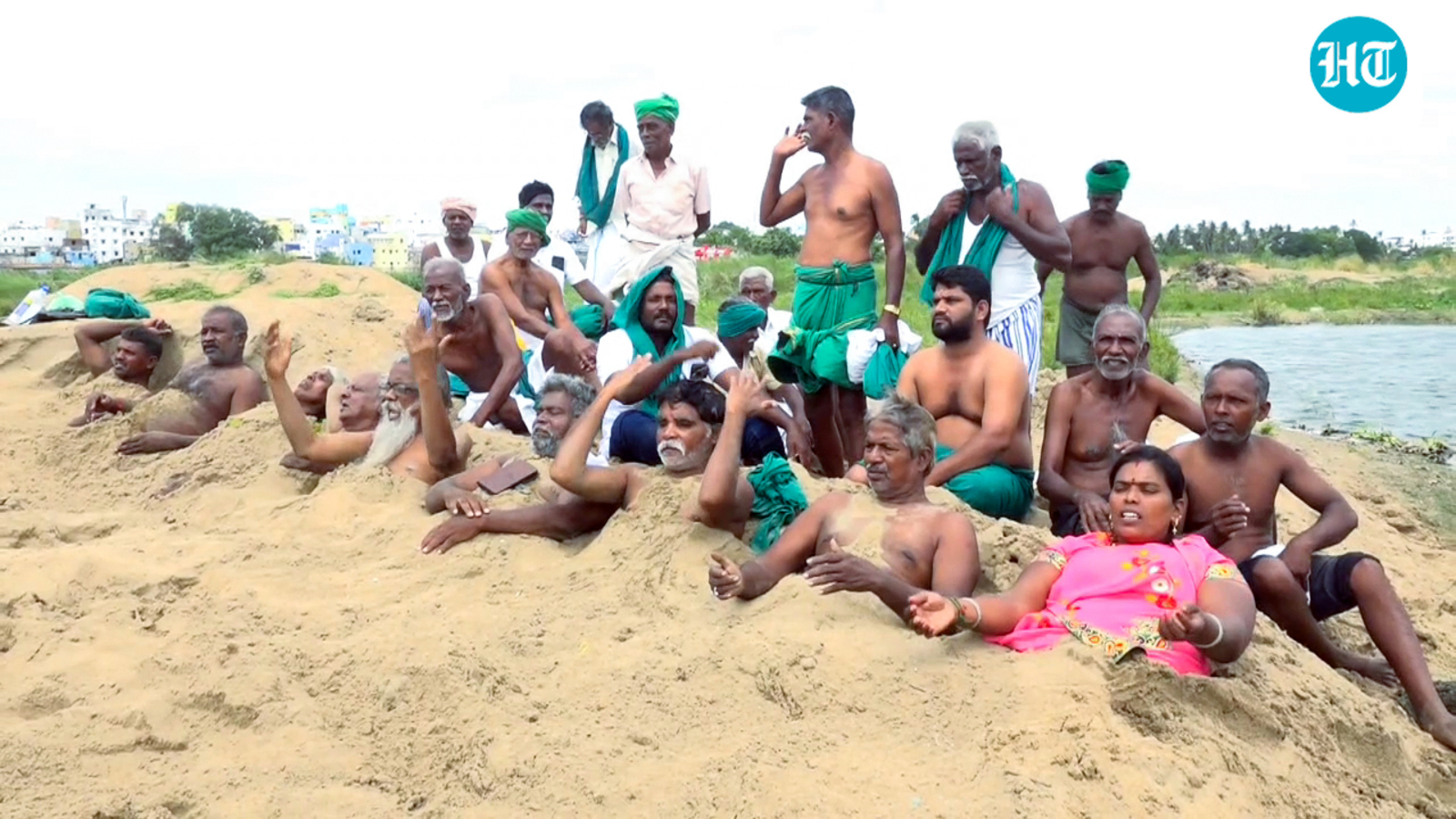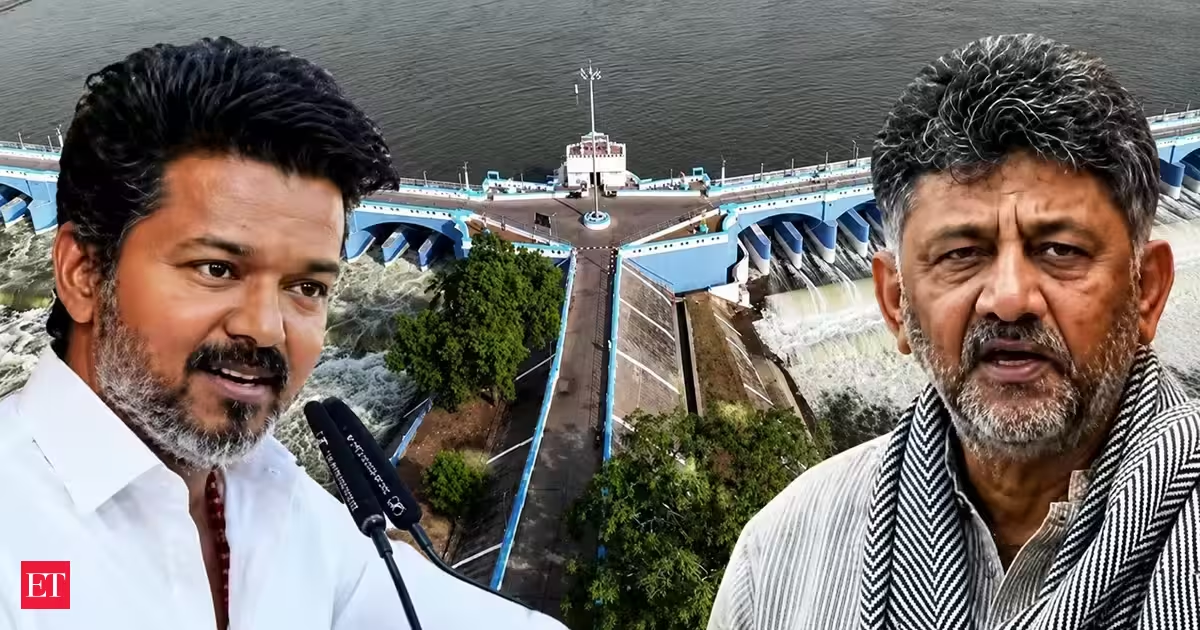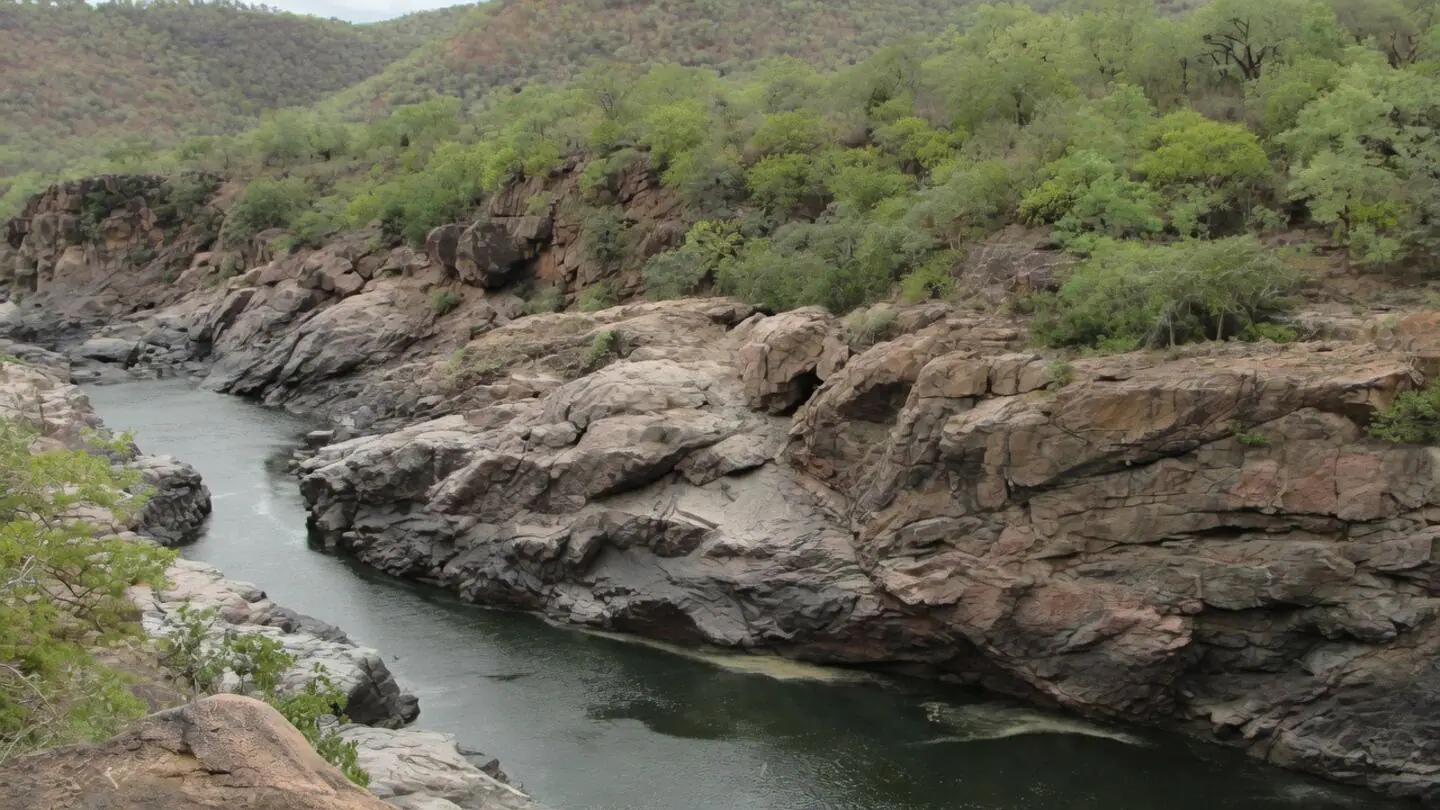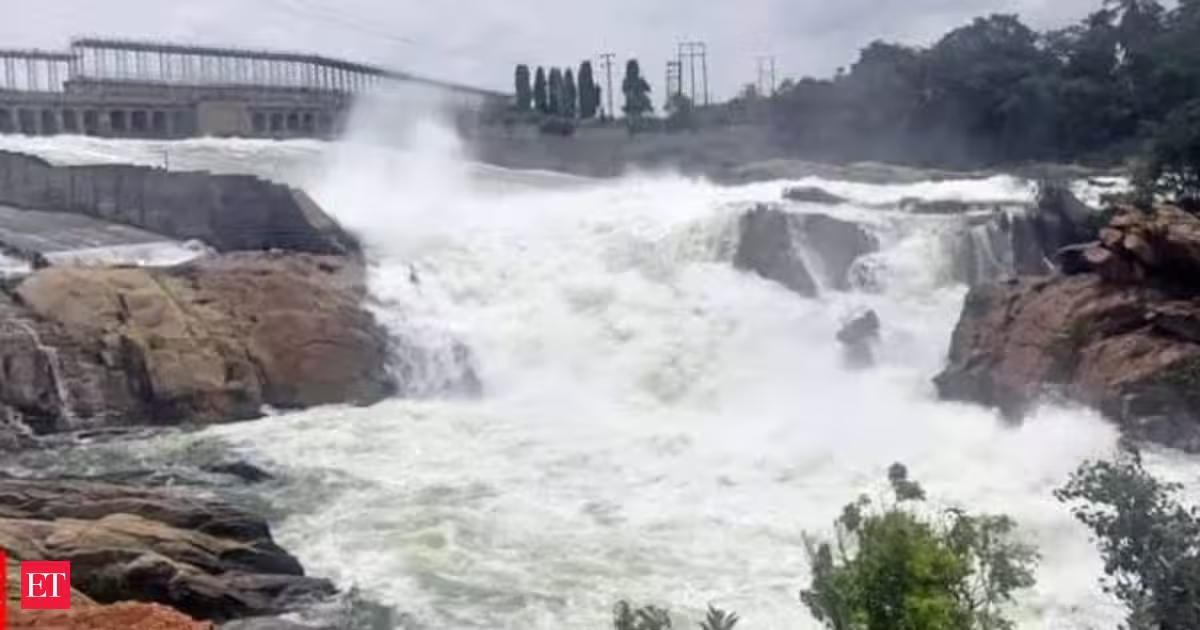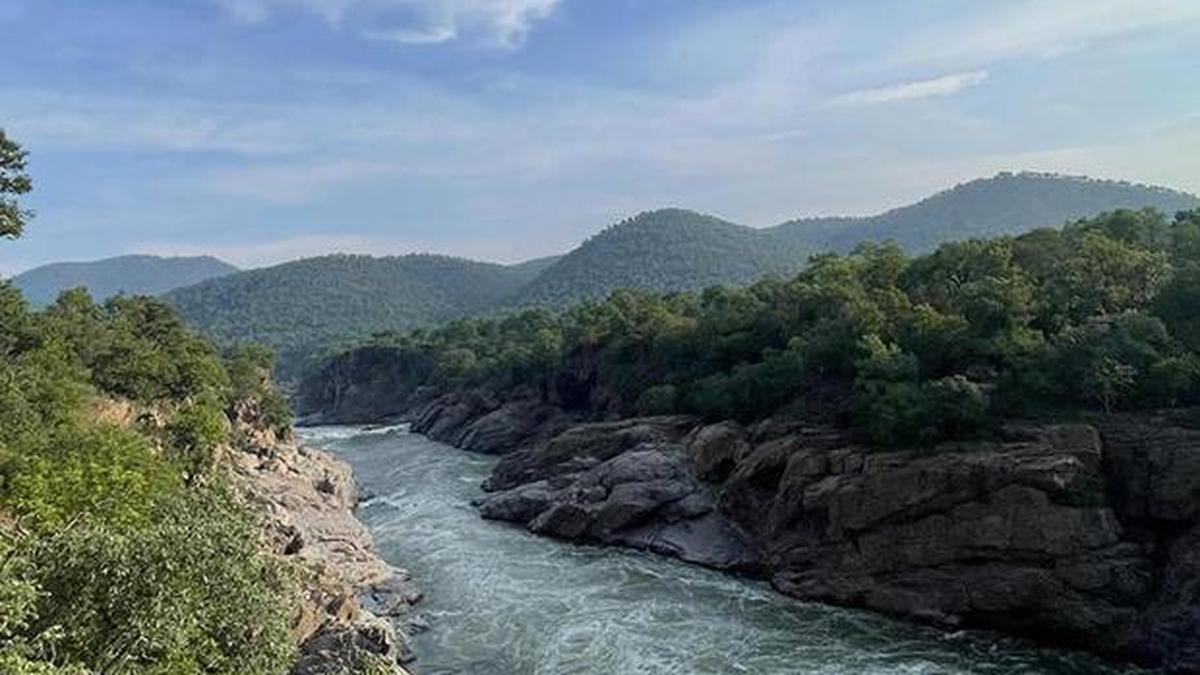
With the southwest monsoon playing truant in its first half, a familiar distress situation has developed in the Cauvery basin. The principal riparian States — Karnataka upstream and Tamil Nadu downstream — have made little progress in evolving a distress-sharing formula in the vexed dispute. Once again, heavy rain in the Cauvery catchment has come to the aid of both States. Whether this will douse the embers or fan parochial flames remains to be seen. Political tensions are rising, with pro-Kannada groups calling for a Karnataka bandh on August 13 and the DMK planning a stir in Thanjavur on August 3, coinciding with the Aadi Perukku festival on the Cauvery’s banks. Despite a surge in inflows into four major Karnataka reservoirs in the Cauvery basin, it is too early to conclude that the water shortage affecting farmers in both States is over. The decision of the Congress government in Karnataka not to release irrigation water adds to the crisis, though such refusals over scheduled water deliveries are not new. Consequently, Billigundulu, the inter-State border measuring point, realised barely one thousand million cubic feet (tmc ft) against the stipulated 31 tmc ft in July, the wettest month.Perhaps guided by forecasts of a deficient monsoon, Karnataka’s Chief Minister chose to err on the side of caution, anticipating an acute drinking water shortage ahead. However, this has proved costly for Tamil Nadu, which realised only about 3.6 tmc ft from June 1 to July-end, barely 10% of the 40-odd tmc ft prescribed by the Cauvery Water Disputes Tribunal and the Supreme Court. The Cauvery Water Management Authority (CWMA), at its July 30 meeting, ratified the Cauvery Water Regulation Committee (CWRC)’s directive that Karnataka release 3,500 cusecs to Billigundulu daily for 15 days from July 29. Although this quantum would not have met irrigation needs in Tamil Nadu’s Cauvery delta, it would have provided some support to the ecosystem. The CWMA’s decision has upset farmers in Karnataka and the political class but nature has intervened in a limited way. If Karnataka finds the existing mechanisms — the CWMA and CWRC — inadequate, it can suggest alternatives, but must first abide by the decisions of these institutions, which safeguard riparian States’ interests in line with Tribunal and Supreme Court verdicts. Unlike his predecessors, Tamil Nadu Chief Minister C. Joseph Vijay reached out to his Karnataka counterpart, D.K. Shivakumar — but Mr. Shivakumar has asked Mr. Vijay to defer his August 3 Bengaluru visit. However, this episode should not deter the two States from making a renewed bid to work out a distress-sharing formula, the last of which was attempted nearly 25 years ago. Mr. Vijay should also take a cue from his counterpart in handling the Cauvery issue, by bringing together other political players in the State. Published - August 03, 2026 12:30 am IST
Distress and dispute: On Karnataka, Tamil Nadu and the Cauvery
Karnataka and Tamil Nadu should evolve a Cauvery distress-sharing formula amid deficient rainfall
470 words~2 min read