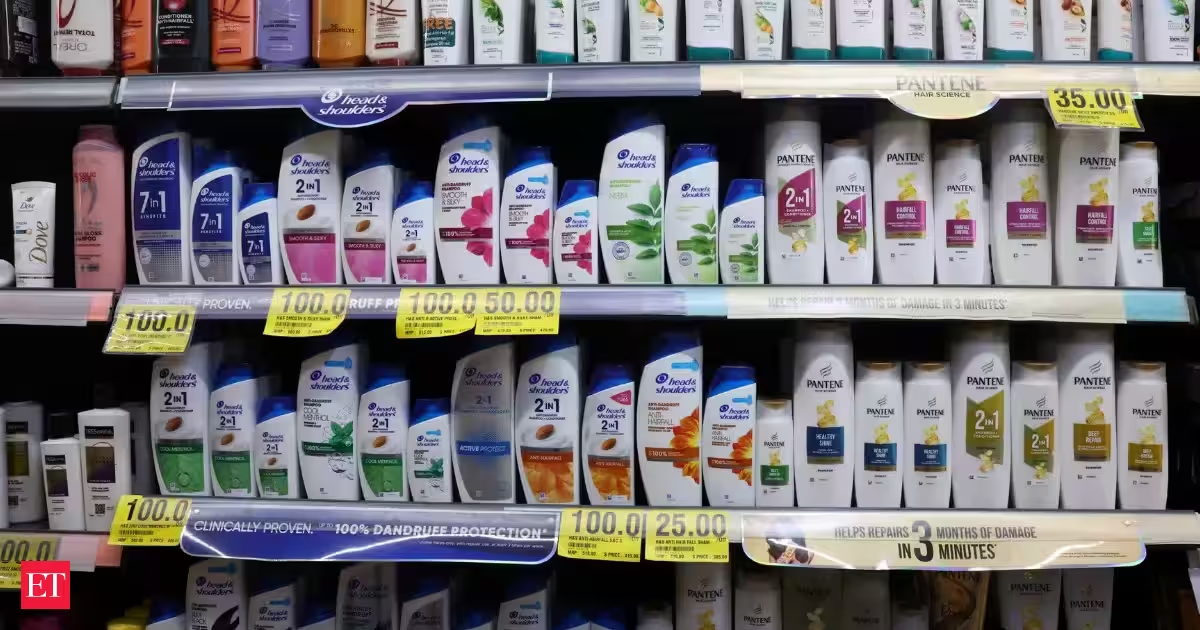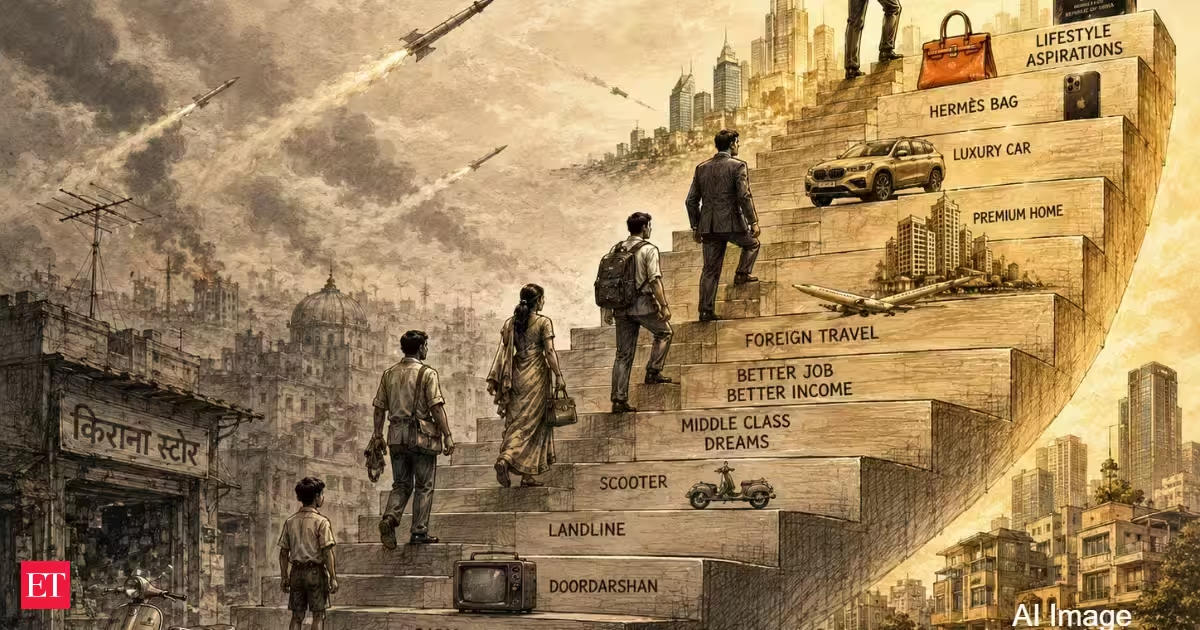
After two quarters of cutbacks on marketing spending, India’s FMCG companies are increasing ad spending, betting on a fruitful festive season as the war clouds appear to clear and customer sentiment picks up.For the last two quarters of the financial year 2026, companies such as Dabur, Hindustan Unilever, Procter & Gamble Hygiene and Healthcare (PGHH), and Colgate-Palmolive reported sequential declines in advertising and promotional expenditure. However, the tide has finally turned, as companies ramped up their ad spending in Q1 of FY27. Barring PGHH, all the aforementioned companies reported sequential and annual growth in advertising.The increased spending is further highlighted in the quarterly results of media and entertainment companies like Reliance’s JioStar. The platform noted strong growth in overall digital advertising, despite global pressures such as the US-Iran war in West AsiaMany FMCG firms talked about pumping more money into ads in their latest earnings calls. Colgate-Palmolive increased its ad expenditure by 34 per cent year-over-year to 15.7 per cent of sales. This is the highest level on record, underlining Colgate’s focus on strengthening brand equity and accelerating premiumisation, according to Nuvama Research. When asked about slower incremental growth, various management officials cited investment returns, macroeconomic developments, and consumer sentiment as driving factors. P&G, acknowledging cost and availability volatility due to factors like crude oil prices, stated that it is mitigating the risks by prioritising the supply of products to consumers.“There was a lot of macroeconomic pressure, with war clouds looming since February this year. The mood was subdued, worsened by below-par monsoon showers and oil constraints. So, consumer sentiment is down. Now, with war concerns subsiding and regionally good rains, FMCG feels this is a good time to push for growth,” said Lloyd Mathias, an independent brand strategist and angel investor. He also pointed out how the upbeat sentiment was further boosted by better sales in smaller towns, positive momentum in reform with the student agitation, and stock market recovery.Marketing mix According to CashUrDrive marketing, companies are doubling down on integrated media by focusing on digital advertising as well as outdoor ads for mass visibility.“FMCG brands continue to allocate a significant share of their budgets to digital for precision targeting and performance marketing, but we’re seeing a renewed emphasis on Out-of-Home and Digital OOH. These channels deliver unmatched scale during periods of heightened consumer mobility. The festive season is when purchase intent is highest, and OOH plays a unique role,” said Raghu Khanna, Managing Director and Chairman, CashUrDrive. Across companies, the rationale for this was the same: better returns on ad spend. In fact, Priti Murthy, President of Client Solutions at WPP Media South Asia, had earlier told businessline how FMCG companies are asking for more ROI-focused media. This sentiment was echoed by Priya Nair, CEO and Managing Director at HUL, during the earnings call.“When you look at our ad spend, you have to factor in the return on investment. We have a lot of AI-enabled return on marketing investment programmes in place. That, along with our procurement leverage, given the inflationary conditions, are allowing us to get savings on our overall media cost,” said Nair. Published on August 2, 2026
FMCG ad spends resurge encouraged by uptick in customer sentiment
FMCG brands are increasing ad spending as consumer sentiment improves, anticipating stronger demand during the upcoming festive season.
522 words~2 min read