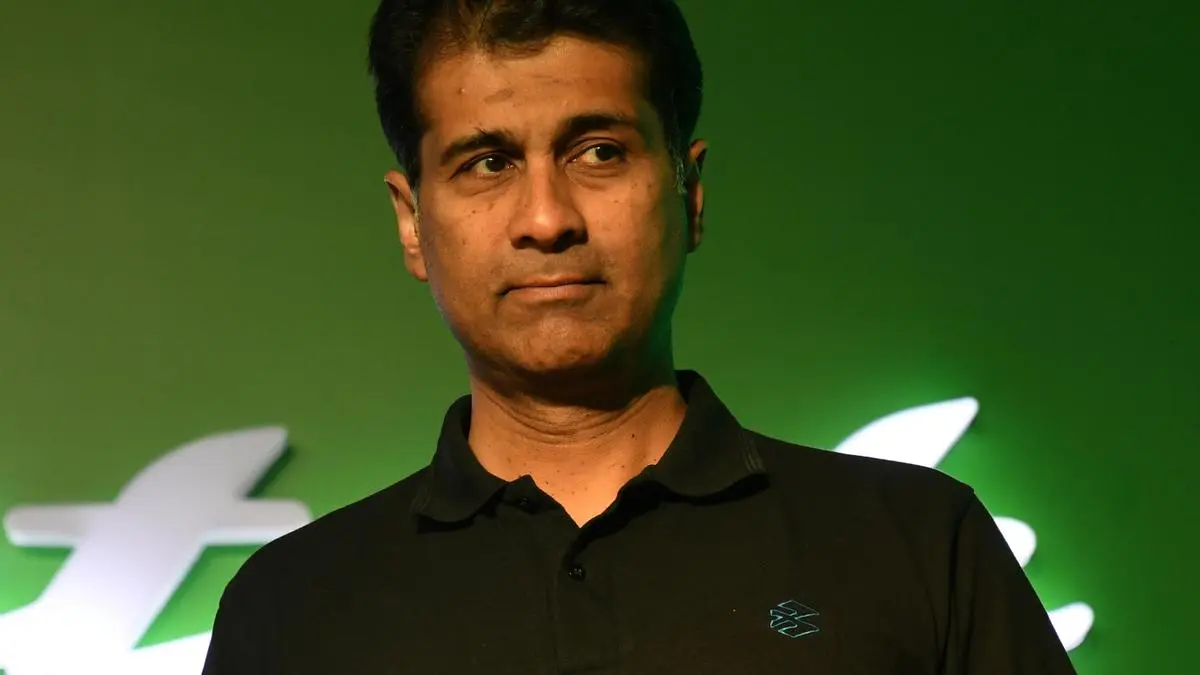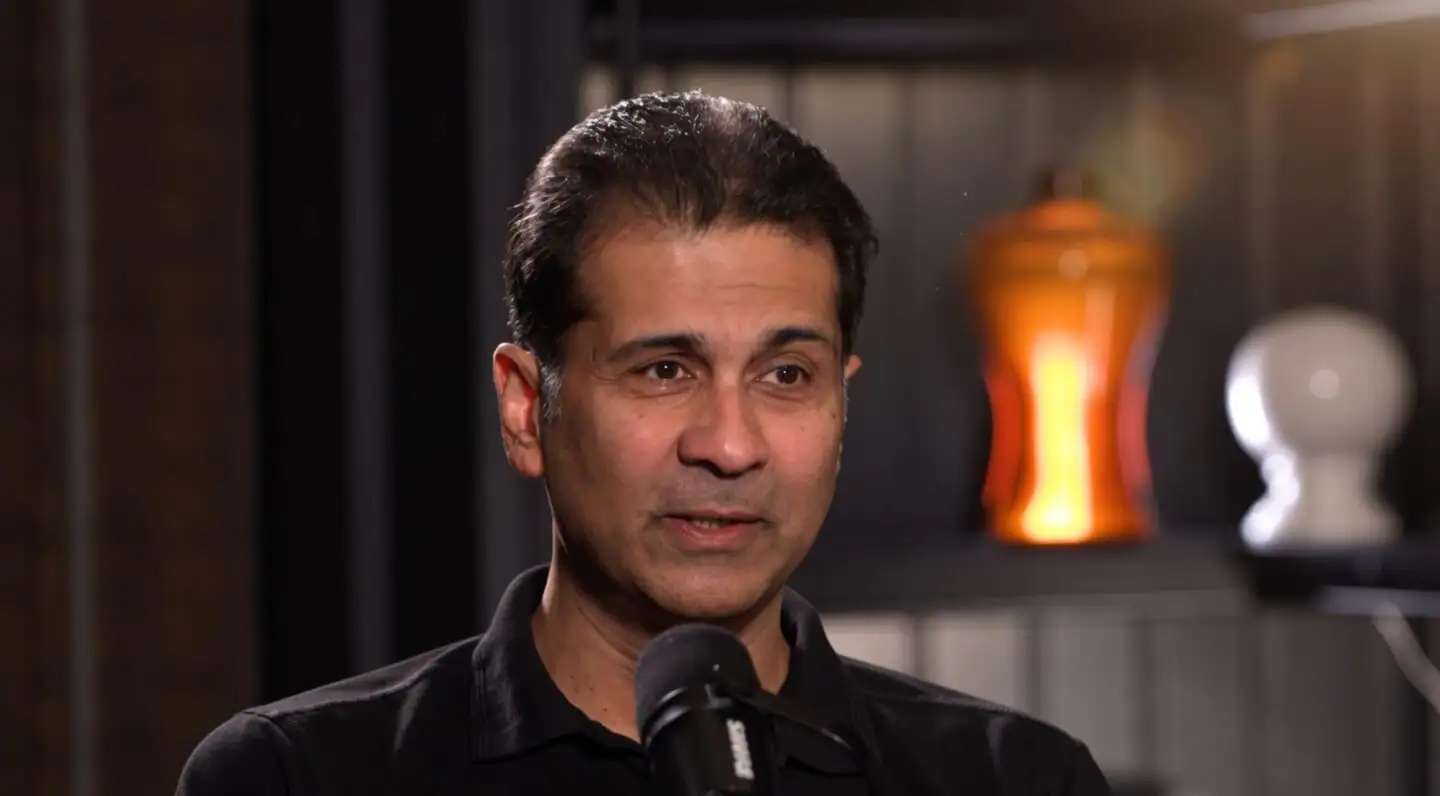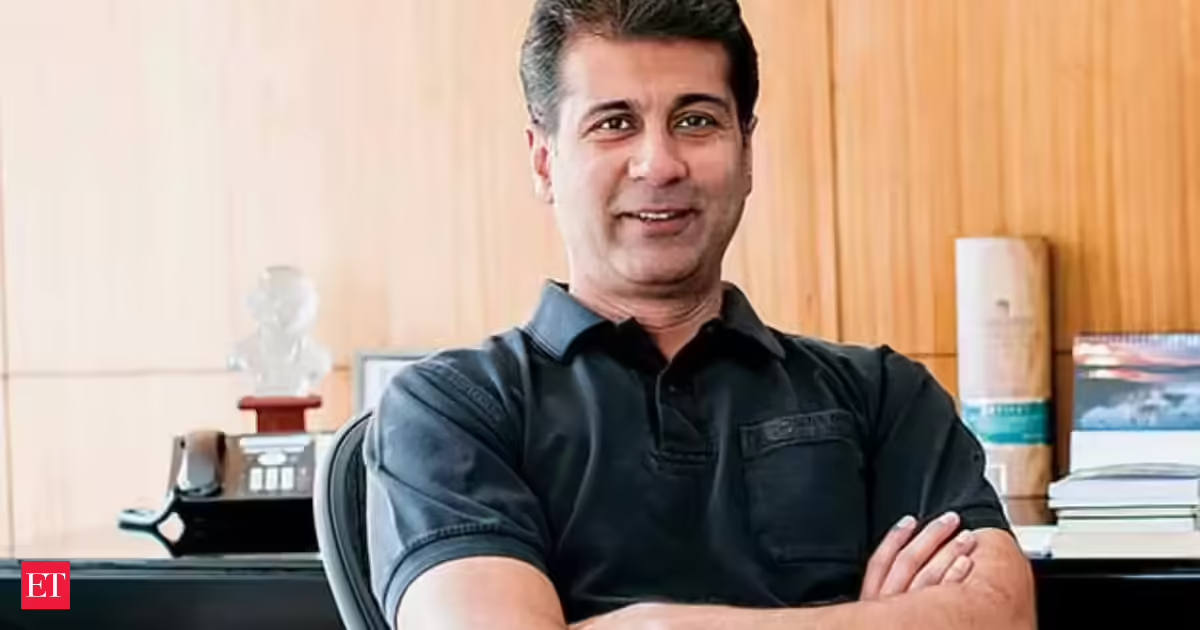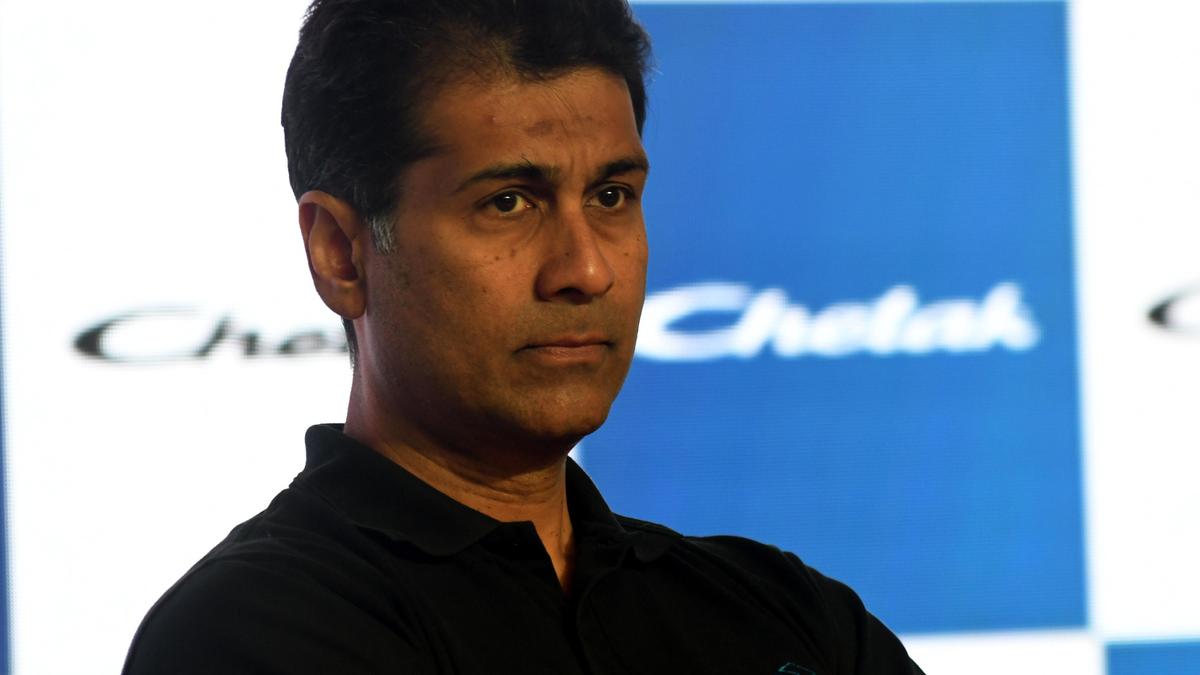
Rajiv Bajaj, MD, Bajaj Auto
| Photo Credit:
He shared a few anecdotes that helped him adapt to changes and transform Bajaj Auto into a multinational company, with 50 per cent of its revenues coming from exports. Delivering the Convocation address at Mahindra University here on Sunday, Bajaj said the lessons that he learned from these experiences helped the company weather industry disruptions. “Sueo Yamaguchi, a Japanese Total Productive Maintenance (TPM) guru whom Bajaj Auto hired in the mid-1990s, told me that managers didn’t make things with their hands. Their job is to create an environment in which others can improve,” he said.“You (as Vice-President, Products) don’t design or make things. You don’t do anything yourself; you must create an environment in which other people can do better. You empower them,” Bajaj said, quoting Yamaguchi.Expanding on strategic moves during market transformations, he recalled, “When my father challenged us to export 10% of our production, we learned a tough lesson: to widen markets, you must narrow product focus. Through iconic motorcycles like the Pulsar and KTM partnerships, we realised a brand is simply a product with a story – otherwise, it’s just a commodity that competes largely on price.”“We export 50 per cent of our production to over 108 countries. We have emerged as the largest EV company in the country by volume. EVs represent 30 per cent of our domestic sales,” he said.Relating a personal experience of how ‘Guruji’ BKS Iyengar cured his back pain without surgery. “He taught me that in yoga and business alike, pain stems from wrong direction, and true success is simply about finding your centre and achieving alignment,” he said.Pradeep K Khosla, Chancellor of UC San Diego (the US), said that artificial intelligence has sparked widespread anxiety about job security and the destruction of human creativity. However, history shows that major technological shifts, from mechanised textile mills and automobiles to computers and the internet, do not simply eliminate work.“They transform it, replacing tasks while vastly expanding economic opportunity and living standards,” he said.“The technology you use 10 years from now may not even exist yet. The industries you build may not exist today. The problems you solve may not yet be visible to anybody else. And your comparative advantage will come not from memorising information. AI can retrieve information instantly. Your advantage will come from curiosity, critical thinking, integrity, collaboration, creativity, and the courage to continue learning throughout your lives,” he said.Published on August 2, 2026