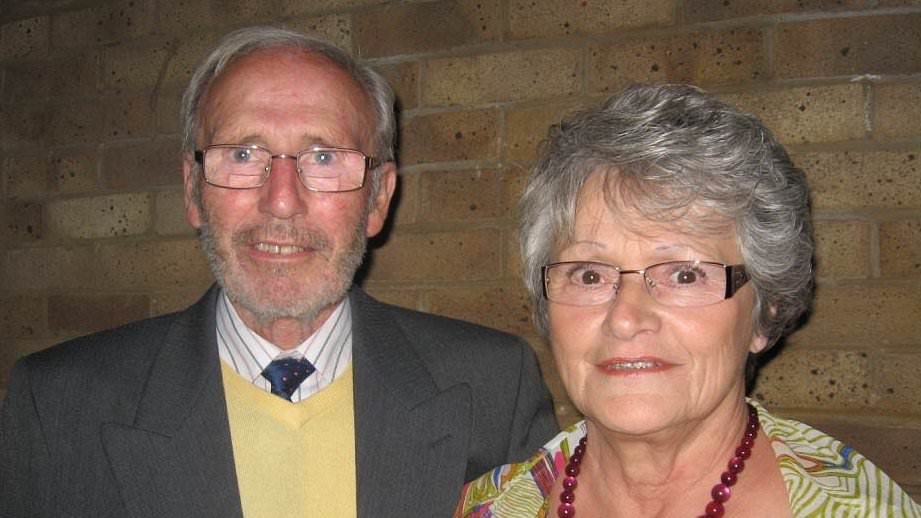
A retired teacher who was conned out of her life savings by a romance scammer posing as a retired British Army general has warned about the dangers of online dating. Losing her husband of 42 years, Diana Jenkins - not her real name - was lonely when she fell for a man who she thought was a retired military officer, with a knighthood.Saying he had been recommissioned to perform sensitive military duties overseas, charming, attentive and patient, he sent daily messages asking how she was feeling. When he said he loved her, Diana believed him - she was falling in love with him too. But, after sending him more than £128,000 - the bulk of her life savings - she realised she’d fallen for a massive scam.Looking back, the intelligent 67-year-old from the London area can’t believe she allowed herself to be fooled. Even now, more than two years since the debacle, she is using a pseudonym, as she can’t bring herself to tell her adult son what happened. Diana’s revelations come as Freeview channel Great! TV’s Great Romance becomes the first TV channel to donate commercial airtime to the National Crime Agency, in order to tackle the growing menace of romance fraud.Still kicking herself, Diana says: “Why did I do that? I know I was lonely and vulnerable but still…” Three years before she met the ‘general’ online in October 2022, Diana's world had fallen apart, when her husband died from heart failure. She says: "It was a massive shock. In the end I suffered a nervous breakdown.”Her son moved in to care for her and she took time off from her adult education job. Lonely, Diana joined an international pen-pal website. She says: "It wasn't really about finding romance, but friendship. You write a profile and people from all over the world can get in touch."One message stood out, supposedly from the retired general, who had been called back into service to do covert work in Mali. With a family background in the military, his post caught Diana’s attention. She checked out his name online and found photographs, videos, articles and even pictures of him with Queen Camilla. Diana says: "I looked him up and everything seemed genuine.”But investigators say sophisticated romance fraudsters rarely invent entirely fictional identities, instead stealing the names and photographs of respectable people whose public profiles lend instant credibility. Soon exchanging private messages, he said he could not voice or video call because of his covert work and Diana accepted that.She says: "He was just the person I'd been looking for. He was kind and attentive. We were messaging at least once every day, often more. We became very close, even though we’d not actually spoken or seen each other. Then he told me he loved me. And I believed I was in love with him too."Investing months in building trust, the scammer soon became the person Diana turned to every day. Three months in, he told her that, while serving in Mali, he had discovered a cache of gold. Legally his, it needed to be transported through Turkey to get to Britain. But there were taxes to pay.Because he was getting divorced, his finances were tied up in a joint bank account with his estranged wife. Could Diana possibly help? He needed just £4,000 - and produced official-looking documents bearing what appeared to be London Port Authority stamps and certificates. Diana remembers: “They looked so genuine. There were certificates and stamps and everything.”.But the costs kept growing, with increasing storage charges, then the shipment had been held up, incurring more fees. There was always another obstacle. Another cost. Each explanation sounded plausible enough. And the ‘general’ reassured Diana that the gold would arrive, then he would return to Britain and they could start their life together.Diana recalls: "There was always another reason why more money had to be paid. But I believed him." Living in a cycle of hope, anxiety and mounting financial demands, she still hadn’t seen or heard him and her suspicions were aroused. But she’d parted with thousands of pounds and, like so many victims of sophisticated fraud, she thought one final payment would unlock everything.Diana, who made 16 bank transfers in all, says: “In the end almost everything I had put aside for my retirement was gone. This was my children’s inheritance…what had I done?” Continuing to love bomb her, Diana wanted to believe the ‘general.’ She explains: "When you've been lonely and you've lost someone you've been with for over 40 years, hearing those things means everything."Then, the ‘general’ messaged saying he was finally coming home - even sending her a copy of his airline boarding pass, plus the flight number, departure details and arrival time at Heathrow. But, still suspicious, Diana phoned the airline. No one with his name was on that flight. Hoping she was wrong, she travelled to Heathrow Airport to meet him.He never appeared. Instead, she was told he’d been whisked away by a Ministry of Defence official for a debriefing. Then he was sent urgently to Ukraine for more hush-hush operations. Diana demanded that he rang her, so she could hear his voice. She says: “That’s when the penny dropped. Instead of the cultured tone of a British general it was someone speaking in a foreign accent. I was devastated.”Threatening him with the police, the fraudster told her the gold shipment was illegal and she would be implicated if she involved them. She says: “He told me I would go down with him. I was horrified and didn’t know what to do.”Fortunately, by then, staff at the Halifax, where she banked, had noticed the extraordinary pattern of payments leaving her account and contacted her. Broken, Diana - who has since told her daughter, but not her son, the truth - told them everything and they persuaded her to go to the police, who arrested the fake general in the UK.And in September 2024 her conman, Maxwell Rusey, 53, who had been operating from Nuneaton, Warwickshire, was jailed for five years for the romance fraud at Woolwich Crown Court. After Diana contacted the Financial Ombudsman, the Halifax reimbursed every penny of the £128,000 he had taken.There is a happy ending, as Diana has found genuine love with a man she did not meet online. Diana says: “These romance fraudsters do not target people because they are gullible. They target you because you're lonely. They're very clever. They win your emotions over. And if you're vulnerable, they'll use that against you. The moment they ask for money, that's it. Walk away.”A spokesperson for the National Crime Agency says: “Diana is incredibly brave to come forward and share her story. We hope it will serve as a warning to thousands of vulnerable potential victims.”Diana’s tips to protect against romance scammers:Take things slowlyProtect your personal informationDon't reveal too much about yourselfBe wary of anyone who quickly declares their loveNever send moneyBroadcaster Great! TV is the first UK television company to hand commercial advertising airtime - in peak-time slots across Freeview, Sky and Virgin Media - to the National Crime Agency, in a bid to stamp out romance fraud. Figures released by Report Fraud reveal that from April 2025 to March 2026 there were 12,348 reports of romance fraud, with victims - 51% of whom were aged 50+ - losing £116 million.The NCA’s Nick Sharp said of the campaign, featuring 11 bespoke adverts which tie romance fraud advice to the storylines of Great! romantic films: “Raising awareness as a form of prevention. This campaign with Great Romance is designed to do exactly that.”Great Marketing Director Kate Gartland said: “This joint campaign with the NCA will give viewers the awareness they need to spot the tell tale signs and protect themselves and their friends and family from these devastating crimes.”
'I fell in love with army general, then he stole my kids' £128,000 inheritance'
EXCLUSIVE: A lonely widow who was conned out of £128,000 by a romance scammer is telling her story to warn other women against falling for conmen online.
1,301 words~6 min read