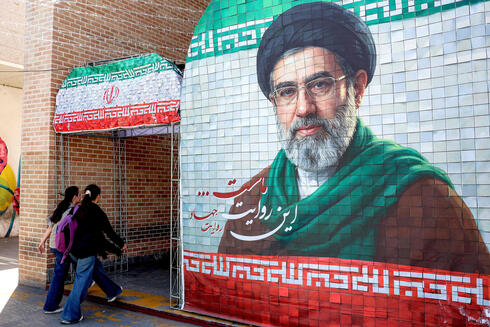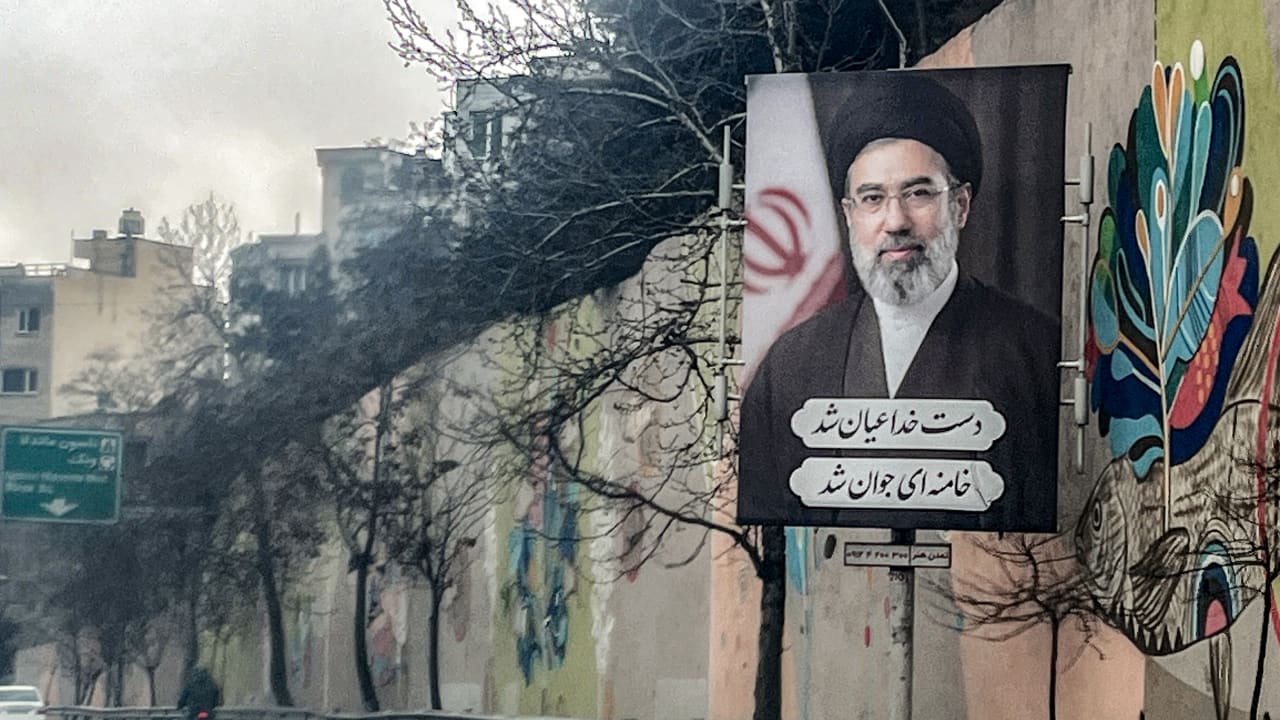
The report outlined several ways the recordings could reveal Khamenei's location and health condition, ranging from acoustic signatures to the supreme leader's breathing patterns.Follow us on Google A banner depicting Iran's new Supreme Leader Ayatollah Mojtaba Khamenei is displayed on the side of a highway in Tehran on March 10, 2026.(photo credit: AFP VIA GETTY IMAGES)ByLIA WEINAUGUST 2, 2026 16:19Updated: AUGUST 2, 2026 16:20Iranian authorities are concerned that intelligence agencies could use audio files to track Iran’s Supreme Leader Mojtaba Khamenei’s location, according to an article published on Sunday by the Tehran Municipality-affiliated Iranian daily Al-Mashhari.In a post on its Telegram channel, Al-Mashhari claimed the fears explained why no audio recordings of Khamenei have been released.The newspaper outlined five ways a recording could potentially reveal where he was located.First, every enclosed space has a unique acoustic signature that can provide precise information about the room in which the speaker is located, the newspaper said.Second, interference from the electrical grid can be used to determine the date and exact time a recording was made, as well as the specific section of the power grid connected to the recording site.Satellite imagery from an alleged Israeli strike on the bunker where Iranian Supreme Leader Ali Khamenei is being guarded. (credit: FAIR USE UNDER ISRAELI COPYRIGHT LAW, ARTICLE 27A)Each microphone and recording device also leaves a unique imprint on an audio file. Mobile phone microphones, for example, weaken low frequencies, while inexpensive components produce distinctive harmonic distortion that can serve as a fingerprint for the device.Equipment noise, speech patterns could be used to locate KhameneiNoise from ventilation systems, generators, cooling equipment, or other technical equipment at the site could also help intelligence agencies identify its location.Finally, the newspaper claimed that the resonance of the speaker’s voice could reveal his breathing patterns, pauses between words, physical condition, heart rate, and stress level.Follow us on Google
Iran avoiding release of Mojtaba Khamenei audio fearing he may be located | The Jerusalem Post
The report outlined several ways the recordings could reveal Khamenei's location and health condition, ranging from acoustic signatures to the supreme leader's breathing patterns.
310 words~1 min read