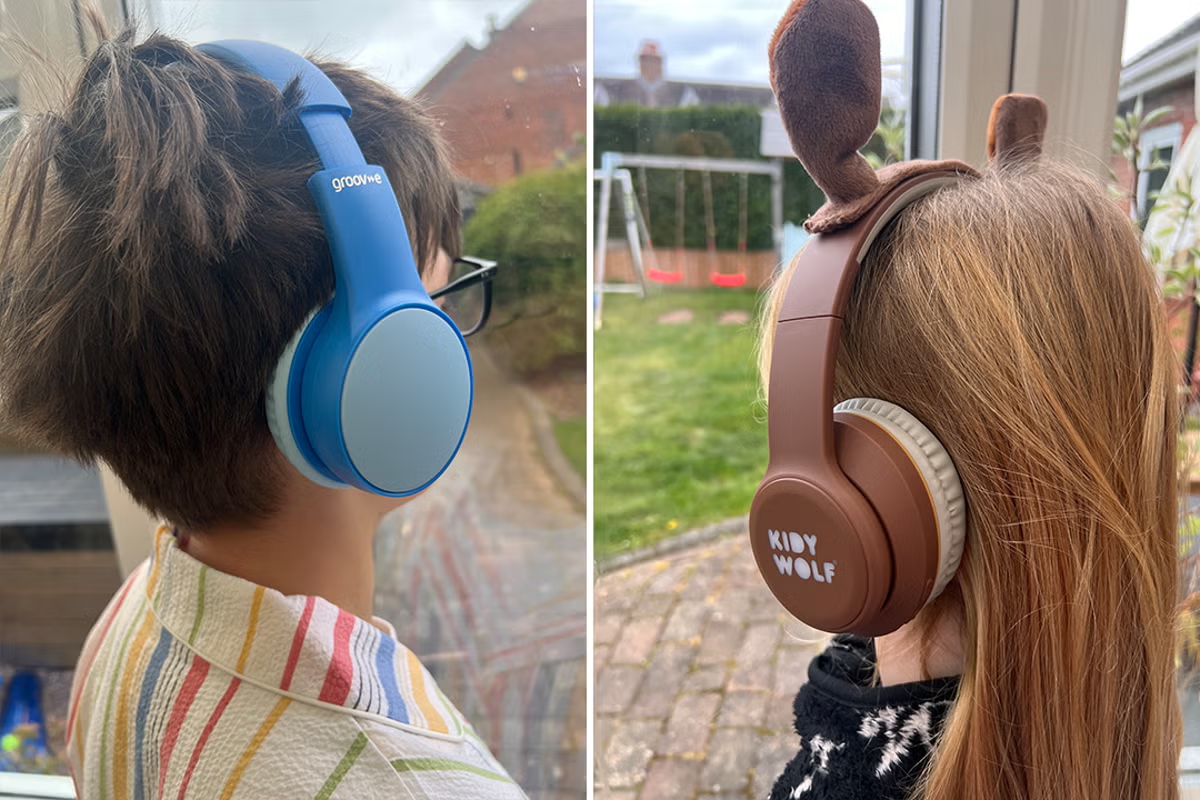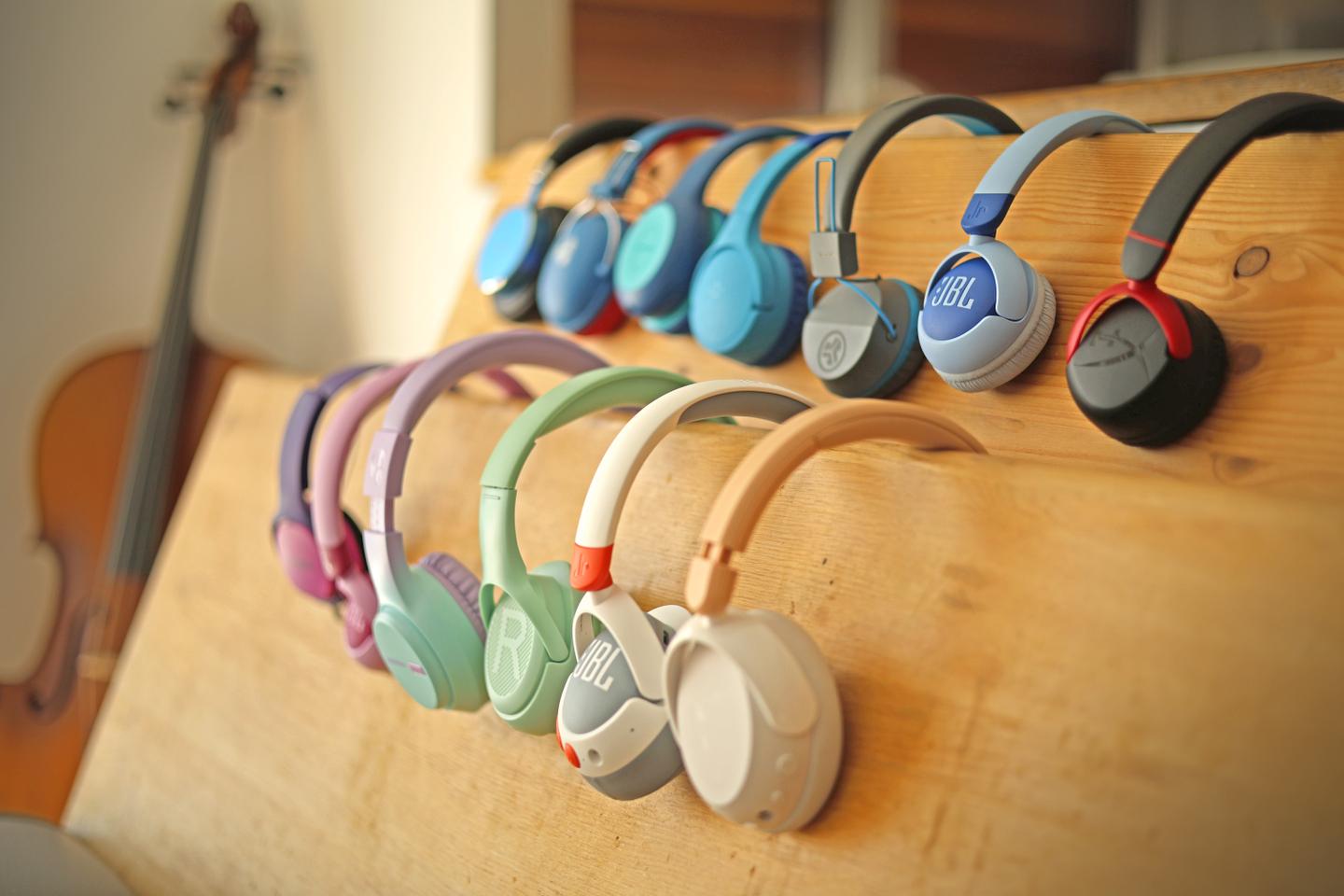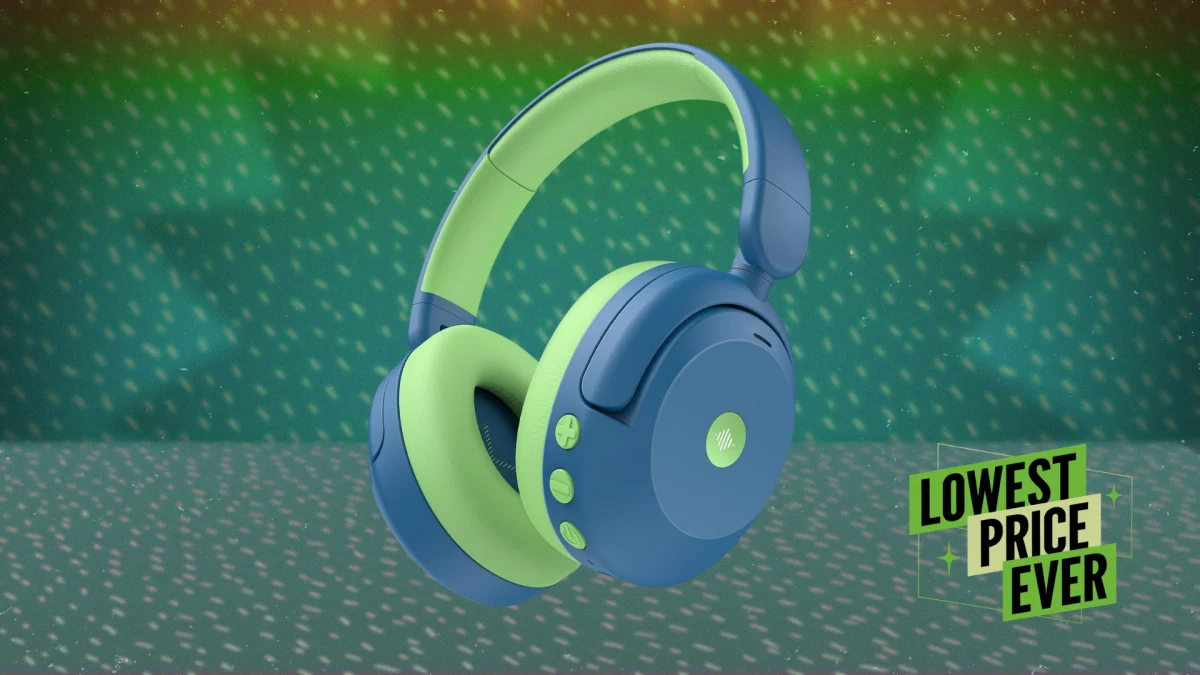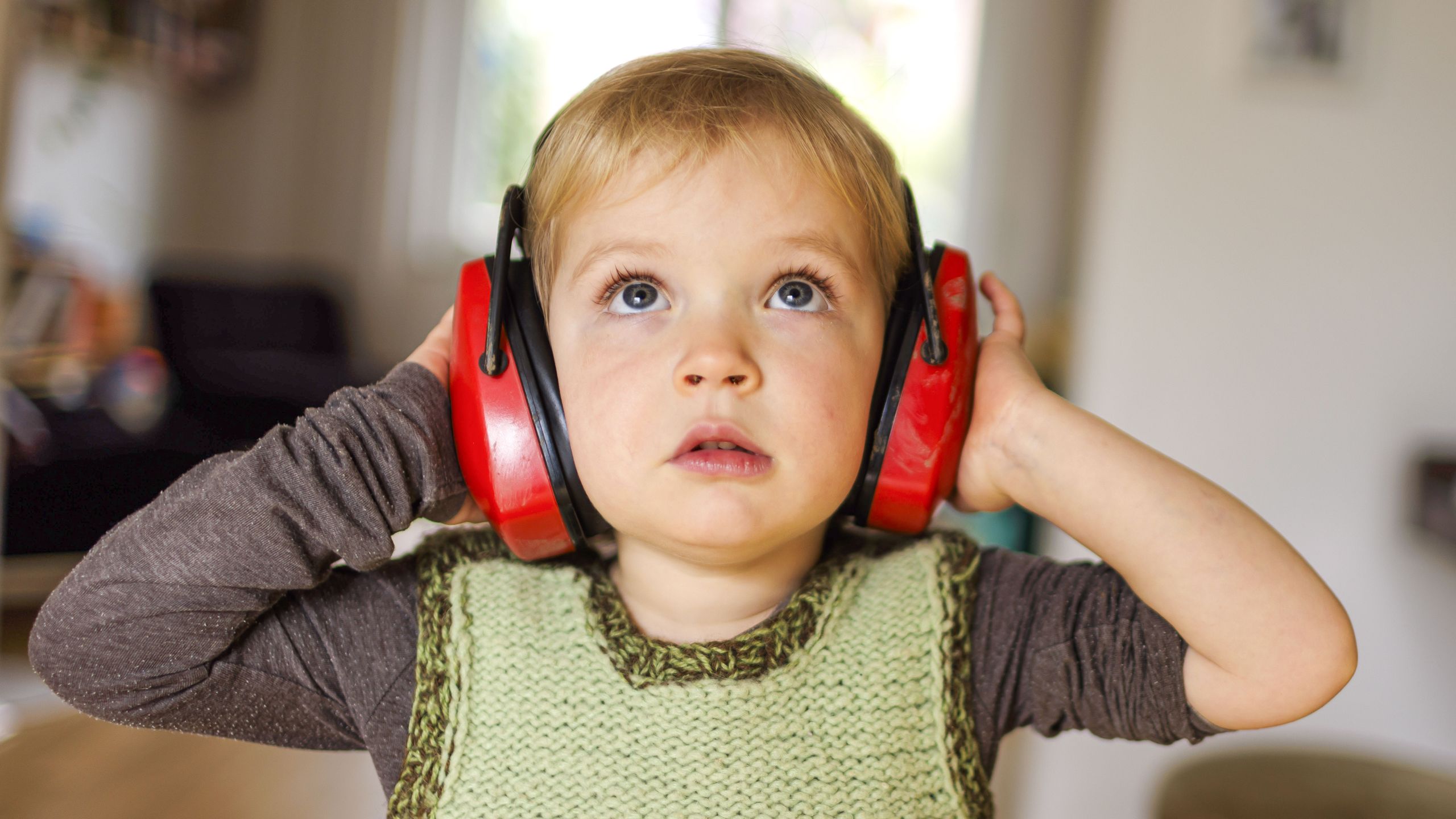
For some of us, the road trips of summer are starting to wind down and back-to-school needs are beginning to creep up. The luxury of headphones in the car becomes a necessity as kids commute to school or use them to focus on schoolwork.You may be inclined to hand your kids a set of headphones you no longer use, or you’ve spotted some cheapo ones at your local drugstore. But those cans may be doing more harm than you know, as the lack of volume control can lead to permanent hearing loss.Fortunately, there are options that can be safer for your kids. With more kids wearing headphones that seem to be glued to their heads, how can you protect their hearing now and in the future?We spoke to a hearing expert and the makers of kid-friendly headphones to find out how volume-limiting headphones can assist parents in protecting their children’s hearing and tips for doing more beyond buying appropriate headphones.“We only get one set of ears”
(Image credit: Shutterstock)The world in general is a loud place with a multitude of sounds that over time can cause noise-induced hearing loss. Both OSHA and the World Health Organization recommend 85 decibels as a safe listening level for people in industrial settings. That rating is over an eight-hour “time-weighted average.”Per the American Academy of Audiology, anything over that level can cause permanent hearing loss, and hearing protection is recommended: “regardless of how long the sound lasts.” At 80 dB, the sound is equivalent to an alarm clock, while sounds in the 90 to 110 dB range include concerts, power tools and earbuds (at full volume).Kaitlyin Kennedy, an audiologist and member of the Academy, told Tom’s Guide that the recommendation for children is more conservative, at 75 dB and 80 dB for adults. She noted that headphone use in teens has gotten worse in general in the last few years.Get instant access to breaking news, the hottest reviews, great deals and helpful tips.A study by the University of Michigan in 2024 found more than half of kids age 5 -12 have their own personal audio devices and use them at least an hour a day.“When hearing loss sets in, whether genetic or noise exposure, it grows over time,” Kennedy said. “It’s a snowball; one instance won’t [cause problems], multiple will.”She added that while tech is improving, including with hearing aids, nothing is the same as natural hearing.What headphone manufacturers offer