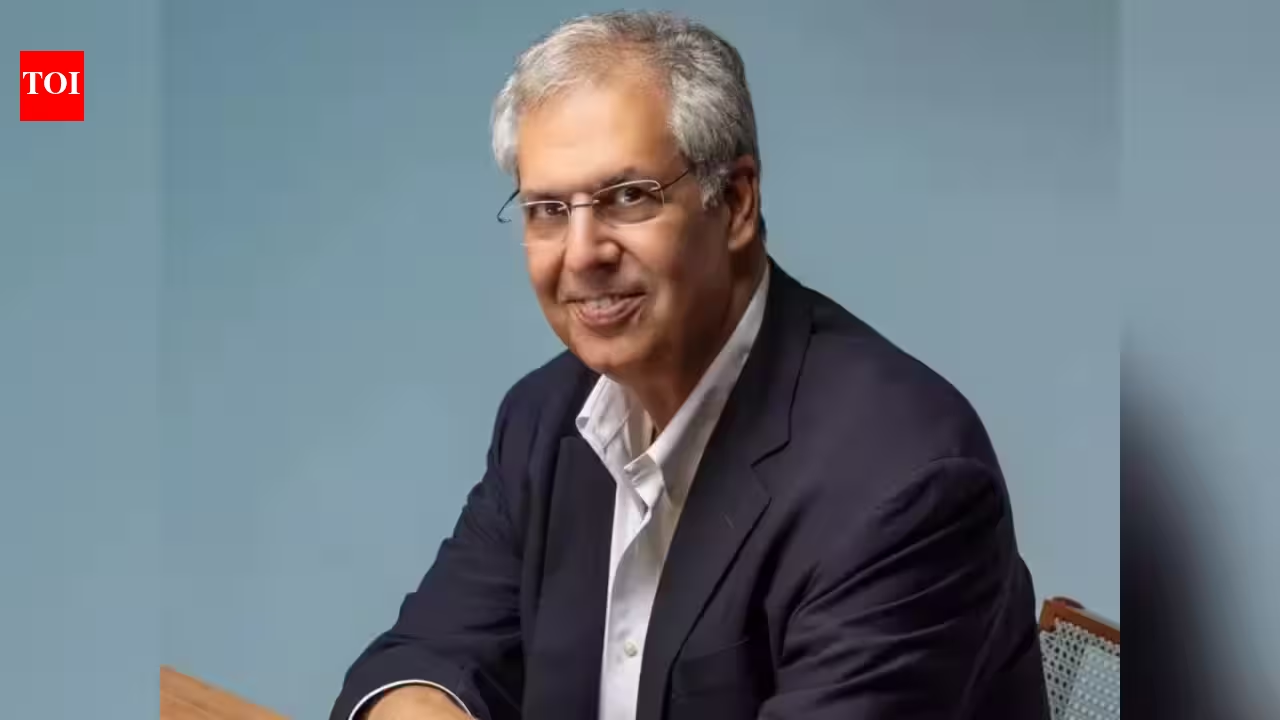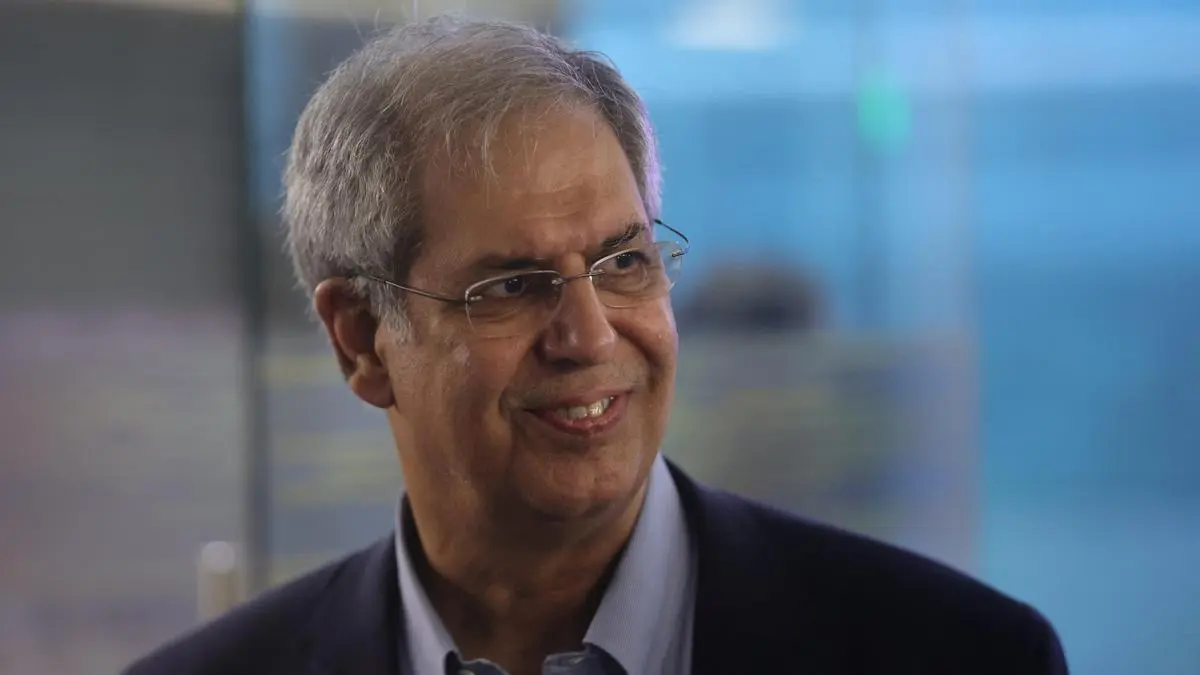
Noel Tata, Chairman of Tata Trusts
| Photo Credit:
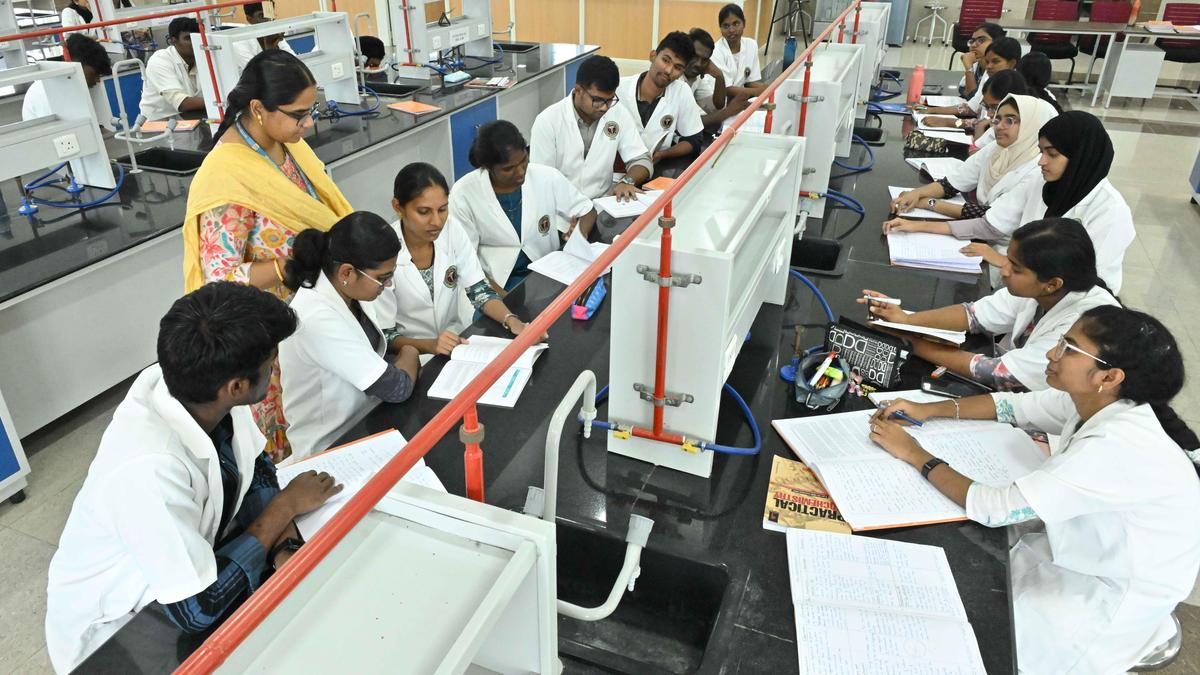
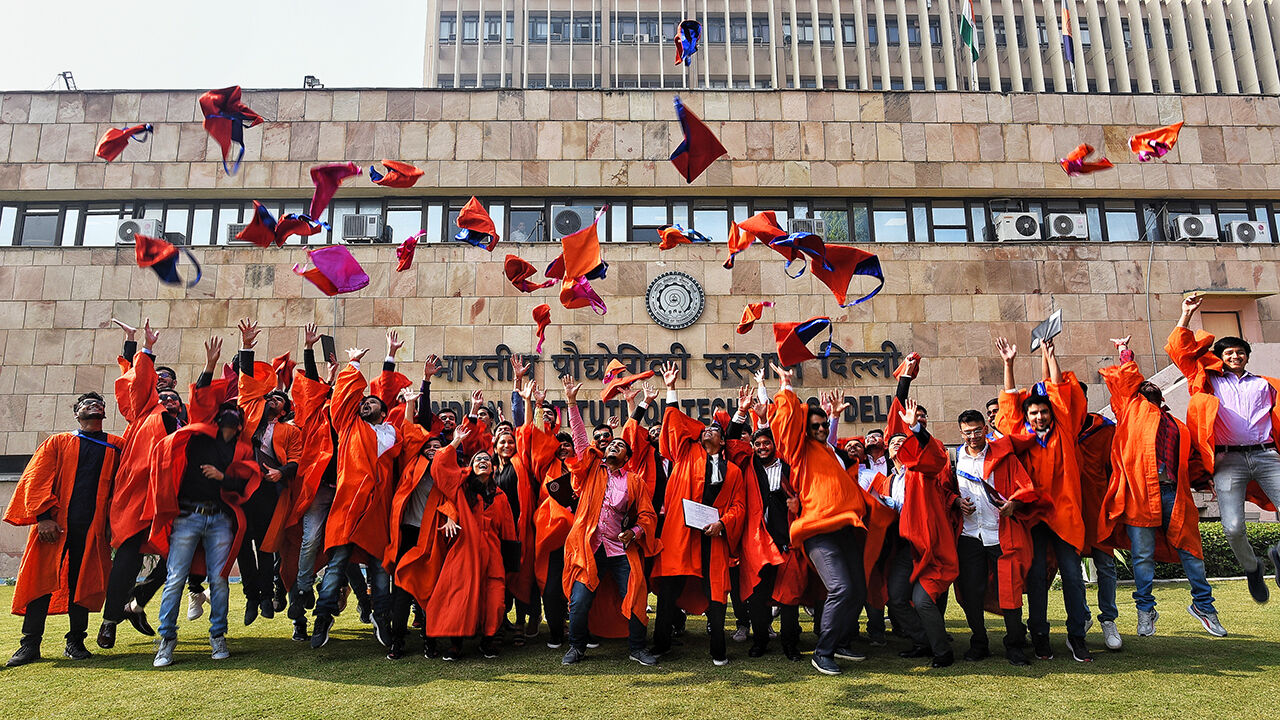
India needs significantly more high-quality educational institutions to meet the growing demand and reduce students’ dependence on overseas universities, Noel Tata, Chairman of Tata Trusts, said on Sunday, as he outlined the Trusts’ renewed focus on institution-building in education and healthcare.Speaking at the IIM Bangalore Alumni Association’s flagship leadership conclave, IIMBue 2026, Tata said the country’s higher education ecosystem has not kept pace with demand, leaving many students with little choice but to study abroad. The fireside chat was moderated by Sonjoy Chatterjee, Chairman & CEO, Goldman Sachs India, who serves on IIMB’s board of governors.“The country needs a wake-up call on education. We spend an atrocious amount of money every year on sending kids to the US and Europe because there aren’t enough quality institutions here. There is no reason why India cannot provide enough institutions so that everybody who wants to get an education can find an institution which they believe adds value to their children’s lives and will give their children a good career going forward. The problem is enormous,” he emphasised.Describing the proposed undergraduate institution being established in partnership with IIM Bangalore as a significant beginning, Tata said India urgently needs many more world-class educational institutions.Beyond education, he said Tata Trusts is moving beyond its traditional role of funding NGOs and individual development projects towards creating institutions that can serve generations, reviving a legacy that produced institutions such as the Indian Institute of Science, Tata Institute of Fundamental Research and Tata Memorial Hospital.As part of this strategy, Tata announced plans to expand affordable healthcare by developing 40-50 not-for-profit general hospitals across India after partnering with the Assam government to establish 17 cancer care hospitals in the state.The proposed hospitals will operate on a cross-subsidy model, with premium-paying patients helping finance treatment for economically weaker sections without compromising the quality of doctors, medicines or medical facilities.“The idea is to have a few rooms that are a certain percentage of our for-profit rooms, which can subsidise the rest of the patients so that we can offer the same service, surgeon, operation theatre, and medicine. We’ve identified three locations to start that, and I want to do much more on that space,” Noel said.He also said the Trusts are changing the way they assess the impact of philanthropy by focusing on measurable outcomes rather than simply reporting the number of beneficiaries.Reflecting on the role of Tata Trusts, he said the organisation continues to be guided by the vision of its founders, whose objective was to use the group’s wealth to improve lives and contribute to nation building.Tata said the guiding philosophy inherited from the founders of the Tata Group remained unchanged.“The founders left their shares in the company, in their Trusts, and they said, ‘spend money and do what is good for India’,” he said.He also reiterated his long-held management philosophy, “Try to be the best in everything that you do. Size will follow. Trying to be the biggest without being the best can end up in a disaster. But if you are the best, there’s a good chance you may end up being one of the biggest in whatever you’re doing.”Reflecting on the Tata Group’s history, Tata said many of its iconic businesses were established not merely as commercial ventures but to address India’s developmental needs.He cited Tata Motors, which evolved from a locomotive manufacturer after identifying the country’s need for commercial vehicles, and Tata Power, which pioneered electricity generation when industries still relied on steam power.Recalling former Tata Group Chairman J.R.D. Tata’s philosophy, Noel Tata said the group’s strategy had always been remarkably simple: “Do what India needs.”Looking back on his own corporate journey, Tata recounted how Trent emerged after the Tata Group exited the Lakme cosmetics business in the late 1990s. He said the decision to build Trent around private-label retail, despite years of slower growth and criticism, reinforced his belief that organisations should pursue excellence before expansion.“My philosophy has always been to be the best in everything you do. If you become the best, size follows. Trying to become the biggest without first becoming the best can end in disaster,” he said.Published on August 2, 2026