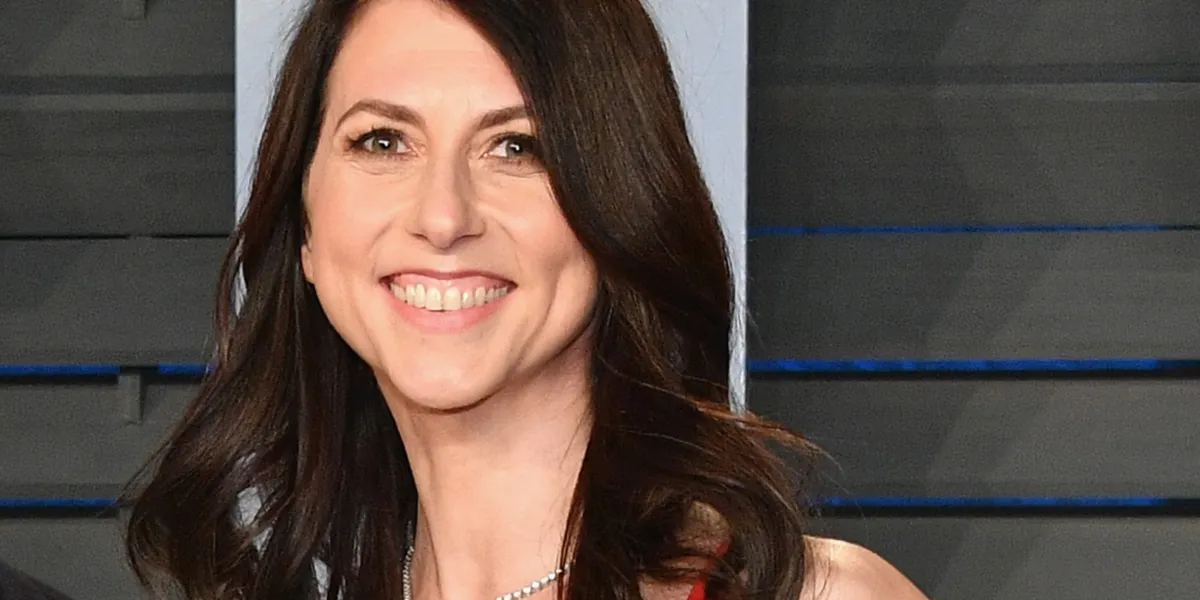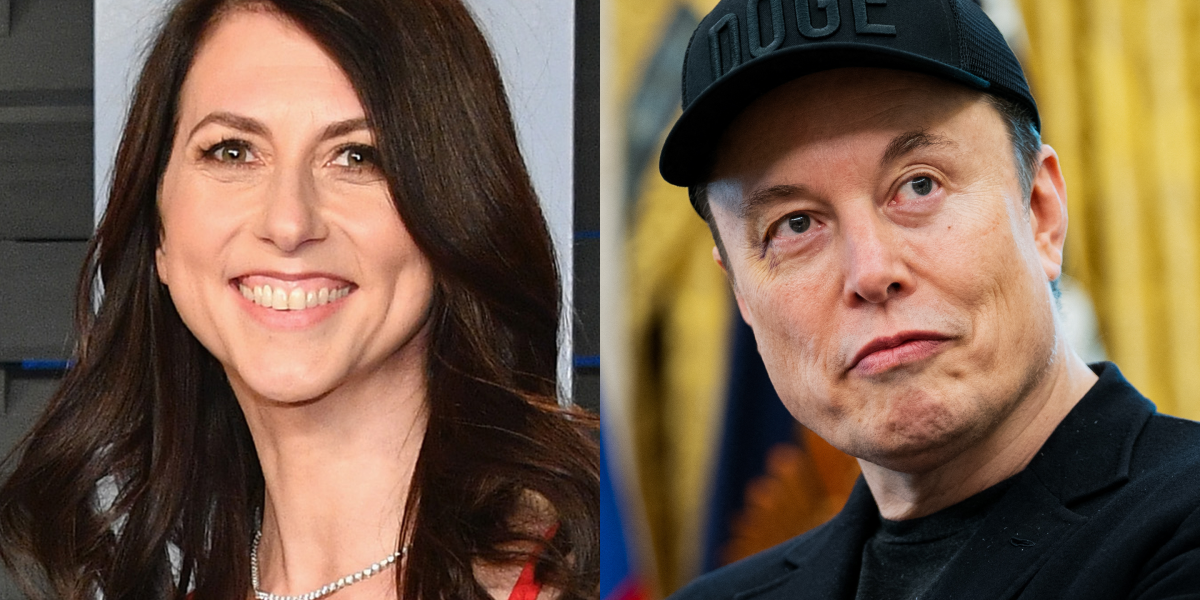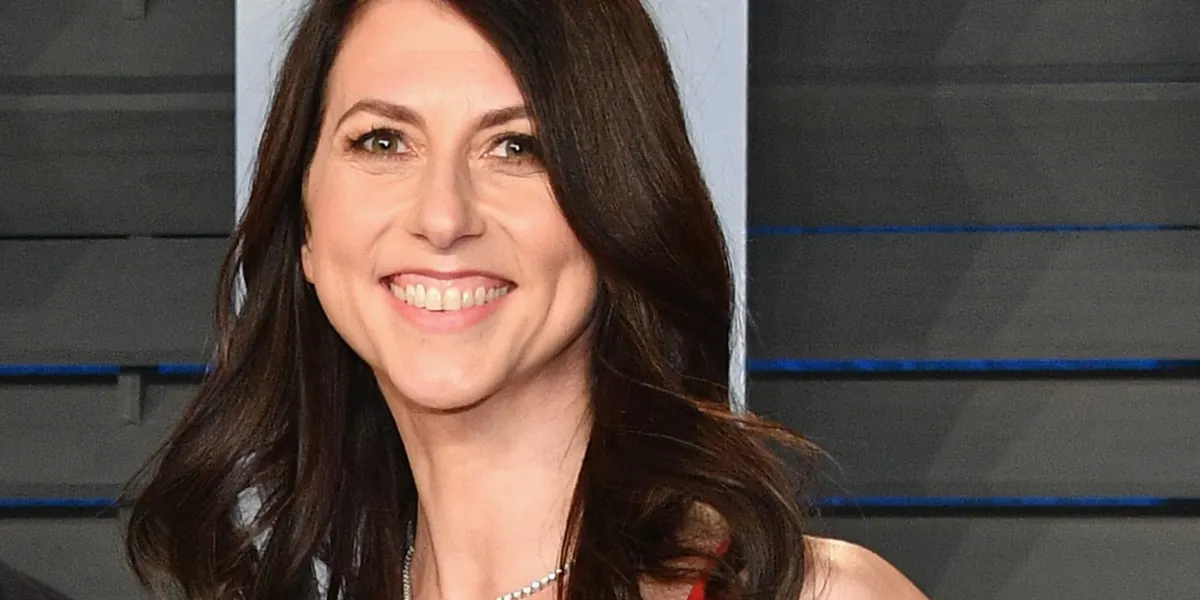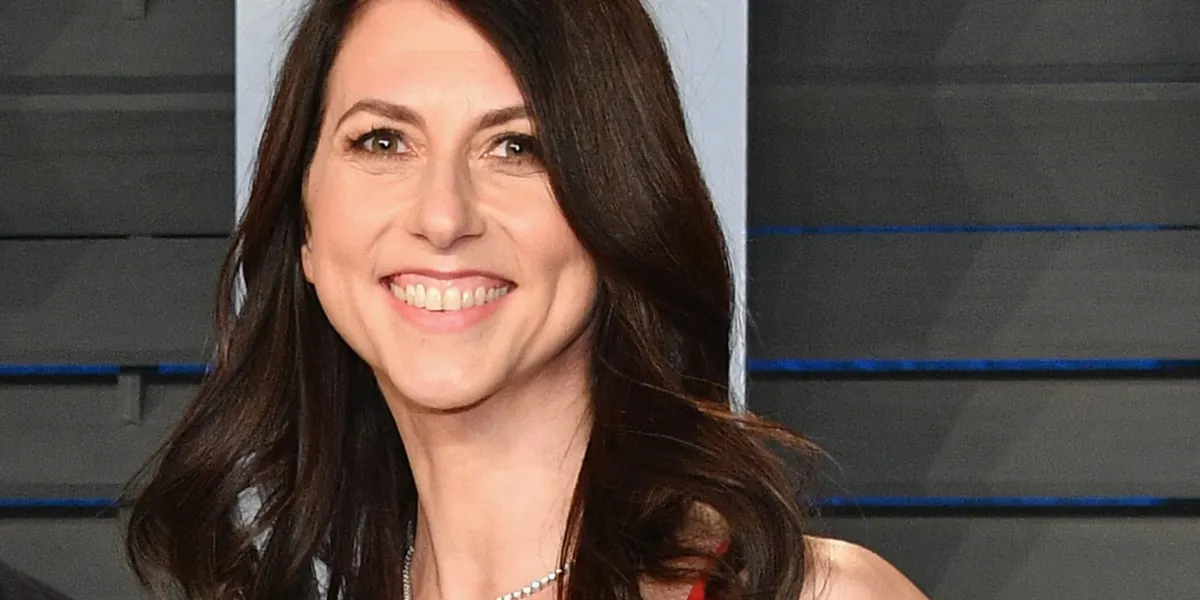
MacKenzie Scott has wowed just about everyone with her approach to philanthropy. (Except for Elon Musk, who implied the billionaire philanthropist makes the world a worse place).
The fascination with Scott doesn’t just have to do with the amount the novelist and ex-wife of Amazon founder Jeff Bezos has given away—more than $26 billion—but also the pace at which she’s doled it out. She’s given away that sum of money in just a matter of a few years, which steers heavily away from how billionaires usually give away their fortunes.
Indeed, families with more than $500 million in assets gave away about 1.2% of those assets in 2017, according to research from the Bridgespan Group, a global consulting firm for nonprofits and philanthropy. When Bridgespan ran the numbers again for 2023, the figure was essentially unchanged, even though those fortunes had been compounding at rates at or above the S&P 500’s long-run average of roughly 9%.
In other words, while the absolute dollars in giving grew, the share of wealth stood still. That’s the pattern Bridgespan cofounder Jeffrey Bradach has coined as “slow philanthropy.” In an essay adapted from Bridgespan’s research and published by Stanford Social Innovation Review on Thursday, he argues the giving of many ultra-wealthy people lags far behind the aspirations they express. These plans are sometimes laid out by signing Giving Pledge letters, but other research has shown they often don’t follow through.