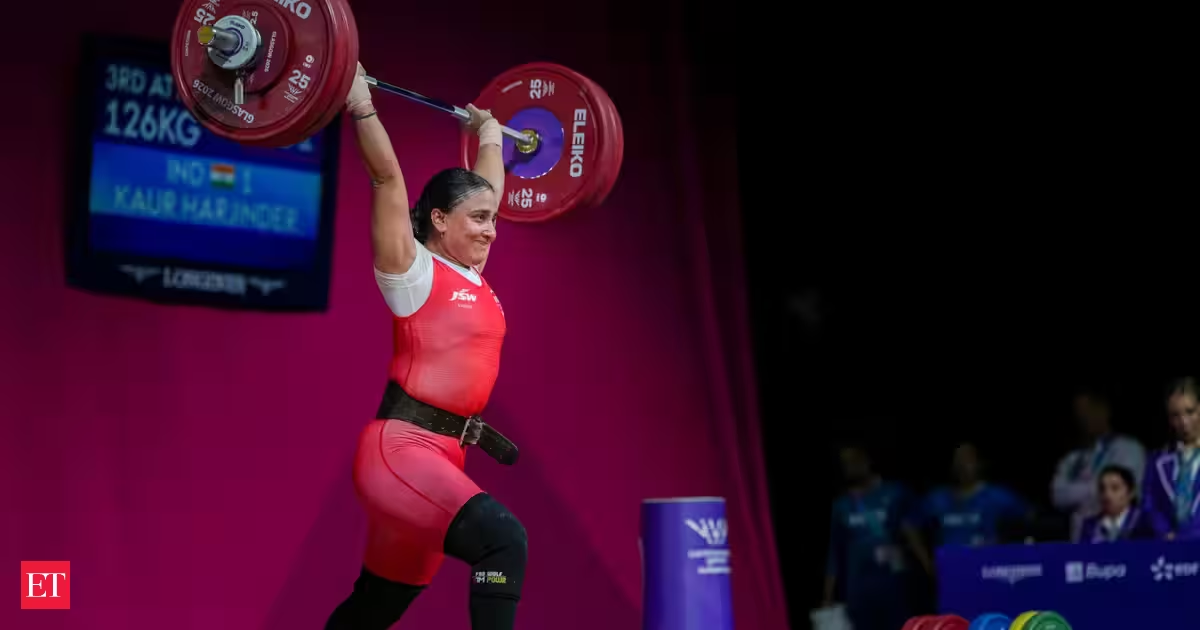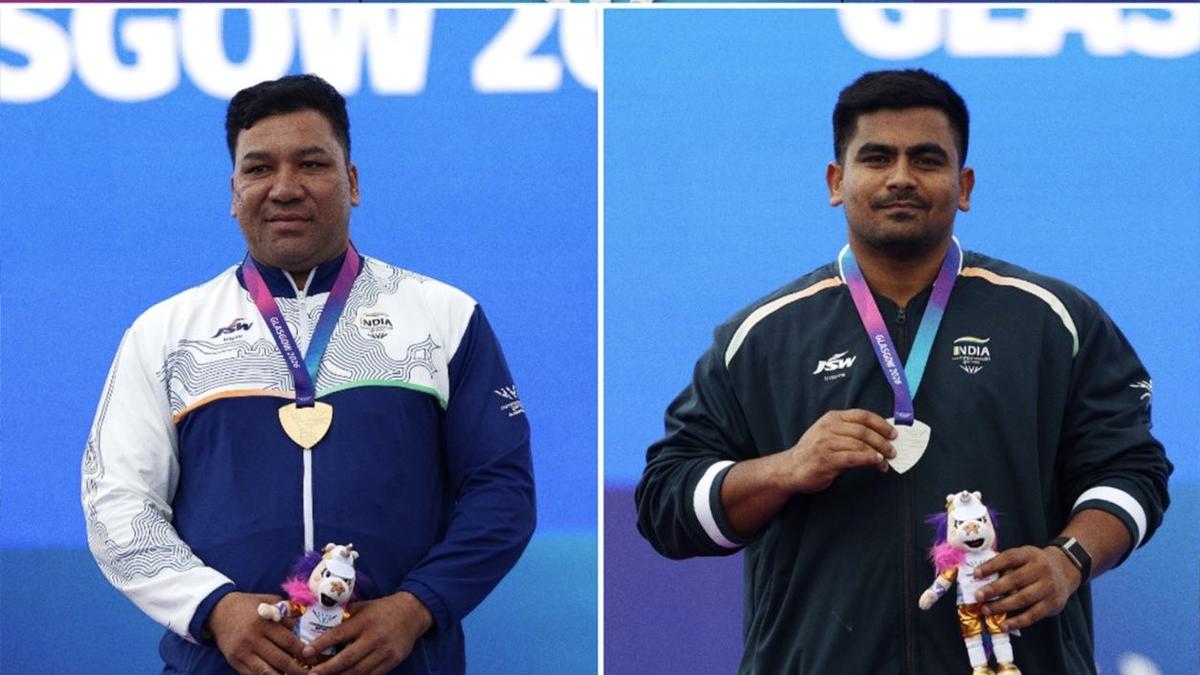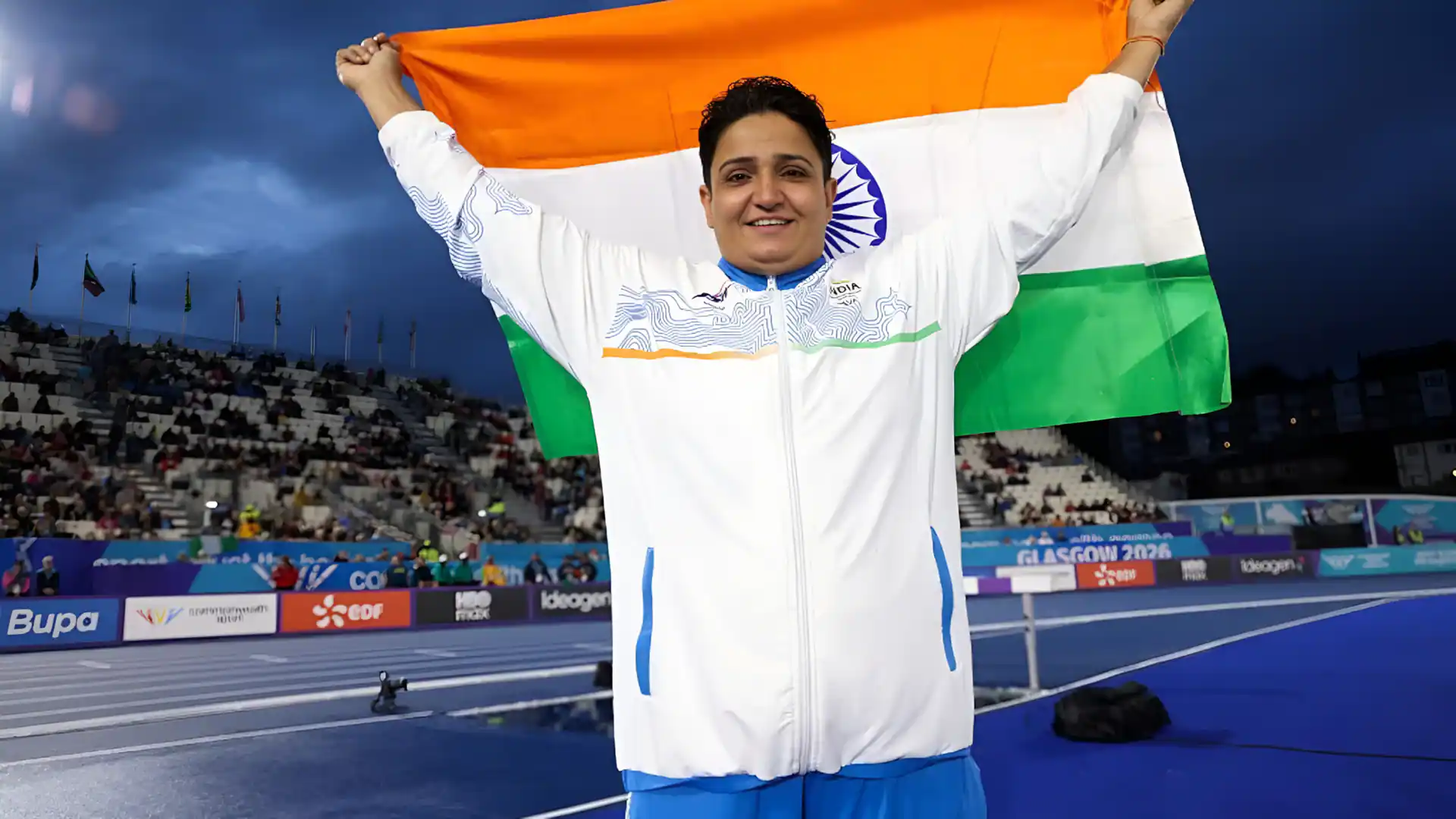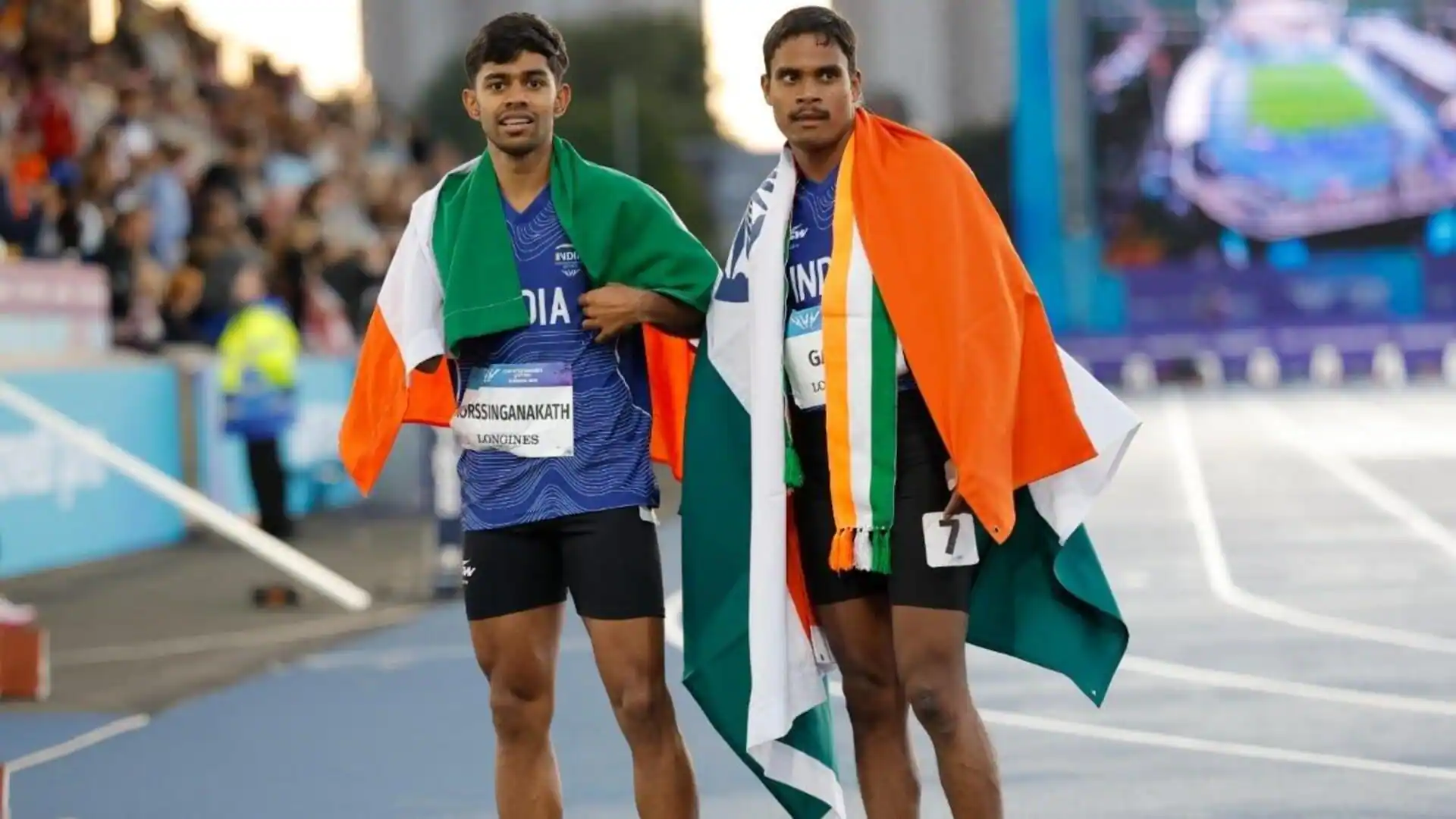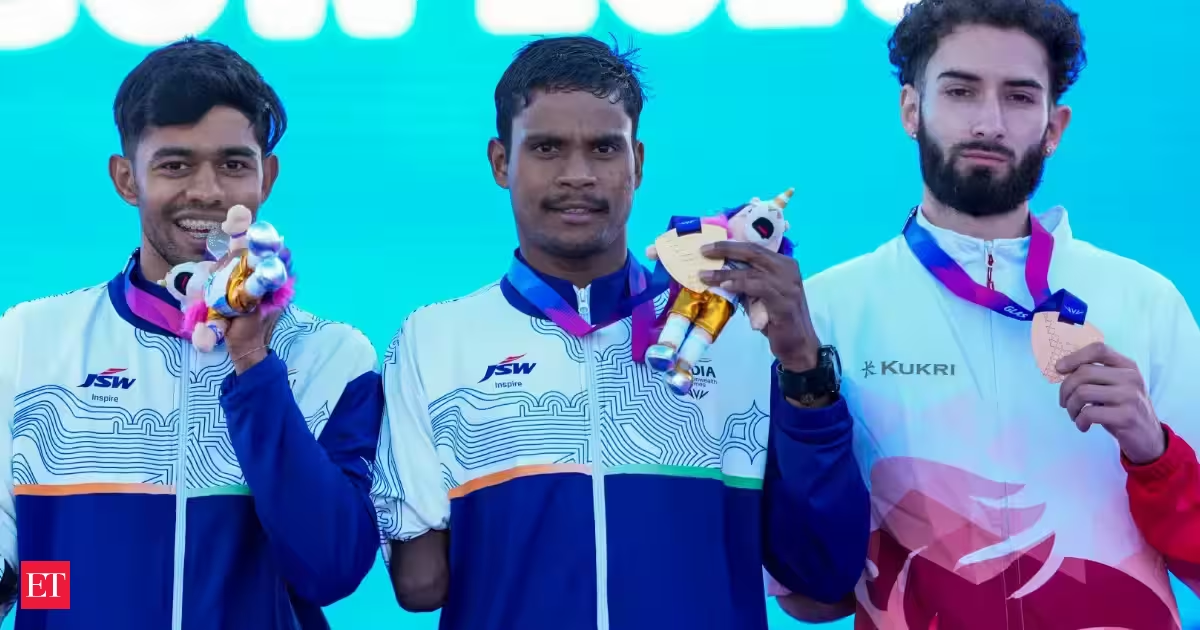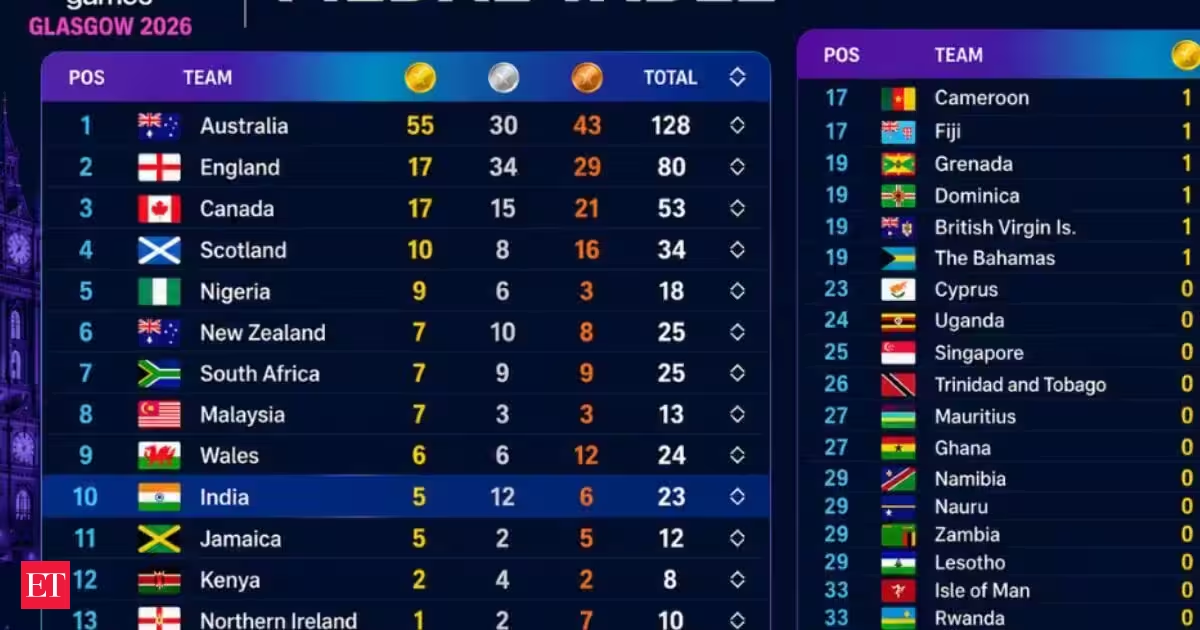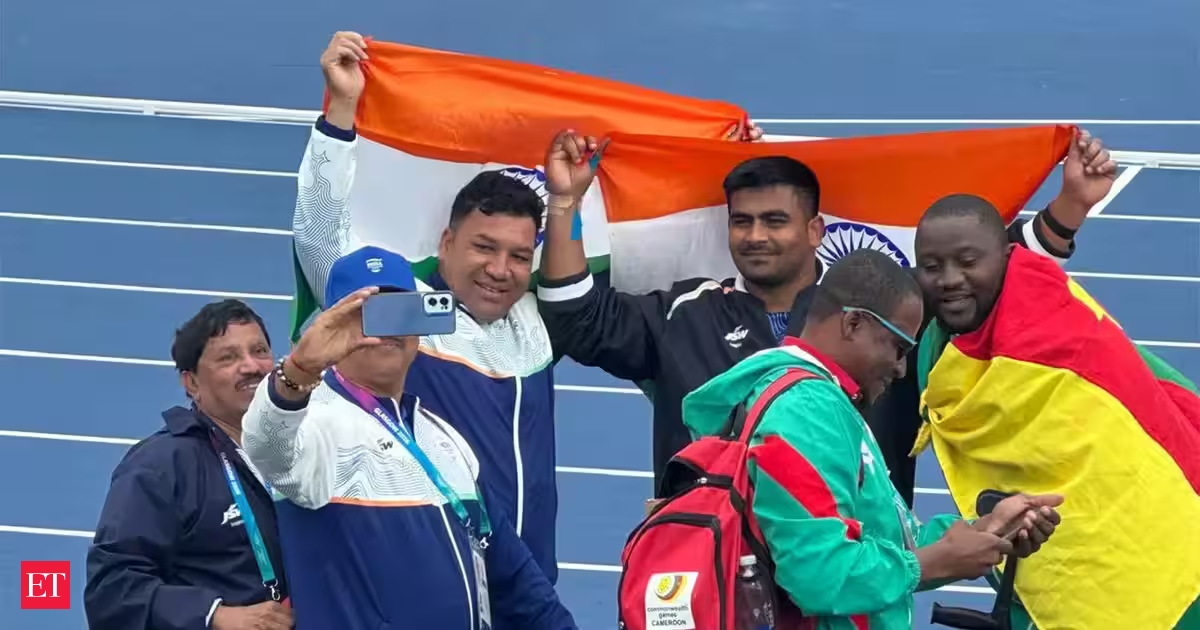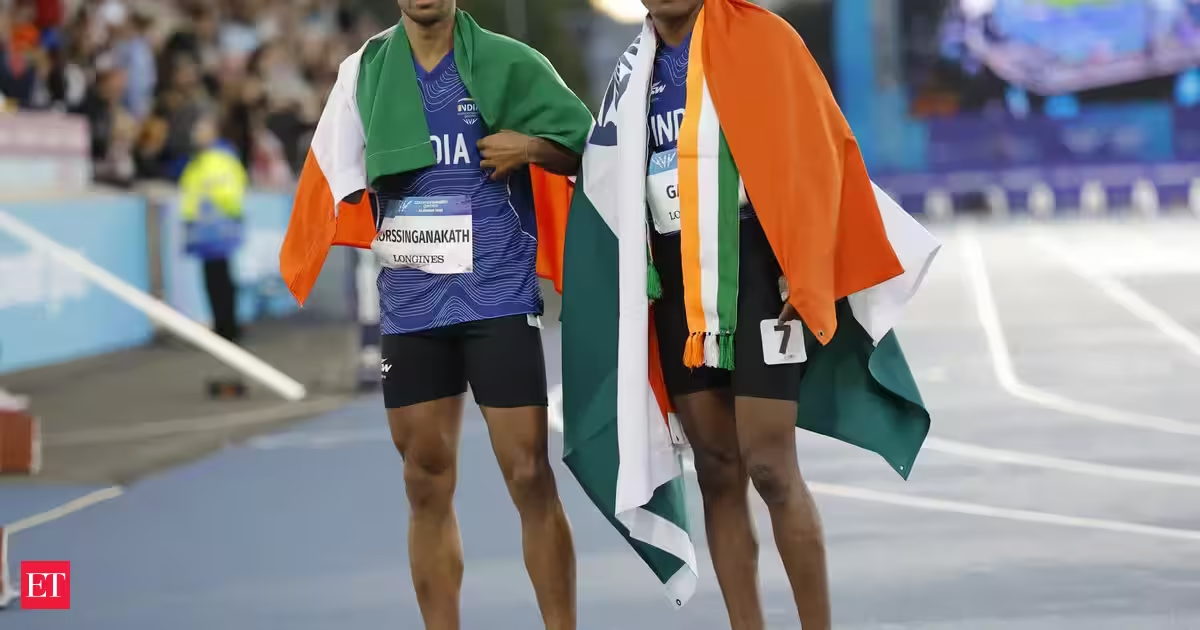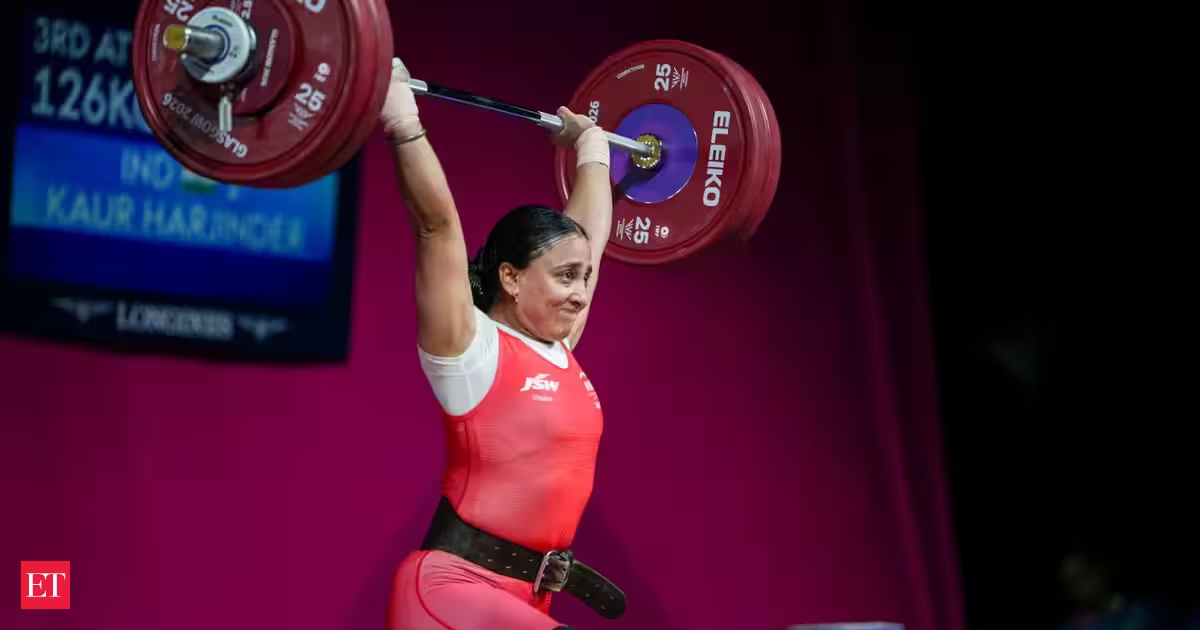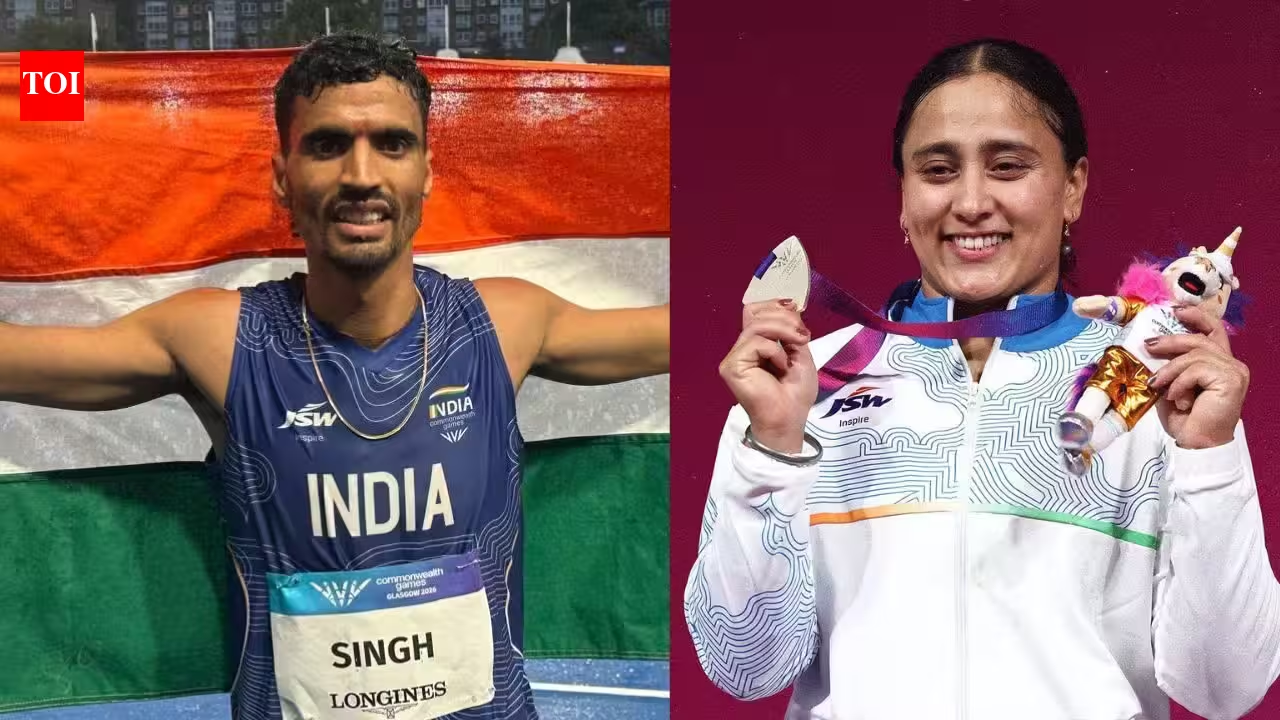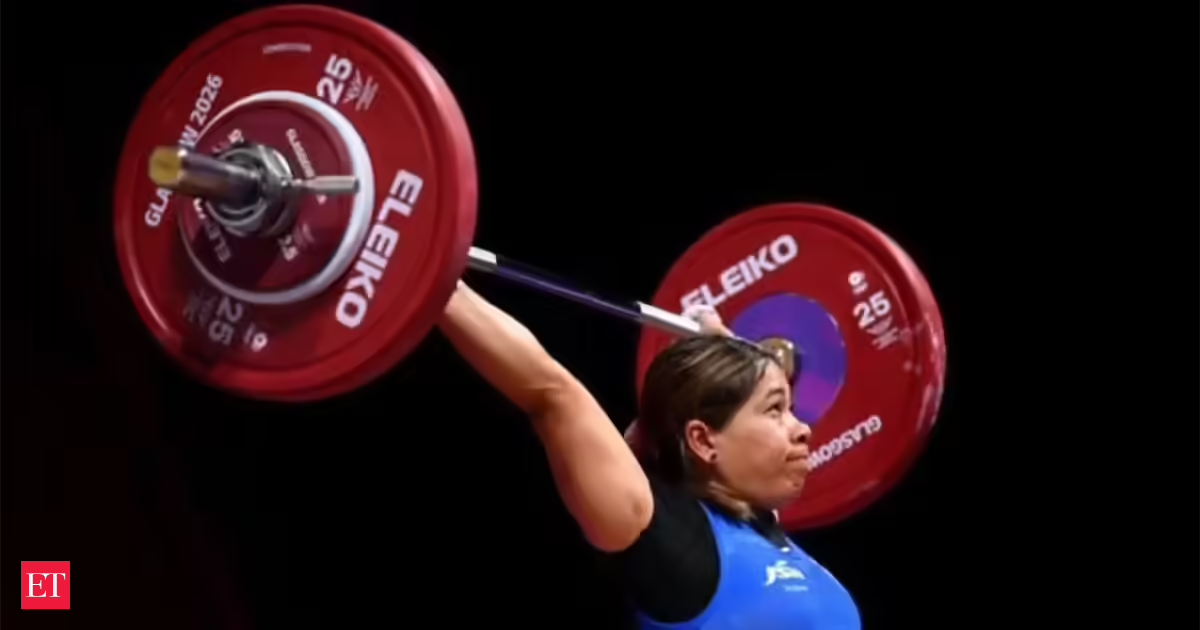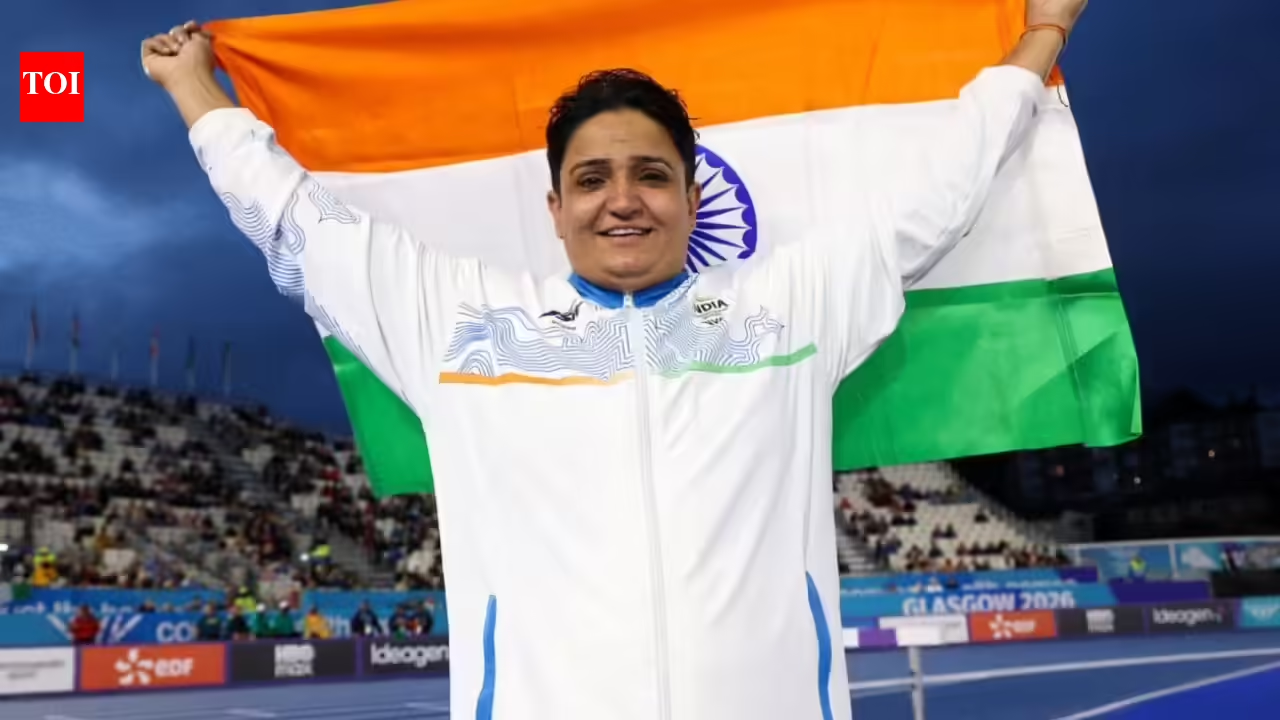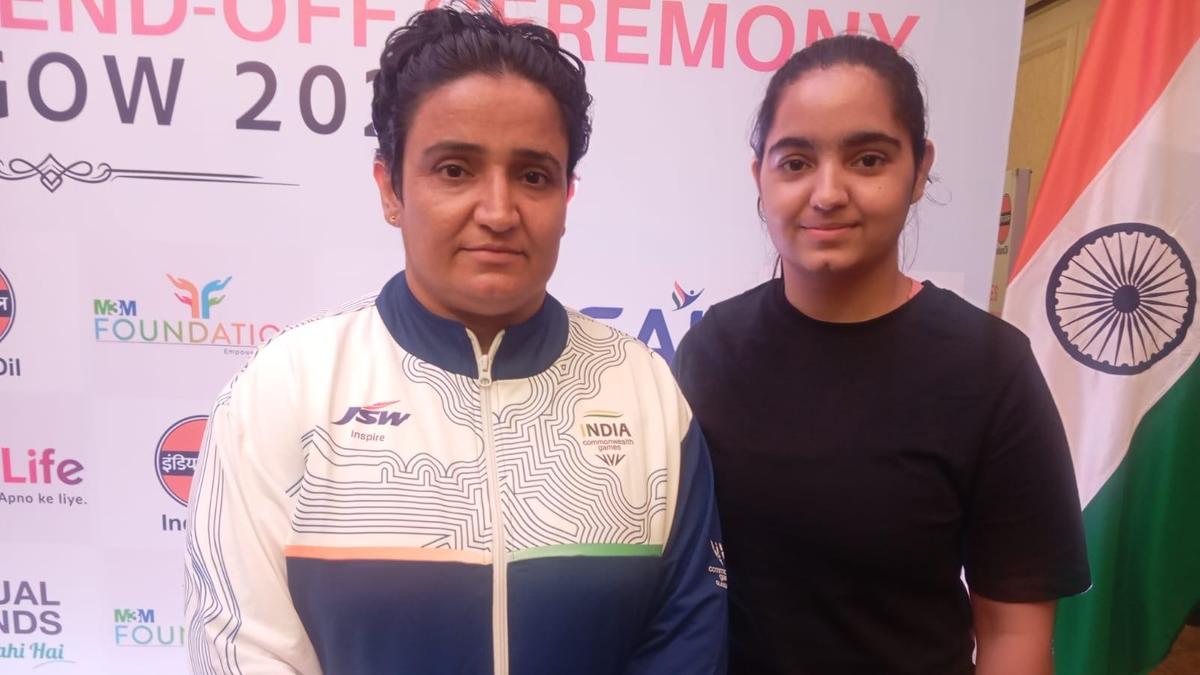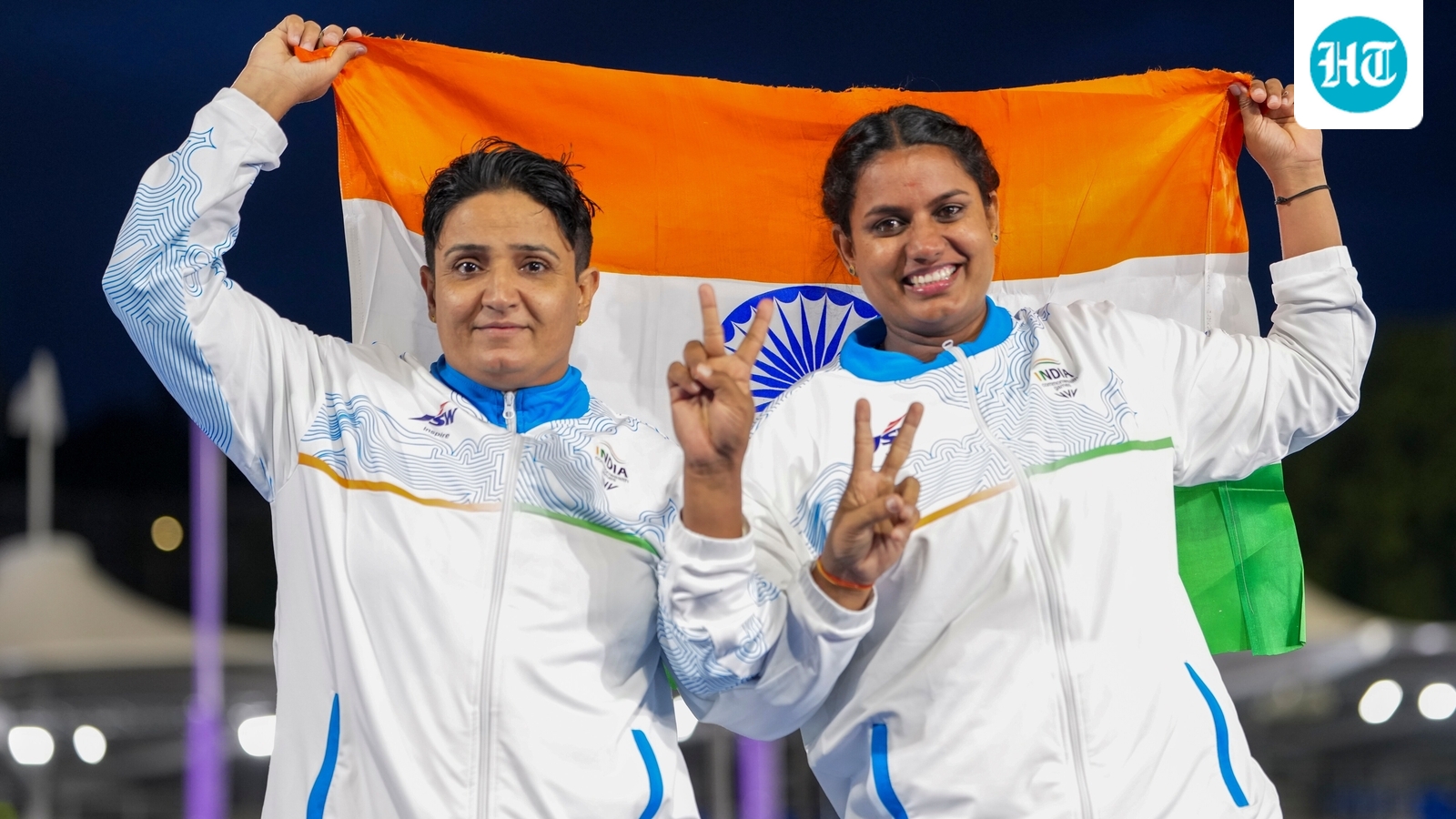
This was always going to be a difficult Commonwealth Games for India. Maintaining the 50-medal benchmark, a streak the nation had carried into every edition since the turn of the century, looked improbable in Glasgow because of the significantly reduced sports programme.Sharmila Dhankar, left, and Shilpa K Shyla celebrate after winning gold and bronze medals respectively in the women's shot put F57 at the 23rd Commonwealth Games, in Glasgow (PTI)The weightlifters ignited India's campaign with a flurry of medals and Games records. The boxers then stole the spotlight, delivering the greatest boxing campaign by any contingent in Commonwealth Games history with seven golds and three silvers.Yet, the story of India's Glasgow campaign cannot be told without its para athletes.They did far more than win medals. They shattered ceilings, eclipsed every benchmark set before them and transformed what was once considered an inspiring side story into one of the defining narratives of India's sporting rise.ALSO READ: Sakshi Choudhary’s Glasgow CWG boxing gold speaks to her dedication and daredevilryEvents for athletes with disabilities first featured at the Commonwealth Games as an exhibition sport in Victoria in 1994. Eight years later, at the 2002 Manchester Games, para athletes became fully integrated into their national teams, making the Commonwealth Games the first truly inclusive international multi-sport event.Since that landmark edition, India had won only seven para-sport medals across six Commonwealth Games—one gold, two silver and four bronze.The Birmingham Games in 2022 had been the country's most productive outing until then. Bhavina Patel won gold and Sonalben Patel claimed bronze in para table tennis, while Sudhir initially added a third gold in para powerlifting before being stripped of the medal after failing an in-competition anti-doping test.Glasgow changed that narrative completely.India's 28-member para contingent matched the combined medal tally from all previous Commonwealth Games editions, returning with seven medals, three gold, two silver and two bronze, with the possibility of adding another on the final day, when para cyclist Lisha Das competes in the Women's C4-C5 1000m Time Trial.But unlike the cumulative tally from previous editions, this campaign was built on clean podium finishes, multiple champions and unprecedented depth, making it the finest para-sport performance in India's Commonwealth Games history.The breakthrough began on the opening day itself, when para powerlifter Jhandu Kumar secured India's first medal of the Games with bronze in the men's heavyweight category. The 28-year-old, who overcame childhood polio, poverty and years of odd jobs, amassed 130.9 points after successful lifts of 181kg and 190kg, missing out on his final attempt of 196kg.Then came the athletics revolution.India ended a 20-year wait for a para-athletics medal at the Commonwealth Games—the previous one having come in 2006 through Ranjith Kumar Jayaseelan in the seated discus throw—and did so in spectacular fashion.The contingent produced three double podium finishes.Sharmila struck gold and Shilpa Shyla added bronze in the women's Shot Put F57. Dilip Mahadu Gavit stormed to gold in the men's 100m T47, while Mohammed Basil Morssinganakth claimed silver. Soman Rana completed the golden trio in the men's Shot Put F57, with Shubham Juyal taking silver behind him.The campaign also produced a Games record and an Asian record, underlining how far Indian para sport has progressed in recent years.Perhaps none of this should have come as a surprise.At the team's official send-off ceremony before departure for Glasgow, Paralympic Committee of India president Devendra Jhajharia had predicted that India could return with a record-breaking half-dozen medals in para sport.The athletes did even better.By the time Glasgow drew to a close, they had not merely fulfilled expectations, they had rewritten the place of Indian para sport in Commonwealth Games history.
The greatest chapter yet: Indian para athletes rewrite India's Commonwealth Games legacy
The CWG 2026 campaign also produced a Games record and an Asian record, underlining how far Indian para sport has progressed in recent years.
601 words~3 min read