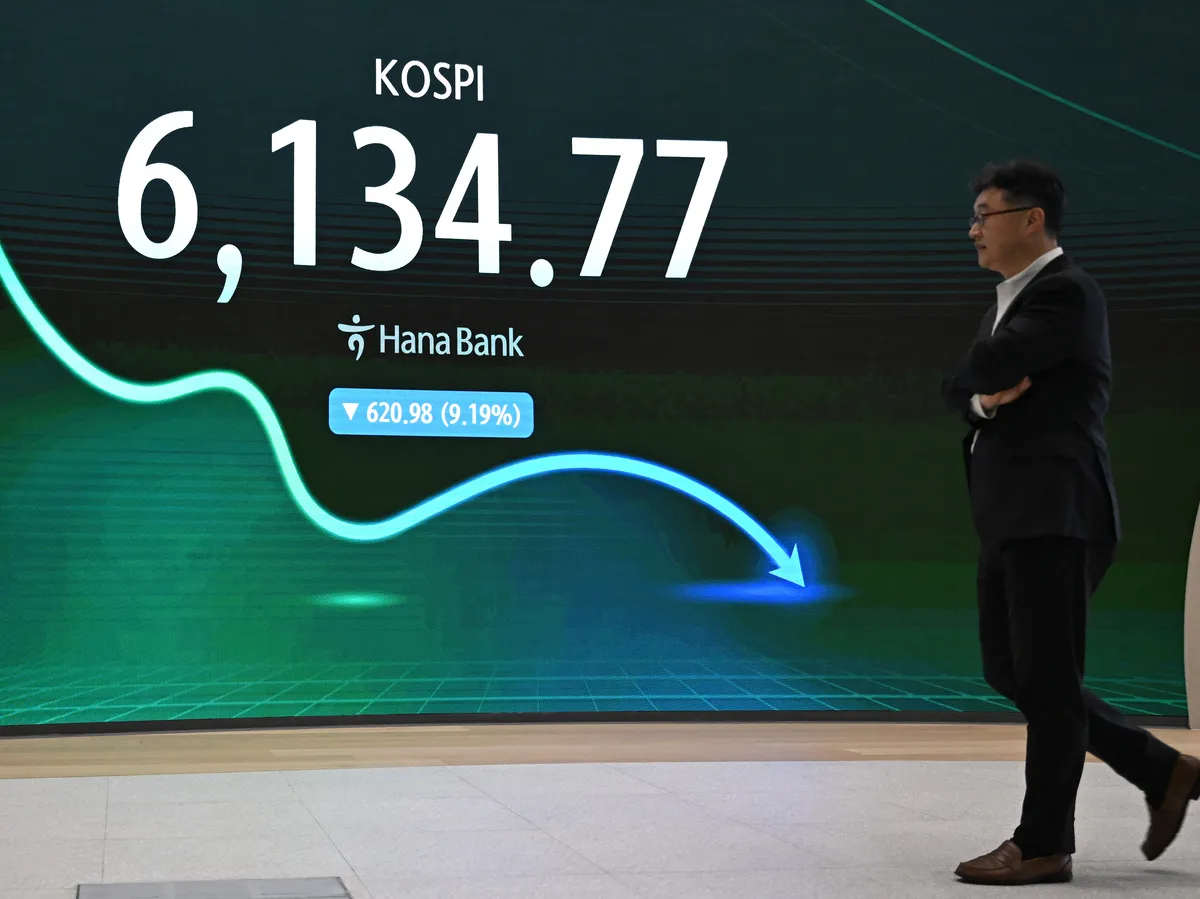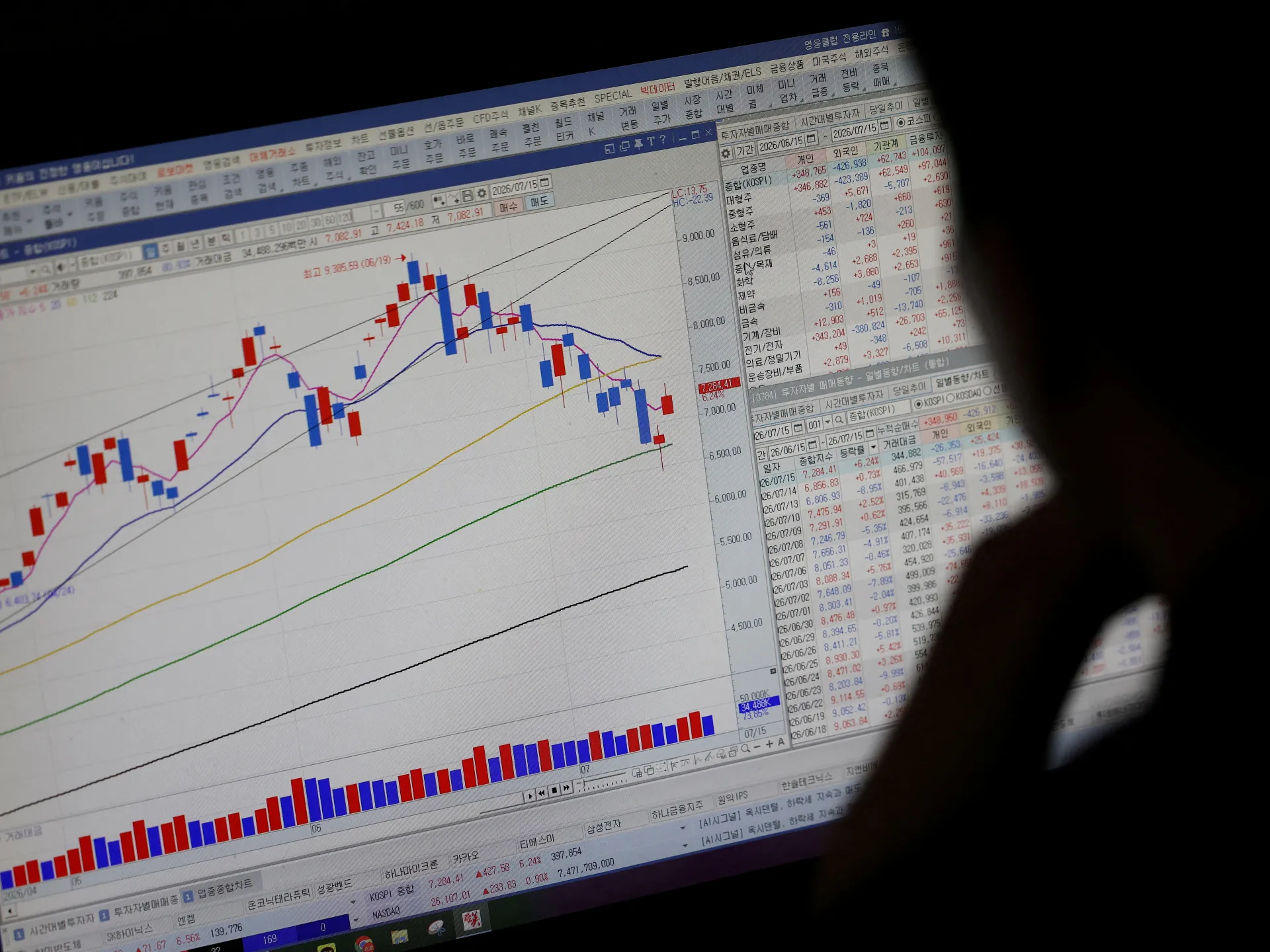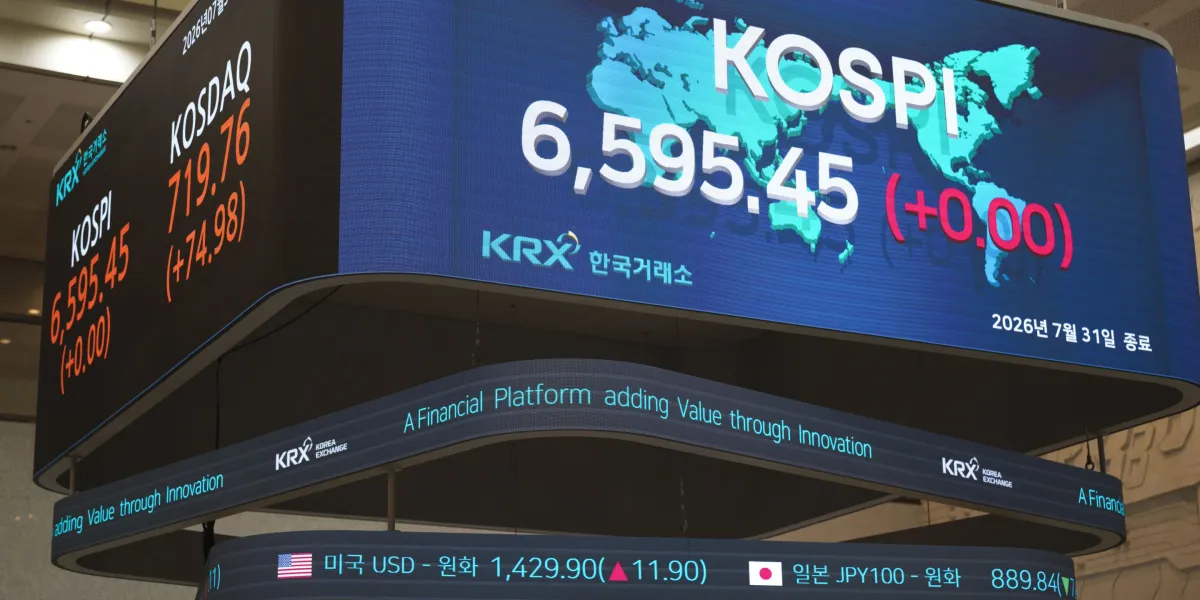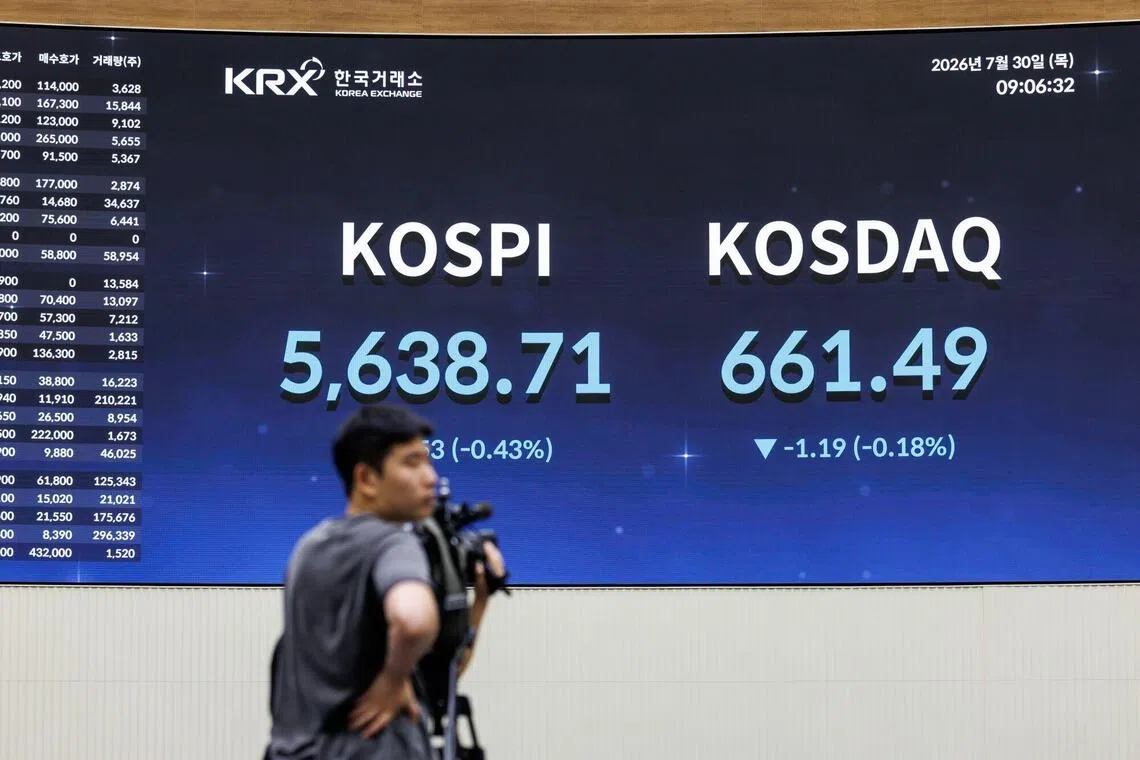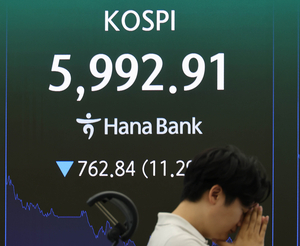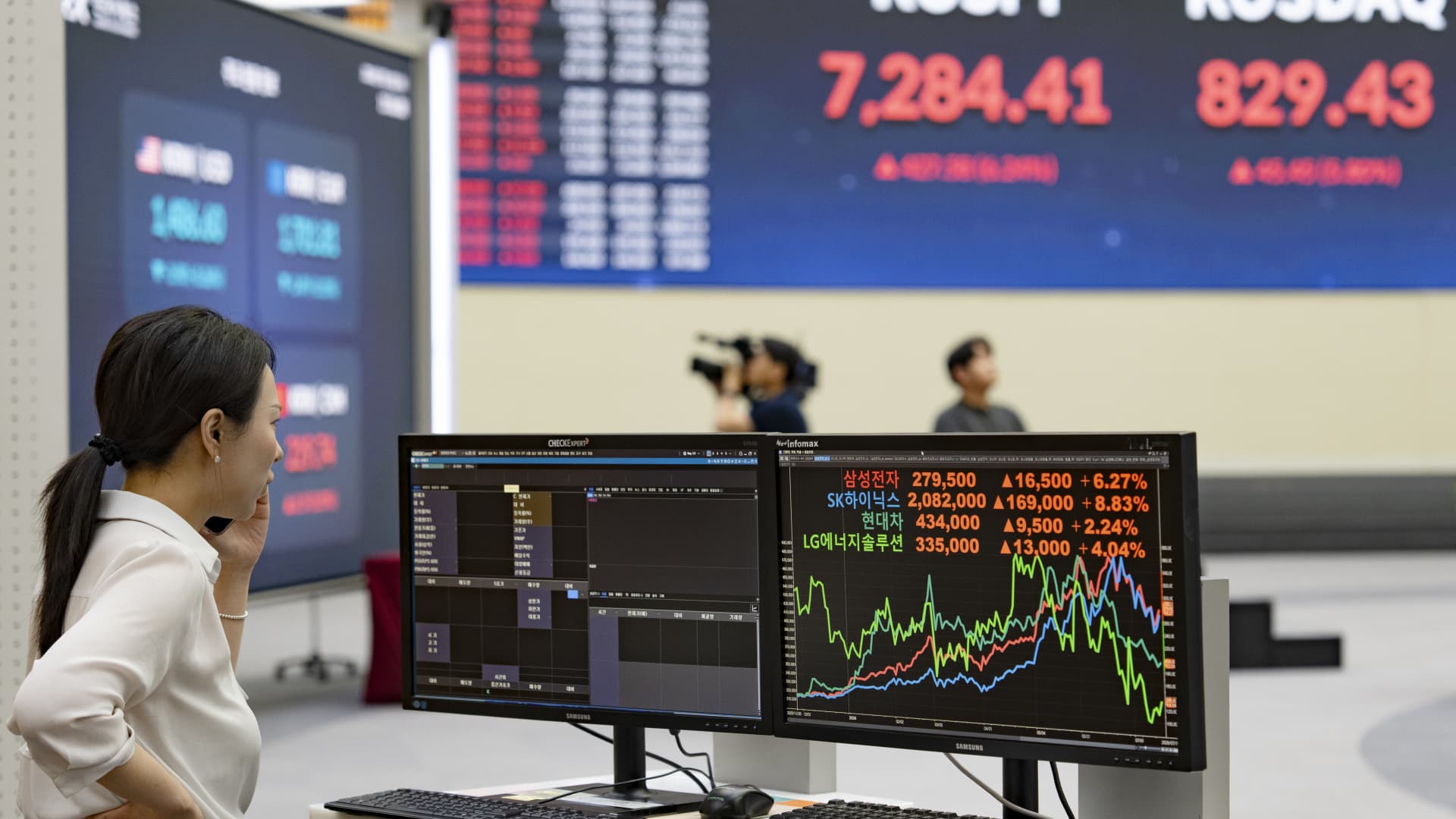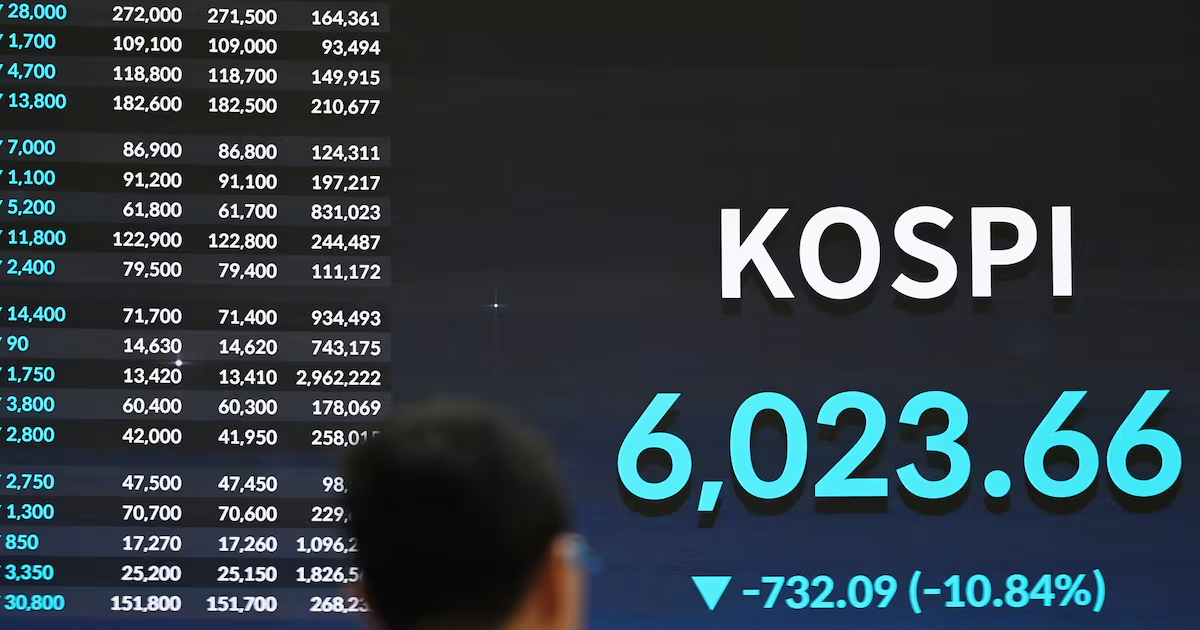
“The game taught me the game,” wrote 1920s trader Jesse Livermore. “And it didn’t spare me the rod while teaching.”It still doesn’t, as retail investors in South Korea are discovering. One of the Financial Times’s most-read stories recently carried the headline: “‘My life’s screwed’: Korean investors stress out after AI bubble bursts.”The scale of the recent swings has been brutal. The Kospi cratered 17 per cent in three days, and 40 per cent since June, before rebounding sharply. The index, dominated by Samsung and SK Hynix, remains up about 50 per cent in 2026, but that’s little comfort to latecomers who chased the enormous rally. Almost half of its Samsung investors are now nursing losses, said one brokerage, as are nearly 70 per cent of SK Hynix investors.Leverage made a bad situation worse, with regulators restricting access to newly approved leveraged ETFs, but only after many fell more than 60 per cent.This has been no niche trading frenzy, with South Korea having nearly 110 million active stock accounts, or around two for every citizen.In the US, too, 2026’s best performers have been battered, according to Bespoke Investment Group, falling an average of 36 per cent in July.And let’s not go there with SpaceX, which has halved since June’s short-lived peak.Livermore would have recognised the pattern. The technology may be new, but the psychology is anything but.
South Korea’s AI stock crash teaches retail investors an old market lesson
With nearly 110 million active stock accounts, or around two for every citizen, the impact of 40% slide has been brutal
TL;DRAI
South Korea's Kospi crashed 40% since June on AI bubble; 70% of SK Hynix and 50% of Samsung investors underwater. Retail deleveraging and mood swing on AI valuations highlight market psychology over fundamentals—expect spillover on VC funding and enterprise priorities.
226 words~1 min read