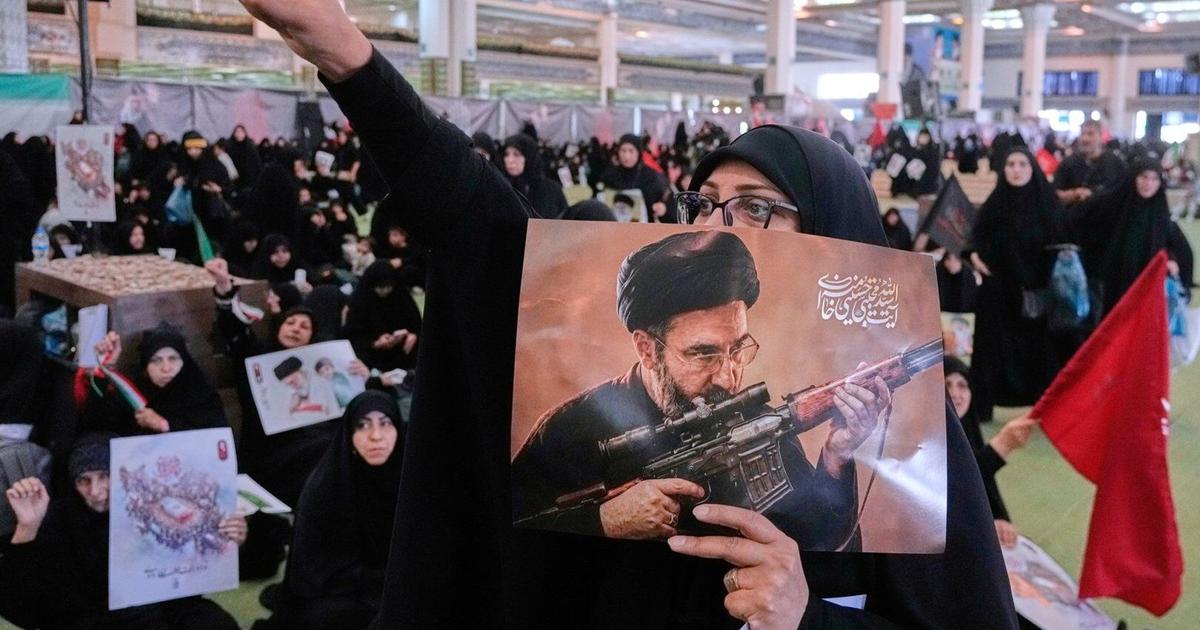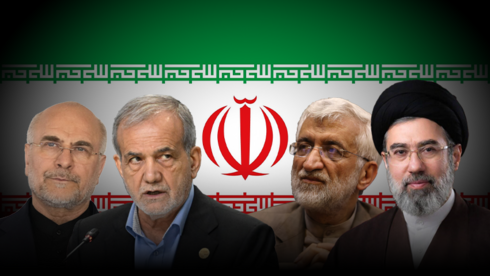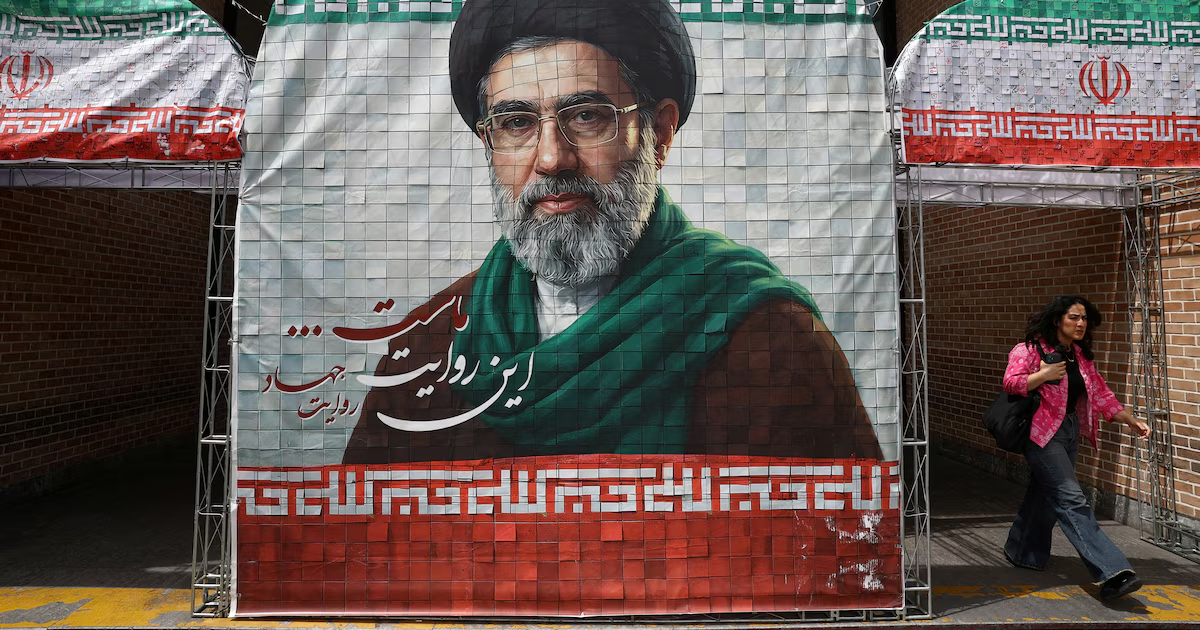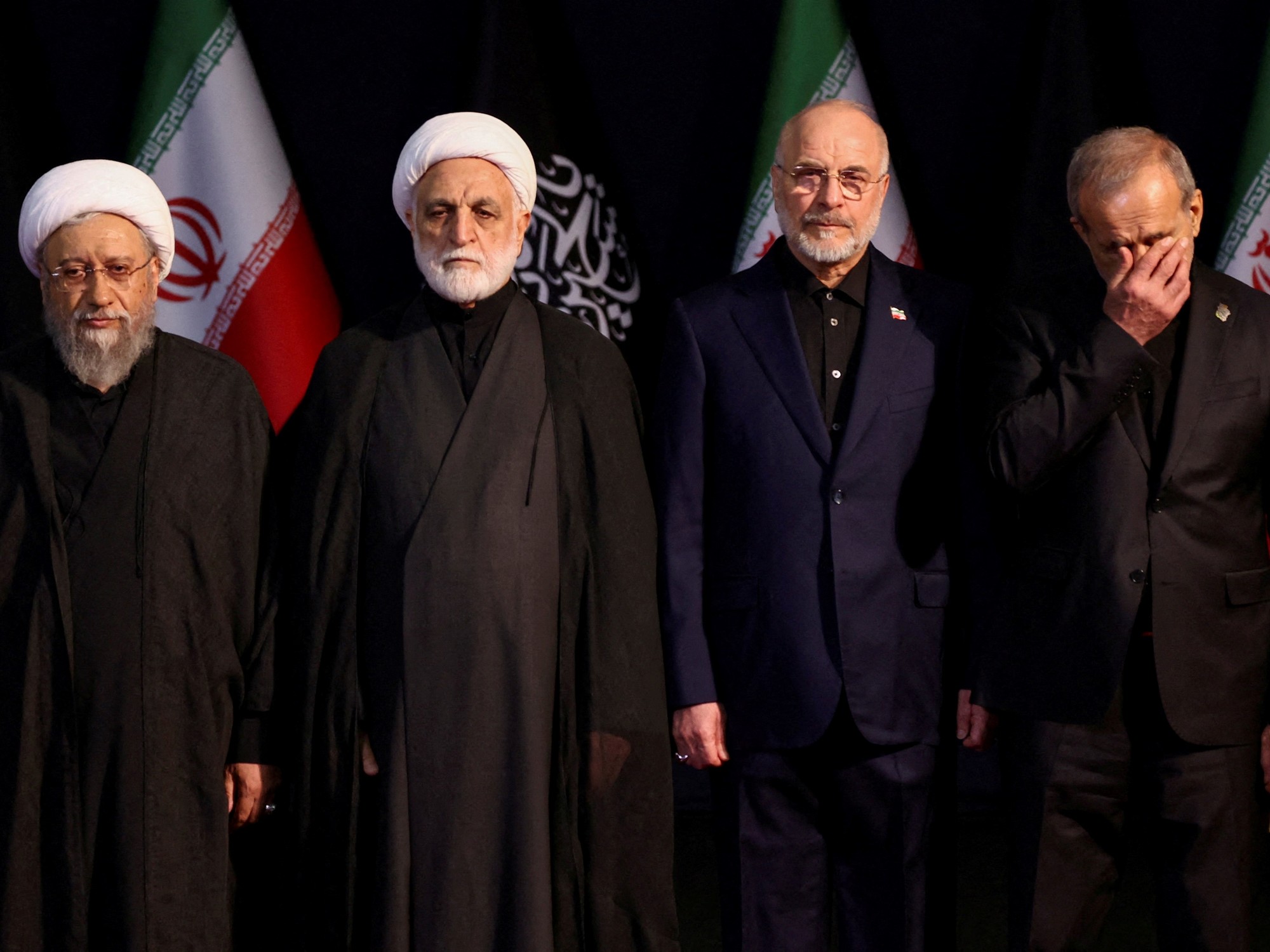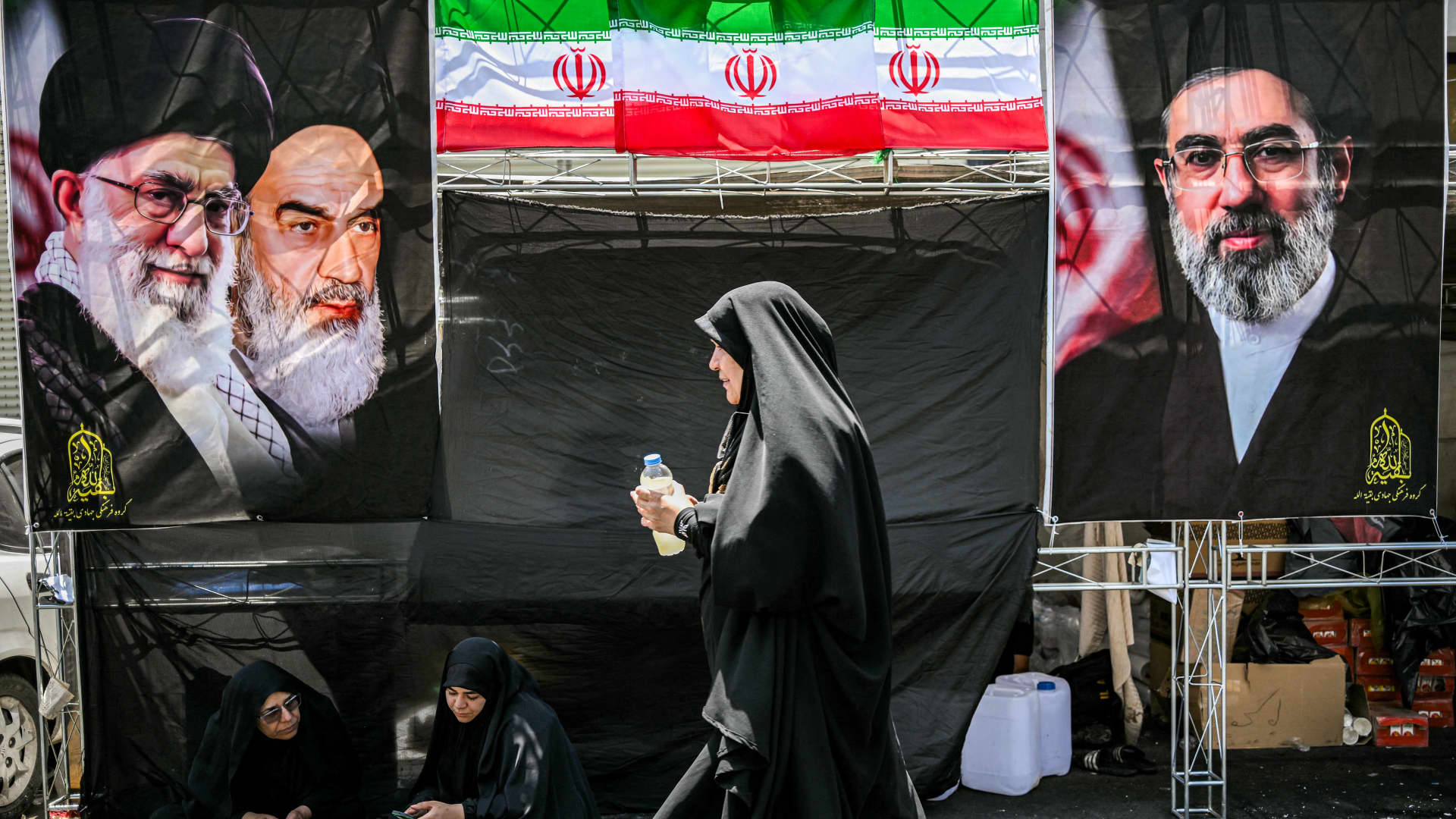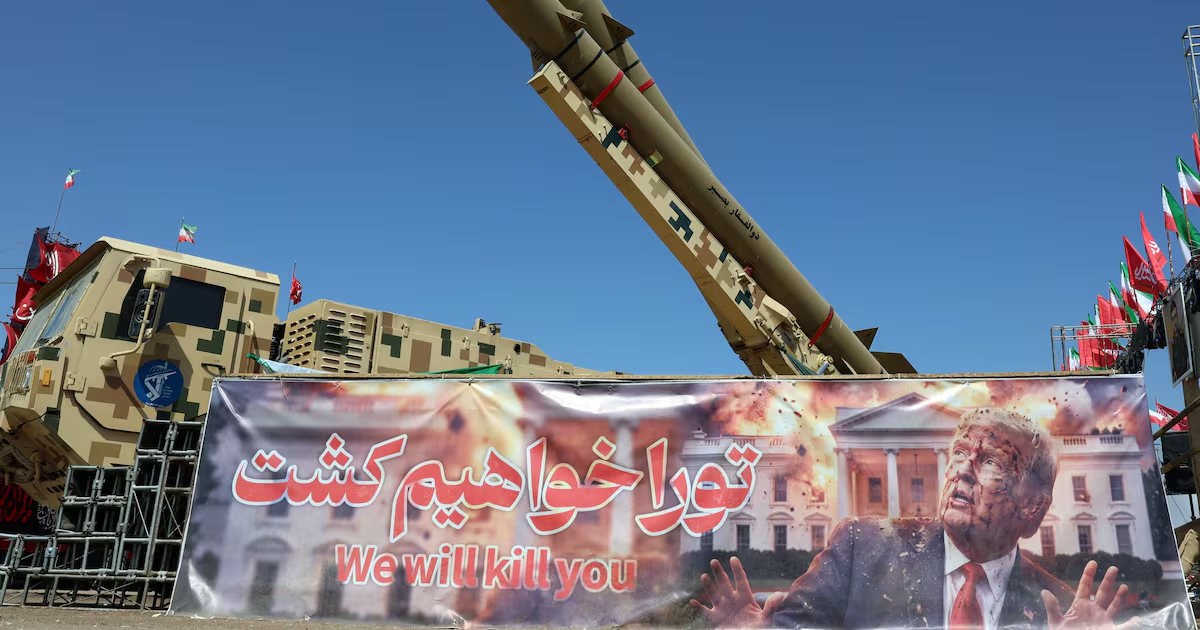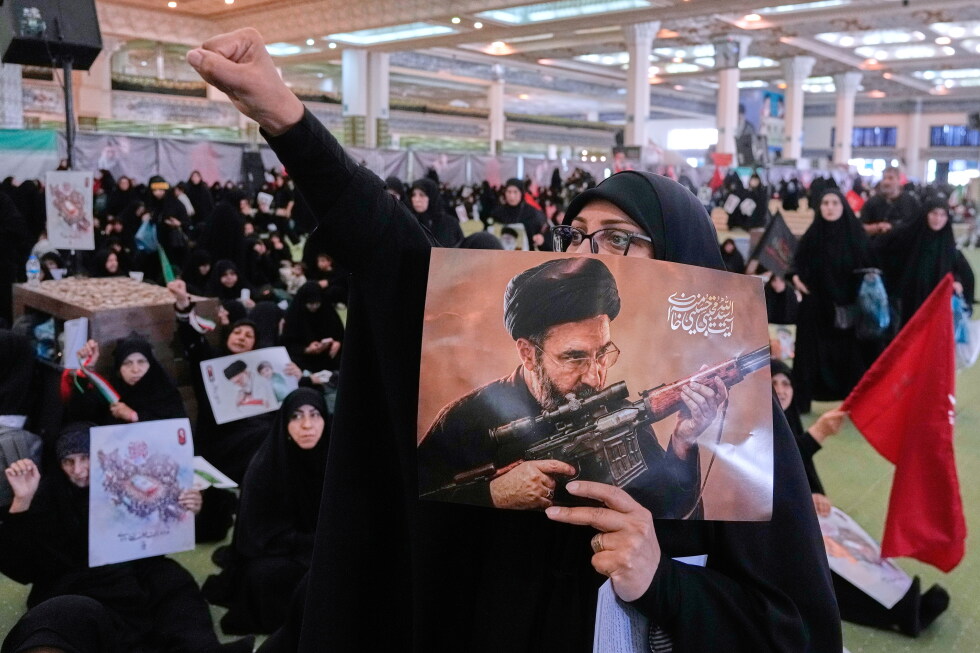
CAIRO (AP) — With escalating attacks against U.S. bases and its allies over the past week, Iran’s leaders are showing considerable unity over their war strategy: hanging tough, determined to show Iran can endure more than America and its allies can.But within the leadership, there are sharp differences over what the endgame should be.On one side, the ultra-hardliners who oppose any negotiations with the United States are pressing for total victory in the war. Known as the “Paydari” movement – Persian for “stability” – they are hard-core ideologues who want to enforce the Islamic Republic’s control over society.On the other, those who support President Masoud Pezeshkian and powerful parliament speaker Mohammad Bagher Qalibaf — who doubles as Iran’s chief negotiator — see military pressure as a way to win a negotiated deal with the United States. This camp is also spurred by concern over the economic toll Iran is suffering from the war and the need to adapt to social change in the country.“Negotiation is a political tool and a complement to military action to force the enemy to a point of compulsion and extract real concessions,” an adviser to Qalibaf, Mahdi Mohammadi, wrote on his Telegram channel Thursday.The unusually open rivalry within the theocracy’s leadership points to a struggle for control over Iran’s postwar future. A huge question mark is where the new supreme leader, Ayatollah Mojtaba Khamenei, stands. Reportedly injured in the strike that killed his father in the opening minutes of the war on Feb. 28, Khamenei remains in hiding, and both sides have claimed his support.
Iran's leaders show a united front over the war but are divided over what the goal is
Iran's leadership is showing unity in its war strategy against the U.S., but there are sharp differences over the endgame.
1,201 words~5 min read