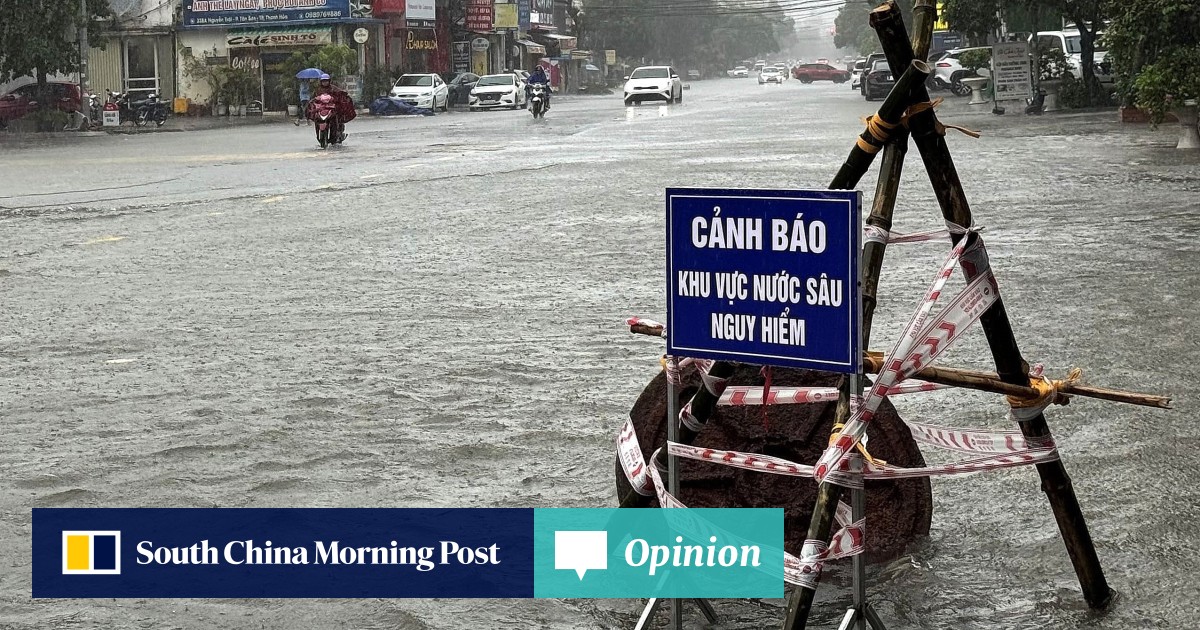
In June, the U.S. National Oceanic and Atmospheric Administration warned that there is a 63% chance of a very strong El Niño developing before the end of 2026, potentially rivaling the most severe episodes since records began in 1950. The 1997-98 El Niño, one of the strongest on record, triggered severe floods and droughts across Africa, Latin America, North America, and Southeast Asia, resulting in an estimated 22,000 deaths and more than $36 billion in economic losses.
Other major El Niño episodes brought crop failures, devastating peatland fires, and prolonged droughts. The effects of weather disruptions ripple through regional supply chains, affecting everything from aviation and manufacturing to insurance and public health.
Southeast Asia does not have a lack of climate information. It instead suffers from a lack of action.
The region already possesses satellites, weather observations, sophisticated climate models, and regional monitoring mechanisms. International agencies can predict the onset of El Niño months in advance, while institutions such as Singapore’s ASEAN Specialized Meteorological Centre (ASMC) continuously monitor haze and environmental conditions.
Yet governments and businesses still struggle to answer the questions that matter. Which communities will be hit by extreme weather first? Which peatlands are becoming most vulnerable? Which supply chains face the greatest disruption? And what should be done before environmental stress becomes economic crisis?