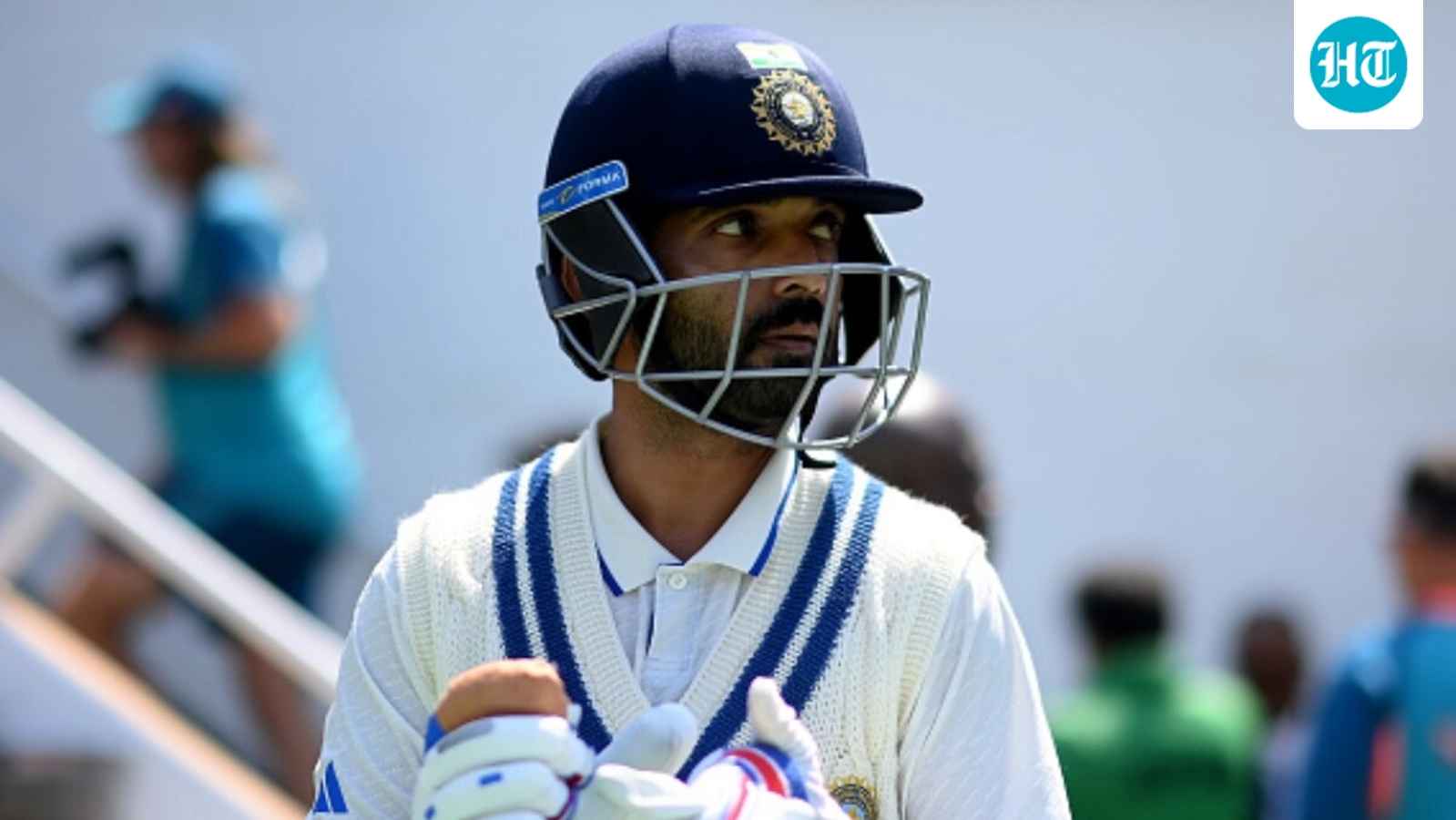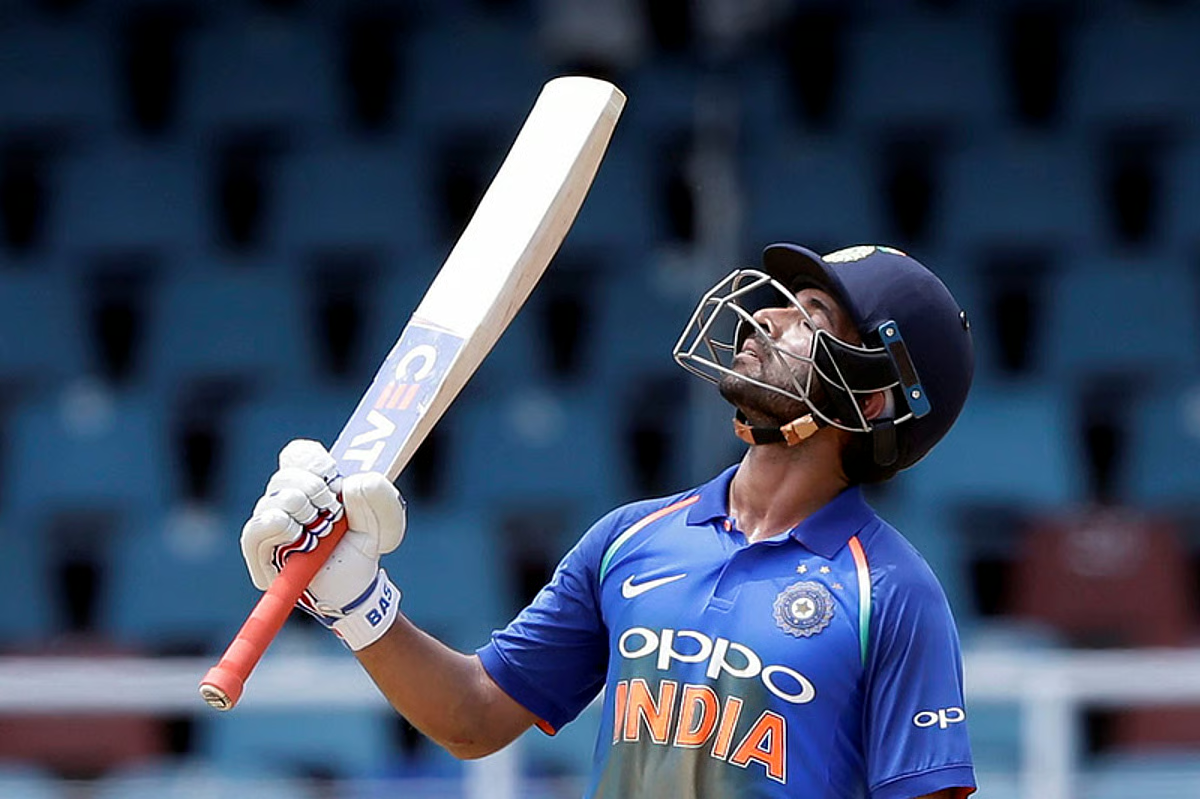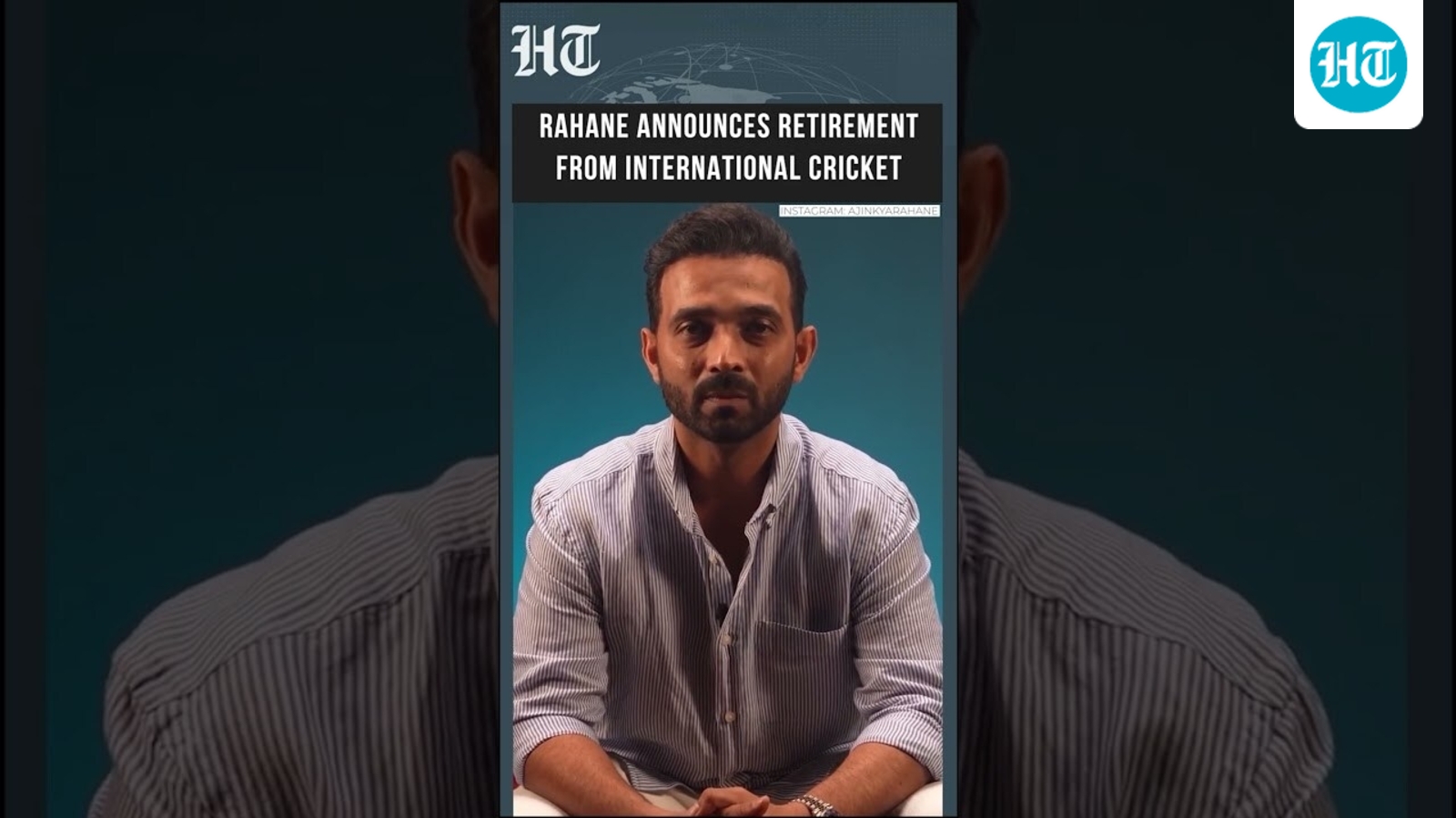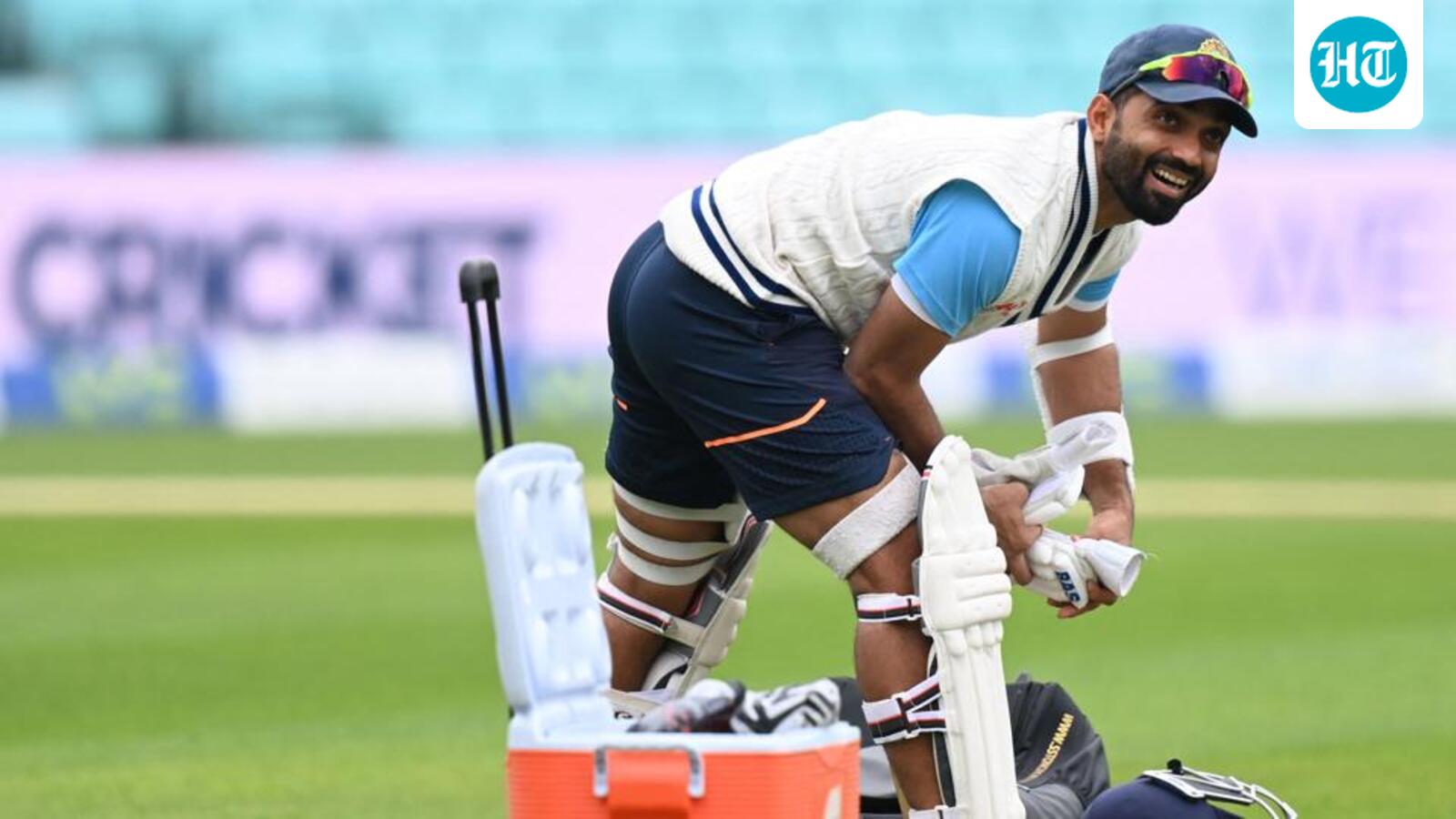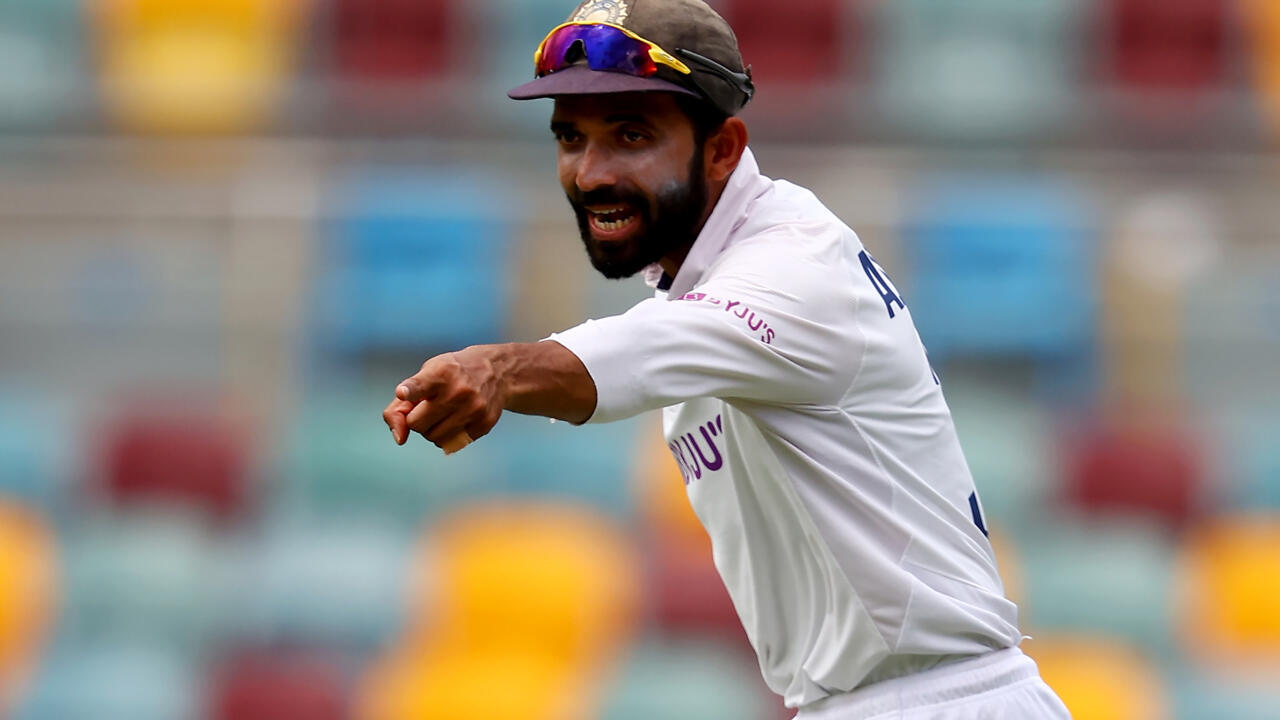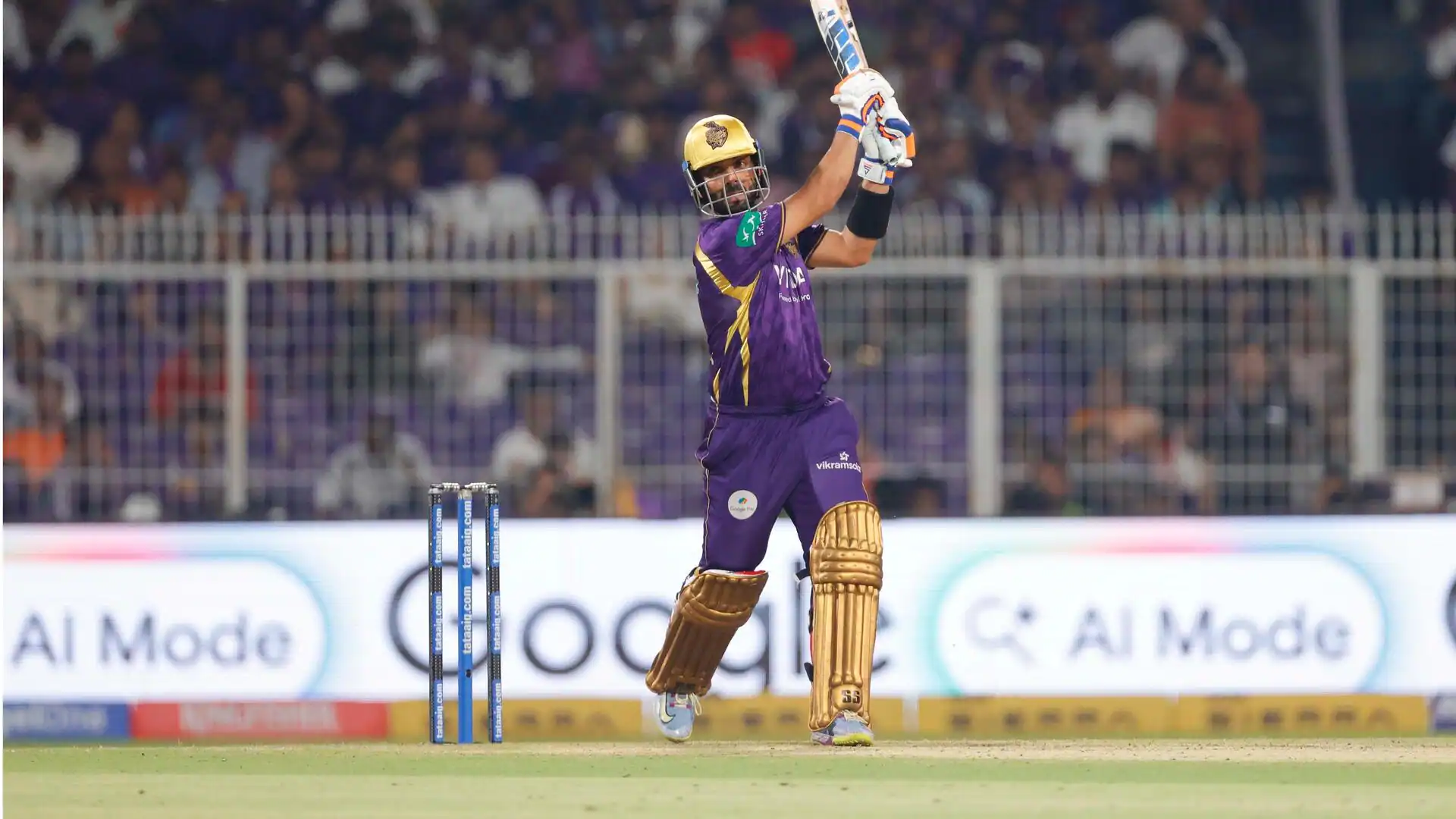
When Ajinkya Rahane quietly called time on his international career earlier this week, three years after his last appearance in India whites, it was in classic Rahane fashion – no loud grandstanding, no farewell lap. Yet, the departure of the former batting mainstay reverberates far beyond just the act of his walking away. With Rahane’s goodbye, the curtain falls on Indian Test cricket’s most formidable age.
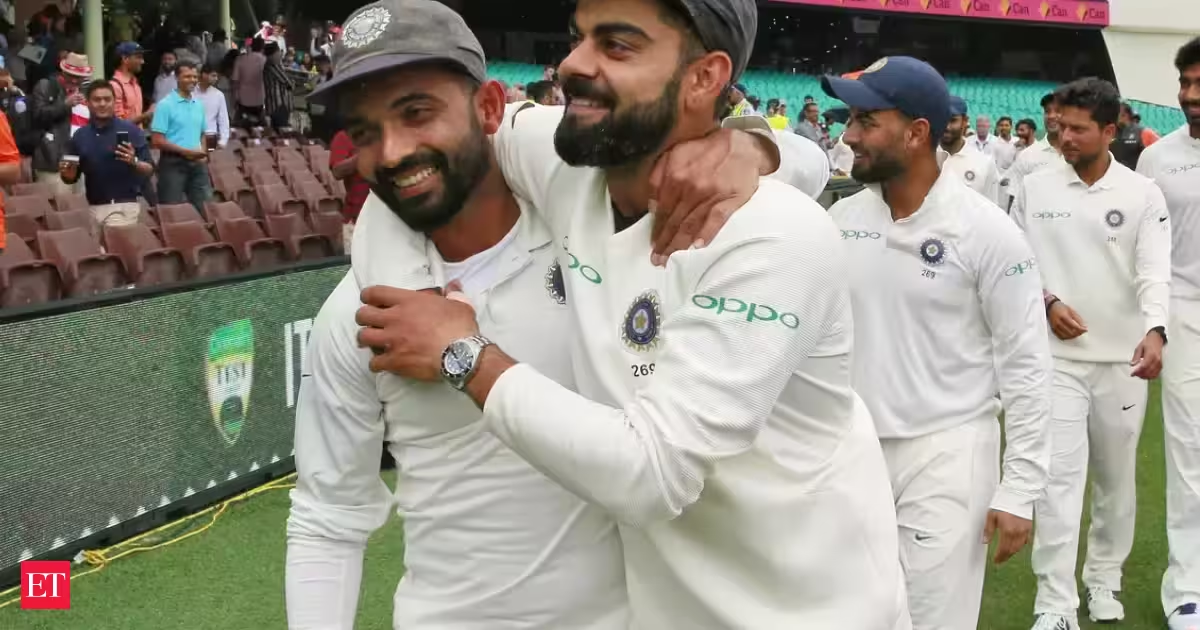
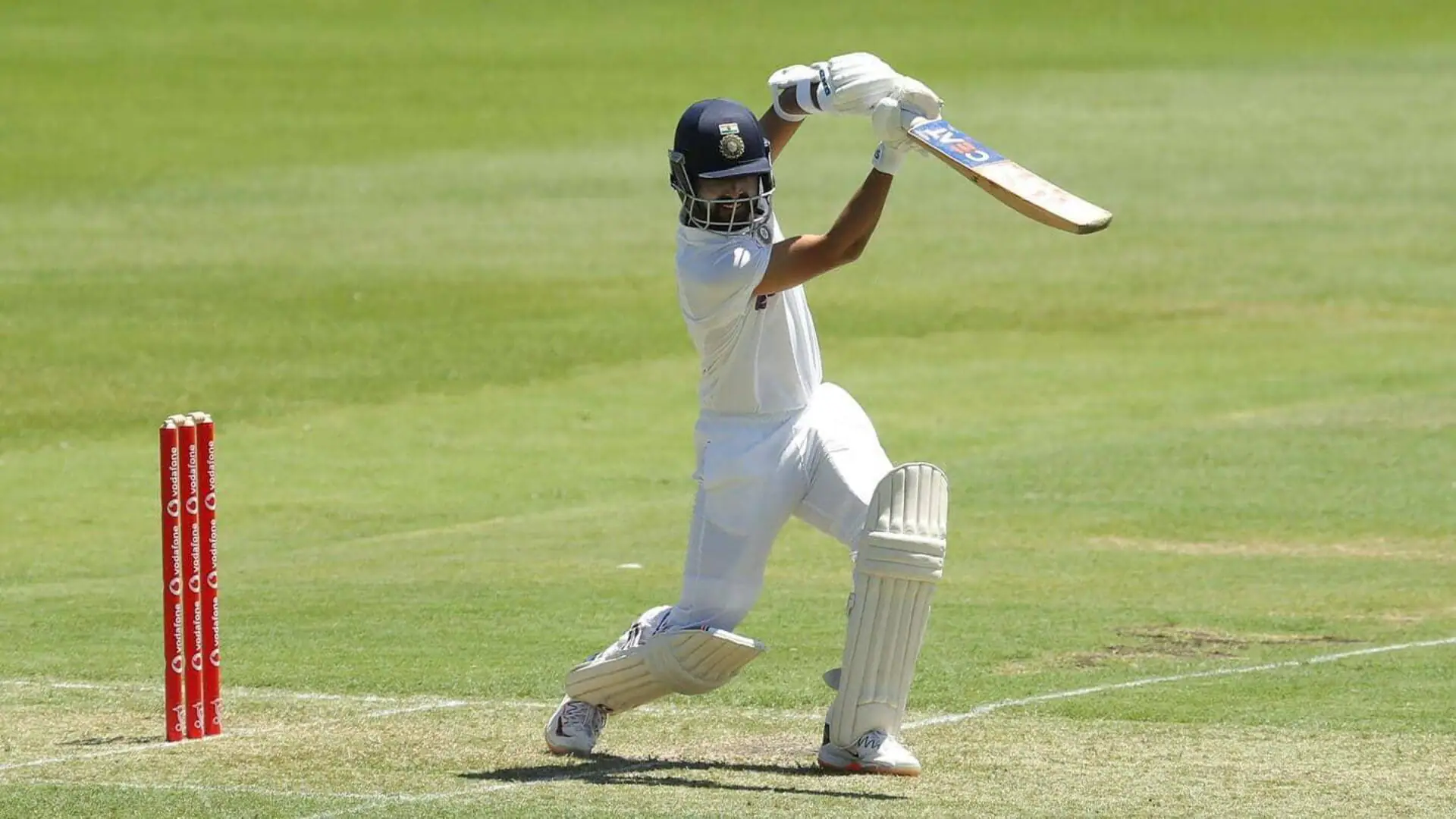
For years, the headlines of India’s rise to world dominance in the Test format were dominated by a world-class unit of pace bowling, a batting core that was the envy of the world, and an in-your-face aggression that was the hallmark of the captain Virat Kohli- coach Ravi Shastri era. But sitting at the heart of that journey, often unnoticed, was Ajinkya Rahane. He was the tranquil antidote to the surrounding fire emanating from the likes of Kohli and his fearsome troop of fast bowlers. Rahane provided a sense of structural calm to the team of bold, fearless, and splendid world-beaters.Consider his body of work, gritty and glittering at the same time. Throughout a decade of red-ball cricket, Rahane built a reputation as India’s crisis man, especially overseas, scoring his most crucial runs when the pitch was greenest and the pressure greatest. His silky yet defiant century on a green snake of a pitch at Lord’s in 2014 set the blueprint for overseas success for the years to come. His gritty, body-line knocks in Johannesburg, Melbourne, and Wellington gave India the stomach for fighting it so visibly lacked on previous sojourns to those shores. Indian batters were notoriously famous for being home-track bullies. Rahane’s era showed the world otherwise. He himself scored eight of his twelve Test match hundreds in overseas conditions. The Mumbaikar thrived in adversity, making a career out of stepping up when the star-studded empire was on the verge of rattling.