Get the latest news and updates from Dawn
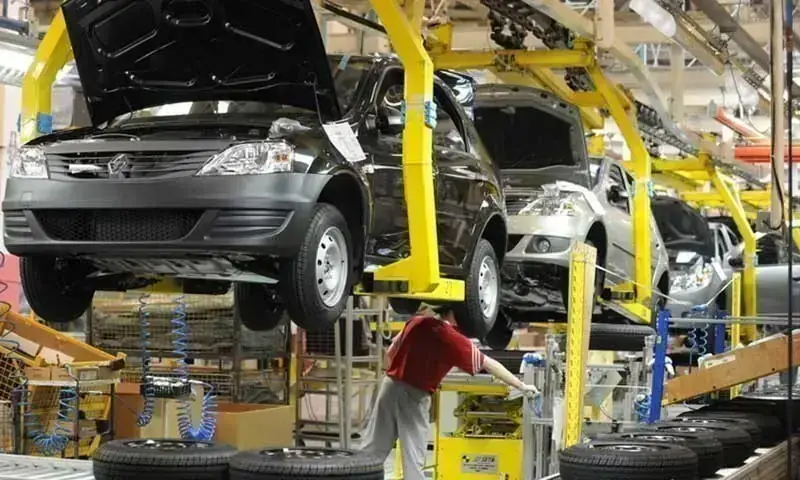
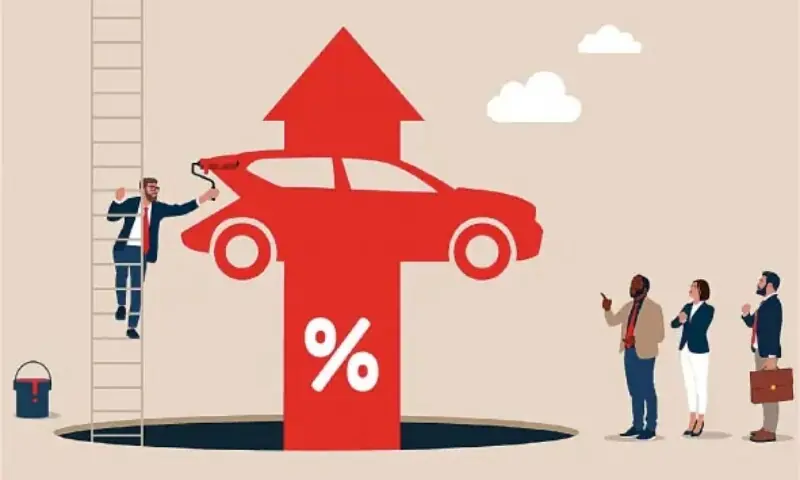
PAKISTAN’S automobile industry captures the country’s industrial policy dilemma well. As the government considers lower tariffs, manufacturers warn of plant closures, job losses and wasted investment. Critics argue that, despite more than 40 years of protection, consumers until recently faced high prices and limited choice, while exports remained negligible.
Both sides have a point. But the debate is framed wrongly. The question is: can the country’s auto industry build capabilities that can compete in regional and global value chains?
One principle should guide policy. Except in strategically important sectors, any industry seeking protection must offer consumers better value and move towards international competitiveness. Protection should be a runway, not a refuge.
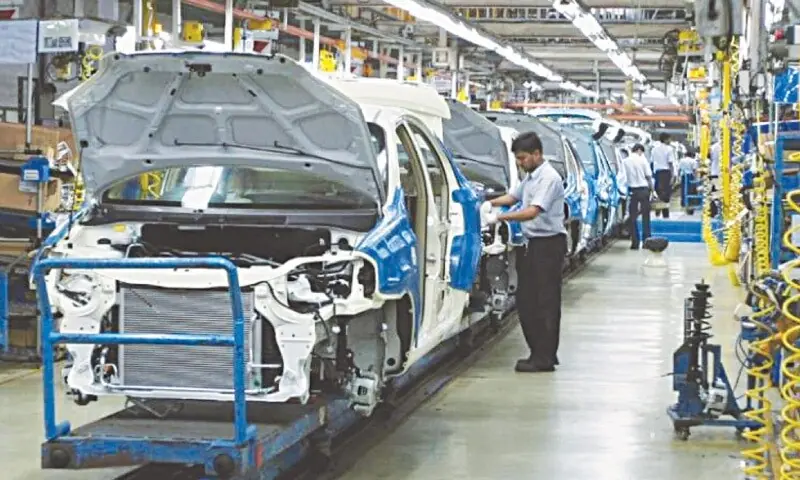
The auto industry deserves credit. It has built assemblers and component suppliers, developed engineering skills, invested in vendors and created skilled jobs despite expensive energy, costly finance, policy uncertainty, cumbersome regulation and weak logistics. But the main goals — saving foreign exchange through localisation and creating large-scale employment — were flawed from the start.