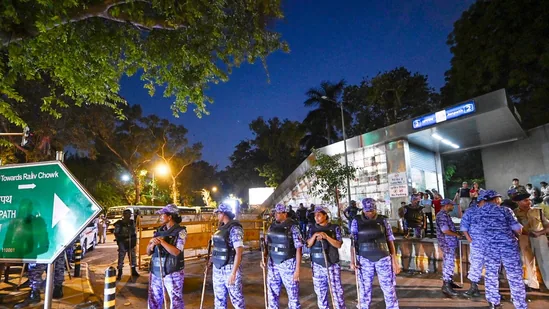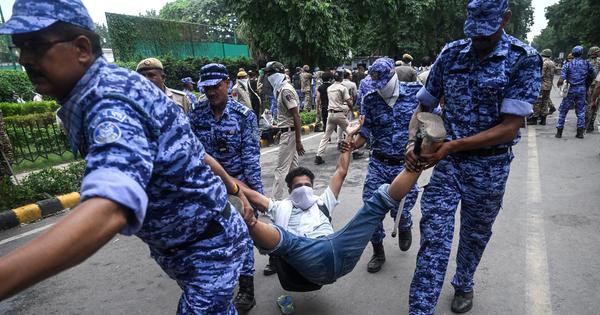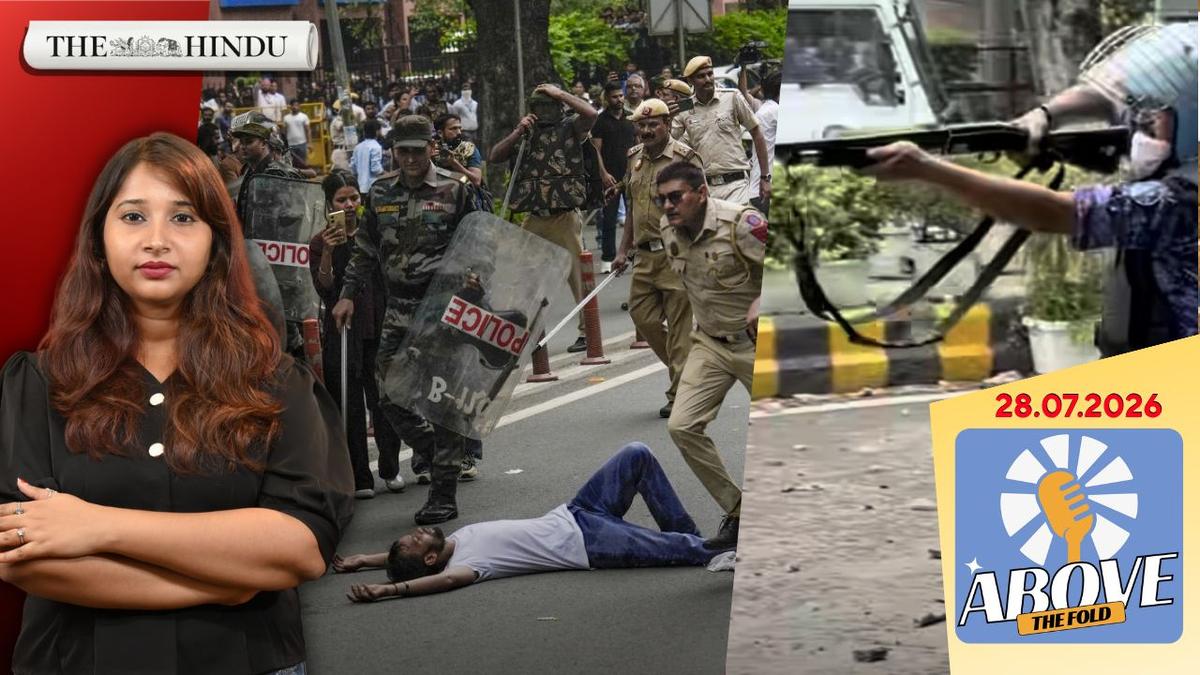
The afternoon of 20 July had something remarkably different about it. Thousands of people often dismissed as “apolitical” and glued to social media were on the streets demanding change and systemic accountability.
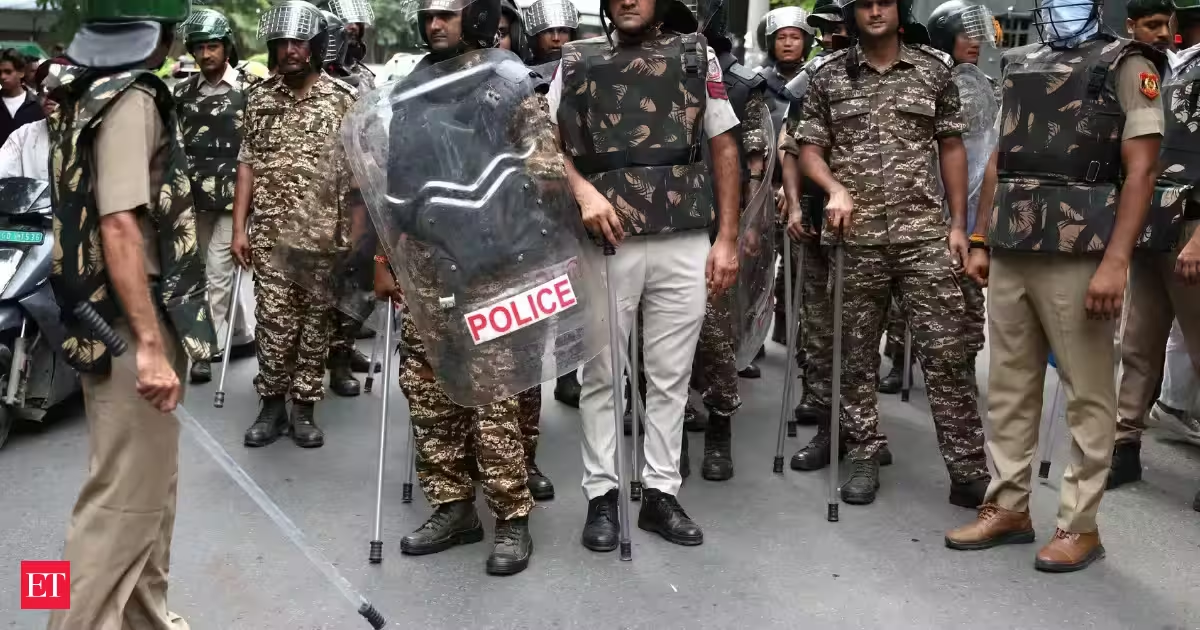
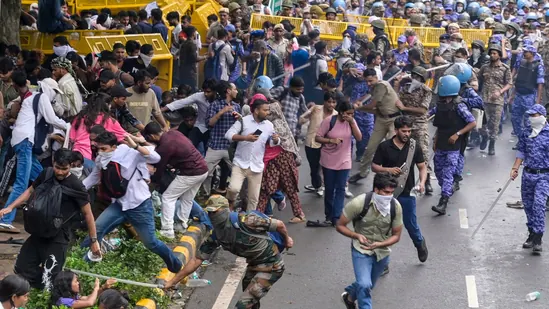
The crowd, which outnumbered the forces on the ground by several thousand, was marching toward Parliament, where the monsoon session was underway, with one principal demand—the resignation of then Union Education Minister Dharmendra Pradhan.Barricades were breached and tossed aside as protesters pushed toward the gates of the newly built Parliament complex, prompting the Central Industrial Security Force’s (CISF) Quick Response Team into emergency mode.
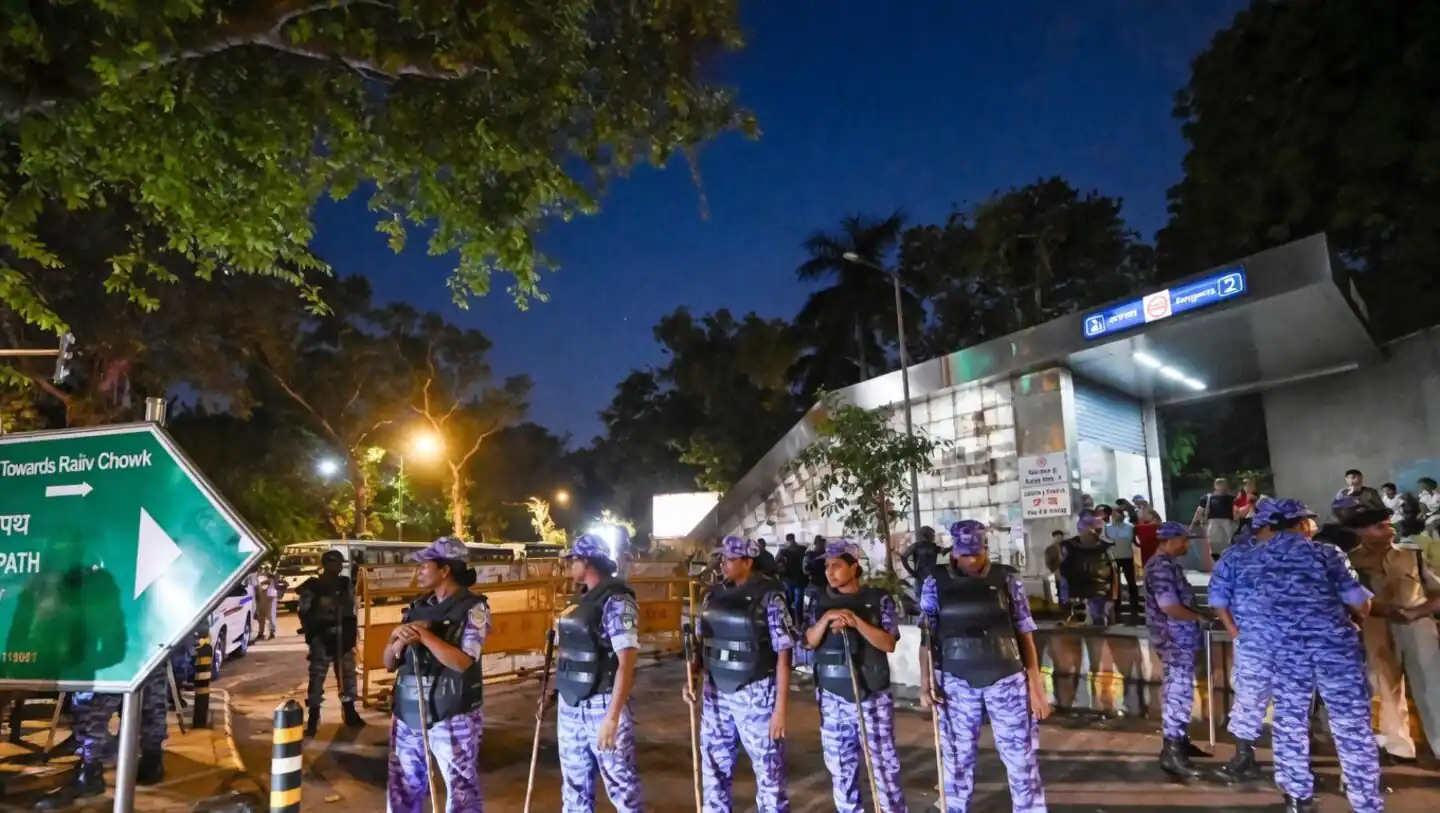
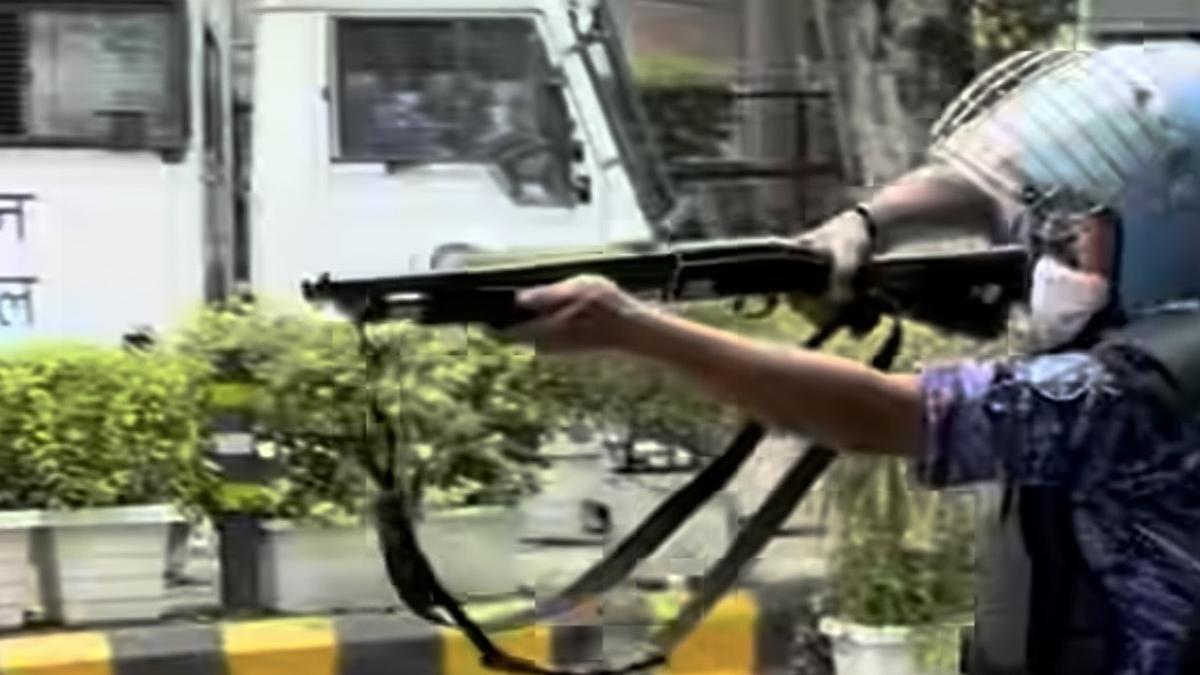
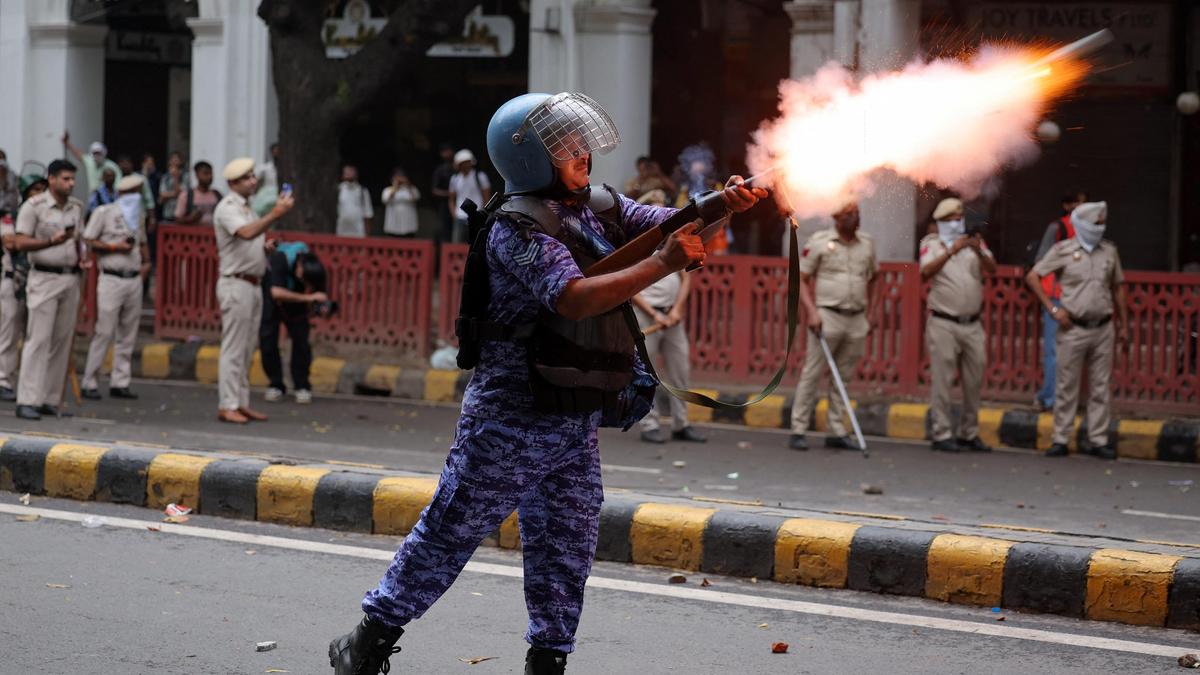
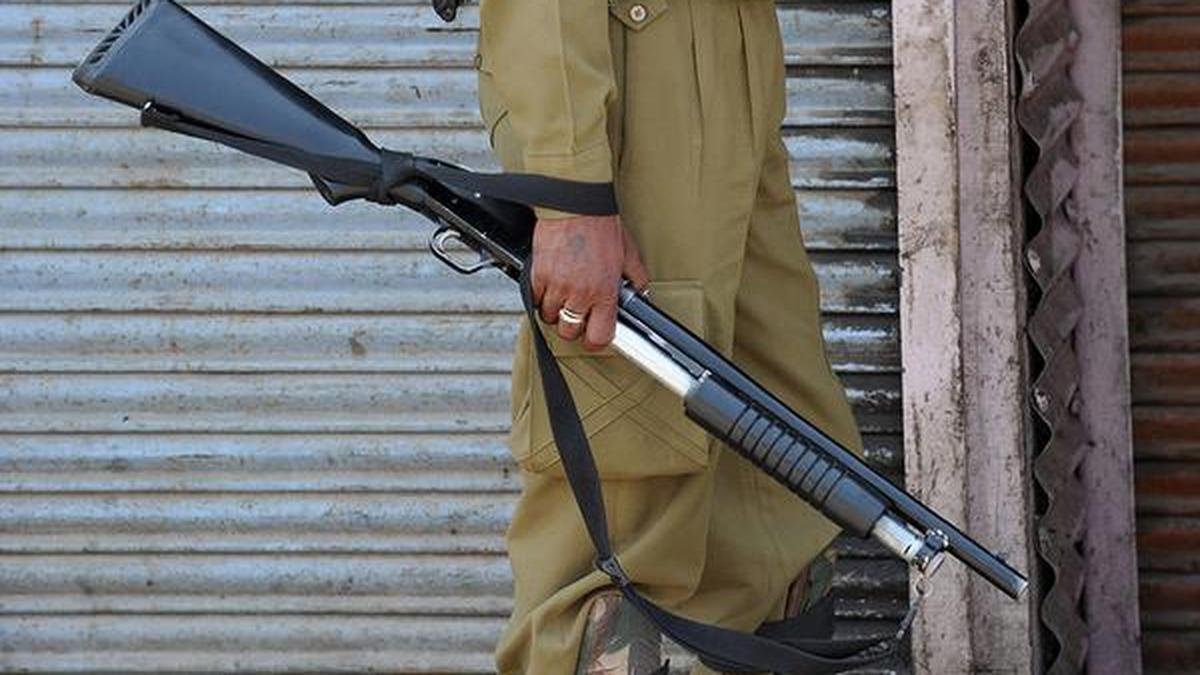
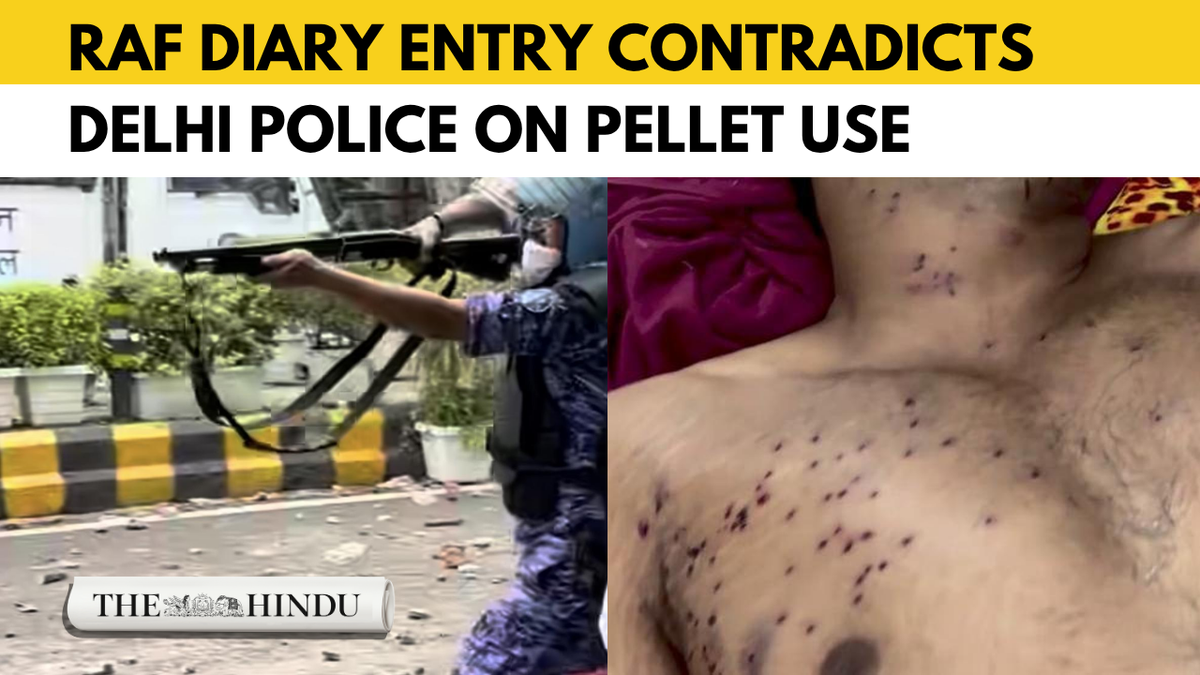
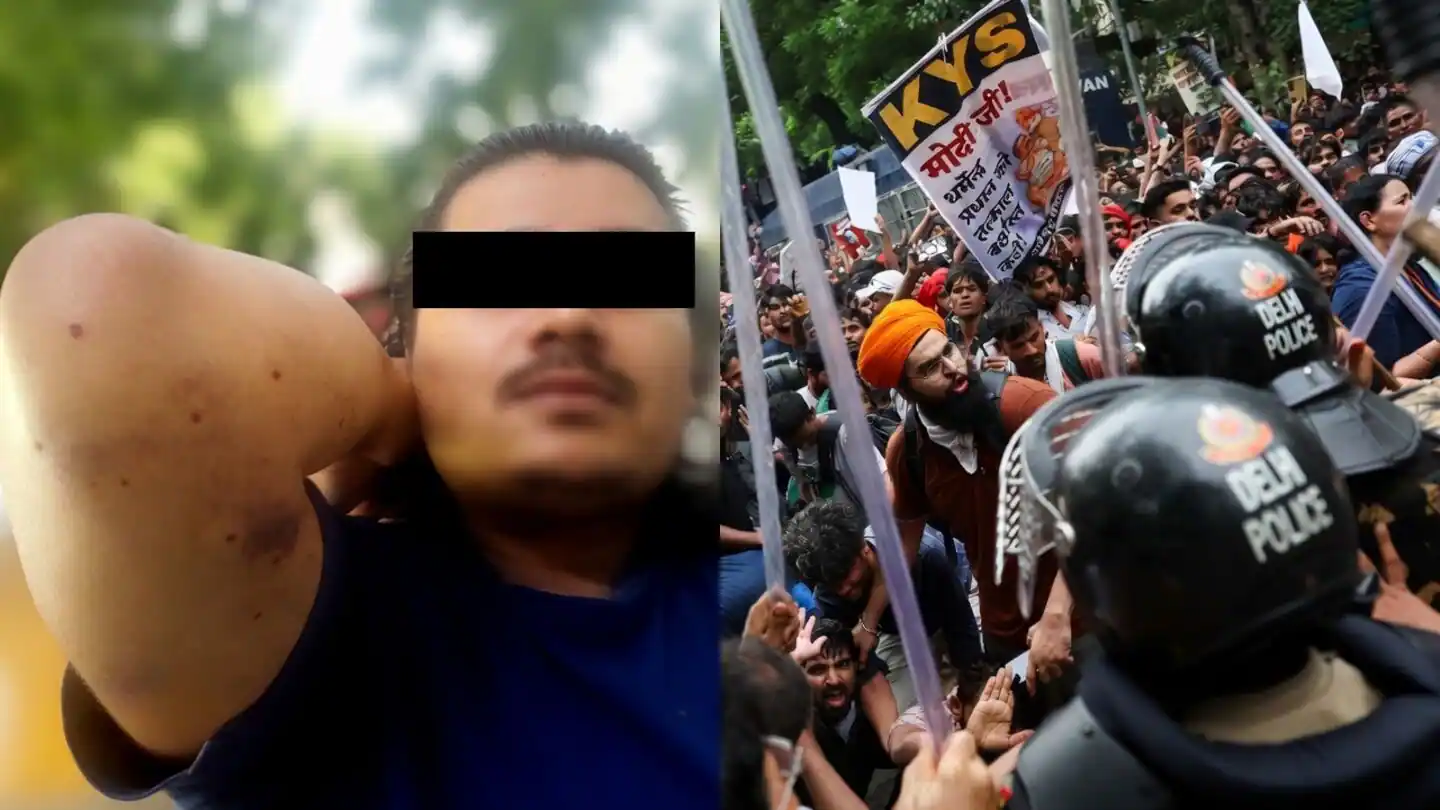
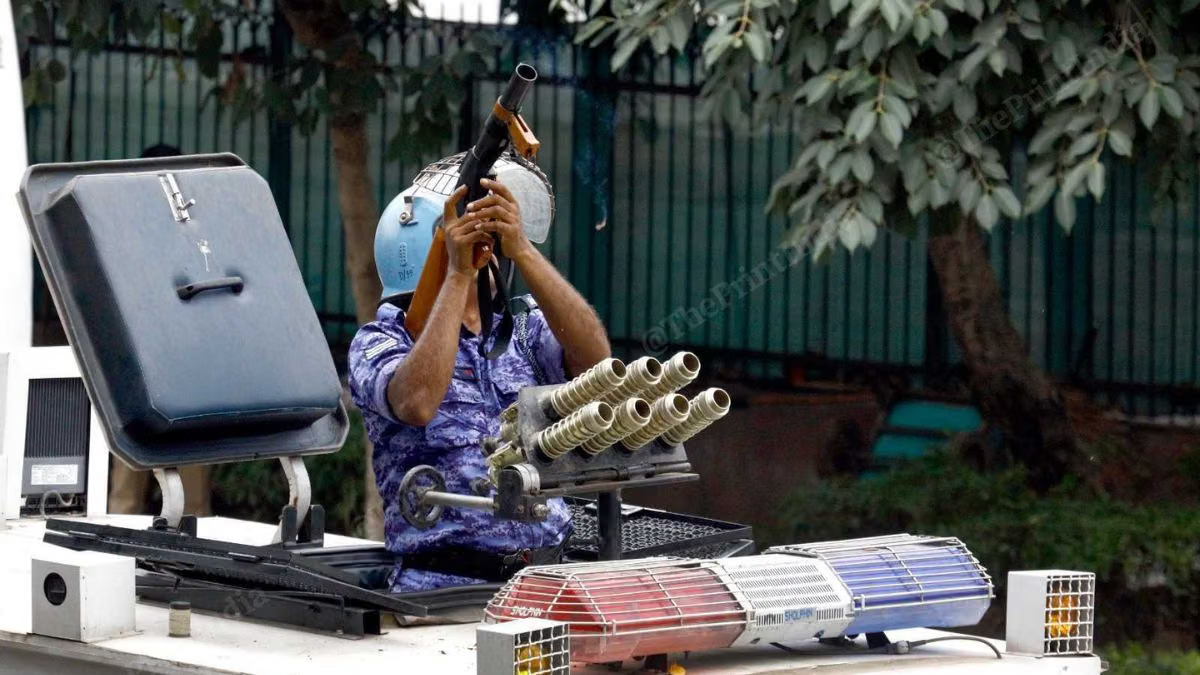
The crackdown was swift, as was the protesters’ withdrawal from the sensitive location. The forces and top officials may have gotten the impression they had averted a larger confrontation, but they faced far more scrutiny and criticism over what followed.By 3 pm, the protest had spilled beyond the inner zones of Lutyens’ Delhi. Fresh groups had assembled at Connaught Place, better known for luxury brands and restaurants than mass demonstrations. It was around this time that the Rapid Action Force (RAF) fired pellets—both plastic and metallic ones—at the protesters, injuring at least four.While the Delhi Police initially said little about allegations that pellet guns had been fired at protesters, it soon began issuing outright denials on social media in response to media reports. But medico-legal reports and the victims’ accounts became too substantial to dismiss, undermining the police’s categorical denials about using what are officially classified as “non-lethal” weapons.For these reasons, the RAF and its use of pellet guns are ThePrint’s Newsmaker of the Week.‘Serving Humanity with Sensitive Policing’