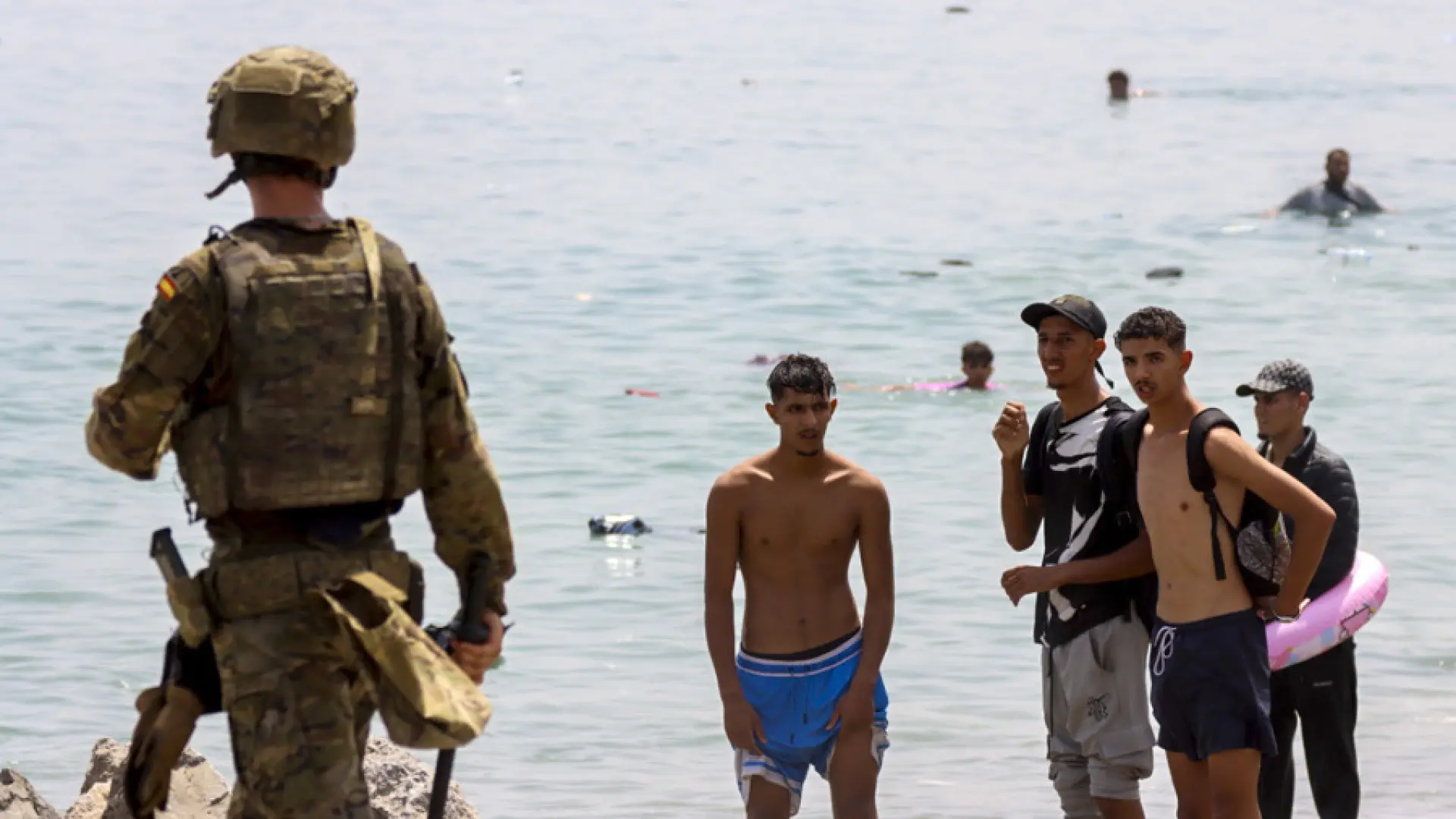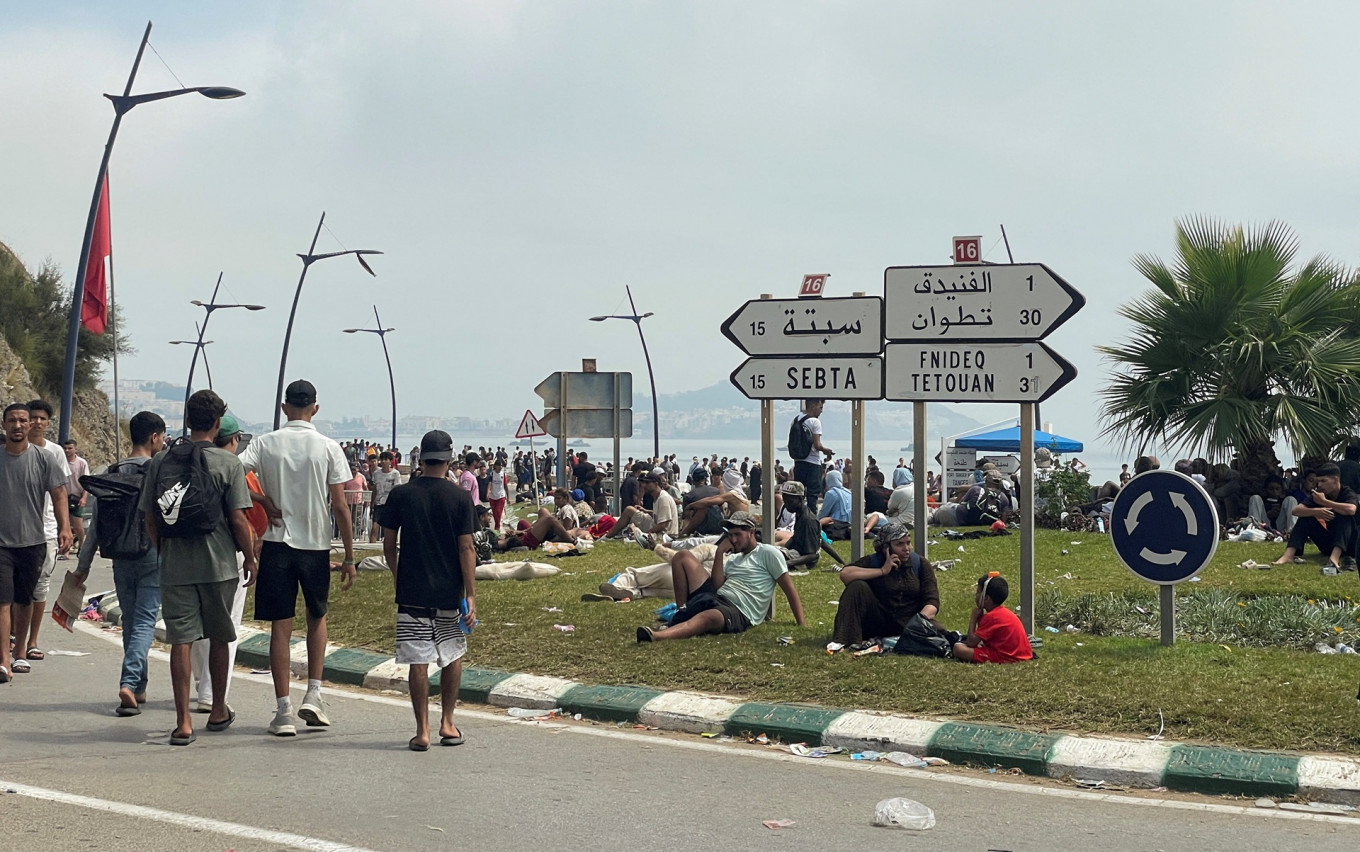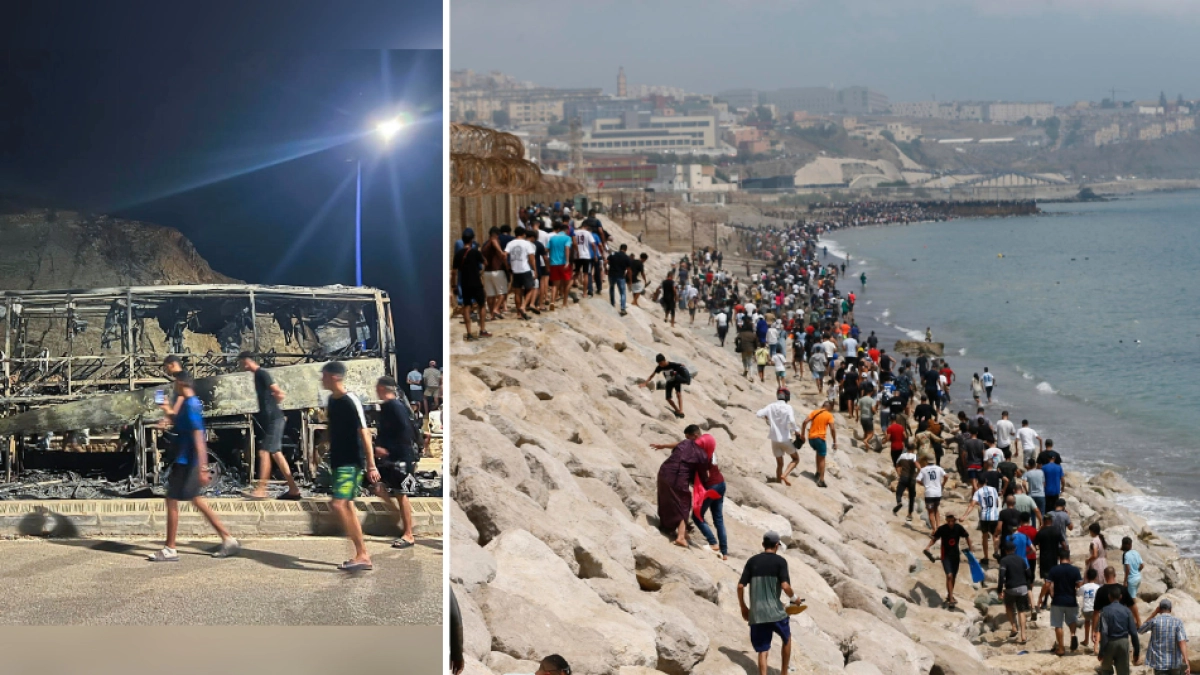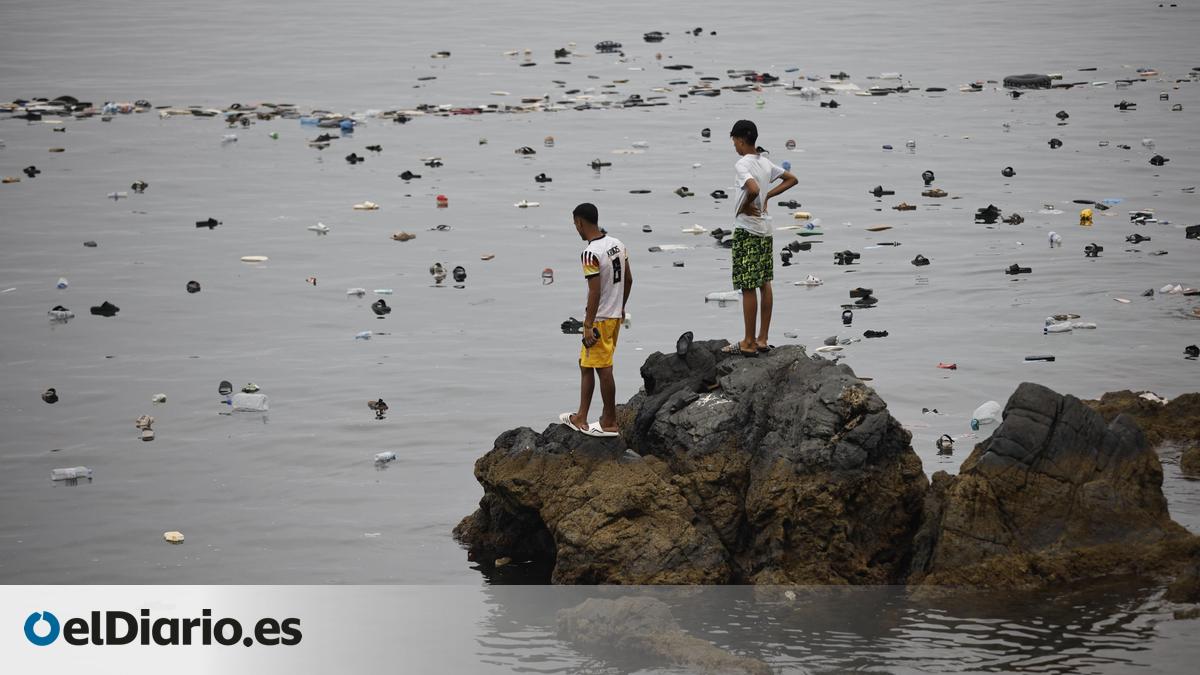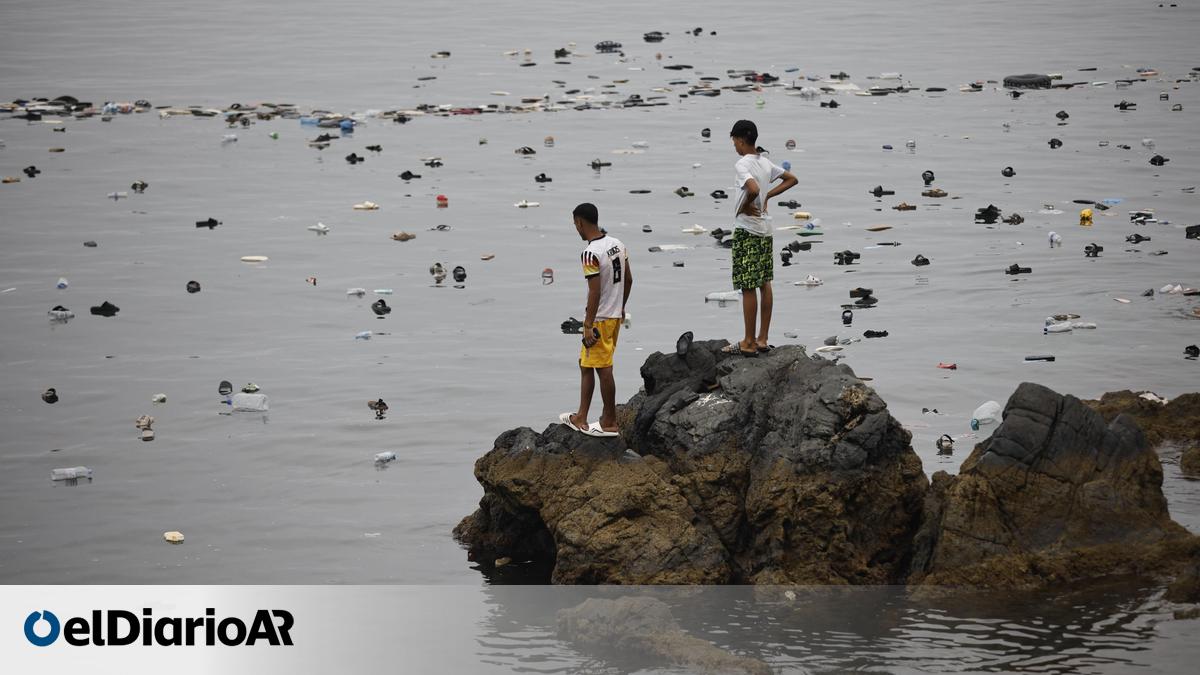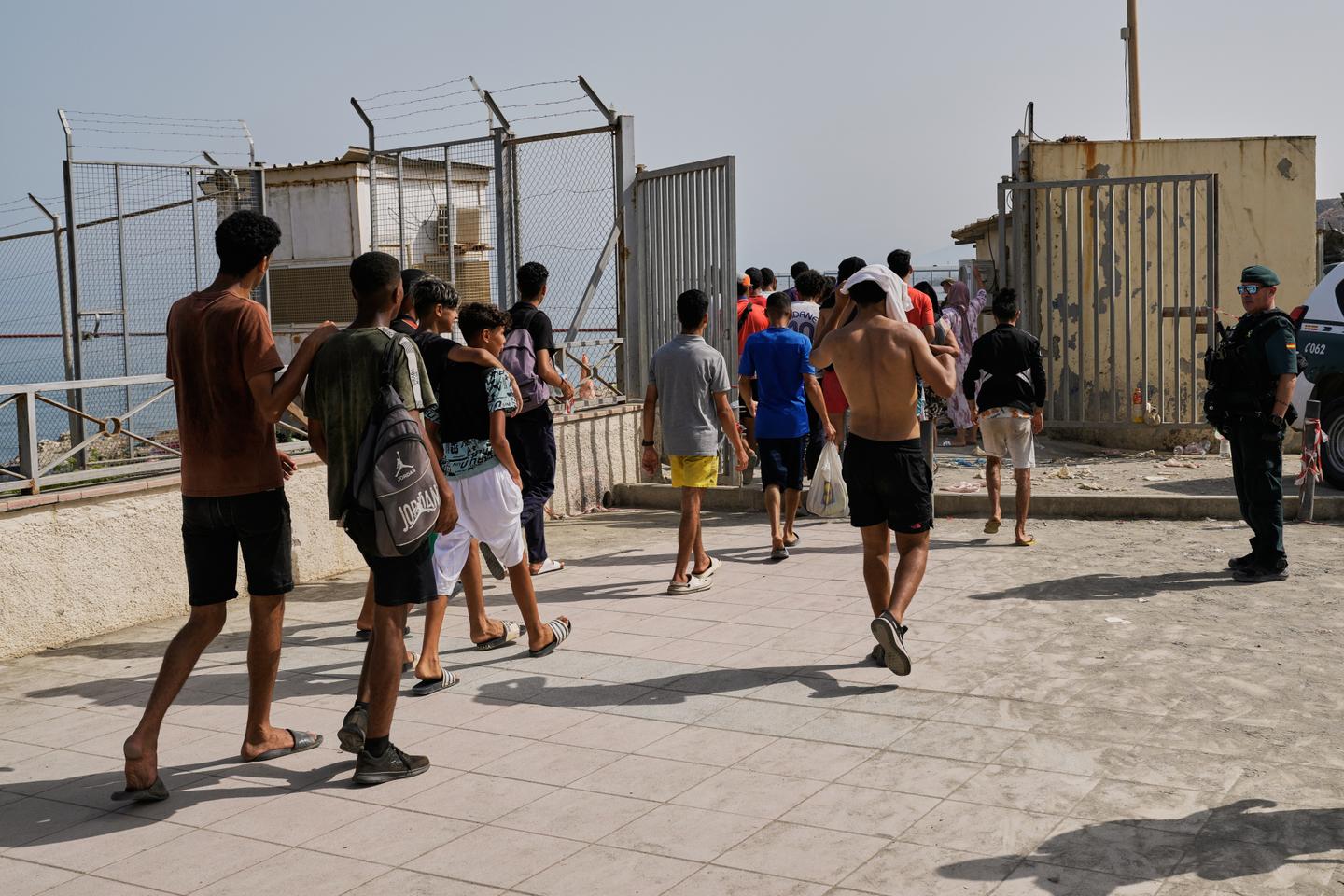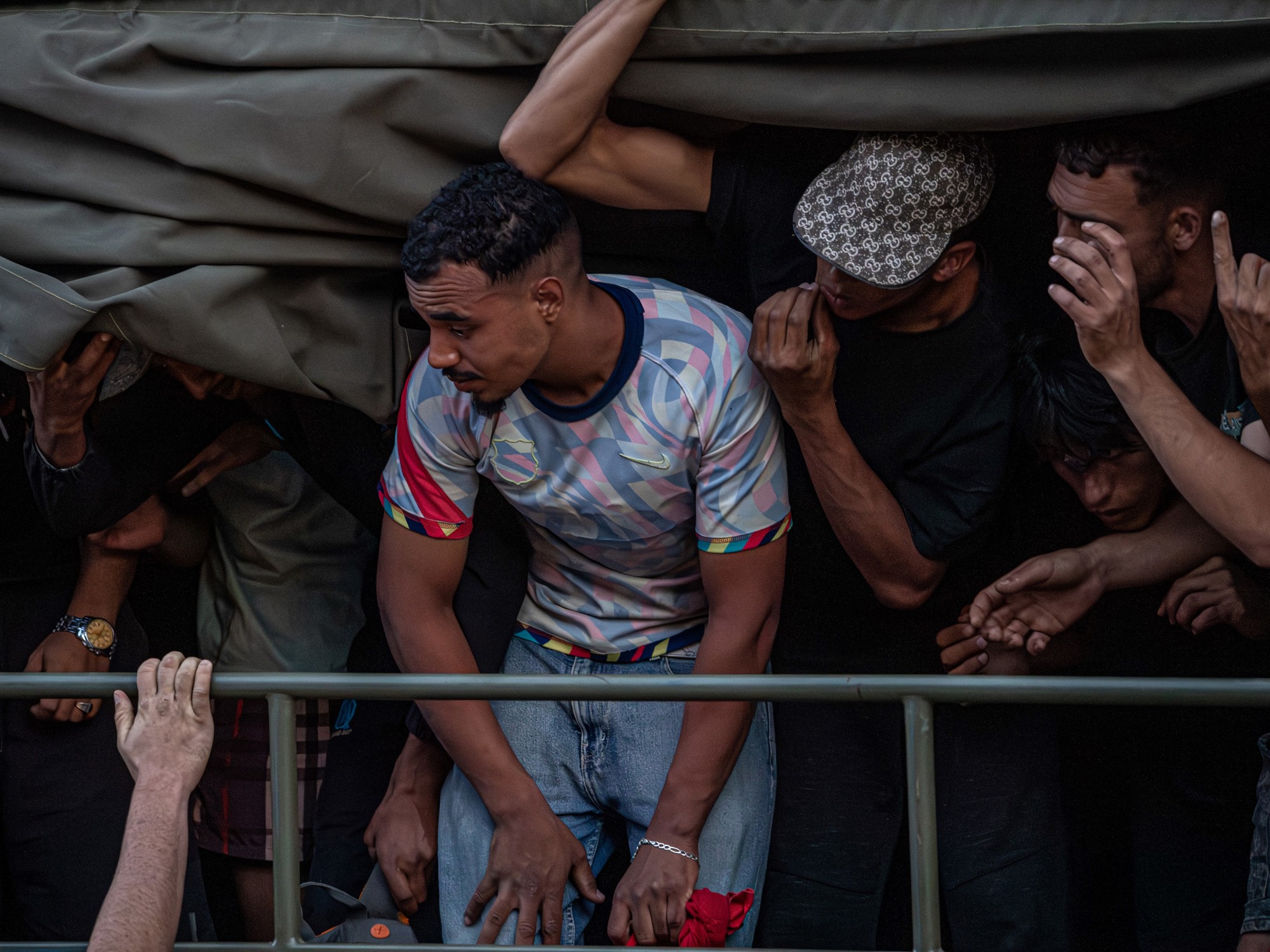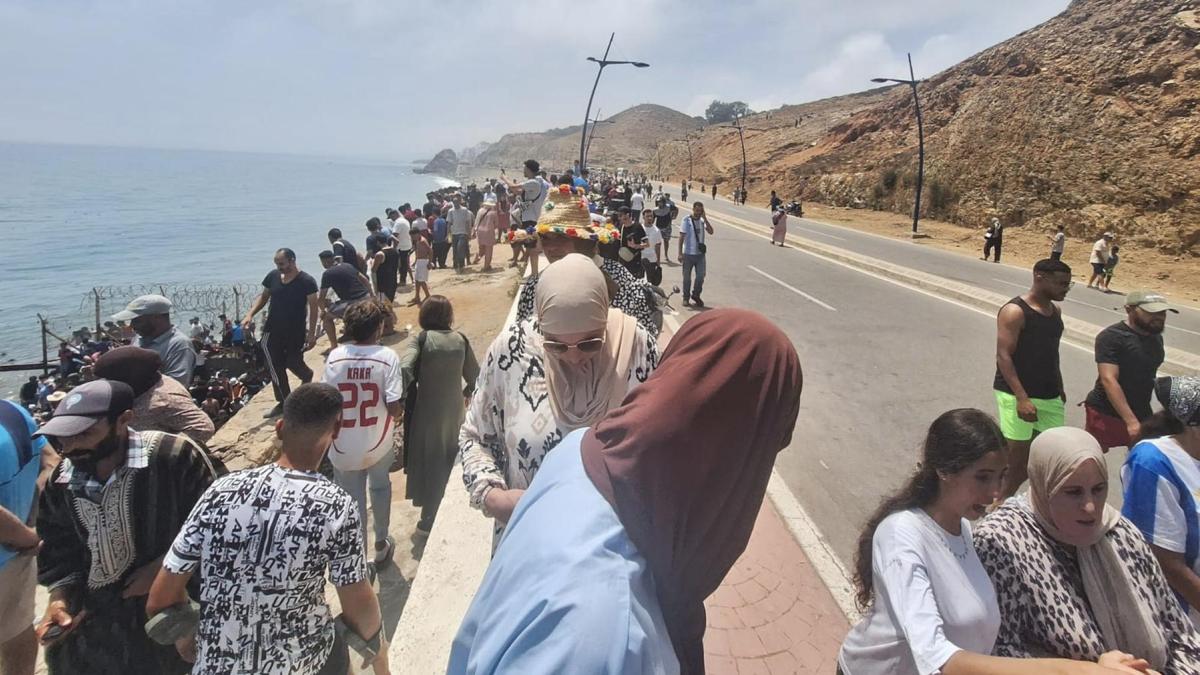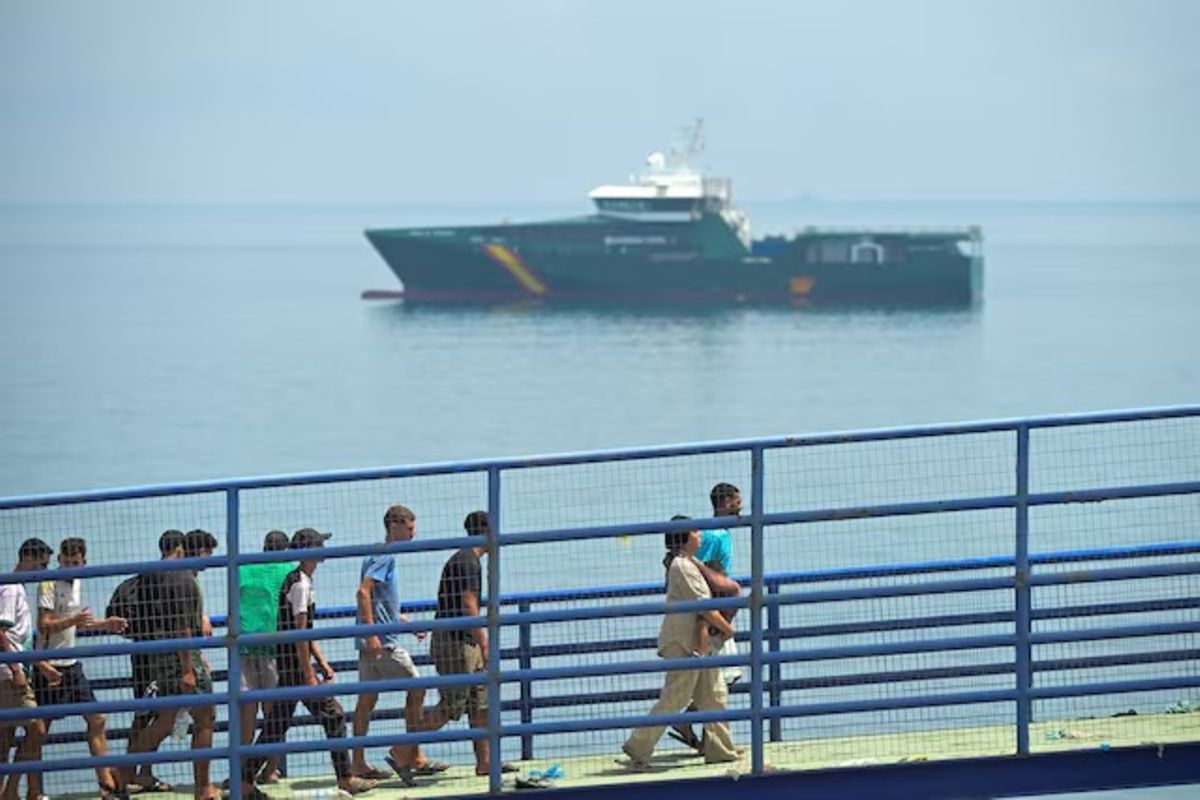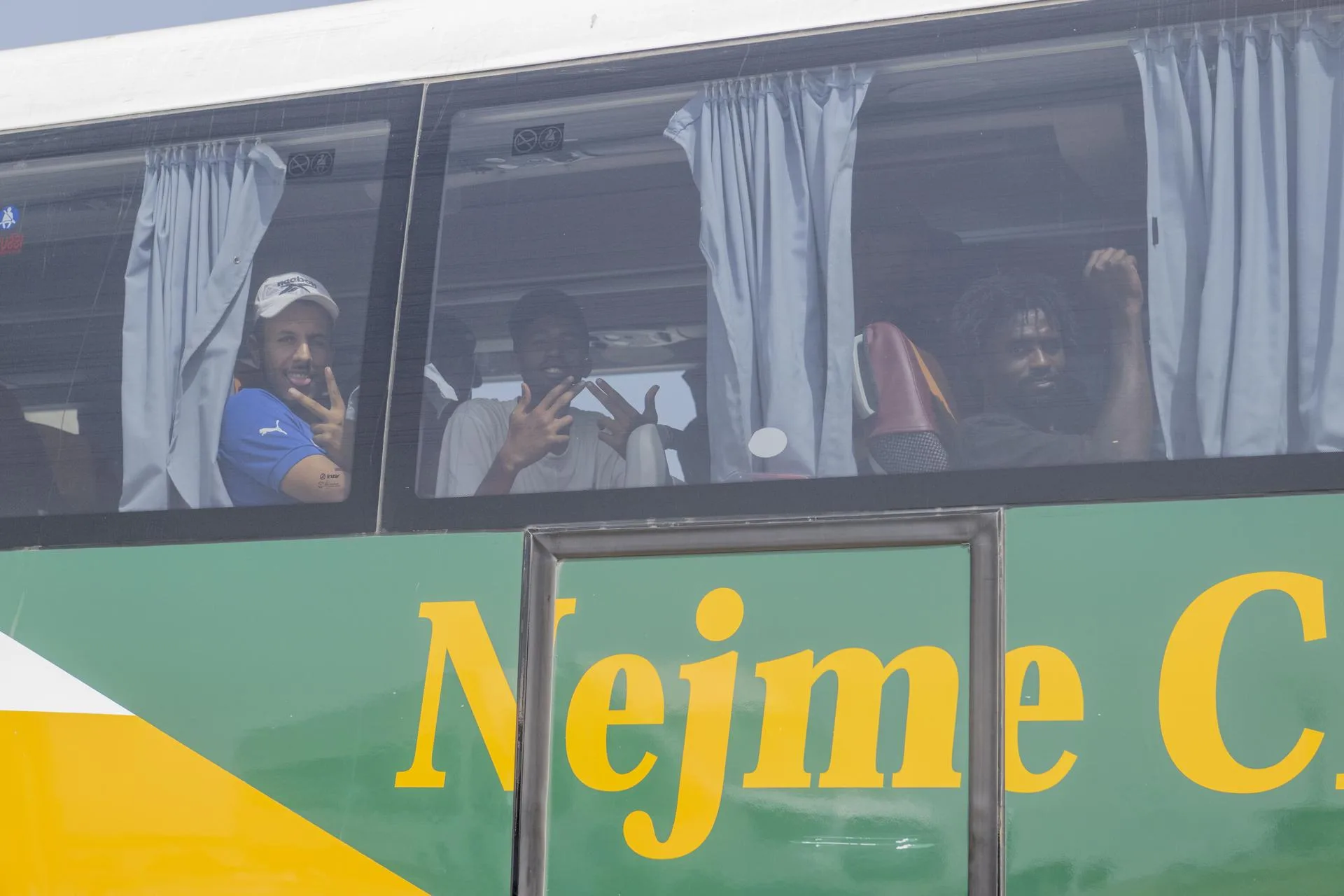
By Mar Marín Castillejos, Morocco, Aug 1 (EFE).- Jobs, better wages, and a chance for the future. These were the reasons that drove many young Moroccans to risk their lives in the country’s worst migration crisis, in a nation where one in three people under 29 is neither studying nor working. Young people like Fátima, Ahmed, and Mohamed, just a few of those EFE spoke with at the border between Morocco and Ceuta, were prepared to brave the sea in pursuit of a European dream. At 25, Fátima had already tried twenty times to swim from Fnideq (Castillejos, northern Morocco) to the Spanish enclave of Ceuta. «I don’t care about the risk; I will return,» she said this week. And, as confirmed by EFE with her associates, this time, she succeeded. Fátima, who was once part of the youth unemployment statistics in Morocco, is now one of the 60,000 irregular migrants who have crossed into Ceuta, and one of the few who has managed to stay in the Spanish autonomous city. Several of her friends have also tried, with varying luck. «There is no work, no future, no rights like healthcare or education. It’s better to try everything. There is no space for young people,» they chanted together before crossing the border. Their profiles match the majority of the young people who have participated in this unprecedented exodus, which has cost at least 67 lives, according to Spanish authorities. These are the typical profiles of ‘NEETs,’ young people not in education, employment, or training. According to the International Labour Organization, there are approximately 2.9 million such Moroccans aged 15 to 29. The High Commission for Planning (HCP) highlighted in its April report that this figure has doubled in just three years. More than 70% of these individuals are women, and nearly half are concentrated in the 25 to 29 age bracket, highlighting «the difficulty of integration into active life.» In Morocco, the situation of young people who neither work, study, nor receive training (NEET youth) «remains a structural challenge,» warns the ILO. Beyond a living wage However, thousands of young people who are not ‘NEETs’ have also participated in the exodus to Ceuta. These are young people with jobs, education, and middle-class backgrounds who still wonder why they risked their lives. For the Moroccan Association of Human Rights (AMDH, the country’s most influential leftist organization), this is not just about precarious economic conditions. «Feelings of frustration and despair, especially among young people, is no longer merely an individual feeling; it has become the identity of an entire generation,» they stated on Saturday, noting that this massive migration is an expression of “a deep structural crisis and the accumulation of decades of social and economic marginalization.” A recent survey by the Moroccan Center for Youth and Democratic Transitions revealed that nearly half of the participants, 585 young people from across Morocco, intended to emigrate, not just for work-related reasons, but also due to deficiencies in social and health services and the low quality of education. These are the demands voiced by GENZ212, the youth movement that took to the streets in September 2025 to demand improvements in public services such as healthcare, education, and transport. They also denounced Rabat’s massive spending on sports infrastructure, such as the mega-stadium in Casablanca which, with a capacity of 115,000, will be the largest in the world. Back then, young people took to the streets, chanting slogans that called for dignity, healthcare, and an end to corruption. Morocco stifled the protests with mass arrests and sentences of up to 15 years. Currently, the movement has dissipated. «I don’t understand why young people who protest are jailed. It is not normal. They have protested; they have not set bombs or committed violent acts,» noted Moroccan writer Tahar Ben Jelloun in an interview with EFE. He added that young people «say things that must be heard because their discourse is not absurd. They want more equality, more justice, and a real fight against corruption. They want education, knowledge, and universities.» EFE mar/dmv
The uncertain future of Moroccan youth: one in three neither studies nor works - EFE
Jobs, better wages, and a future: why young Moroccans risked their lives in a crisis where a third under 29 neither work nor study.
675 words~3 min read