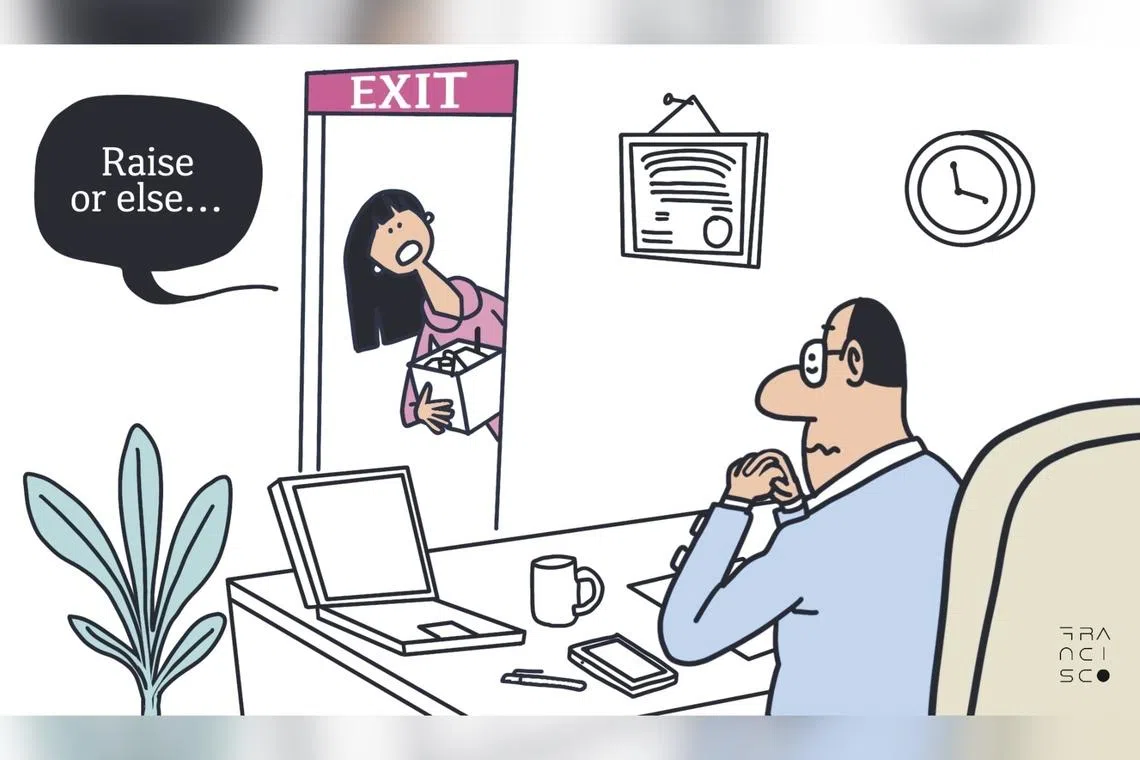
Not every employee hands in a resignation letter out of the blue. More often, the decision to leave develops gradually, showing up in subtle changes in attitude, motivation and everyday conversations. Some employees don't openly announce that they're searching for another role, but they may begin dropping hints, sometimes intentionally, sometimes without realizing it. These comments can reflect dissatisfaction, burnout, curiosity about new opportunities or simply a desire for career growth. However, psychologists and workplace experts caution against assuming that any single phrase means someone is planning to quit. Context matters, and many people use these expressions without having one foot out the door. According to a report by Gallup, employees who feel disengaged or see limited opportunities for growth are significantly more likely to consider leaving their jobs. Likewise, organizational psychologists note that communication often changes when people begin psychologically distancing themselves from a workplace. The following phrases aren't proof that someone is job hunting, but when they become frequent and are paired with other behavioral changes, they may indicate an employee is considering their next move.1. "I've been thinking a lot about where I want my career to go."This phrase often sounds reflective rather than rebellious. Employees who say this may be expressing a genuine desire for professional development, but they could also be signaling that they feel their current role no longer aligns with their ambitions.According to Self-Determination Theory, developed by psychologists Edward Deci and Richard Ryan, people are more motivated when they experience growth, autonomy and purpose. A lack of these needs can increase thoughts about changing jobs.You Might Also Like:2. "I'm looking for new challenges."This is one of the most common ways employees hint at career dissatisfaction without criticizing their employer. Rather than complaining, they frame their concerns around personal development.According to a report by LinkedIn's Workforce Learning Report, opportunities to learn and grow are among the top reasons employees explore new positions.3. "I wonder what it's like working somewhere else."Curiosity can sometimes reveal more than complaints. When employees frequently compare their workplace with others, they may be imagining different career possibilities.According to Social Comparison Theory, developed by psychologist Leon Festinger, people naturally evaluate their circumstances by comparing them with alternatives.4. "I haven't updated my résumé in years."Sometimes this is just casual conversation. Other times, it's a subtle way of announcing that a résumé update may soon be happening. Career psychologists note that talking about résumés, portfolios or LinkedIn profiles often reflects increased attention to future career opportunities.5. "I need to think about what's best for me."This phrase often appears after conversations about workload, promotions or work-life balance. Rather than criticizing the company directly, employees shift the focus to personal priorities.According to research by the American Psychological Association, chronic workplace stress and burnout often lead employees to reconsider whether their current role supports their long-term well-being.6. "I'm keeping my options open."Few workplace phrases communicate career uncertainty more clearly. While it doesn't necessarily mean someone is actively interviewing, it often suggests they aren't emotionally committed to staying indefinitely.According to organizational behavior research, employees who perceive limited advancement opportunities are more likely to explore external options before making a final decision.7. "I've learned everything I can here."Employees who feel they've stopped growing may begin looking elsewhere for new experiences.According to Career Construction Theory, developed by psychologist Mark Savickas, people actively seek work that allows them to continue developing their skills and professional identity throughout their careers.When learning plateaus, motivation often follows.8. "I'm just exploring what's out there."This phrase may sound harmless, but it often reflects curiosity about the broader job market. Some employees genuinely browse opportunities without intending to leave immediately.According to career adaptability research, exploring external opportunities is a common part of career planning and doesn't always result in resignation.Still, if this phrase becomes more frequent, it may signal that someone is becoming increasingly open to change.Why Employees Drop Hints Instead Of Quitting ImmediatelyLeaving a job is rarely a sudden decision. Financial responsibilities, professional relationships and uncertainty about the future often cause employees to remain in their roles while quietly exploring alternatives.According to psychological contract theory, employees develop unwritten expectations about growth, recognition and fairness at work. When those expectations consistently go unmet, they may begin emotionally disengaging long before submitting a resignation.At the same time, many employees avoid openly discussing their intentions because they fear damaging relationships with managers or affecting future opportunities. Instead, they communicate indirectly, hoping their concerns might be noticed, or at least understood.These phrases shouldn't be viewed as definitive signs that someone is preparing to quit. The strongest indicator isn't what employees say once, but whether they consistently express dissatisfaction without seeing meaningful improvements. A supportive manager who listens, offers growth opportunities and encourages open conversations may be able to address concerns before an employee decides to move on.FAQsDo these phrases always mean an employee is looking for another job?No. Many employees discuss career goals or workplace frustrations without actively searching for a new role. These phrases should be interpreted within the broader context of their behavior and job satisfaction.Why don't employees tell their bosses they're job hunting?Employees may worry about damaging trust, affecting promotion opportunities or creating awkward workplace dynamics before they've made a final decision.
8 Phrases employees use when they secretly want their boss to know they're ready to leave
These phrases shouldn't be taken as definitive proof that someone is planning to leave their job. What matters more is the overall pattern, whether employees consistently express frustration or dissatisfaction over time without seeing meaningful changes or improvements in their situation.
866 words~4 min read