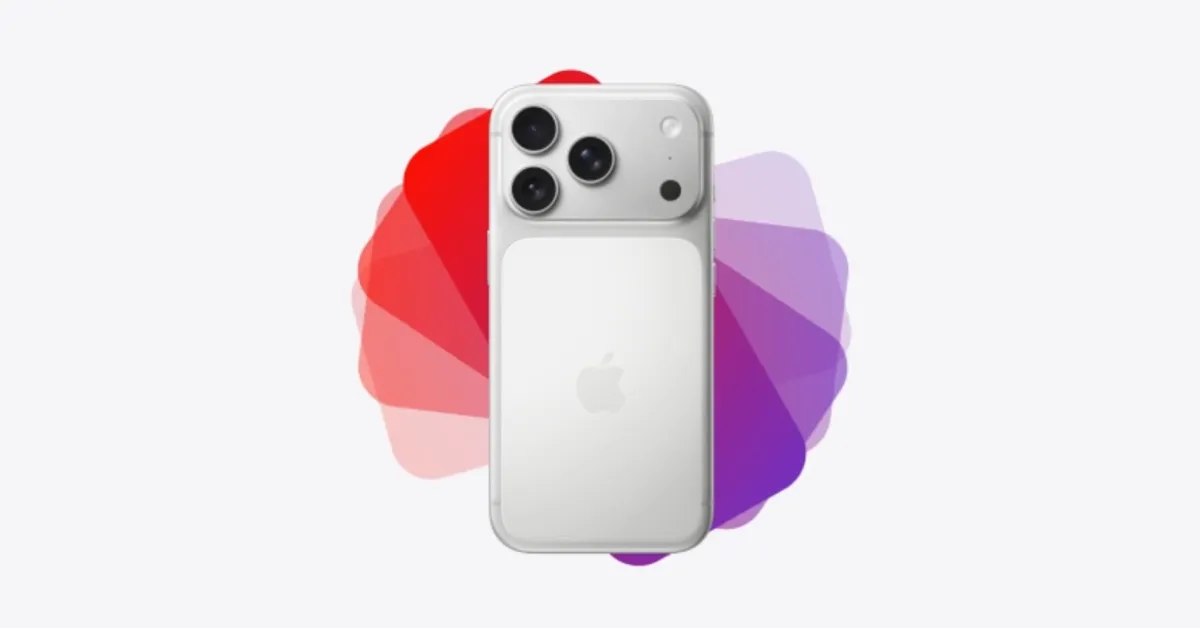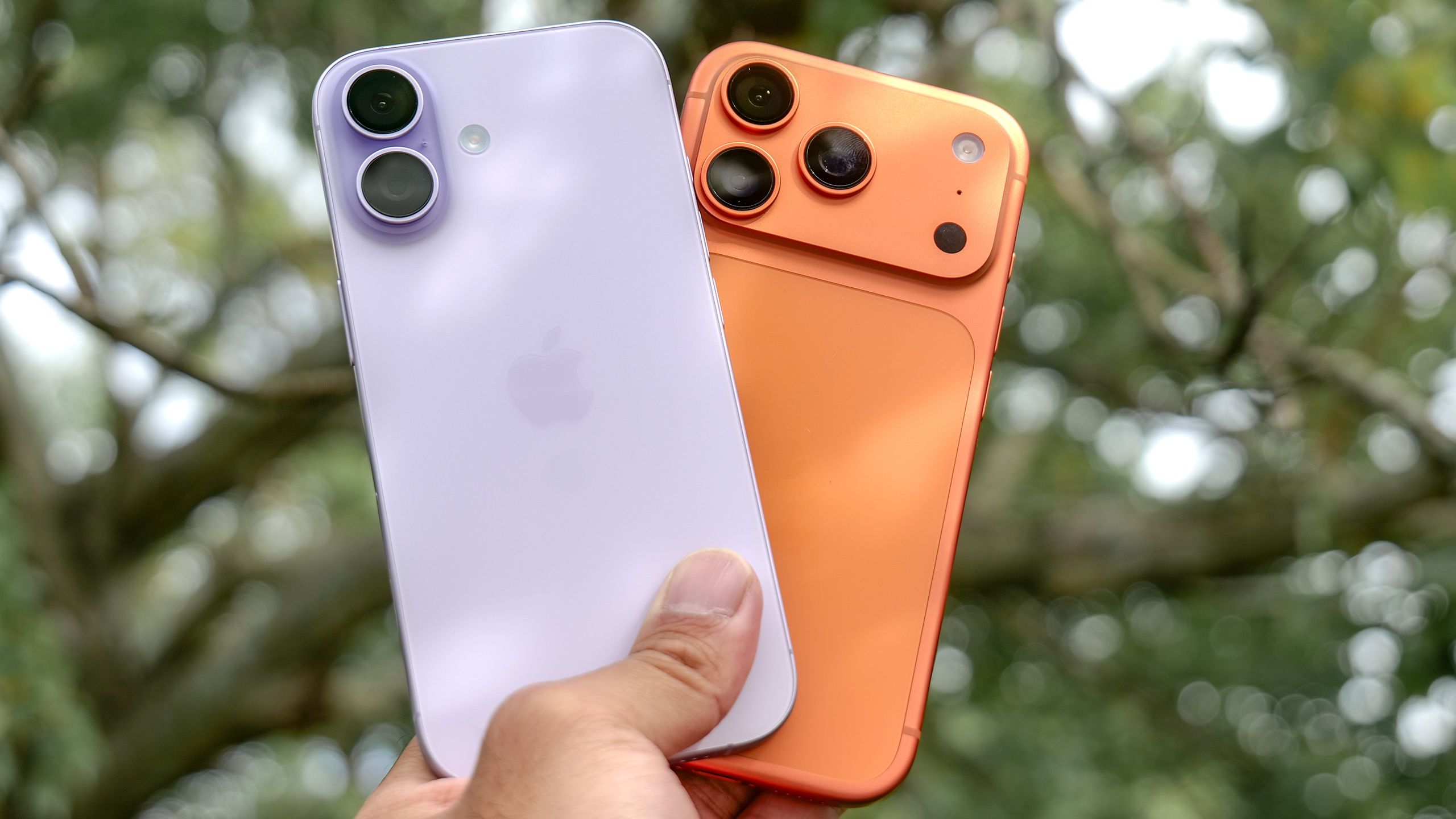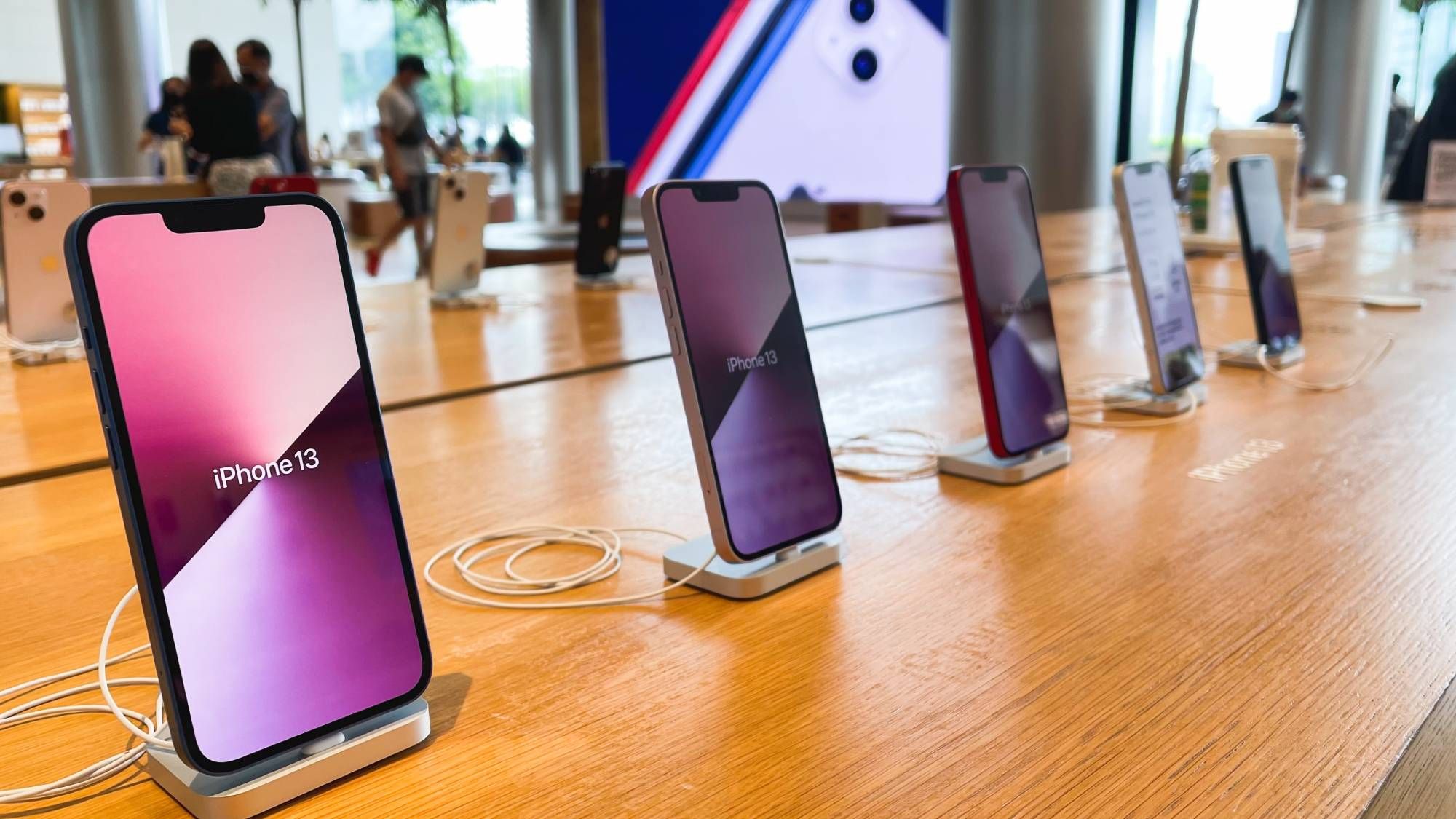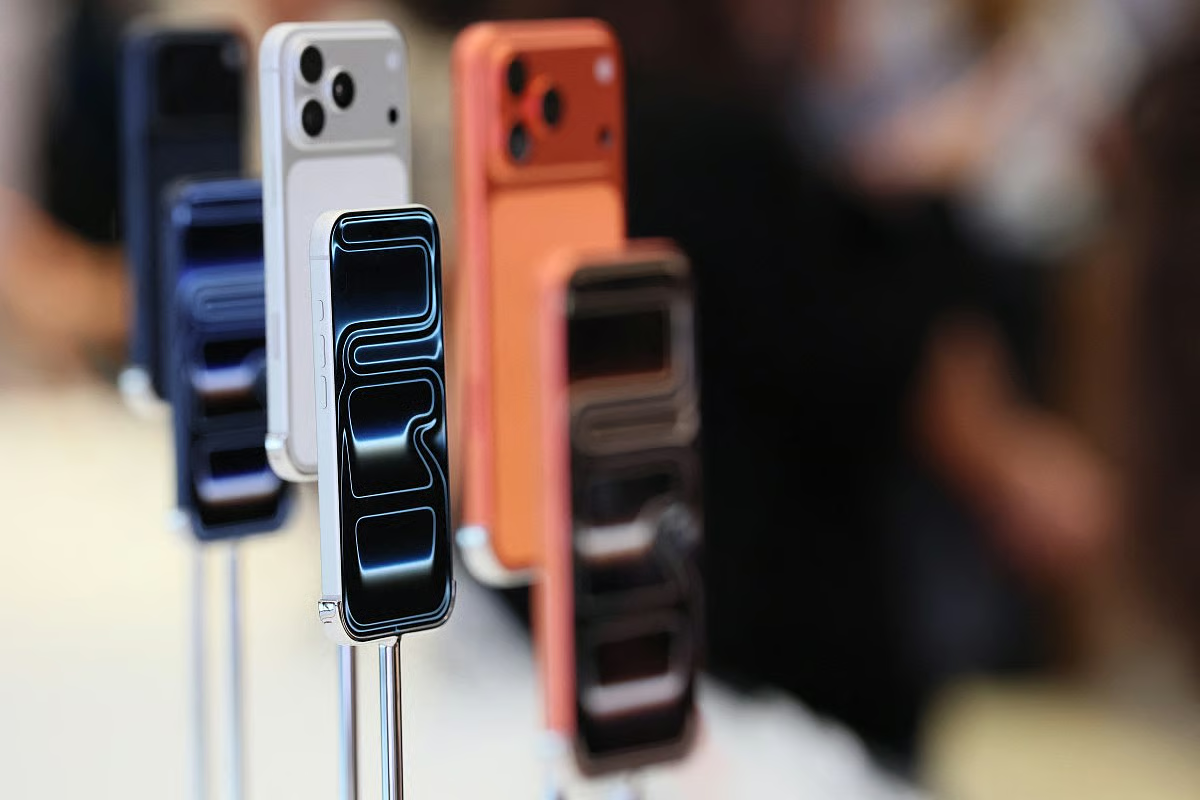
The smartphone industry’s next battleground may not be the phone itself, but how consumers get it. As premium devices become more expensive, Apple, Samsung, and others are betting that leasing, subscriptions, and guaranteed buyback programs can make upgrading more attractive.
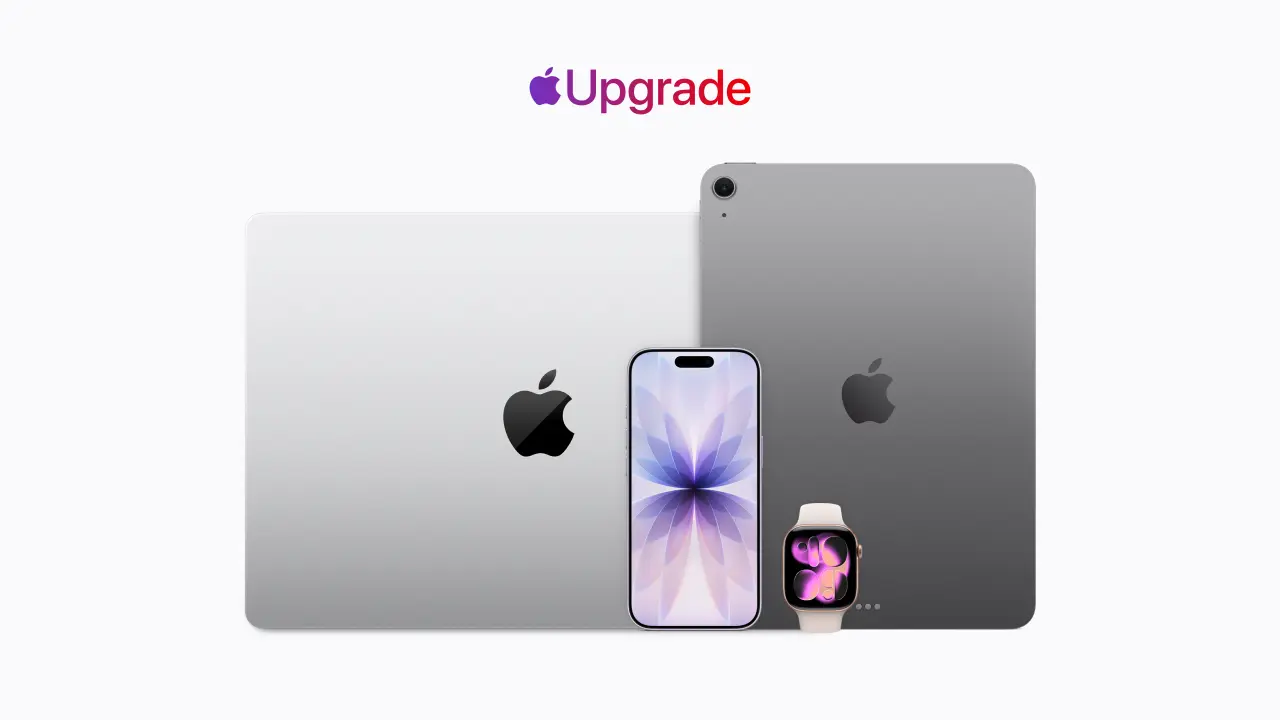
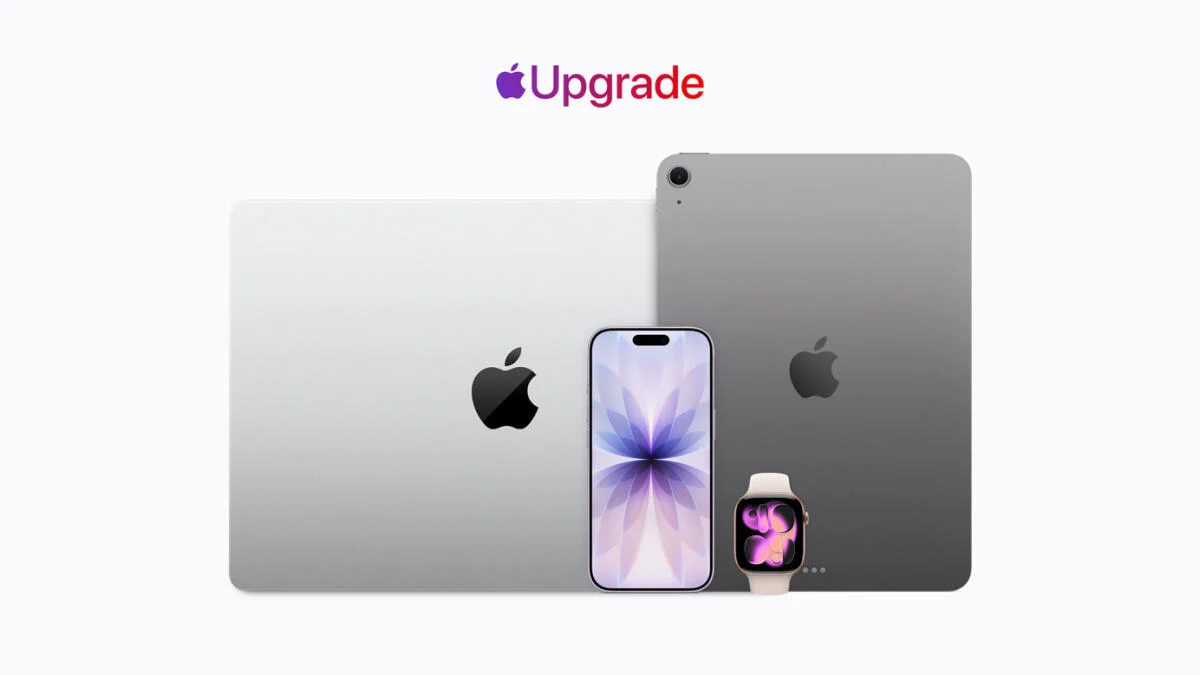
This week, Apple launched Apple Upgrade in the U.S. in partnership with Klarna, allowing consumers to lease an iPhone, Mac, iPad, or Apple Watch for a monthly fee with the option to upgrade, return, or eventually purchase the device. Samsung, meanwhile, has been offering its Galaxy Forever program in India, combining financing with a guaranteed buyback to let consumers upgrade flagship Galaxy smartphones more predictably.
On its earnings call on Thursday, Apple CEO Tim Cook said the Upgrade program is intended to make it easier for customers — particularly those who prefer upgrading on a regular schedule — to access the company’s latest products through a leasing plan. He also said Apple’s relatively high resale values make the model well suited to such plans.
The shift comes as consumers keep their smartphones for longer, driven by rising prices as tighter supplies push up memory and other component costs, and incremental hardware improvements that have kept older devices capable for longer. That has given manufacturers fewer opportunities to sell new devices while also reducing the flow of handsets into the booming refurbished market. Analyst firm Counterpoint Research expects the average global replacement cycle to stretch to four years in 2026, up from 3.5 years in 2025.