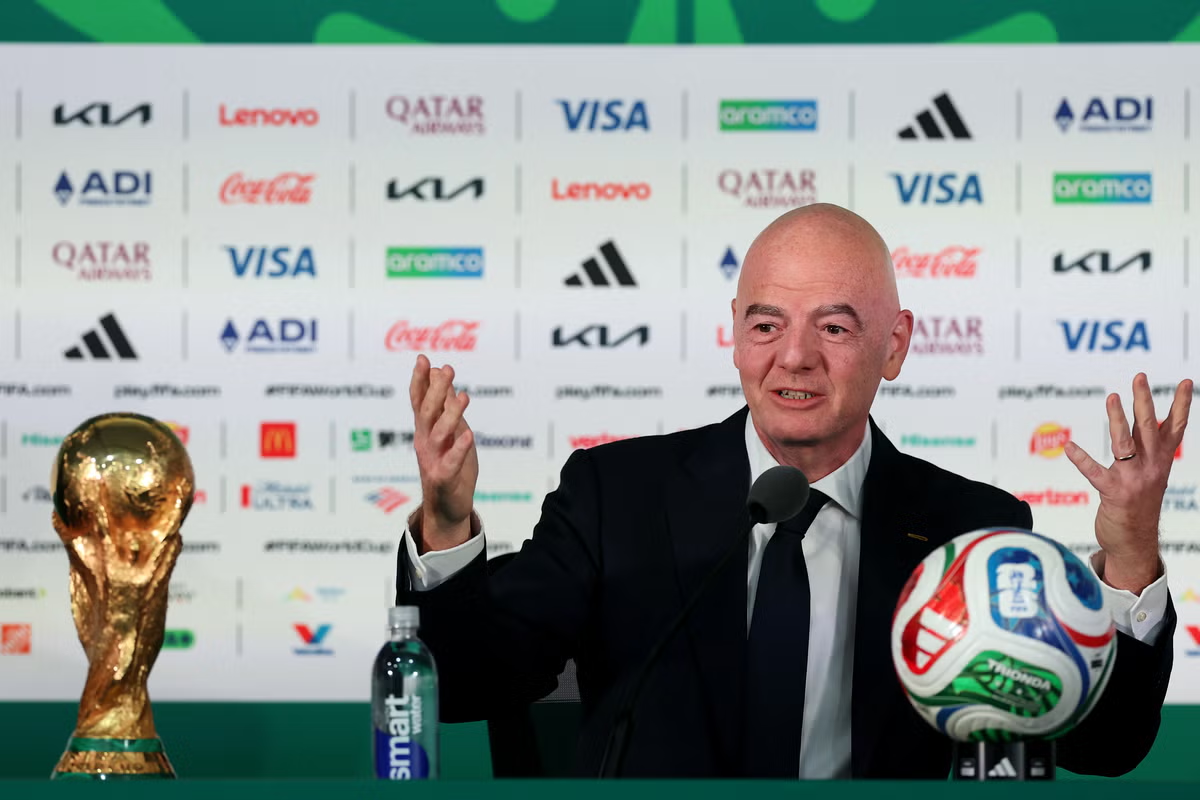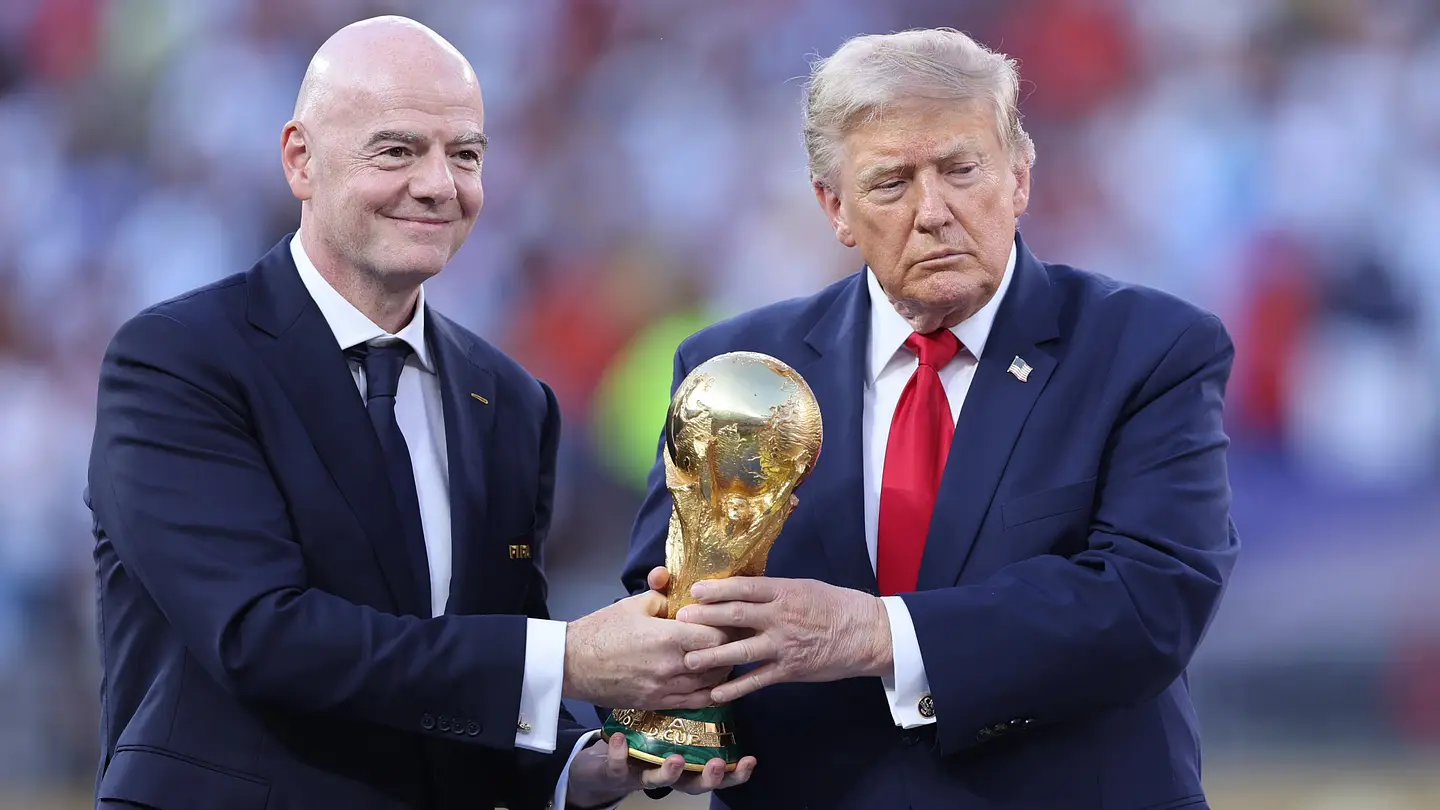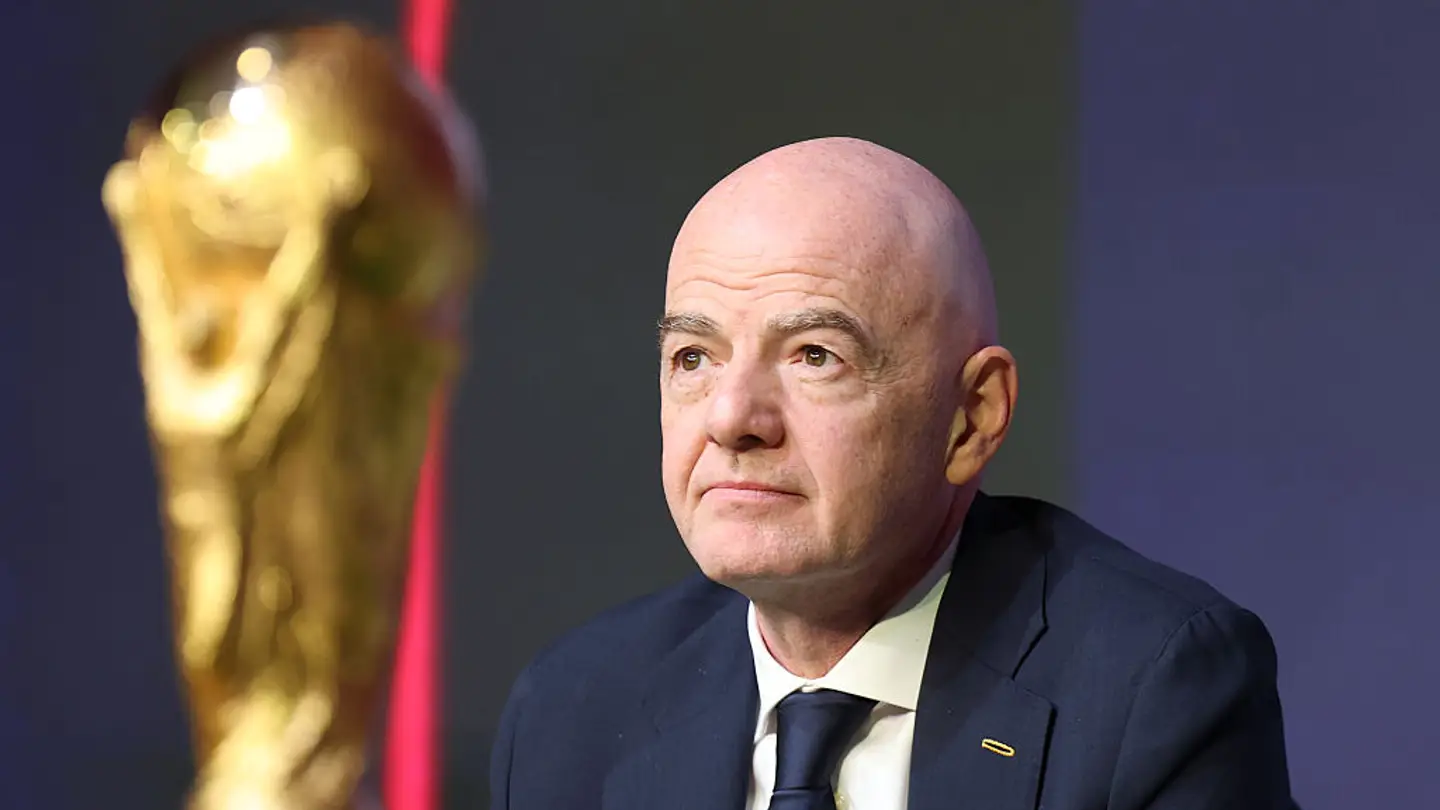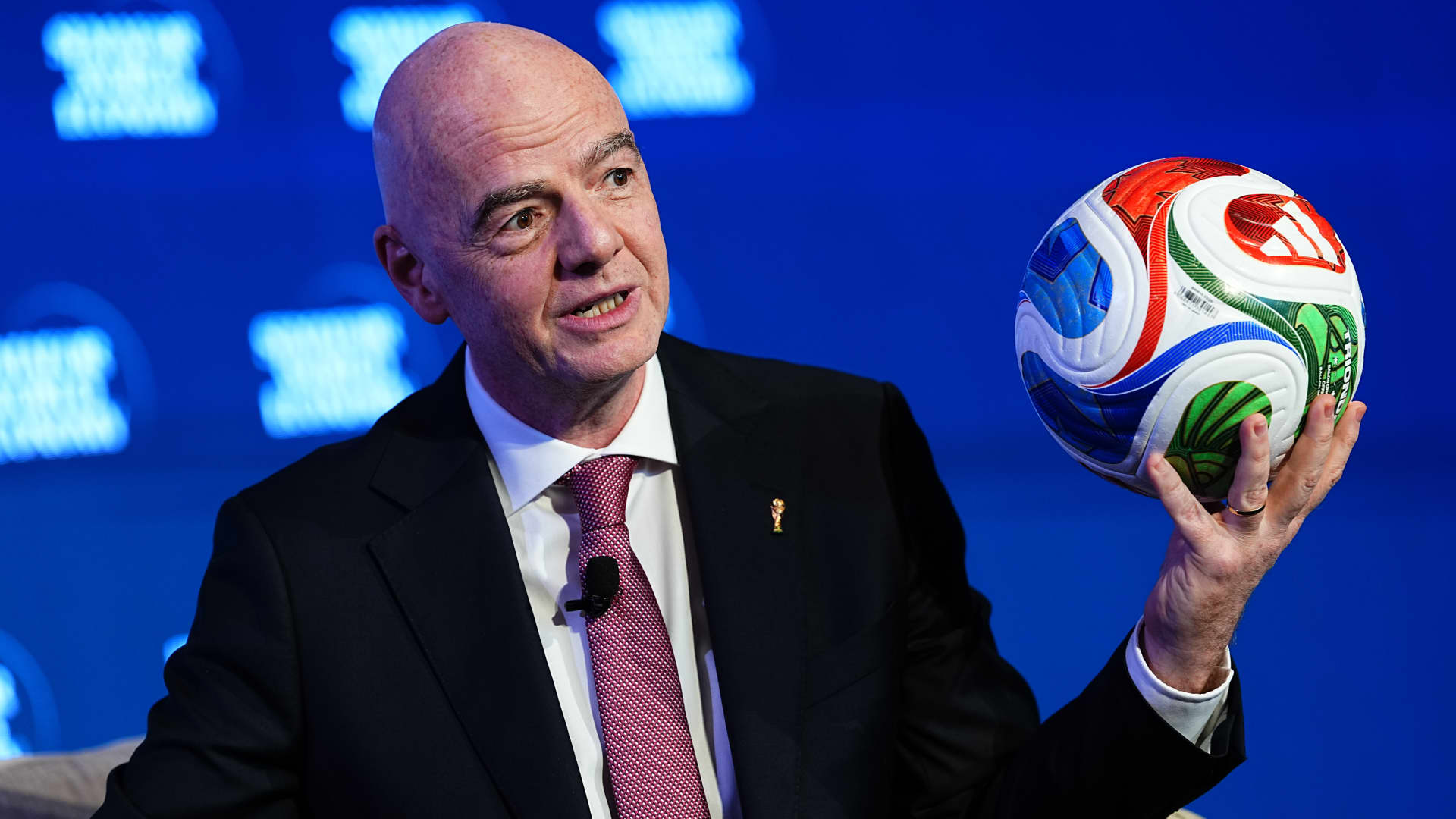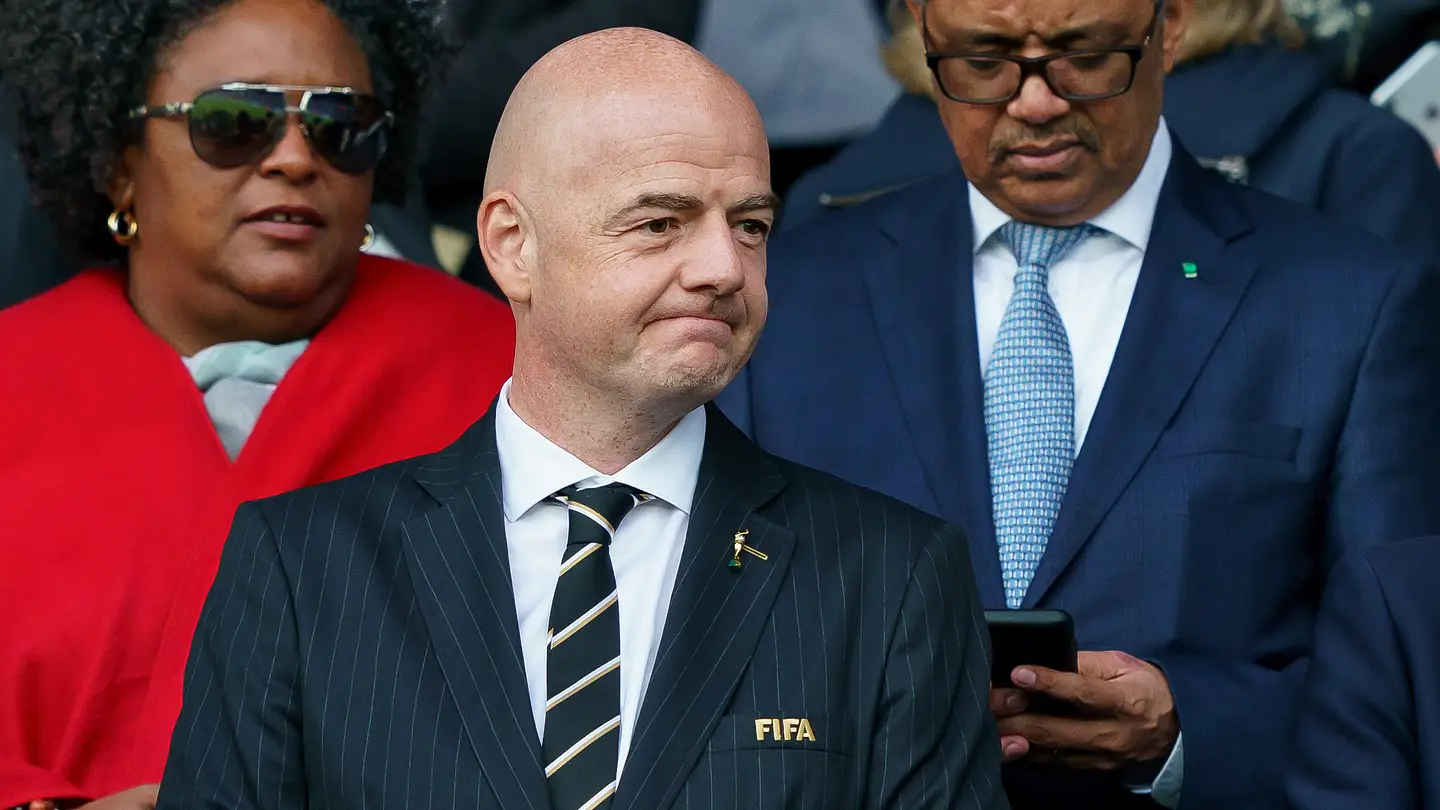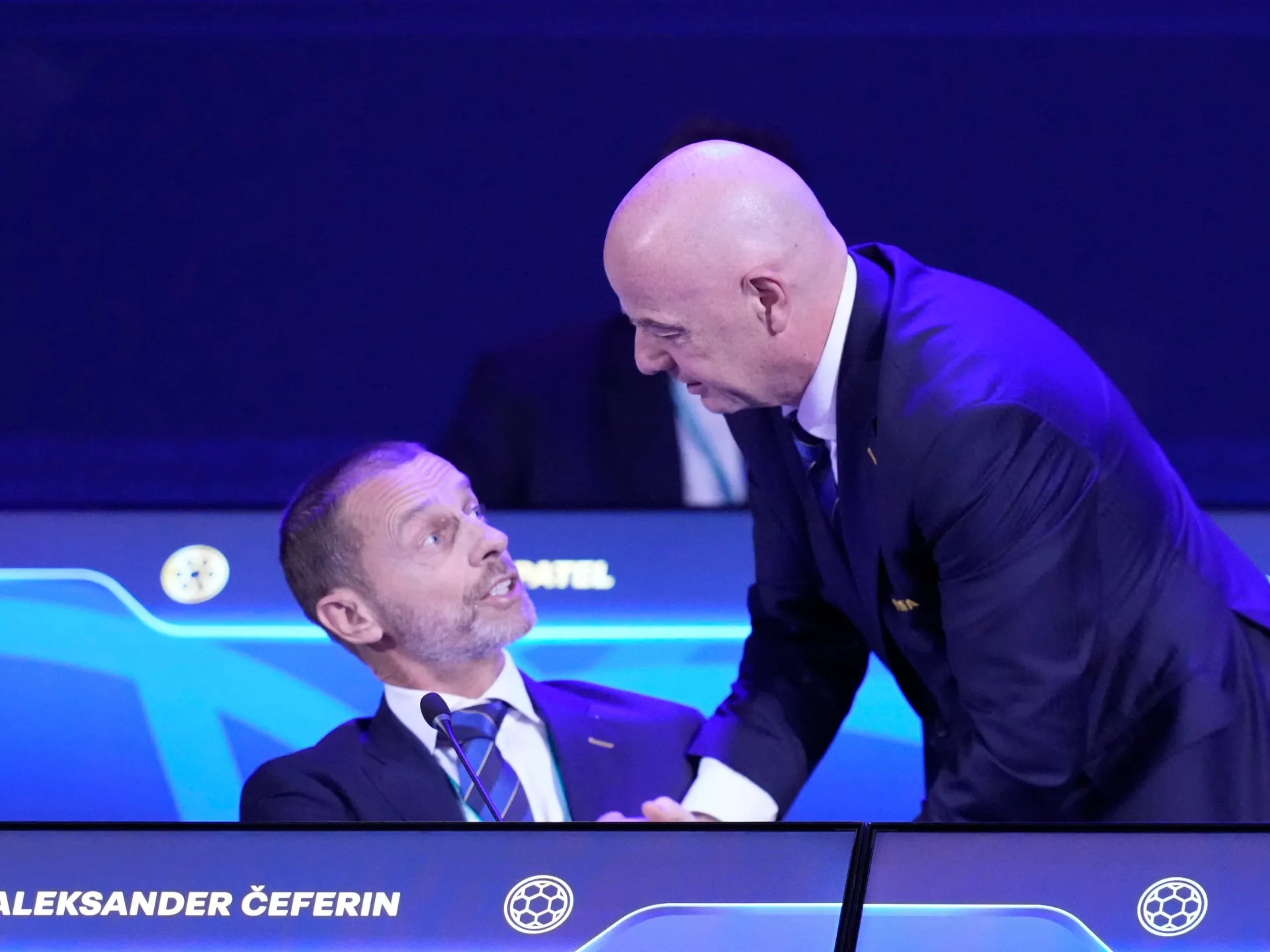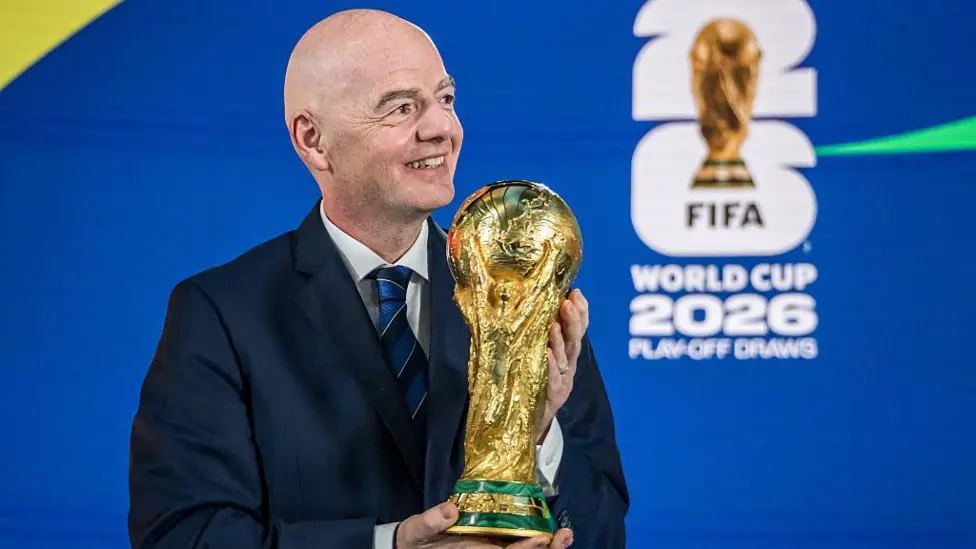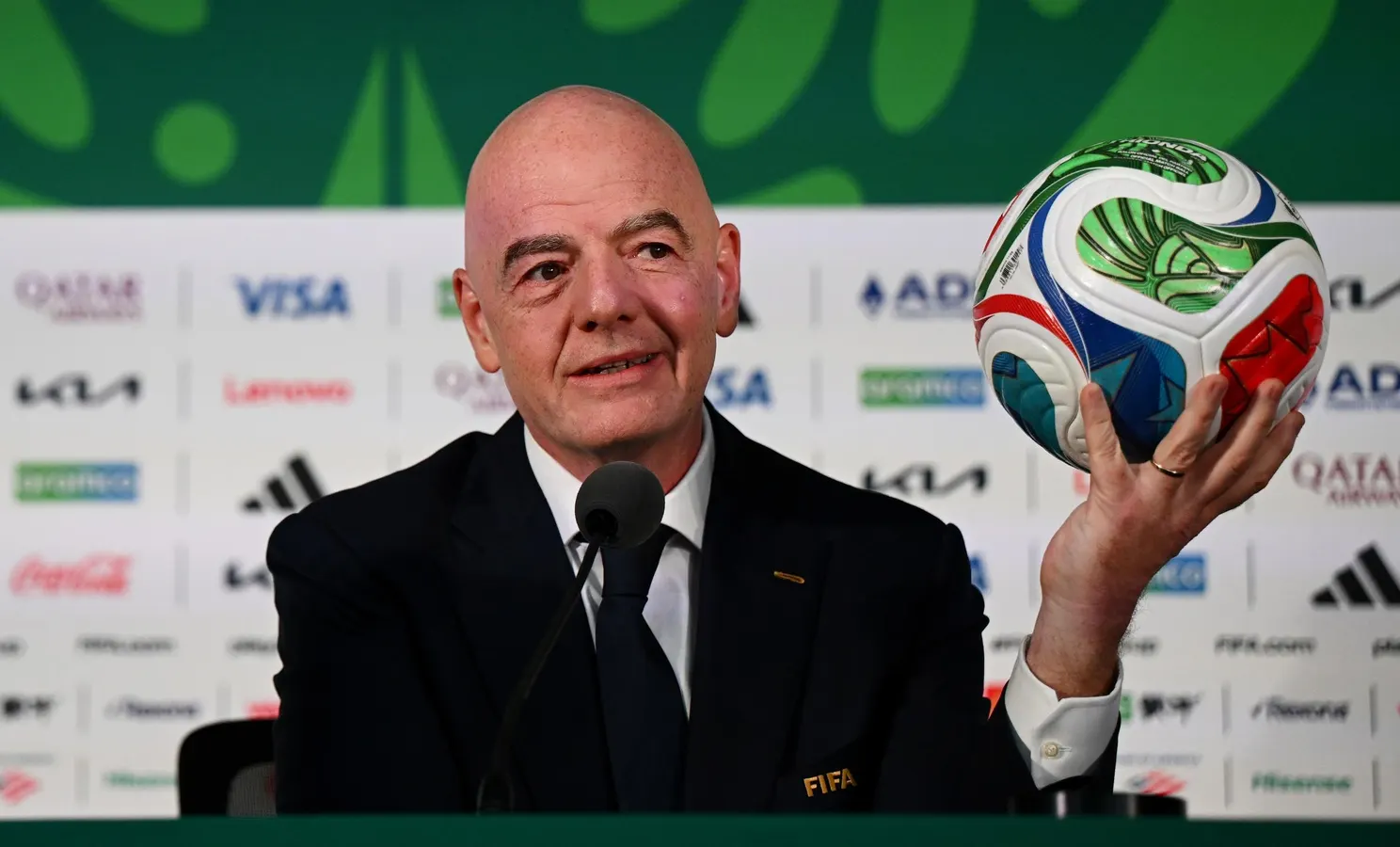
Gianni Infantino, president of FIFA, speaks to the media during a FIFA World Cup 2026 Opening Press Conference at Mexico City Stadium on June 10, 2026 in Mexico City, Mexico. (Photo by Hannah Peters - FIFA/FIFA via Getty Images)FIFA via Getty ImagesFIFA on Friday scrapped a controversial proposal to sell private investors a minority stake in a new commercial subsidiary that would manage World Cup and other competitions. The reversal followed intense opposition from soccer organizations around the world, and a threat by UFEA’s 55 national associations to boycott FIFA tournaments. FIFA president Gianni Infantino explained in a statement why the organization decided to back down. “Having listened carefully to all the views, it has become clear that the project has created divisions of a nature that, regardless of the level of support, are no longer in the interest of the objective set out in the first place. Our purpose has always been—and will always be—to unite and improve. As a result, this proposal will not proceed.”FIFA’s retreat is a timely reminder for business leaders: The threat of a boycott can quickly force organizations to reconsider controversial decisions and plans. But when—and how—executives should respond depends on who is behind the threat, how much support it has, and the potential consequences of ignoring it.How executives deal with those threats can also depend on the size and nature of their companies. “There’s a big difference between a few disgruntled retirees on Facebook vowing to not visit your café again and the entire of Europe’s national football teams deciding to boycott,” Laura Crompton, a PR consultant and business director of Hopscotch USA, observed in an interview with me. As is the case in every crisis, the speed with which organizations respond is an important consideration. “Whether the issue stems from a corporate decision, leadership statement, or social issue, how a company responds in the first 24 to 48 hours determines whether the situation escalates or stabilizes,” Stacey Ross Cohen, CEO of Co-Communications and an adjunct marketing professor at Fordham University, told me in an email message.MORE FOR YOUWhat companies should do before responding to boycottsBefore going public with their response to a boycott, executives should determine whether the threatened action has real momentum, understand the people and grievances behind it, and assess the possible consequences for the organization and its stakeholders. "When a company is facing the threat of a boycott, the speed in which they choose to respond matters. However, the understanding with which they choose to respond matters more,” Tiffany Joy Murchison, founder and CEO of TJM & Co. Media Boutique, advised in an email message to me.A corporate statement about a boycott should not be issued without first “doing a deep dive into the history and culture of the community or group threatening the boycott, and…what triggered it. Understanding why the audience is reacting the way that they are is essential to mitigating or managing the pending crisis,” she recommended.Not every threatened boycott requires a public response, however. “The business first needs to figure out whether the threat has any real momentum. Who is behind it? Are customers paying attention? Could it affect sales, employees or important business relationships? Responding too quickly can turn a limited dispute into a much bigger story. Sometimes the smartest response is no response at all, “Nneka Etoniru, founder of Uncommon, told me via an email message. Gauging that momentum required more than simply counting posts on social media platforms. Executives should consider who is organizing the boycott, whether influential stakeholders have or will join it, how quickly support is spreading, and whether the controversy is beginning to impact sales, employees, investors, or business partners. A demonstrator carries a placard calling for the boycott of the fast food chain McDonald's, accused of allegedly giving free meals to the Israeli soldiers operating in and around the Gaza Strip, outside a franchise in Johannesburg, on April 15, 2024. (Photo by MARCO LONGARI / AFP) (Photo by MARCO LONGARI/AFP via Getty Images)AFP via Getty ImagesCompanies, including Starbucks and McDonald’s, have confronted calls for boycotts of their products over labor issues, world events, and other controversies. “Whether or not the complaints are fair, staying silent, sending mixed messages, or simply reacting allows others to shape the narrative. That’s not a story you want someone else writing,” Cohen at Fordham University advised.Silence is not the same as restraint, however. A company can decide against issuing a public response, while continuing to monitor the situation, briefing employees, preparing responses for customers, and identifying the developments that would trigger a visible response. The boycotts companies may not seeConsumers who decide to boycott a company can be almost invisible to corporate executives. “What’s particularly notable is that the most common form of consumer pressure is also the least visible. Nearly one-third (31%) of those surveyed say they would encourage friends and family to stop buying from a company, spreading negative sentiment through personal networks rather than public channels,” according to new research conducted by APCO.By comparison, “22% would contact a company directly, 21% would join an organized boycott and 16% would post negatively on social media. In other words, companies may be underestimating the reputational impact if they’re only monitoring public criticism,” according to Ginna Royalty, a senior director at APCO.This can create a blind spot for corporate leaders. That’s because a boycott does not have to generate headlines, demonstrations, or viral posts on social media in order to inflict damage on companies. Private conversations among consumers can gradually including purchasing decisions without producing the warning signs that executives might monitor.The findings also underscore the risk of treating silence as a neutral response to a threatened boycott. Depending on the audience, declining to respond can carry its own reputational and commercial consequences. The partisan divide among the public can make responding to boycotts even more complicated. Nearly half of surveyed Republicans (45%) viewed corporate silence in the face of a controversy as the right approach, compared with just 24% of Democrats. The commercial consequences of boycotts are real but can be difficult to predict, according to APCO’s study. More than four in ten of surveyed Americans (43%) said they would be likely to stop buying from a company that stayed silent on an issue they felt required a response. The inclination to boycott an organization was fairly consistent across party lines—48% of Democrats and 40% of Republicans.Avoid knee-jerk responses to boycottsBusiness leaders should avoid knee-jerk responses to threatened boycotts or allow chatter on social media to dictate their actions. Instead, they should focus on the organization’s most important stakeholders and ensure that its response aligns with its values and long-term strategy, Carla Bevins, an associate teaching professor in business management communication at Carnegie Mellon University’s Tepper School of Business, advised in an online interview with me. Business leaders should not wait until they are faced with a boycott to decide how they will respond to the threat. By practicing their responses to different boycott-related scenarios, companies can save valuable time and allocate their resources as needed when worst-case scenarios become a reality.A boycott is fundamentally a leadership communication challenge, not just a public relations issue. “Organizations often focus on defending the decision itself, but stakeholders are also evaluating how leaders communicate that decision. Even those who disagree with an outcome are more likely to view an organization as credible when leaders explain the reasoning behind the decision, acknowledge the tradeoffs that were considered, and communicate consistently across audiences.” Bevins observed.Advance preparations should also include deciding who has the authority to change a controversial decision or plan. A communications team can recommend responses, but only senior leadership—or, in some cases, the board of directors—can determine whether the organizations should defend, modify, or abandon the action that triggered the threat of the boycott. FIFA’s reversal demonstrates that even the largest organizations cannot afford to dismiss a credible boycott threat. The challenge for business leaders is to distinguish between fleeting outrage and sustained opposition—and to recognize when defending a decision or proposal could do more damage than changing or dropping it.
How Companies Can Prepare For And Respond To Threatened Boycotts
The threatened soccer boycott is a reminder for business leaders to consider what they should do—or avoid doing—when their organizations are faced with a boycott.
1,346 words~6 min read