Musk’s comparison does not settle a contest of fertility. Europe is wealthier, more productive and better equipped to turn individual ability into economic value. Nigeria and Africa have time, youth and scale. Whether these become power will depend on decisions now being made in homes, clinics, classrooms, workplaces and public institutions… The figure that should concern Nigeria is how many of its children will reach adulthood healthy, educated, skilled and able to find dignified work.
Elon Musk’s comparison between Nigerian and European births points to a world in which the centres of population, labour and consumption are moving south. Whether Africa’s growth becomes an economic strength or mounting pressure will depend on what happens to its children after birth.
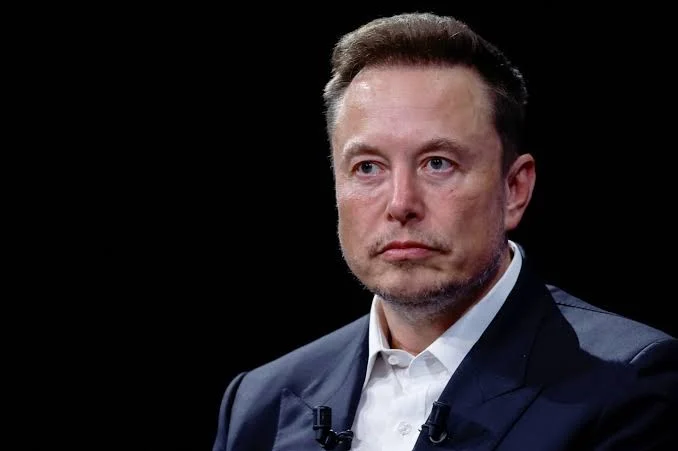
Elon Musk has a gift for reducing significant anxiety to a sentence. “Nigeria alone had 4 million more births than the entire EU last year!” he recently wrote on X.
The statistic admits two readings. In an ageing Europe, it sounds like a warning. In an Africa commonly described through poverty and scarcity, it can be received as evidence of future power. Neither reading goes far enough.
For much of the modern development debate, African population growth has been viewed through a Malthusian lens: more people competing for limited food, employment and public services. Musk begins from the opposite fear, as he has consistently canvassed, that falling fertility will leave societies without enough people to renew themselves. Nigeria’s birth figures bring both anxieties into the same argument.