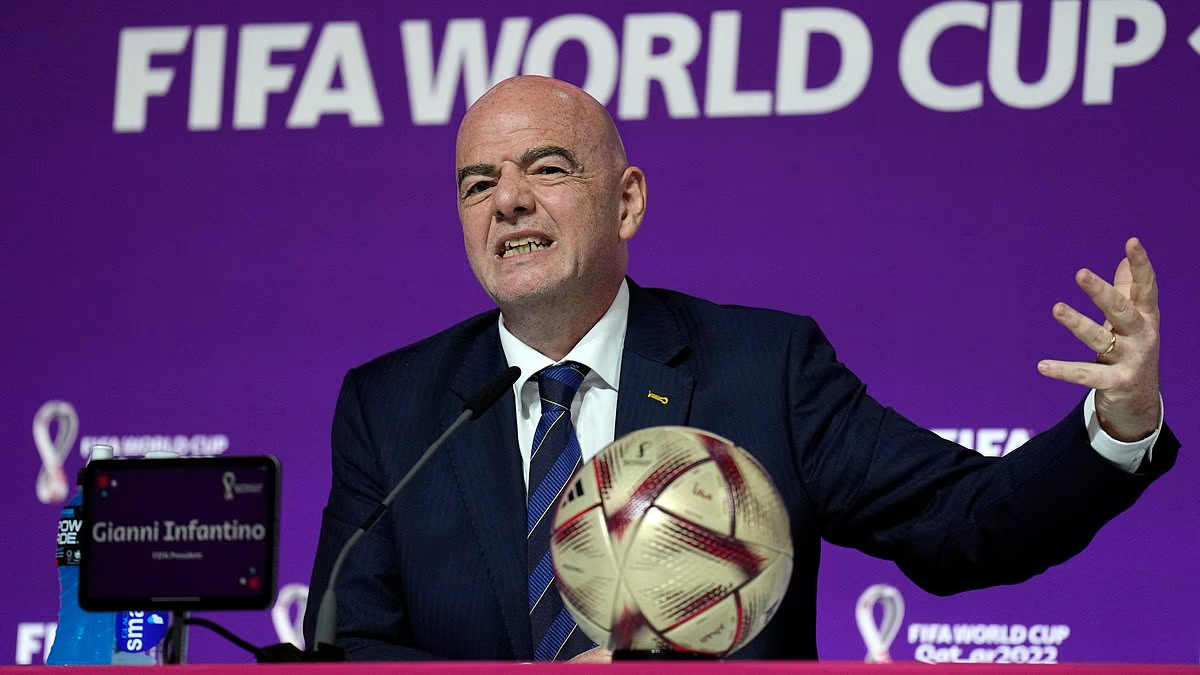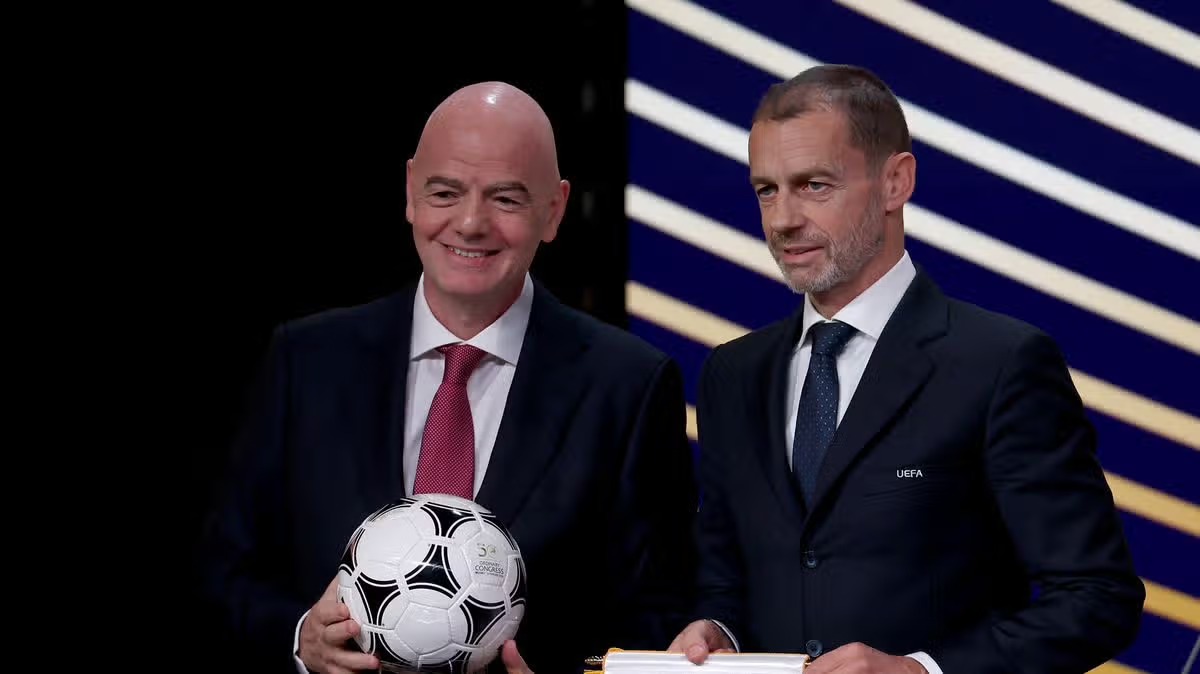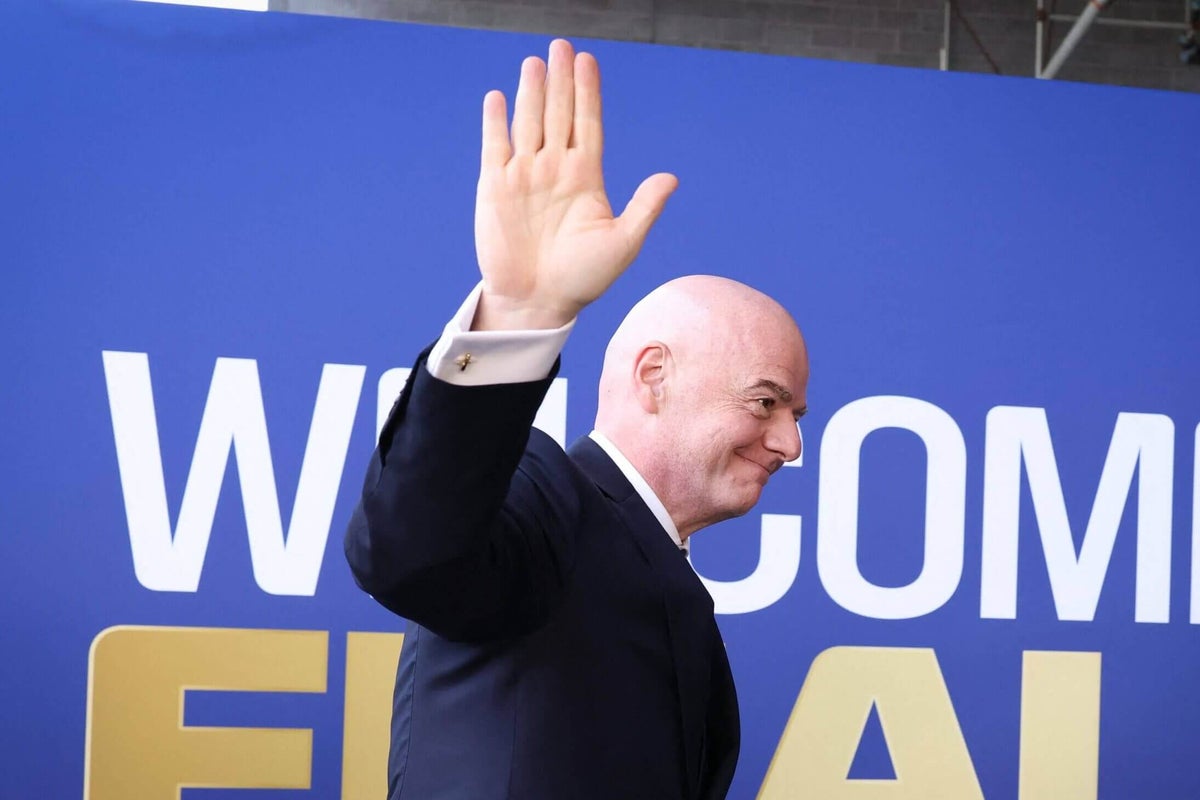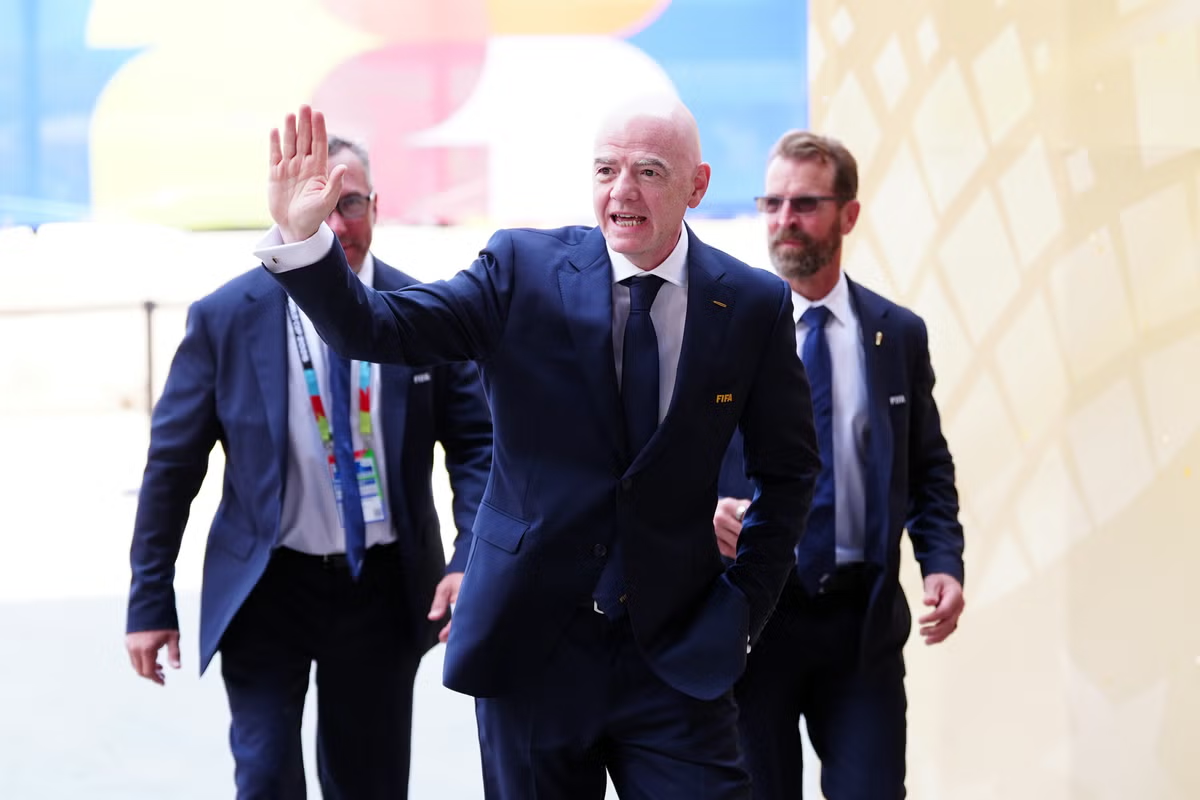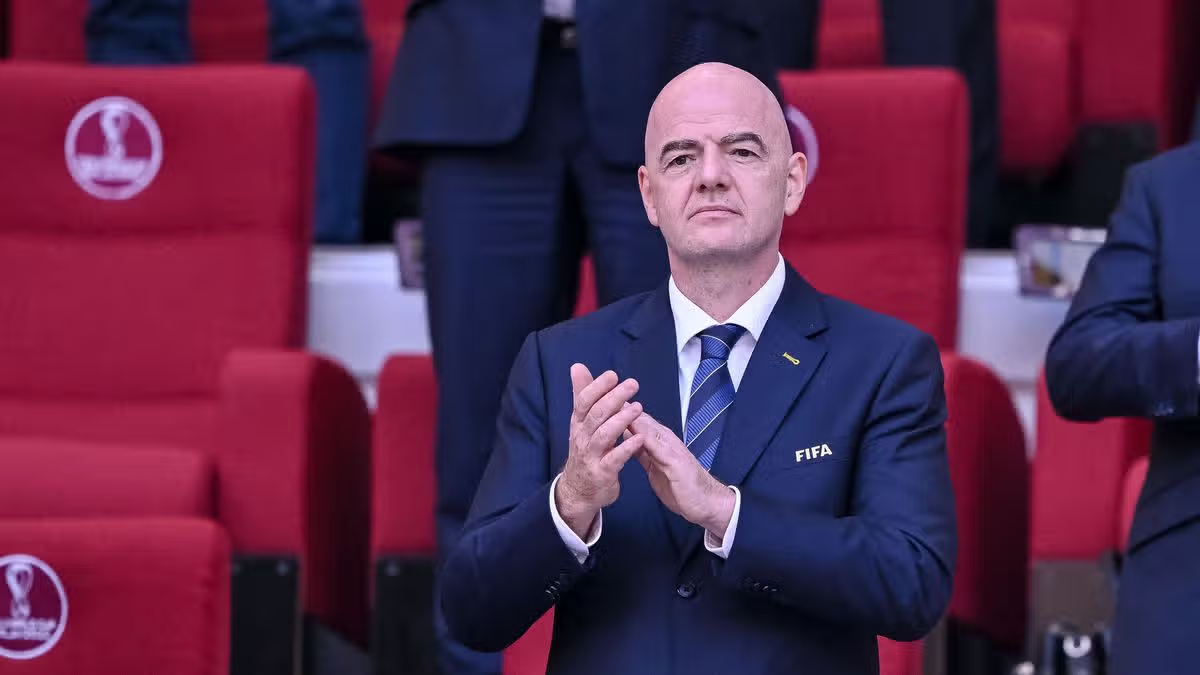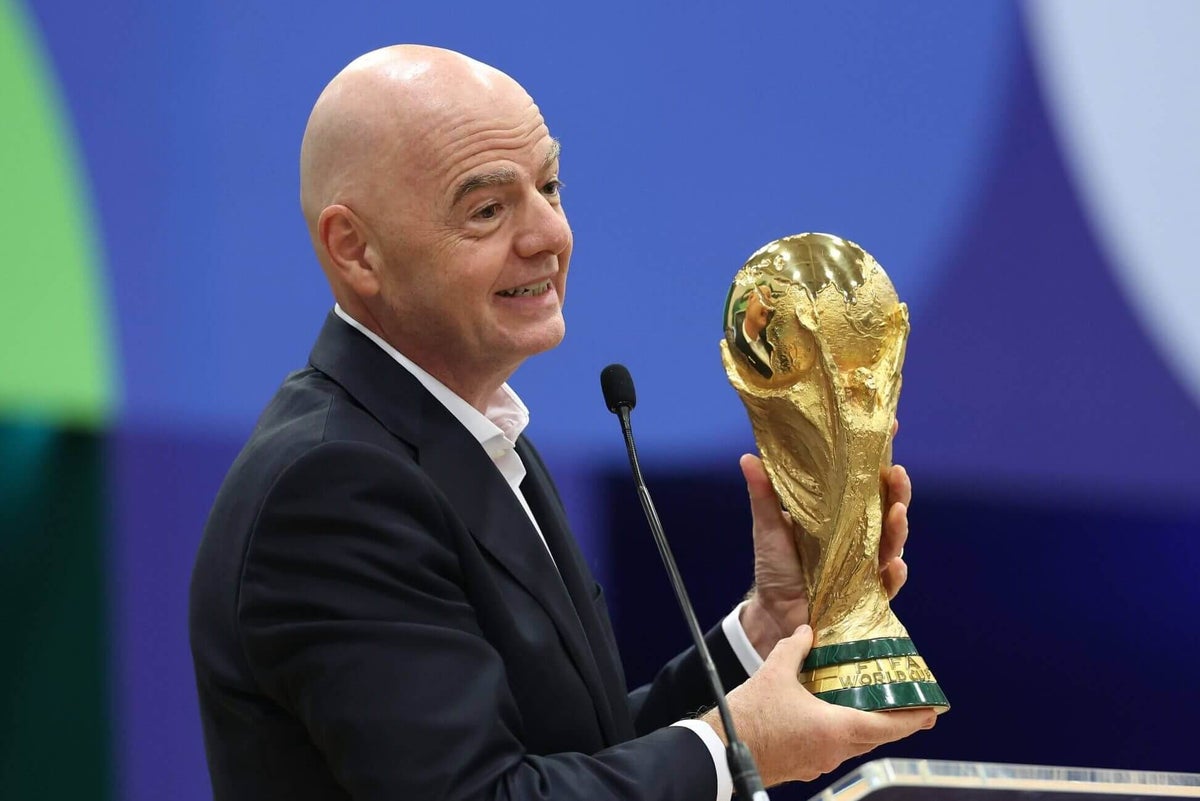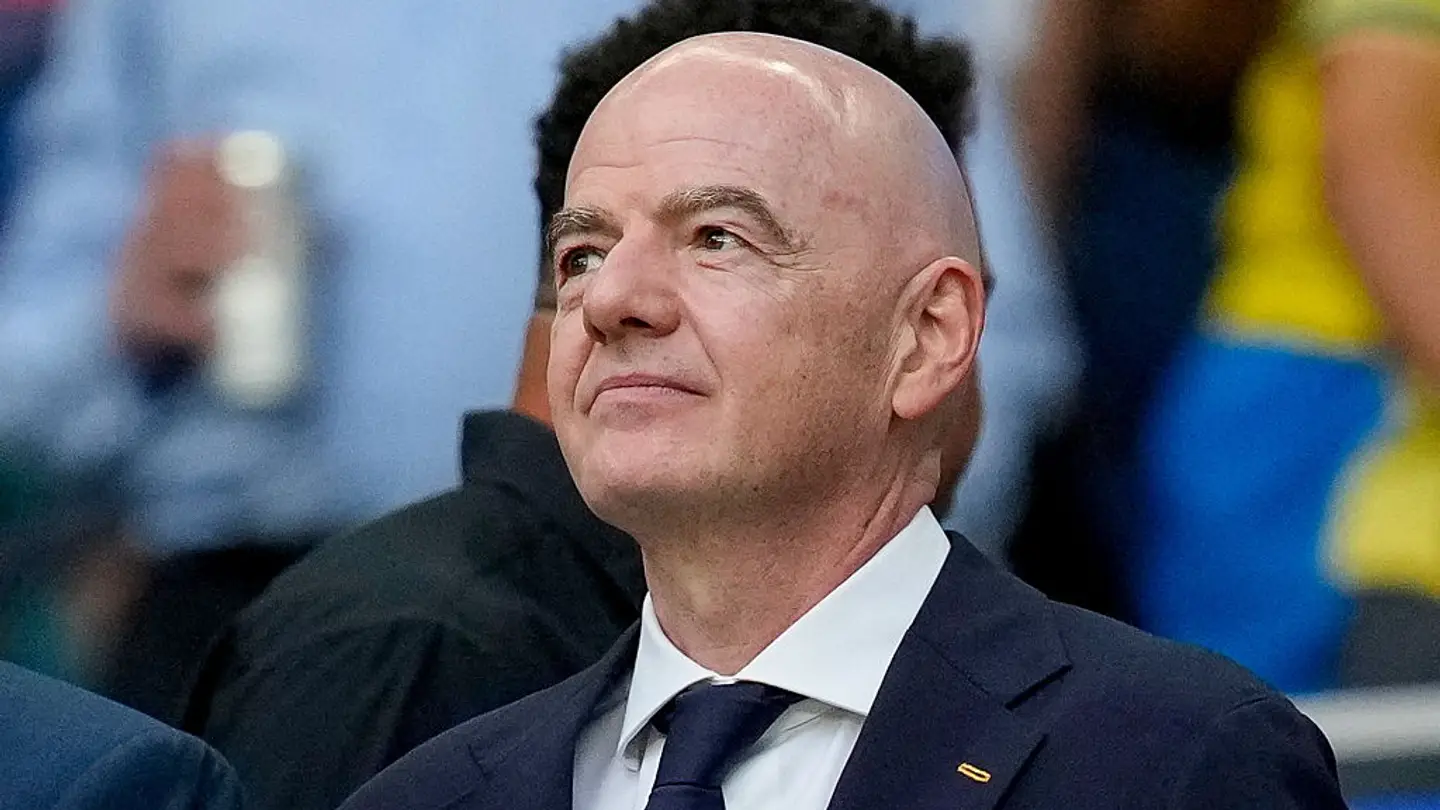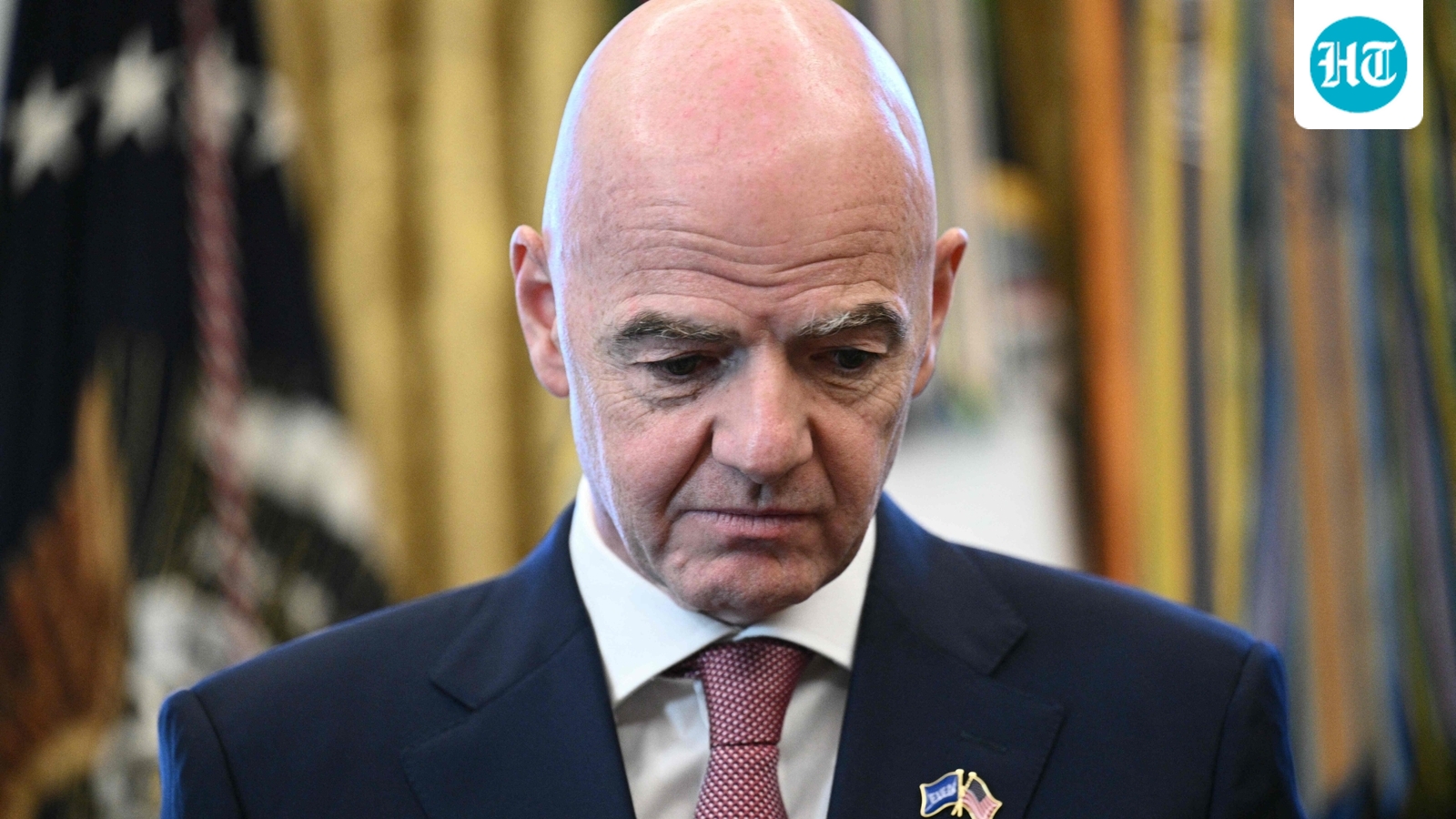
Gianni Infantino is facing the most serious threat to his decade-long reign as FIFA president after UEFA publicly declared that the current leadership of world football’s governing body had lost its confidence. The extraordinary intervention came after Infantino was forced to abandon a controversial proposal to sell private investors a stake in FIFA’s competitions, including the men’s and women’s World Cups.Gianni Ifantino might be on his way out. (AFP)While UEFA stopped short of directly demanding Infantino’s resignation, it called for a “thorough and fundamental” review into how the proposal had been developed and declared that “no option should be off the table”.“The current FIFA leadership has not only lost UEFA’s confidence but also that of many other members of the football family,” the European governing body said. It also demanded that those responsible for what it described as “secret schemes” developed on accelerated timelines be identified and held accountable. The language amounts to an unmistakable challenge to Infantino’s authority, barely eight months before he is due to seek another term as FIFA president.Global revolt leaves Infantino fighting for survivalFIFA had proposed creating FIFA Forward Enterprise, a new commercial subsidiary valued at approximately $20 billion. The organisation planned to offer private investors a non-controlling stake of up to 20%, potentially raising around $4.2 billion.The subsidiary would have managed the commercial and operational aspects of FIFA competitions, including broadcasting, sponsorship, ticketing and licensing. Joshua Kushner’s Thrive Eternal had been identified as the proposed lead investor, with JPMorgan overseeing the process.Infantino presented the project as a way of distributing more than $10 billion to FIFA’s 211 member associations. Federations were given until September 19 to accept an optional one-time $20 million payment linked to the proposal.However, the plan rapidly collapsed after FIFA’s most powerful regional bodies complained that they had been excluded from meaningful consultation. UEFA’s 55 national associations unanimously rejected the proposal and threatened to boycott FIFA competitions until it was withdrawn. Concacaf also opposed the project, while the Asian Football Confederation said the process had exposed “fundamental weaknesses” in FIFA’s consultation and decision-making procedures.The rebellion then spread inside FIFA. Infantino’s senior adviser, Carlos Cordeiro, resigned, describing the proposal as a bad deal for football. FIFA chief operating officer Kevin Lamour also publicly criticised the president, claiming employees had been deceived and describing the initiative as the project of one individual. The FA also supported the UEFA statement, raising further obstacles in Infantino's continuity path.Faced with resistance from Europe, North America and Asia, Infantino announced that the proposal would not proceed. He acknowledged that it had created divisions that were no longer compatible with FIFA’s stated objective of uniting and developing football.Withdrawing the proposal, however, has not ended the crisis. UEFA said the cancellation represented a victory for football but warned that rebuilding trust in FIFA had only just begun. European officials are now expected to work with other confederations on governance reforms and an alternative system for distributing development funding. Attention is also turning towards the FIFA presidential election scheduled to take place in Morocco on March 18, 2027.Also Read: UEFA launches attack on FIFA President Gianni Infantino after withdrawal of investment plan: ‘He failed to deliver’Infantino had previously appeared set for another comfortable victory. That assumption has now been shattered, with Concacaf president Victor Montagliani reportedly considering a challenge and football officials discussing the need for a credible alternative candidate.Infantino can still survive. FIFA’s one-association, one-vote system gives considerable influence to smaller federations that have benefited from increased development payments during his presidency. But the speed and scale of this week’s revolt have transformed his position. A president who appeared virtually untouchable only days ago is now politically wounded, publicly disowned by UEFA and facing the possibility of the first genuine election contest of his FIFA reign.
Gianni Infantino's FIFA reign under threat after humiliating World Cup sell-off collapse
Gianni Infantino's FIFA reign is under threat as UEFA challenged his leadership after the World Cup stake-sale collapse. | Football News
627 words~3 min read