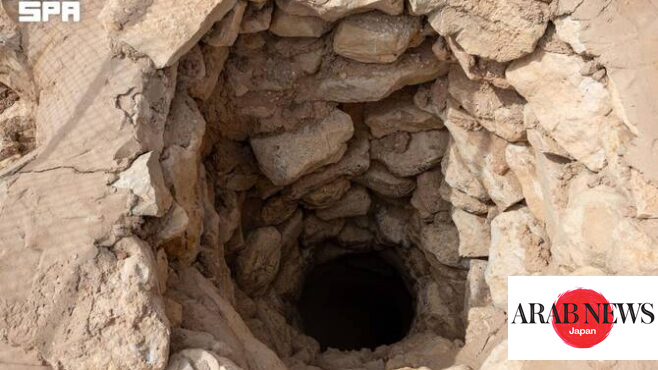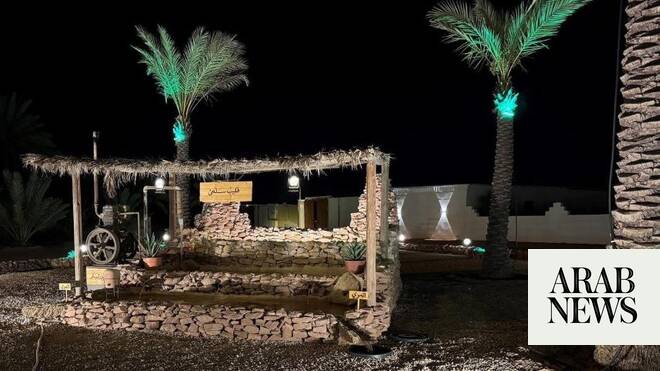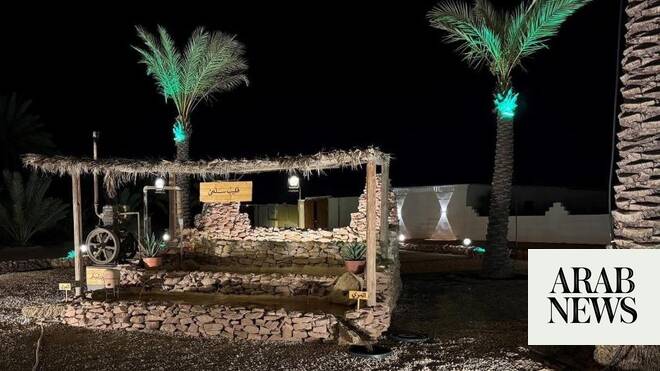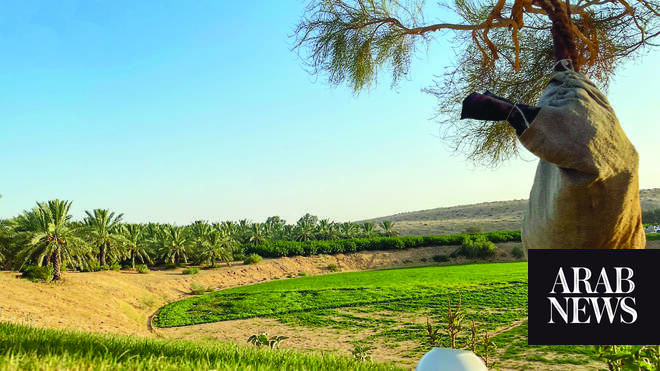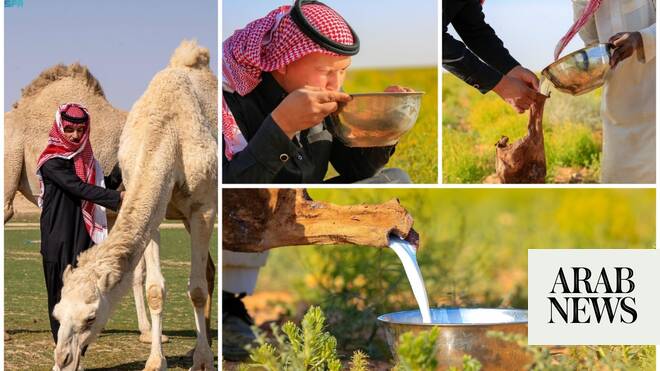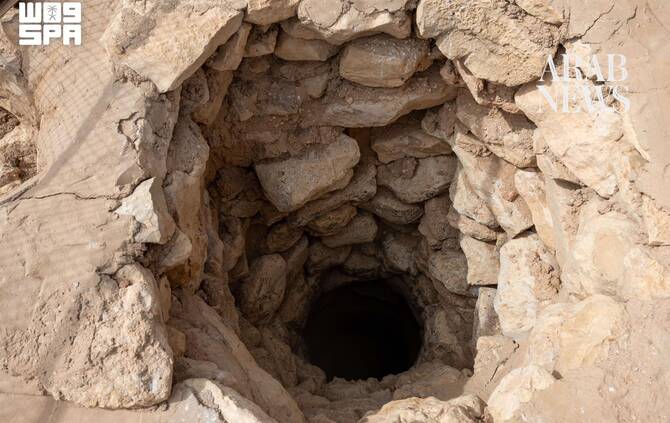
RAFHA: As summer temperatures rise, the historic wells of the Northern Borders region offer a reminder of a time when access to water shaped daily life across the desert.
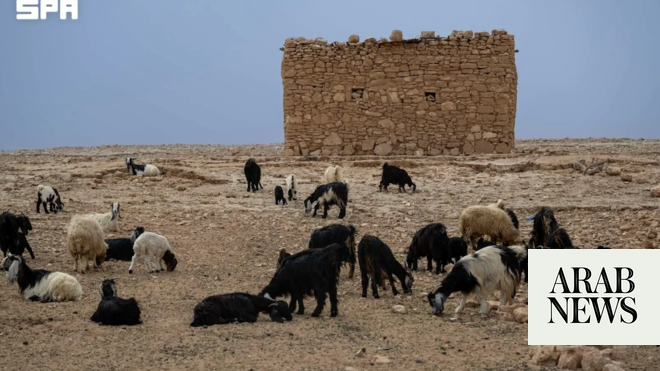
During the hottest months, known locally as Al-Maqyadh or Al-Maqtan, residents and travelers gathered around permanent wells, which became temporary settlements for families, herders and passing caravans, reflecting the central role water played in the region’s history.
The area is home to numerous hand-dug wells, many excavated hundreds — and in some cases, thousands — of years ago. They supplied water to local communities and travelers, sustaining settlement and movement across the harsh desert landscape.
History and archaeology enthusiast Khalaf Al-Ghufaili told the Saudi Press Agency that Al-Maqtan sites once served as seasonal centers of social and economic life.
They were more than sources of drinking water; they served as places of temporary settlement and mutual exchange, strengthened social ties, and supported the continued movement of herders and travelers along desert routes.