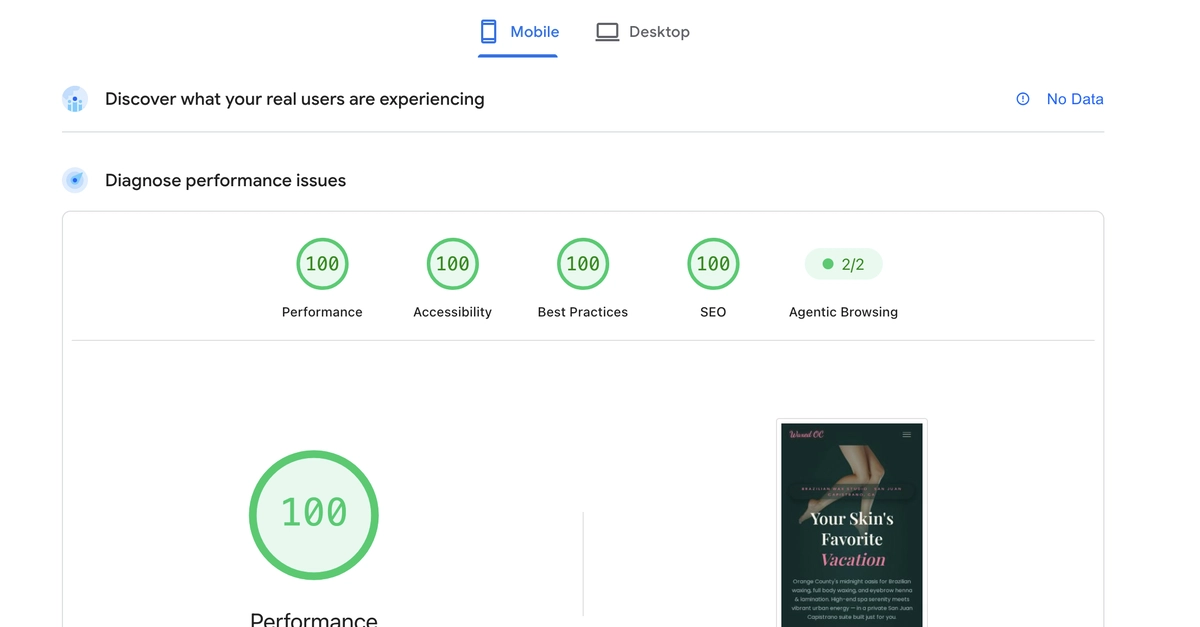
It's easy to test a site on office fibre, get a 95+ Lighthouse score, and call performance "done." Then someone in a secondary city mentions the site feels slow on their phone, and the gap between tested performance and real performance becomes obvious.
This isn't a Pakistan-specific problem in theory, but it's an unusually common one in practice — a large share of real users here are on congested 3G or throttled 4G, on mid-range Android devices, often outside the main metros where infrastructure is best. If you're building for a Pakistani (or generally emerging-market) audience, "works great in the office" isn't the same as "works great for the actual user."
Here's what actually moves the needle, beyond just plugging in a CDN.
A CDN helps, but it doesn't fix the last mile
A CDN gets your assets physically closer to the user, which helps. But if the connection between someone's phone and the nearest edge node is still a congested 3G link, the CDN's job is basically done — the bottleneck is the last mile, and no amount of edge-caching fixes that. What actually helps is reducing how much has to travel down that last mile in the first place.