(Image credit: Future)
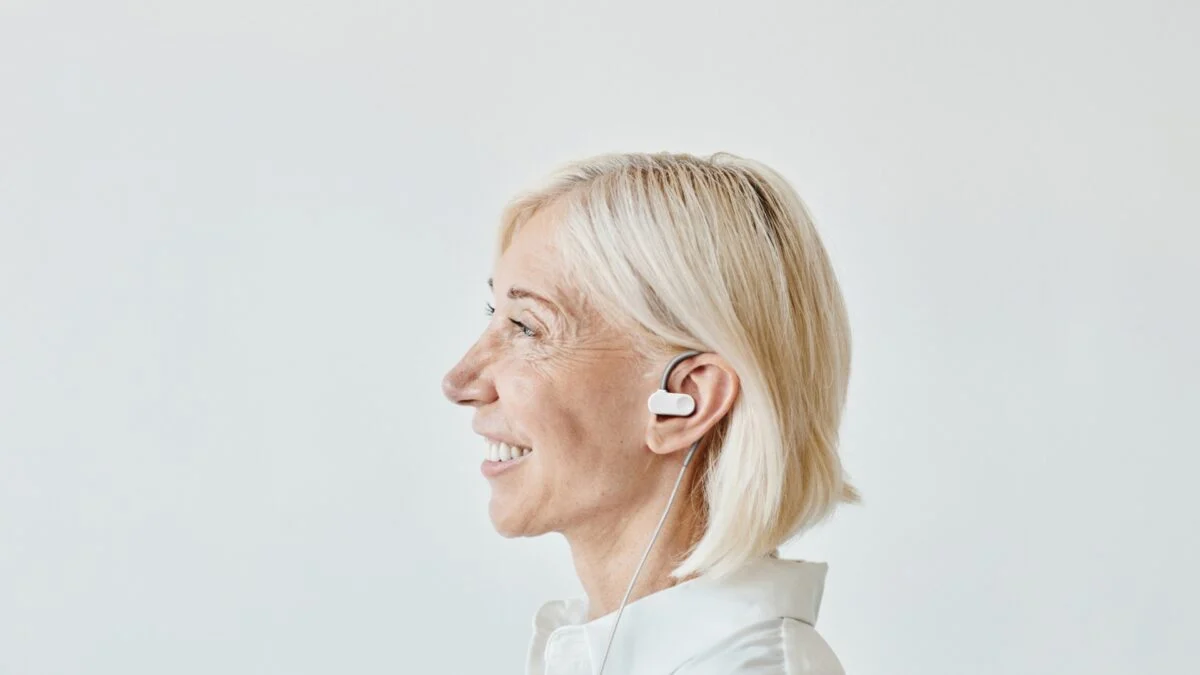
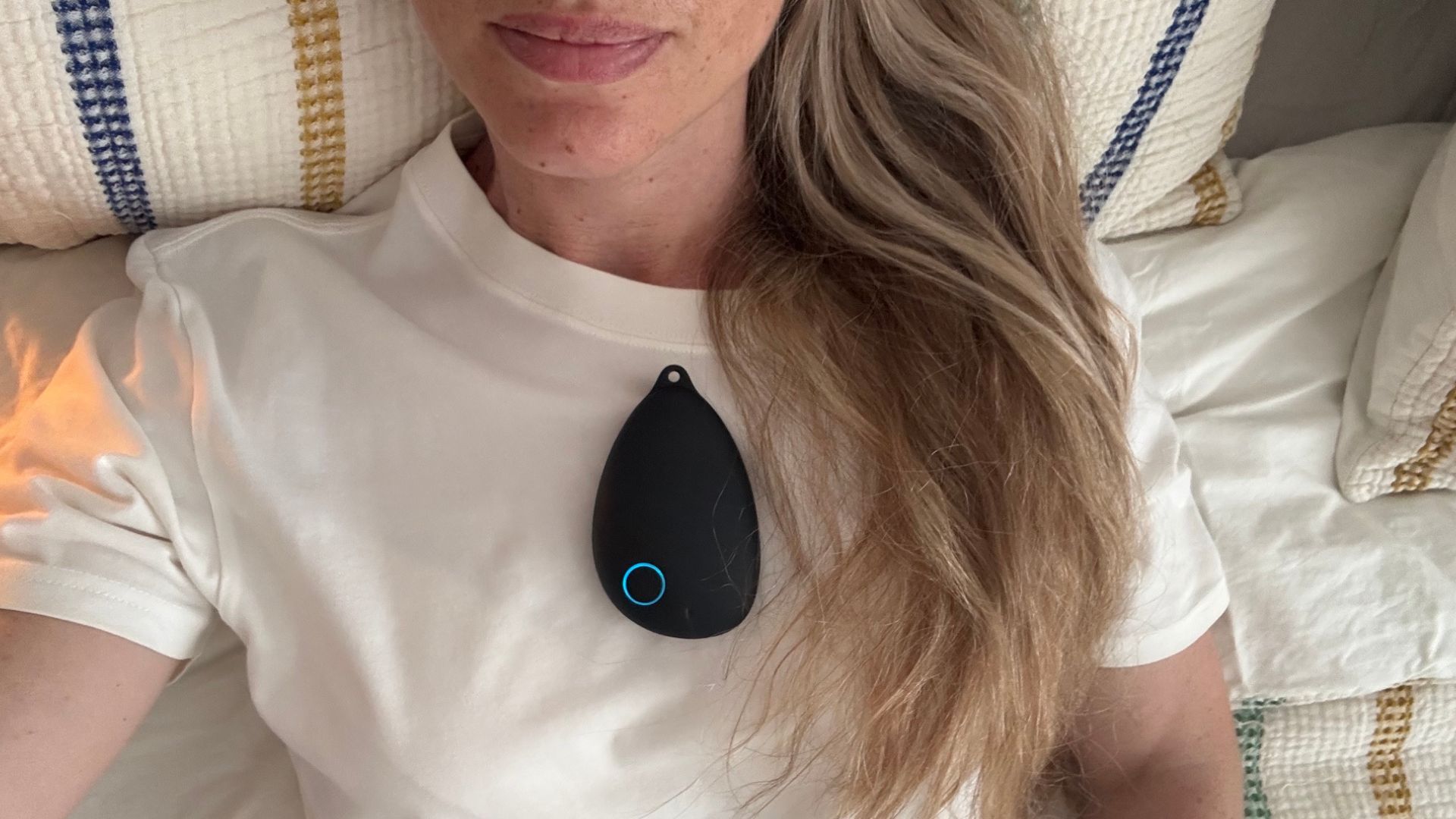
Collectively, we’re stressed. Our nervous systems are fried and our sleep is suffering. Enter: expensive gadgets that promise to help us unwind so we can finally get a decent night’s rest. Non-invasive vagus nerve stimulators (nVNS) are the latest viral sensations within the wellness industry.As a mildly stressed and extremely frazzled working parent, the idea that I could de-stress and sleep better just by turning on a gadget sounds appealing. But do nVNS work, and are they worth the hundreds of dollars that they can cost?To find out, I tried a $299 vagus nerve stimulator and pitted it against doctor-recommended vagus nerve stimulation practices you can do at home for free. Both methods helped me mellow out before bed and hit a sleep score of 96 on my Apple watch, but one has become my go-to stress buster.Key takeaways: At a glanceWearable vagus nerve stimulators offer an effortless, high-tech way to switch your body from 'fight-or-flight' into a relaxed state, but doctors point out that free physiological techniques can trigger the exact same biological response.To test how effective both options are, I put them to the test to see if they can help me lower stress for better sleep.Consumer vagus nerve stimulators can be effective at reducing stress but come with a high price tag.Techniques like deep breathing and cold-water facial exposure immediately stimulate the vagus nerve and lower your heart rate naturally with zero cost or equipment.The Verdict: If you struggle with stress and want a passive, hands-off solution to unwind, the $299 investment may be worth it. However, for most people struggling to sleep, $0 breathwork practices deliver comparable stress-relief results without spending a cent.What is your vagus nerve and why do you need to stimulate it?