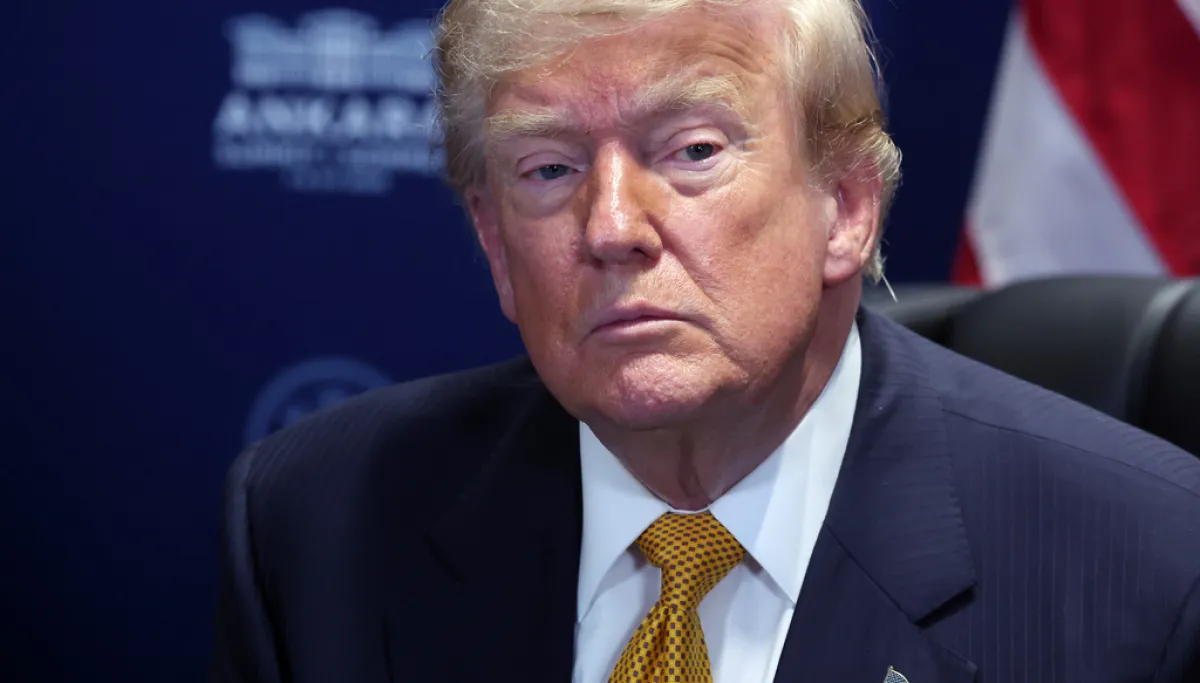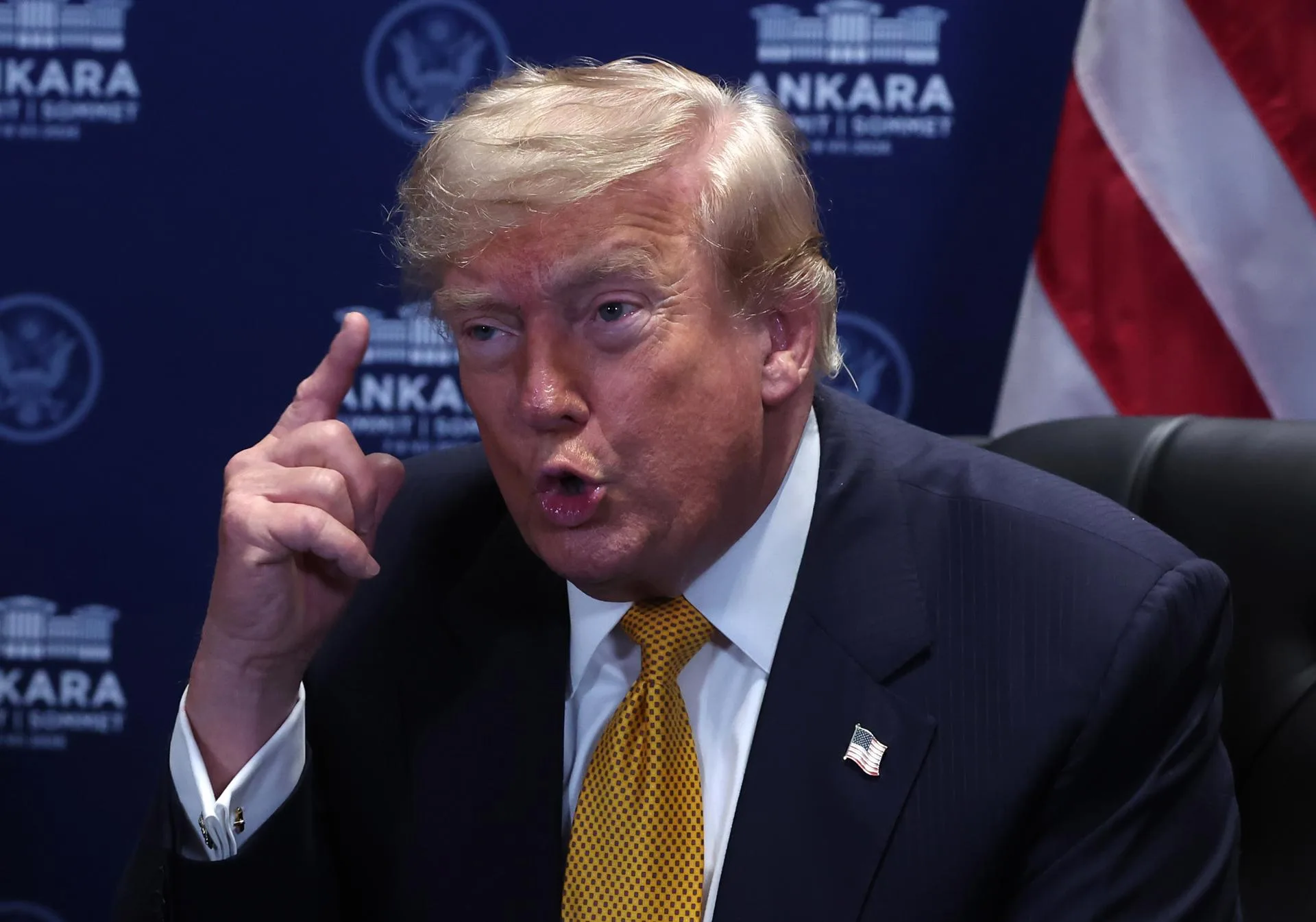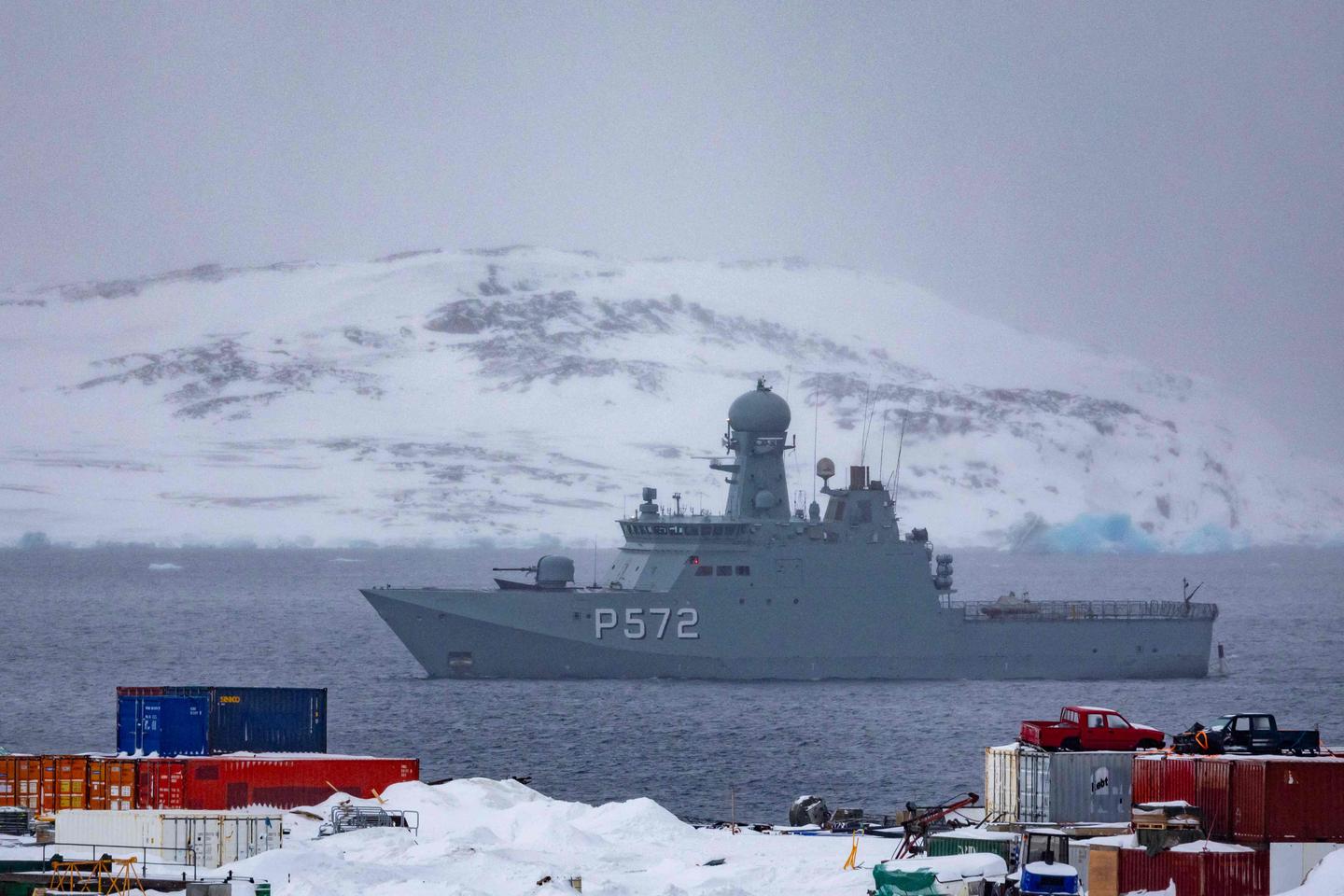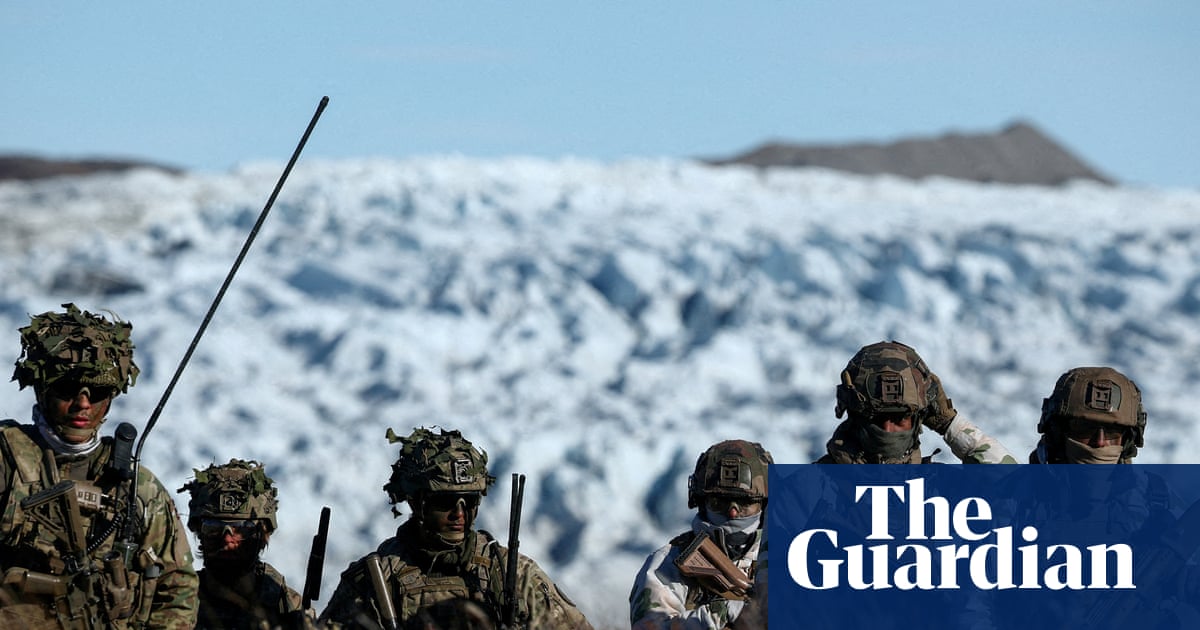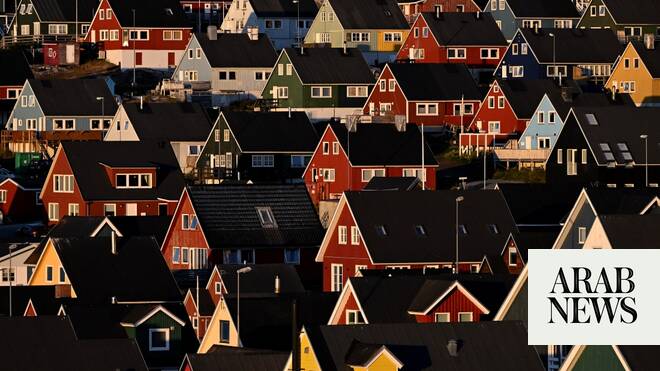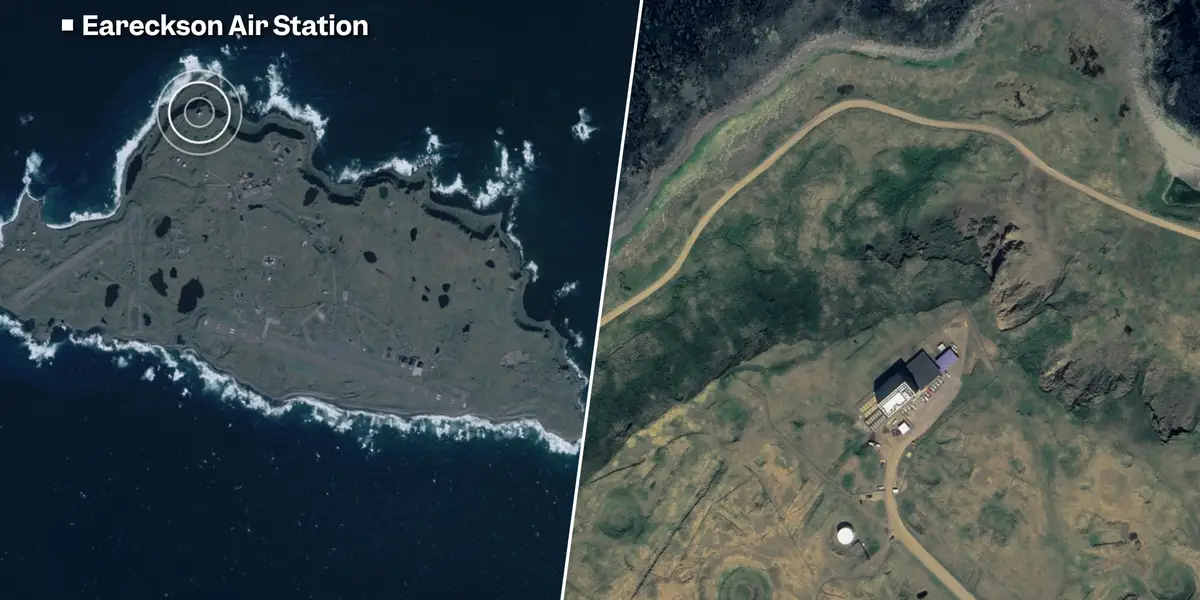
President Donald Trump's repeated calls to acquire Greenland, reiterated most recently at a NATO summit last month in Turkey, have thrust the Arctic into the global political spotlight.The bigger challenge, they say, isn't acquiring more Arctic territory. It's that the US has spent decades underinvesting in the Arctic presence it already has."The notion that we would take Greenland and somehow improve it is a fallacy," Kenneth Rosen, a journalist and author of the book "Polar War," told Business Insider. "We have not done that in Alaska."The challenge of securing the US's Arctic foothold has become more urgent as the Arctic itself changes. "The Arctic is no longer reliably frozen," Klaus Dodds, a professor of geopolitics at Royal Holloway, University of London, told Business Insider last year.
The Arctic is warming three and a half times faster than the rest of the planet, rapidly reshaping the Far North into a region that's more accessible and more strategically contested.
Planet Observer/Universal Images Group via Getty Images
As shrinking sea ice opens new shipping routes and access to energy and critical minerals, the region has become increasingly important to global security, Dodds said.Russia began rebuilding its Arctic presence nearly two decades ago, reopening Cold War-era facilities and investing in year-round infrastructure.The US has largely moved in the opposite directionDuring World War II, the US built roughly 300 military installations across Alaska, many of which remained active throughout the Cold War. Many have since been abandoned or closed, leaving behind deteriorating runways, overgrown buildings, and empty airfields.