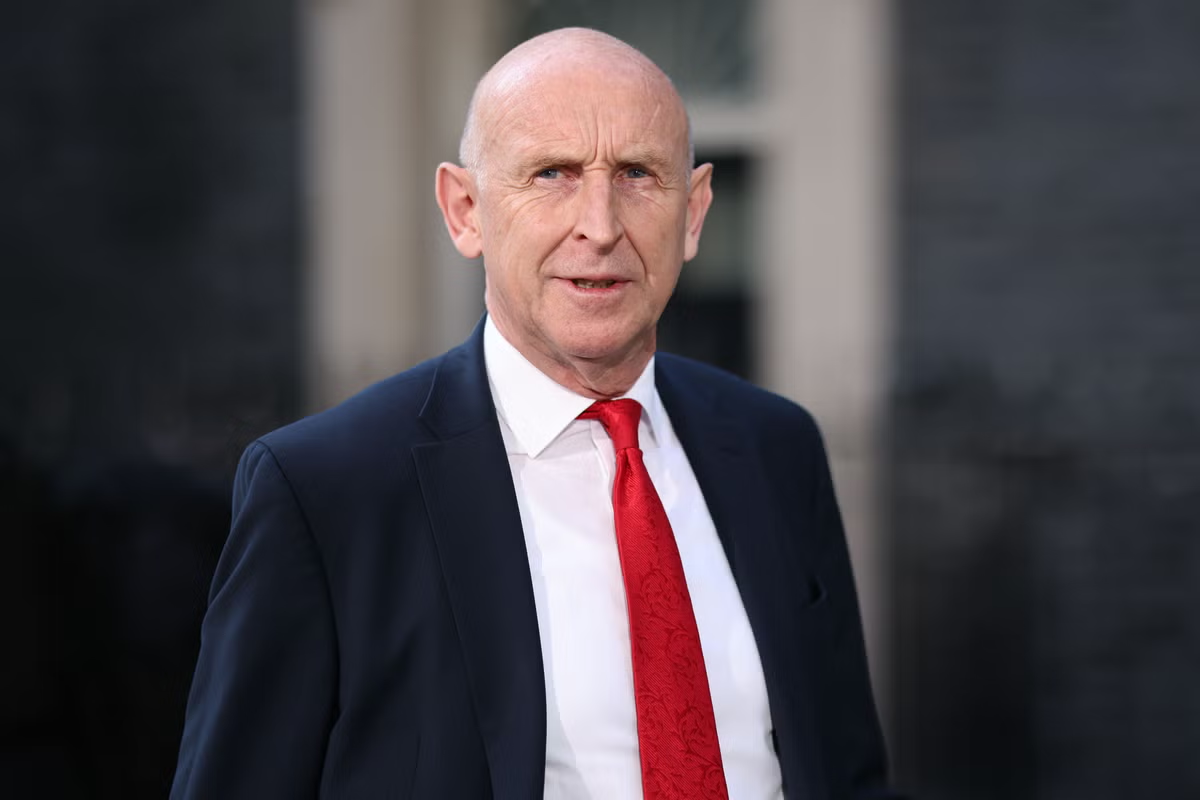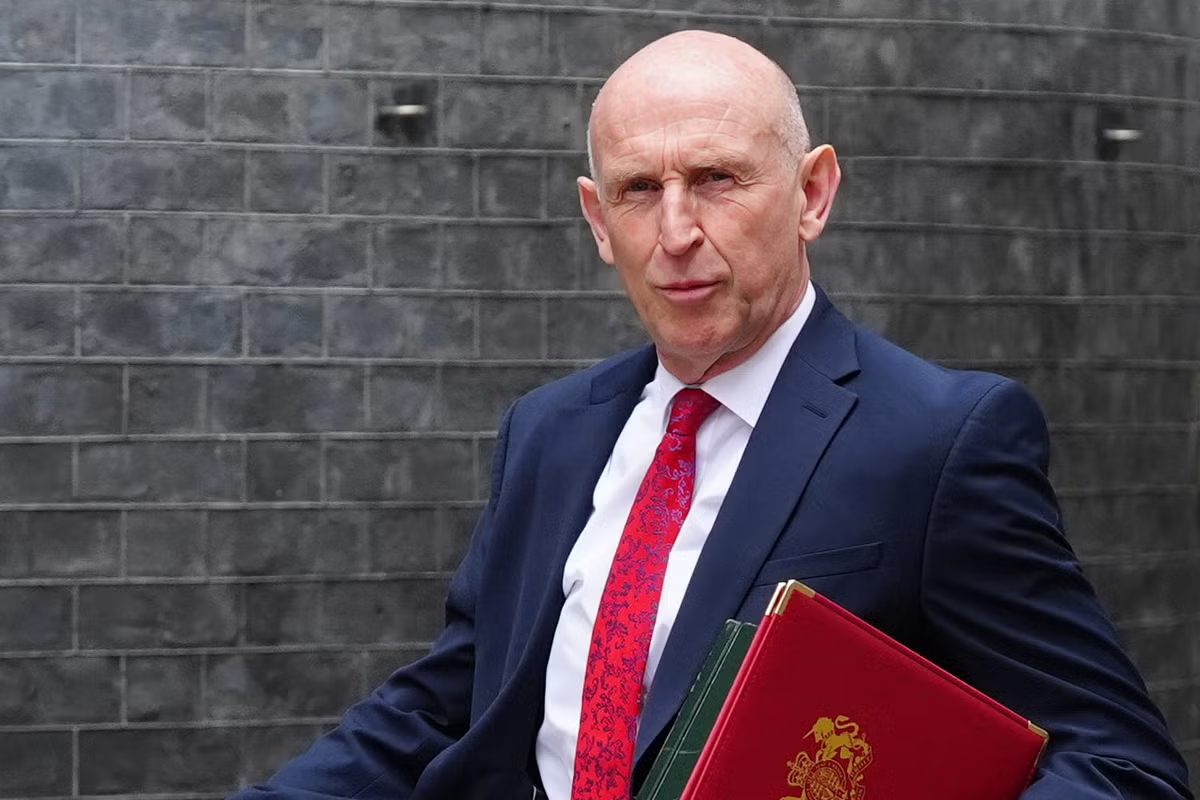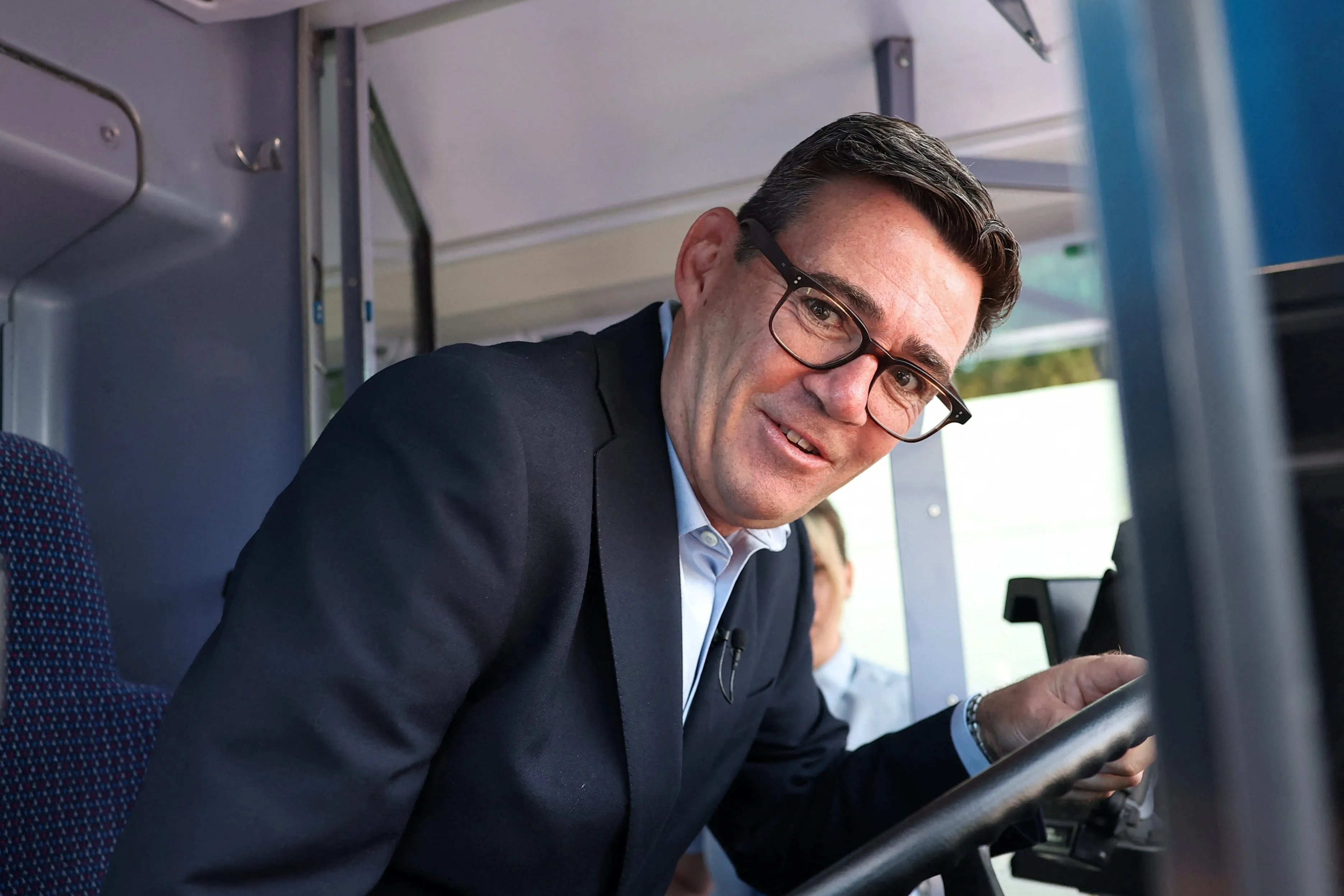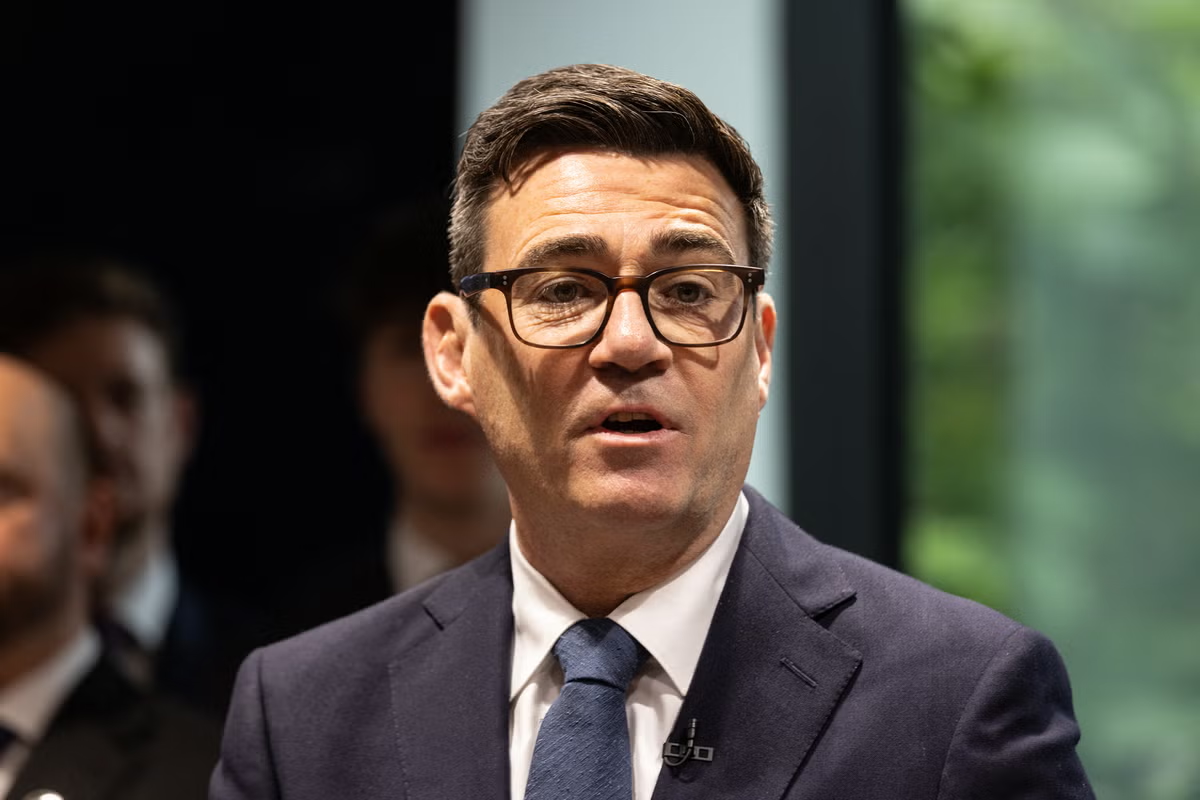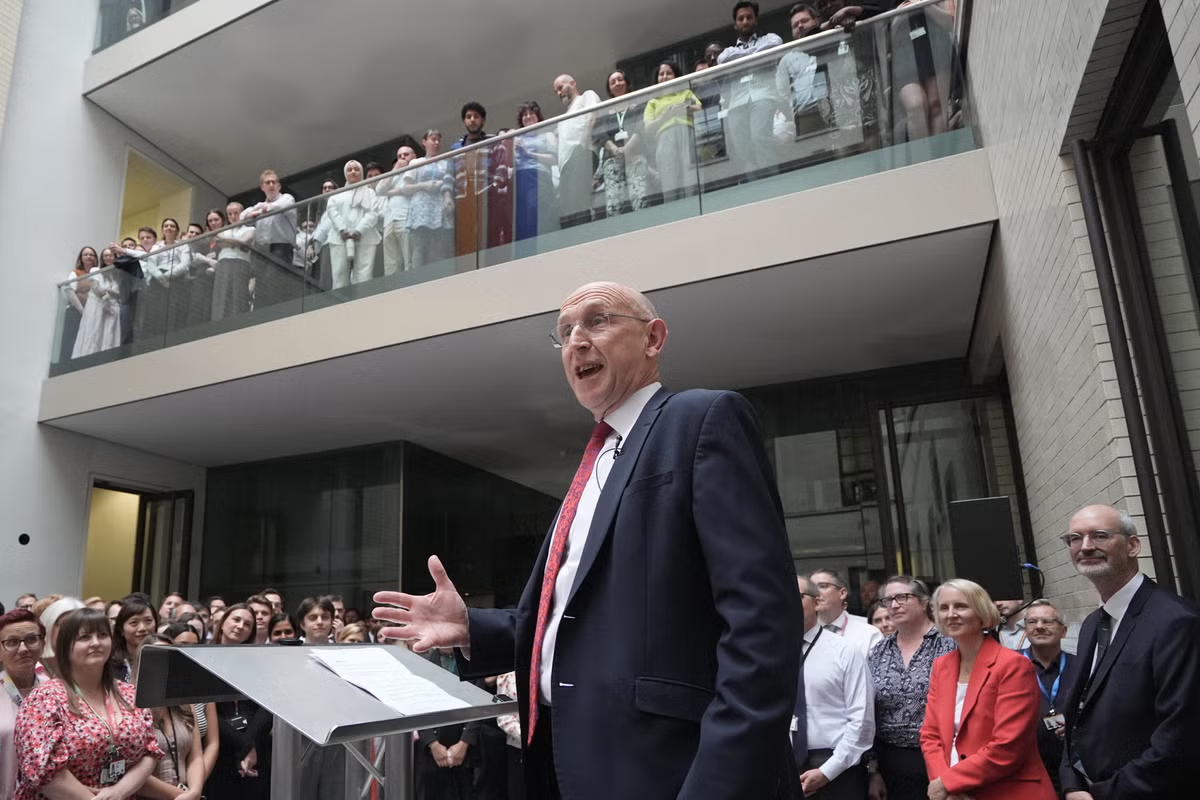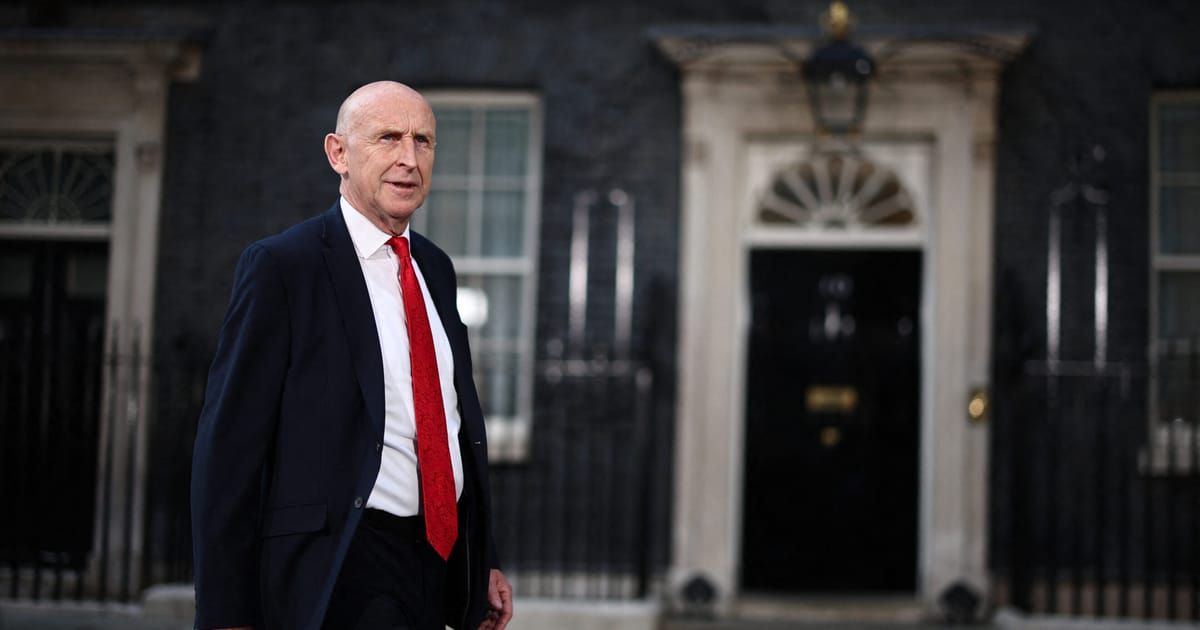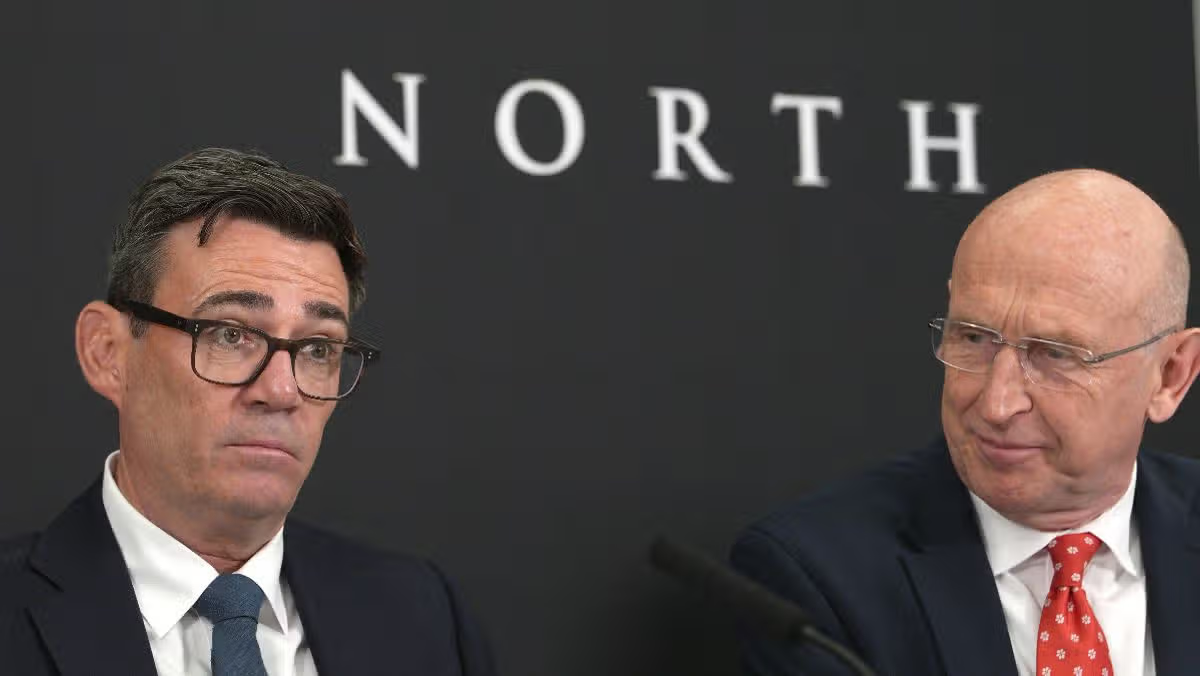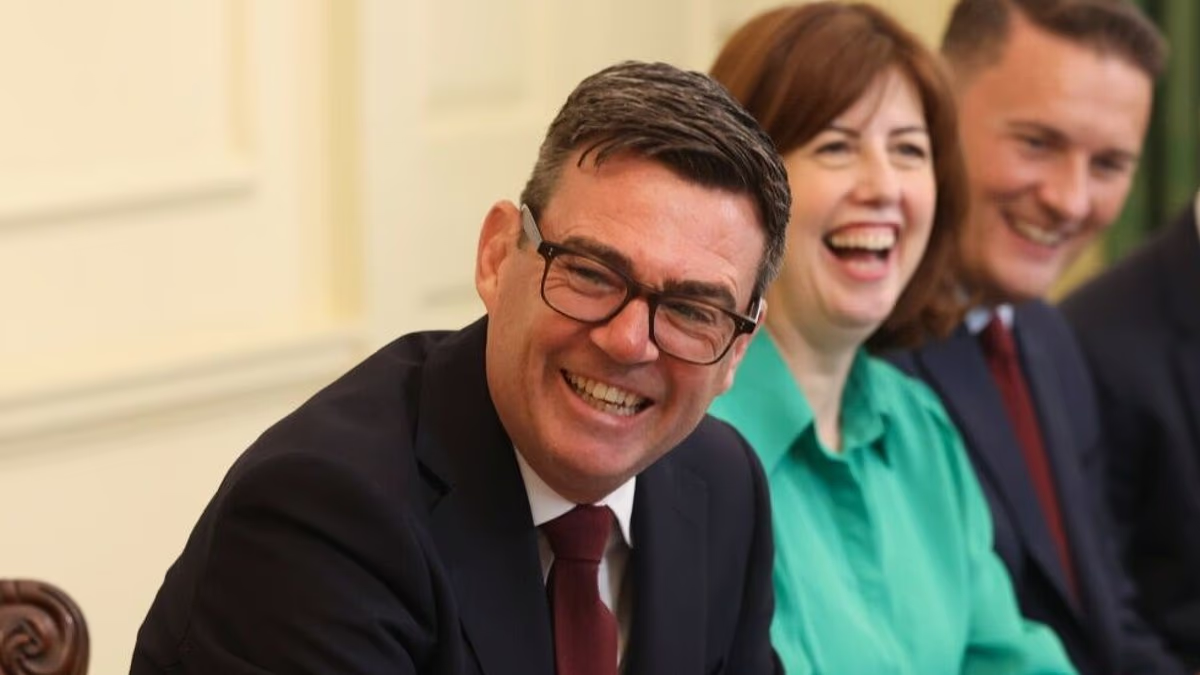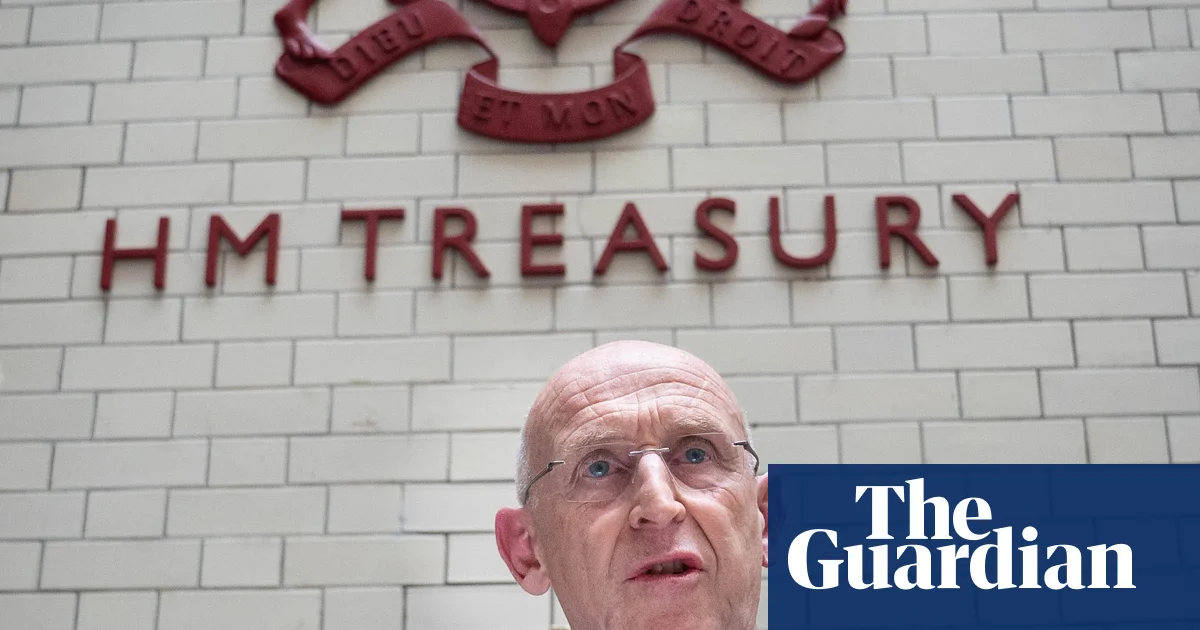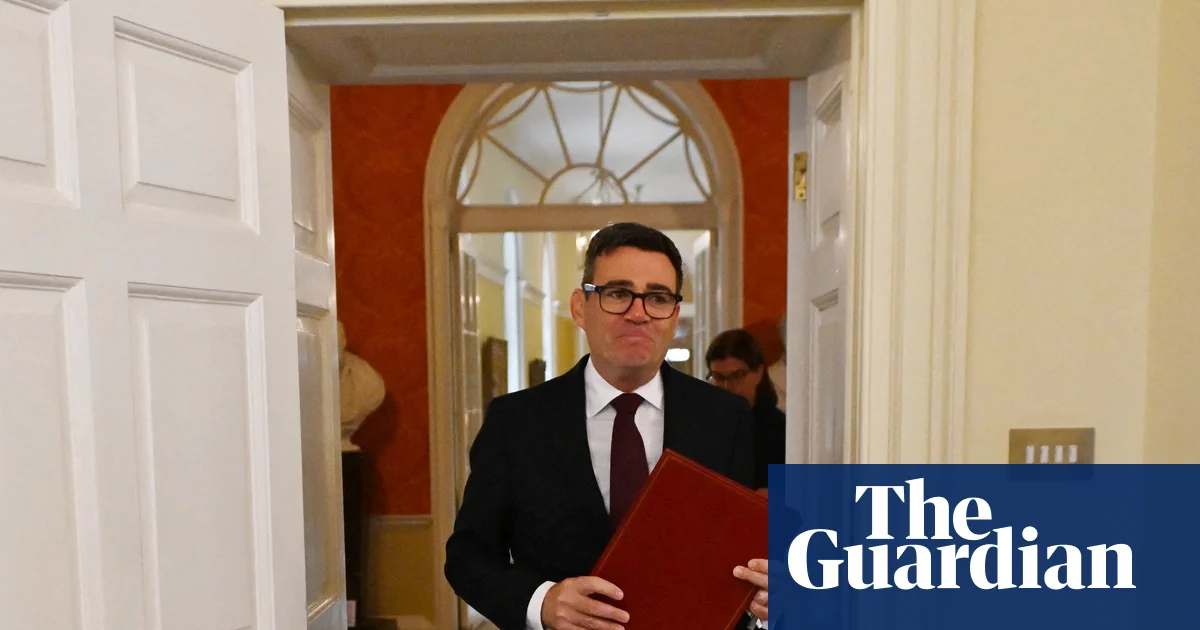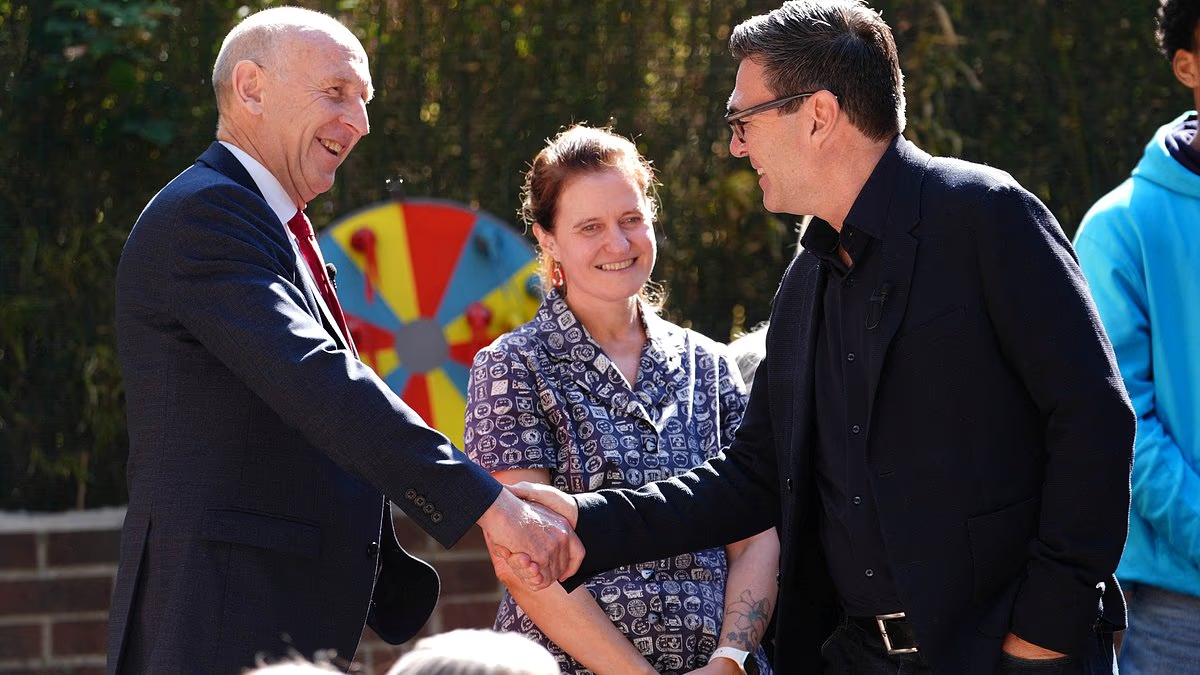
Chancellor John Healey and PM Andy Burnham have sent an unusual joint letter to warn fellow ministers they must stay within their budgets.Despite a blizzard of new spending pledges which have marked Mr Burnham’s first fortnight in power, they have told Cabinet ministers there is no money to fund them, Mr Healey has revealed today.And they tell them that instead of spending on new priorities, they must find savings within their own departments to pay for Mr Burnham’s promises.The former defence minister, who quit Starmer’s government in its dying days, said in his first interview since his appointment that the joint letter was necessary to ensure fiscal discipline and had set out their intention to fund Mr Burnham’s new pledges from savings across government.It came after Mr Burnham announced a raft of as-yet unfunded measures including plans to cut VAT from consumer energy bills at a cost of £850million, a £2 cap on bus fares at a cost of £500million and £100million of help for pubs and live music venues.Earlier this week, the Conservatives warned that Mr Burnham’s early spending pledges were already likely to add up to at least £96billion – meaning an increased tax bill of more than £4,300 for every working household in Britain.Mr Healey told today’s Times: ‘We’ve written to the Cabinet to say that if we’re serious about new priorities as a second-stage Labour government we have to be serious about — and they have to be serious about — reprioritisation of their plans, their budgets.‘They need to pay for the new things they want to do this year and next year within the budgets they’ve already got.’ Chancellor John Healey and PM Andy Burnham have sent an unusual joint letter to warn fellow ministers they must stay within their budgetsMr Healey, whose unfulfilled demands for increased defence spending led to his resignation, precipitating Starmer’s demise, said every Cabinet minister had been told there was no new money to pay for plans to expand technical education, devolve power to regional government and help people with the cost of living.In the joint letter, Mr Healey said that ‘all new announcements must be funded from within existing budgets’.'If we are serious about our new government’s priorities, we must also be serious about reprioritisation,' he wrote. 'That means being disciplined on spending, looking at the tough choices and being ready to shift funding away from unproductive or legacy programmes that no longer reflect this administration’s priorities. Each department has a responsibility to manage within its budget, to control borrowing and help get inflation down.'And putting ‘economic stability’ as the cornerstone of his chancellorship, he said the new government intended to stick to Starmer and Reeves’ fiscal rules of ending borrowing to pay for day-to-day spending by the end of the decade.‘It’s a tough time for Britain,’ he said. ‘We’ve seen the pressure on prices, we’ve seen the pressure on borrowing rates, we’ve seen the pressure on inflation.‘We [need] strong financial discipline. Andy Burnham and I start from a point where our fiscal credibility is the basis of our economic stability. That is fundamental to me and my first priority as Chancellor.’While he refused to rule out tax cuts in his first budget on October 28, which he announced yesterday, Mr Healey, who was a surprise choice for Chancellor beating favourites Ed Miliband and Shabana Mahmood to the role, did admit Britain’s ‘inexorably rising welfare bill must be controlled’.He said: ‘I’ve got a job to deliver a budget in this autumn that keeps the momentum of the British economy going and keeps the fiscal discipline.’ Mr Burnham announced a raft of as-yet unfunded measures including plans to cut VAT from consumer energy bills at a cost of £850million, a £2 cap on bus fares at a cost of £500million and £100million of help for pubs and live music venues The former defence minister, who quit Starmer’s government in its dying days, said in his first interview since his appointment that the joint letter was necessary to ensure fiscal disciplineAnd while he quit over Starmer’s refusal to pledge to increase defence spending to 3 per cent of gross domestic product by 2030, he said he could not himself commit to meeting that target yet while he insisted that Mr Burnham was as determined as him to ‘keep the country safe’.Promising he would ‘set out a clear path to meeting our 3.5 per cent Nato commitment in 2035 and set a target date on that path for 3 per cent,’ he said:‘The determination that we share is to do what’s necessary to keep the country safe, and a recognition, quite simply, of that truism, that for any government the first duty is to keep citizens safe.’However, while he faces finding £4.7billion to fund the defence investment plan on top of department cuts, he warned the war in the Middle East was ‘a big moving piece for any financial planning for any future budget’.Mr Healey said yesterday that his budget, which will come earlier than expected, will move 'power and money out of Westminster and into every postcode'.In a bid to prevent market fears of unfunded spending pledges, he insisted the event 'will be built on fiscal discipline'.'It will meet our fiscal rules. It'll give businesses and families some of the stability they need to plan for the future.'But yesterday Conservative Shadow Chancellor Mel Stride warned that the date gives Mr Burnham’s government ‘89 more days of unfunded spending commitments and economy-damaging tax speculation'.
Andy Burnham admits there is NO extra money for spending pledges
Chancellor John Healey and PM Andy Burnham have sent an unusual joint letter to warn fellow ministers they must stay within their budgets.
912 words~4 min read