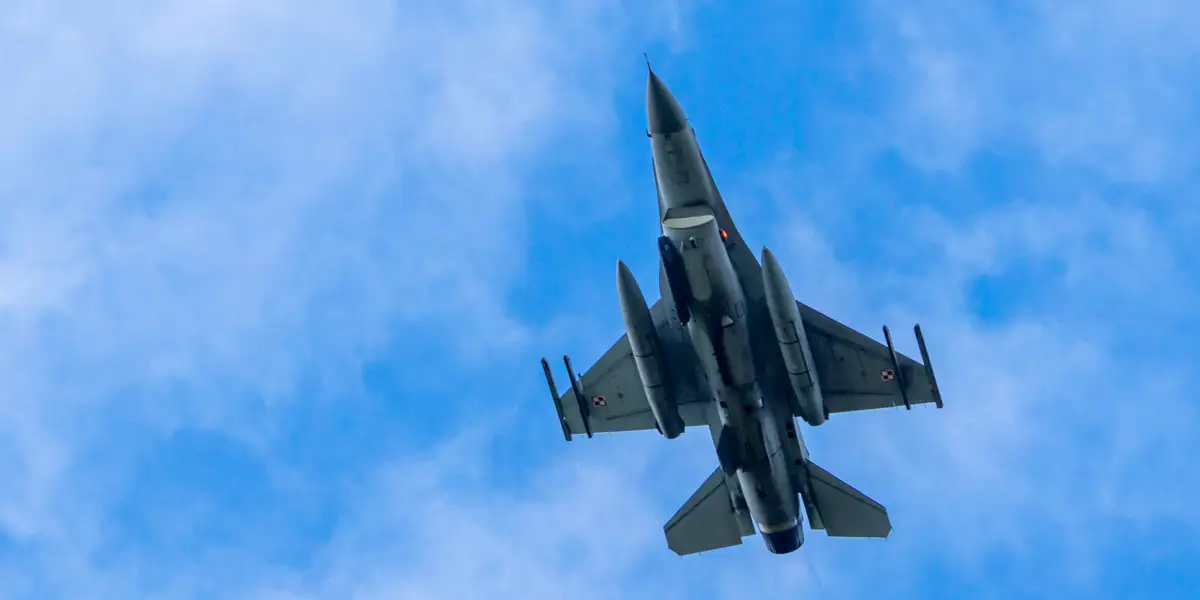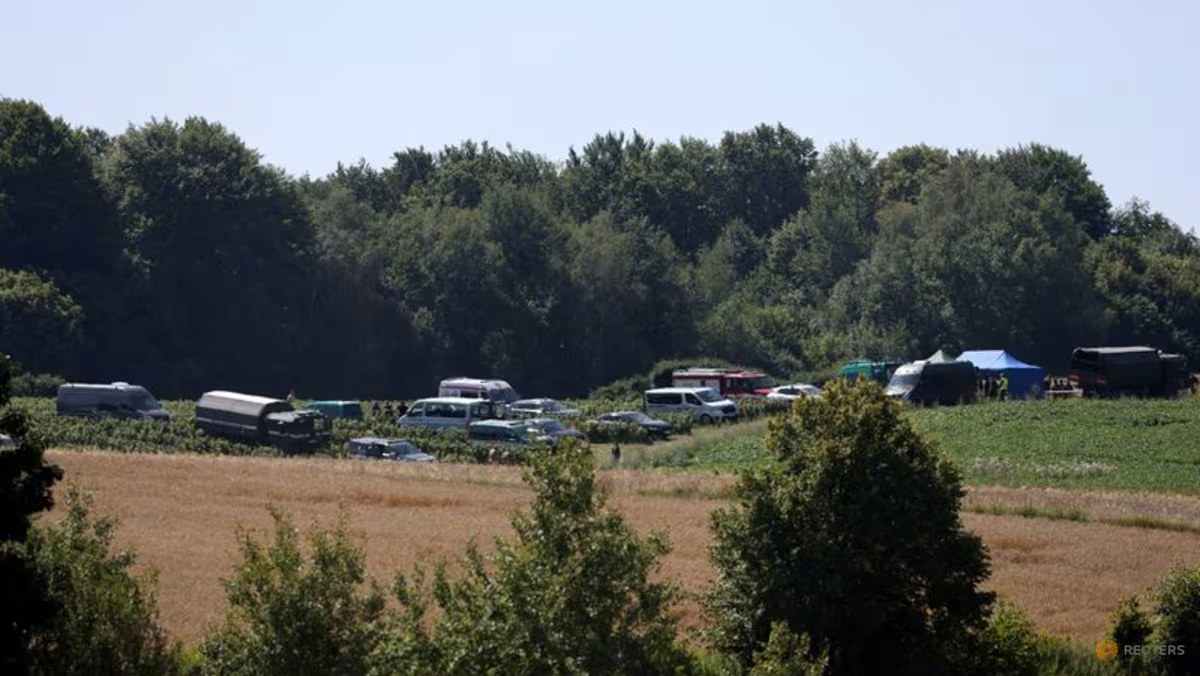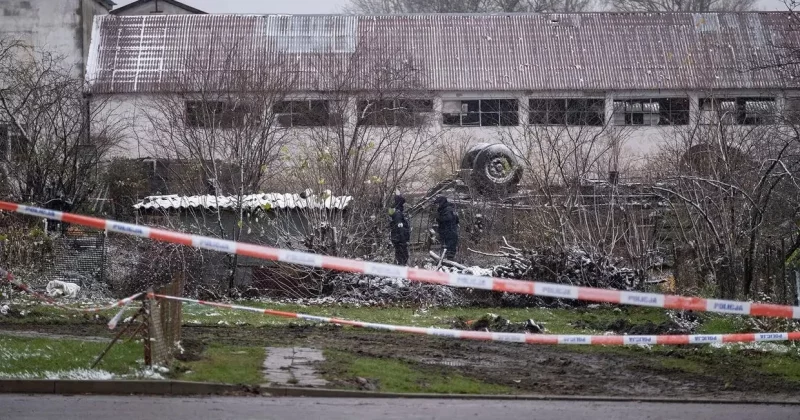
A Russian cruise missile came down in an open field near Tarnawa-Kolonia, in Poland’s Lublin province, shortly before four on Thursday (30 July) morning. Radar detected the object at about 03:40AM; an F-16 was sent toward it. At 03:46AM, before it could be unequivocally identified, it vanished from the screens.
A helicopter located the crater after daybreak, some 90 km from the Ukrainian border, in farmland two kilometres from the nearest houses. Nobody was hurt.
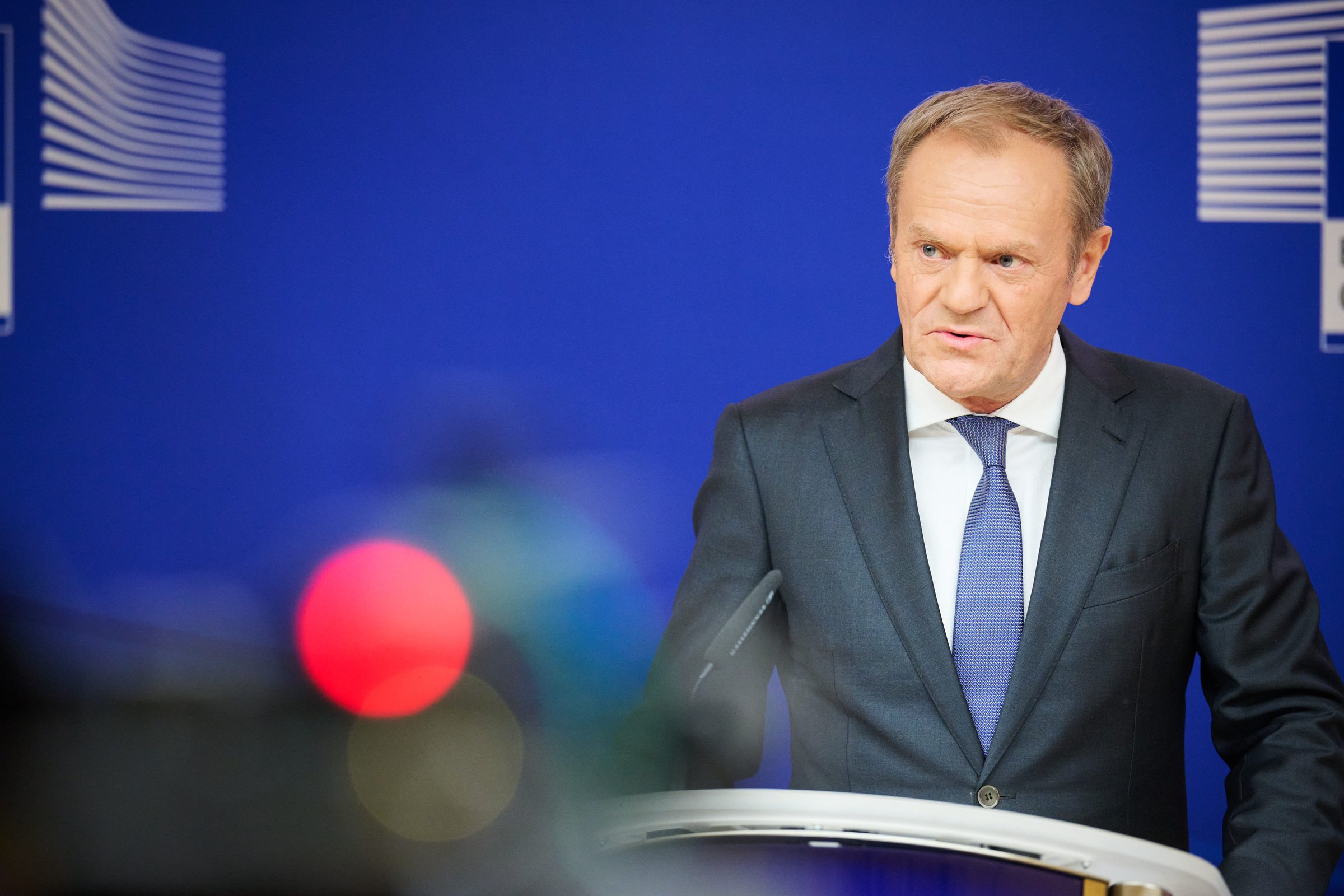
By late morning prime minister Donald Tusk had said what the recovered fragments suggested. All indications pointed to a Russian Kh-101, he said, and Poland had been prepared to shoot it down had it kept flying. He still wanted full certainty about what it was and who launched it. The full institutional response is still forming.
Previously, on 29 May, a Geran-2 drone struck the 10th floor of an apartment block in Galați, Romania, in the first known drone incident of this war to injure civilians on Nato territory. Romania’s defence ministry spoke that same night, but the technical report matching the debris to other Russian wreckage took roughly 48 hours.
A Romanian think tank, New Strategy Center, which reconstructed the online reactions, found alternative explanations circulating within about two hours of impact.