Getty Images; Alyssa Powell/BI
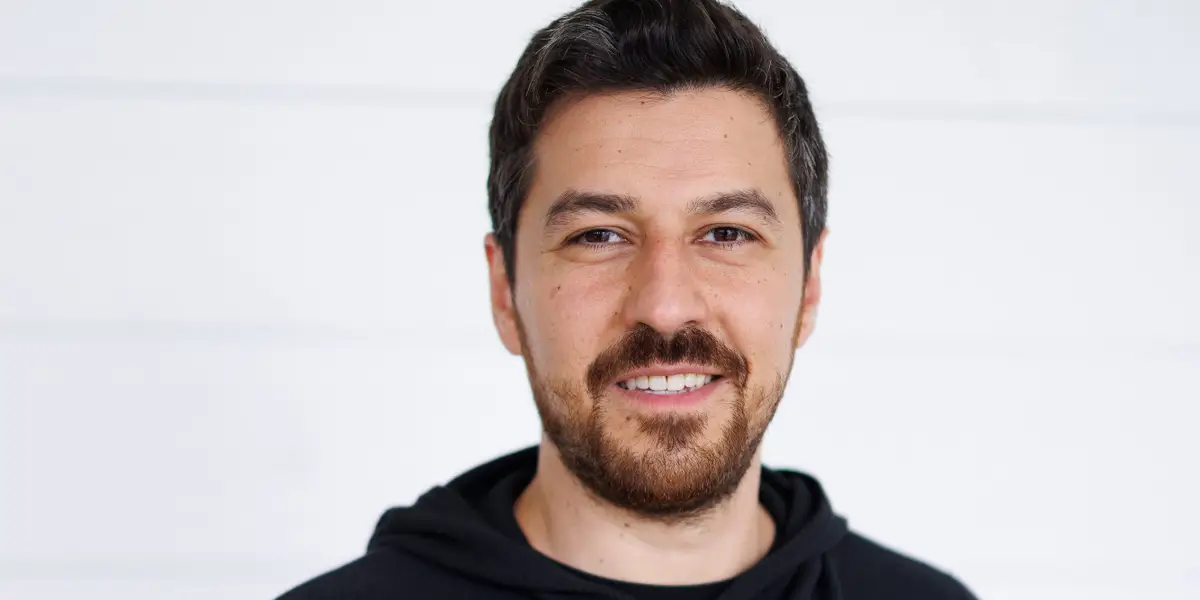
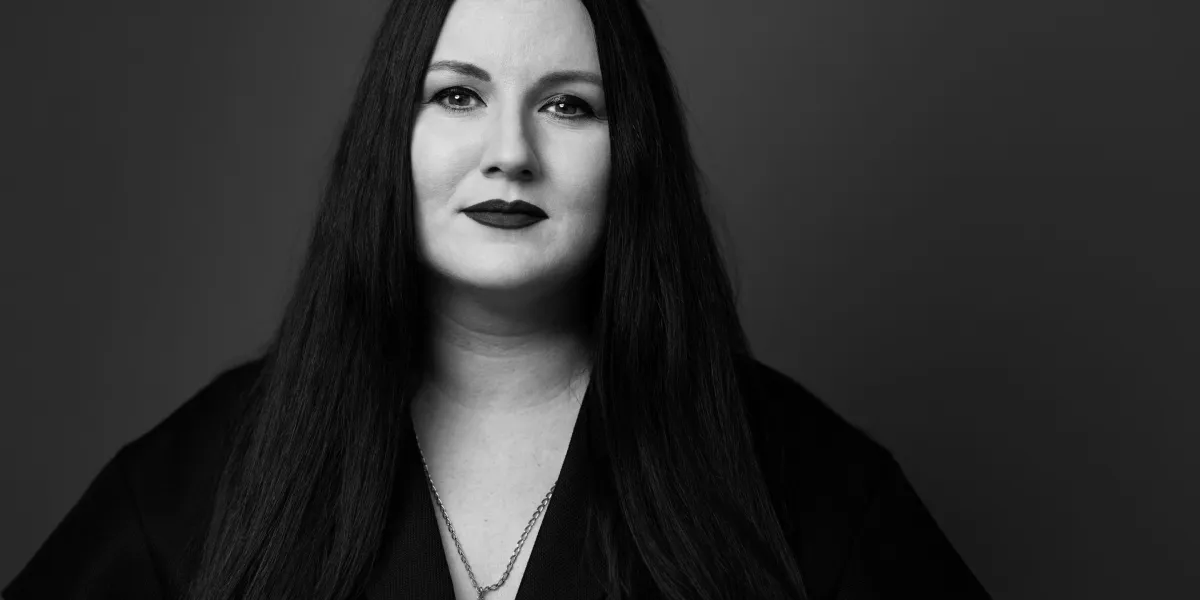
In tech's hardcore era, some execs are facing an obstacle they can't outsmart: the limits of their own bodies.On Monday, Lilian Weng, the cofounder of Thinking Machines Lab, became at least the fourth high-profile figure at tech's cutting edge to cite the state of her health in her resignation announcement. (More later on the career change that became public shortly thereafter.)Before Weng, Fidji Simo, the CEO of AGI at OpenAI, the xAI cofounder Greg Yang, and Tom Siebel, the CEO of C3 AI, all stepped down from their roles, saying they were too sick to work at the level of intensity they expected from themselves.Each situation is unique, and we can't know if work triggered the execs' health problems. But the pattern begs the question: Is the AI arms race moving too fast for its own creators?Chronic illness and relentless work: a match made in hellVarious tech and business execs have made lofty predictions that AI will make us so productive that three- or four-day work weeks could one day be the norm.Jan Gerber, the CEO of a recovery clinic in Zurich for burned-out execs, told Business Insider he's seeing the opposite happen."If you don't want to fall off the train, you need extreme focus, extreme hours, and constant networking just to keep up," he said of working in AI.