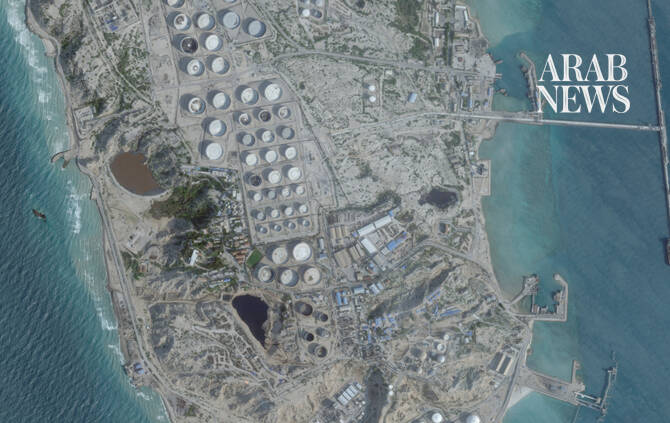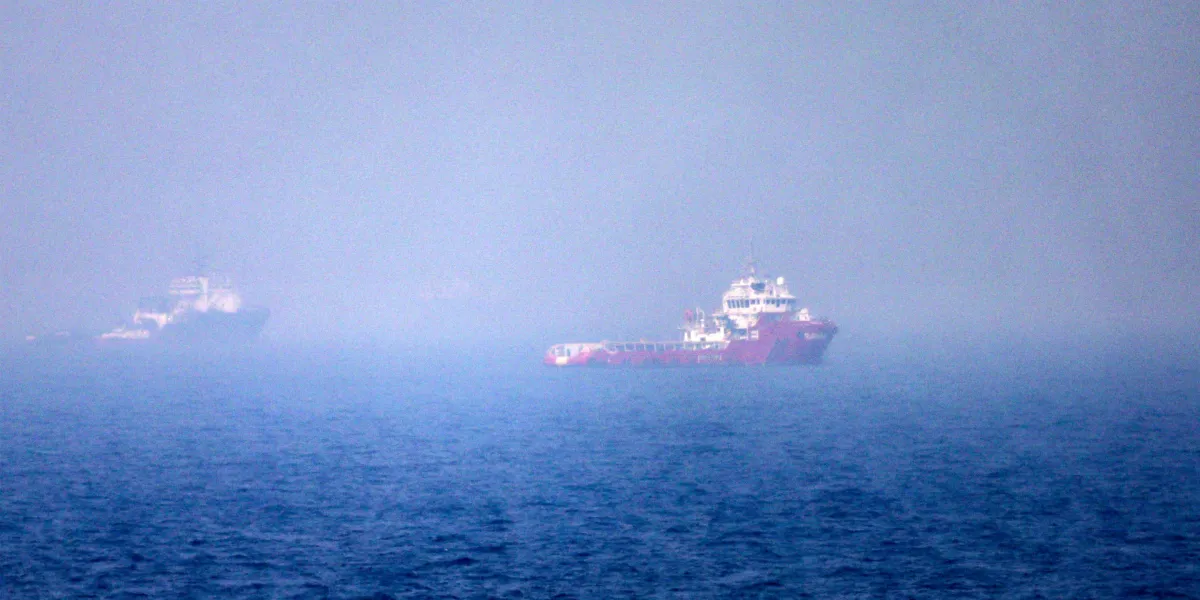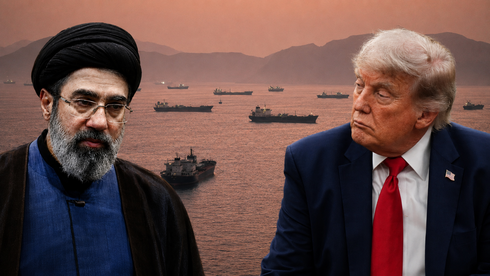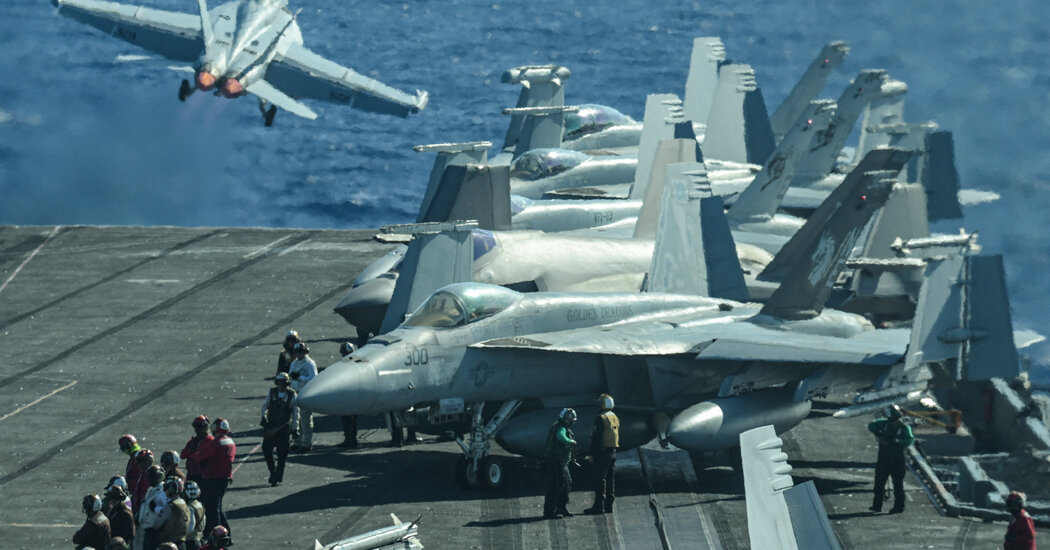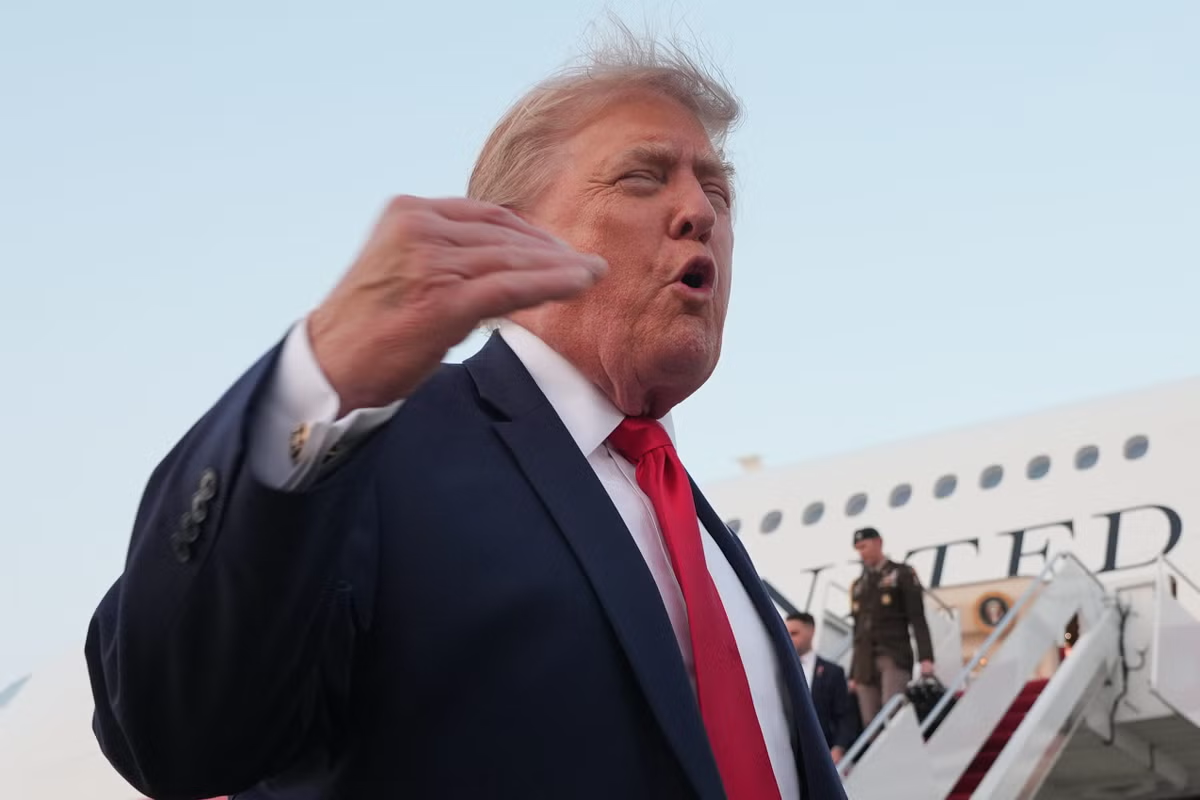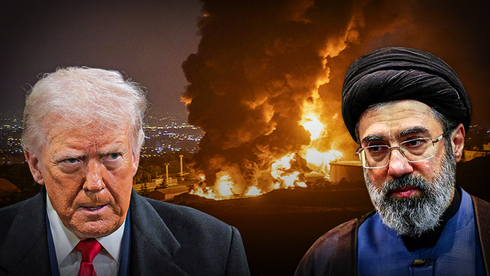
Amid reported US preparations for a renewed bombing campaign, with conflicting reports over Israeli participation, Iran threatens Israeli gas fields and regional energy infrastructure, tankers come under attack in Hormuz and CNN reports accelerated planning against nuclear sites including Pickaxe MountainIt also remains unclear whether Trump is prepared to enter a broad and prolonged campaign that would almost certainly trigger another surge in oil prices and might still fail to force Iran’s leadership into submission.GalleryUS President Donald Trump has reportedly given the “green light” for renewed strikes against Iran (Photo: Anna Moneymaker / AFP, Stringer / Getty Images)Tehran, meanwhile, is raising the level of its threats, perhaps in an effort to deter Trump.Two attacks involving ships in the Strait of Hormuz were reported Saturday morning. At around 9:30 a.m., Kuwait also reported an Iranian missile attack launched toward its territory.Kuwait has been a major target of Iranian attacks, although such strikes have generally come in retaliation for U.S. attacks on Tehran. No American strikes were reported overnight.The United Kingdom Maritime Trade Operations agency, or UKMTO, earlier reported that a tanker had been struck by an unidentified munition approximately 20 kilometers northeast of Lima, Oman, near the entrance to the Strait of Hormuz from the Gulf of Oman.According to the report, the tanker sustained damage in its engine room and was no longer under control. No crew members were injured.Several hours later, UKMTO reported another incident, this time involving an explosion in the sea very close to a second tanker approximately 40 kilometers northeast of Khasab, Oman, also in the Hormuz area.The vessel was not damaged, and the circumstances of the incident remain under investigation.Iran is strongly suspected of carrying out the attacks. Tehran has declared the Strait of Hormuz closed and has spent weeks attacking vessels traveling through its southern shipping lane, closer to Oman.Iranian media overnight published a radio recording in which an officer from the Islamic Revolutionary Guard Corps Navy was heard warning a ship that it would be attacked if it attempted to cross the strait.“Minwan Glory, this is the Sepah Navy warning you,” the officer said. “Do not attempt to cross the Strait of Hormuz and the southern corridor without authorization.“Change your course and return to your point of origin. If you continue to advance, you will be destroyed.“Captain, you can see the smoke in the Strait of Hormuz. The ship from last night was destroyed. Do not risk your life. Change course and turn back.”In a statement issued overnight, the Revolutionary Guards again declared that the strait was “closed” to maritime traffic.“The Strait of Hormuz will not be open for passage as long as threats by American actors and their interference in maritime traffic in the region continue,” the statement said.Iran’s radio warning to ships in Hormuz“The threats and interference by the United States will make the situation more difficult and complicated.”Mohammad Baqer Zolghadr, secretary of Iran’s Supreme National Security Council, also warned that continued U.S. pressure could expand the disruption beyond Hormuz.“The continuation of the naval blockade and belligerence by the U.S. administration not only tightens the chokehold around the Strait of Hormuz but also closes other straits and passage points,” he said.“The global economy, the energy market and the Americans will pay the price.”The threats come amid reports of a planned U.S. attack against Iran.According to The Wall Street Journal, Trump has already approved such an operation, although the newspaper stressed that he could cancel it at the last moment if there were an “immediate development” on the diplomatic front or if he simply changed his position.The report did not specify what the strike plan presented to Trump on Friday at the presidential retreat at Camp David included.U.S. media recently reported that U.S. Central Command had proposed a two-week bombing campaign against Iranian missile sites.CBS also reported that the United States and Israel had discussed a broad bombing operation targeting Iran’s energy infrastructure.Trump’s remarks on Iran last nightAccording to that report, the strikes could take place as early as this weekend, which in the United States continues through Sunday, with the aim of possibly completing the operation before markets open Monday amid fears of its effects on both the global and U.S. economies.However, it is clear that a large-scale attack against Iran’s energy infrastructure would ignite a broader campaign that would be difficult to end quickly.Tehran is now threatening to respond by striking energy facilities across the Middle East, including in Israel.Iranian officials acknowledged this week that Wednesday’s drone attack against gas tankers in Egypt was intended as a “message” demonstrating Tehran’s ability to strike the global energy system, including new targets.Following the overnight reports, Iran quickly issued further threats.The Fars news agency published a list of what it called “the world’s most important energy facilities within range of Iranian missiles.”The agency claimed that “the United States knows very well” that the facilities were in Iran’s sights.The list included Israel’s Leviathan and Tamar gas fields, as well as oil and gas installations in Saudi Arabia, the United Arab Emirates, Qatar, Kuwait and Bahrain.Iran’s Tasnim news agency also quoted a “senior security official” as saying Tehran was prepared to launch a “comprehensive response” targeting “Israel’s vital infrastructure and American energy infrastructure in the region.”The official said that reports of possible U.S. and Israeli strikes against Iranian infrastructure, if implemented, would amount to “an act of madness.”“Iran’s forces proved both during the 40-day confrontation and in the weeks that followed that they possess the capability and determination to carry this out,” he said.CNN joined the reports of planned U.S. strikes Saturday morning.U.S. officials told the network that there was indeed an intention to attack Iran, possibly as early as this weekend, but stressed that the scale and targets of the renewed campaign remained unclear.Pickaxe Mountain in a satellite image from June. 'Centrifuges were transferred there' (Photo: Vantor/Handout via REUTERS )Trump said the Gaza understanding had become possible because of what he described as progress with Iran, arguing that such a deal would have been unthinkable four or five months earlier.Asked about the status of talks with Tehran, Trump said Steve Witkoff, Jared Kushner, Vice President JD Vance and Secretary of State Marco Rubio were involved. He accused Iran of repeatedly breaking its word and denying that nuclear issues had been discussed after hours of negotiations.“We’ll be in there talking about nuclear for seven hours,” Trump said. “Then they’ll go out and say, ‘We never discussed nuclear.’ All they do is make me angry.”The officials said that alongside CENTCOM’s proposal for two weeks of strikes against Iranian missile facilities, there had also been “planning around options” for attacks on Iranian energy infrastructure.CNN stressed, however, that the Trump administration was concerned about the consequences of such an operation.Iran has threatened to respond by attacking energy infrastructure across the region, which could cause a dramatic surge in oil prices and deepen economic pressure on Americans ahead of the congressional midterm elections in November.Contrary to the CBS report, CNN said there was currently “no indication” that Israel would participate in the renewed wave of planned strikes against Iran.The officials who spoke with CNN added that preparations had accelerated in recent days for attacks against Iranian nuclear facilities.Those sites include the fortified underground facility at Pickaxe Mountain, where Iran has reportedly transferred centrifuges used to enrich uranium.
Missiles and attacks in Gulf as preparations accelerate to bomb Iran’s nuclear sites
Amid reported US preparations for a renewed bombing campaign, with conflicting reports over Israeli participation, Iran threatens Israeli gas fields and regional energy infrastructure, tankers come under attack in Hormuz and CNN reports accelerated planning against nuclear sites including Pickaxe Mountain
1,217 words~6 min read