Story audio is generated using AI
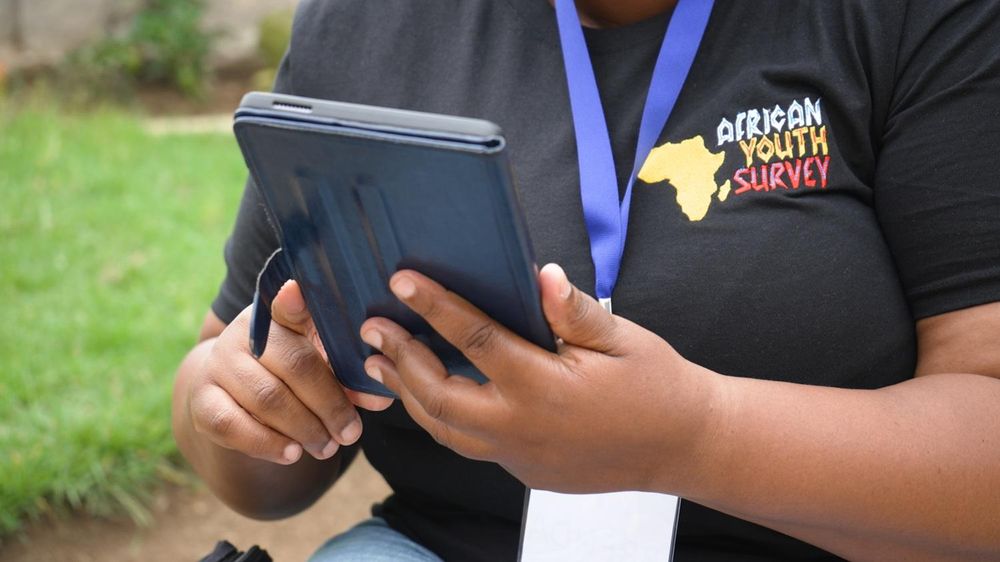
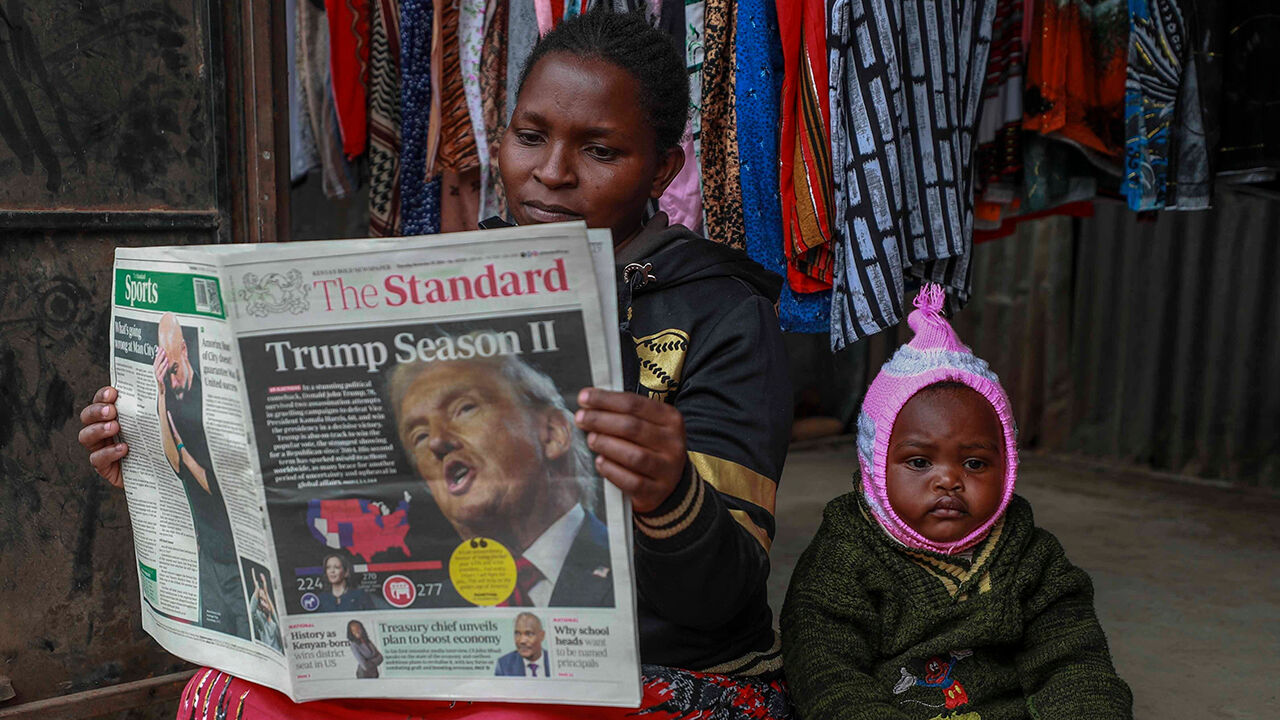
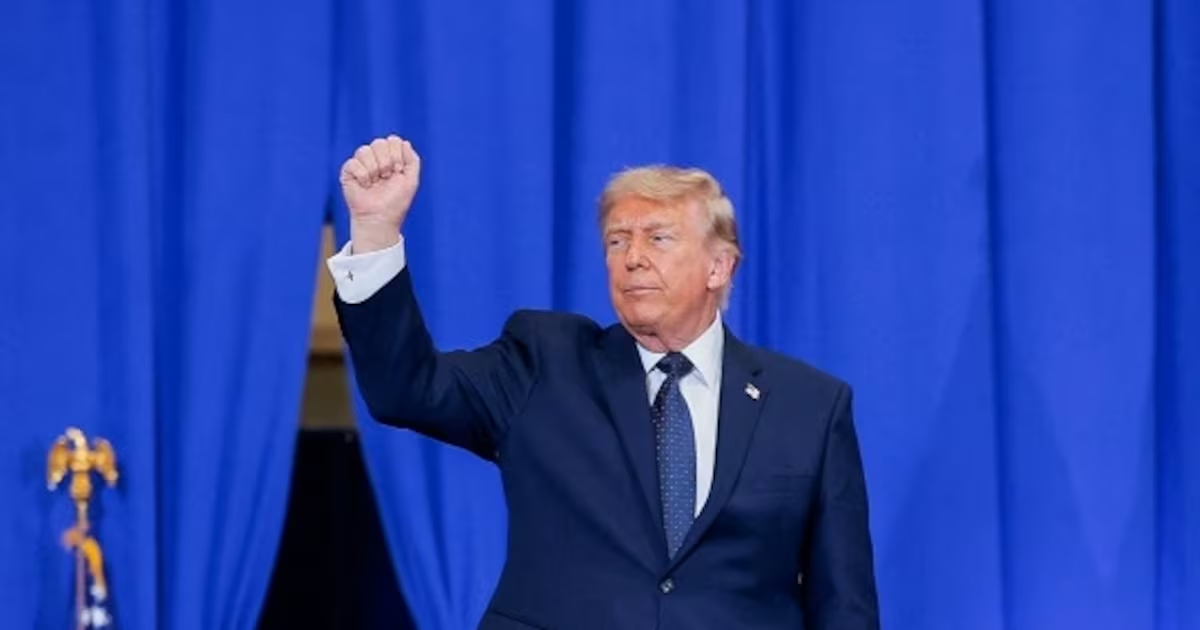
While the world scrambles to make sense of the wrecking ball that US President Donald Trump has been for global trade and the geopolitical order, young people in Africa are optimistic about the continent’s ties to the US.This is according to findings in the African Youth Survey 2026 by the Ichikowitz Family Foundation. The Johannesburg-based organisation was established to promote environmental conservation and the empowerment of Africa’s youth.Ivor Ichikowitz, creator of the African Youth Survey and the chairman of the Ichikowitz Family Foundation, told Business Times that the survey shows a generation of young Africans that backs itself, wants their voices heard, and no longer wants to import outside models of democracy, development or diplomacy that have failed to deliver.“A lot of people that we survey see the Trump era approach to Africa as being generally positive. A lot of youth on the continent see the reduction of aid in Africa as a positive thing. They perceived it as a transfer of aid going into spaces where they do not need it to be.”The survey said around 58%-60% of young Africans are optimistic about Trump-era outcomes on youth empowerment, military support, security co-operation and counterterrorism, as perceived US influence jumps to 81%, ahead of China at 79%. The 2024 survey found Biden was expected to be better for African countries than Trump by 43% to 24%.The survey results fly in the face of expectations at a time thatTrump has taken an antagonistic tone with African nations in his second term as president, imposing unilateral tariffs on countries and cutting aid provisions through the US department of government efficiency, led by Elon Musk.Ichikowitz said the findings were unexpected amid the legacy of Trump-era insults about African countries and the dismantling of USAID. About 46% say USAID ceasing foreign assistance will hurt their country, while 26% say dismantling USAID could have a positive impact, forcing leaders to confront domestic challenges directly.“It is clear the next generation of leaders in Africa have serious questions about the reliability of America as a partner. How [aid cuts to Africa were] done is a serious factor. But now that it has been done, the fact that these aid provisions were removed abruptly reflects badly on America, but the fallout has brought sharp focus on how African governments are failing their people.”When it comes to the US, young Africans display considerable savvy in their ability to differentiate between a sitting US president and what the US as a nation and partner represents more broadly in the global community, he said.“Tariffs have not been covered in the survey, but we plan to. The people we talk to understand that there is a difference between the US as a long-term presence and the Trump administration as a short-term problem.”The survey said 58% worry that the US will disregard international law and norms to gain access to natural resources in their country, rising to 70% in both South Africa and Liberia.Young Africans are “not necessarily madly impressed” with Trump’s style of leadership, but they believe that African leaders must find a way of dealing with him.“We’re dealing with a generation of young African who want development driven by their own economies but also by partnerships that are driven for mutual benefit.”The survey said 52% still say their leaders should find a way to work with Trump regardless of differences, as young Africans separate rhetoric from results and diplomatic niceties from tangible national gain.Stavros Nicolaou, a member of the Business Unity South Africa board, said South African vehicle and component exports to the US were estimated at more than $2bn per annum before this round of tariffs, and an additional layer of tariffs undermines the African Growth and Opportunity Act (Agoa).“The resultant lower export volumes will put pressure on job-creating manufacturing sectors through job losses, low foreign currency earnings, and overall adverse impact on economic and GDP growth.”Neva Makgetla, senior economist at Trade and Industrial Policy Strategies (Tips), said South Africa, like the rest of the world, has faced 10% tariffs on exports to the US for the past three months, and the new announcement represents a marginal 2% increase.“The new tariffs include more exemptions than the higher rates initially announced in 2025, mostly for some kinds of agricultural and mineral exports. That reduces the impact on commodity exports, but the implications for the auto industry remain significant.”The claim from the US that South Africa tolerates forced labour is “ludicrous” and reflects the US desire to find mechanisms in its own laws to justify tariffs, irrespective of global agreements under the World Trade Organisation or Agoa. Business Times