This is Dispatches with Patrick Cockburn, a subscriber-only newsletter from The i Paper. If you’d like to get this direct to your inbox, every single week, you can sign up here.
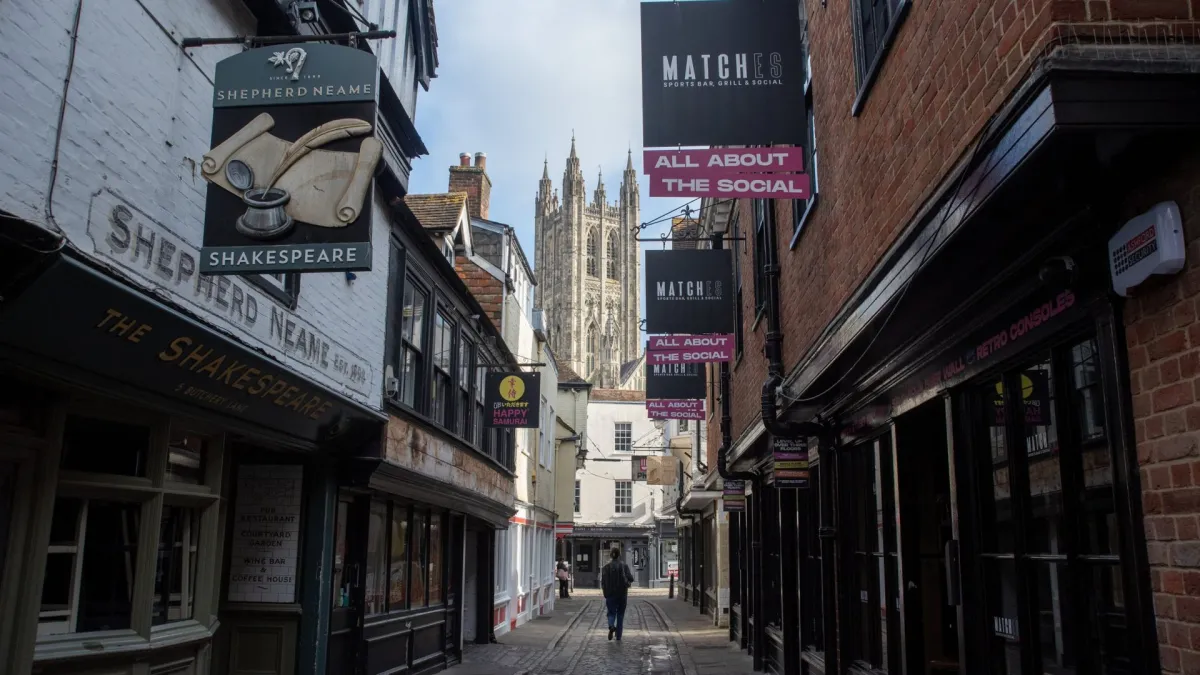
In the early hours of 1 June, 1942, between 30 and 40 German bombers dropped high explosive bombs and incendiaries on Canterbury in a raid that destroyed much of the east and part of the south of the small city. Local people stood on the roof of the great medieval cathedral with metal rods to push off incendiaries before they could set fire to the building.
Catherine Williamson, the former mayor of Canterbury who had overseen the building of bomb shelters and other preparations for an attack by the Luftwaffe, recorded in a memoir how she watched the raid develop: circling German aircraft dropped “chandelier” flares to mark the target which “hung in the sky over the whole area of the city and I knew we must be prepared for the worst”. She moved to an underground bomb shelter, but “became aware that a great part of the city was already on fire”. She heard a great clanging sound and feared that the central bell tower of the cathedral had collapsed.
As the raid ended, she made her way through the blazing streets of wooden houses dating from the Middle Ages to a central control room which was efficiently dispatching fire engines, heavy rescue vehicles and ambulances. The staff were distressed because they had just heard that George Marks, the town clerk and civil defence controller for Canterbury, was trapped in the wreckage of his house after it was hit by a bomb. As the sirens sounded the all clear, he said to his wife: “I wonder how soon they will come and dig us out?” But when they did so, he was already dead.