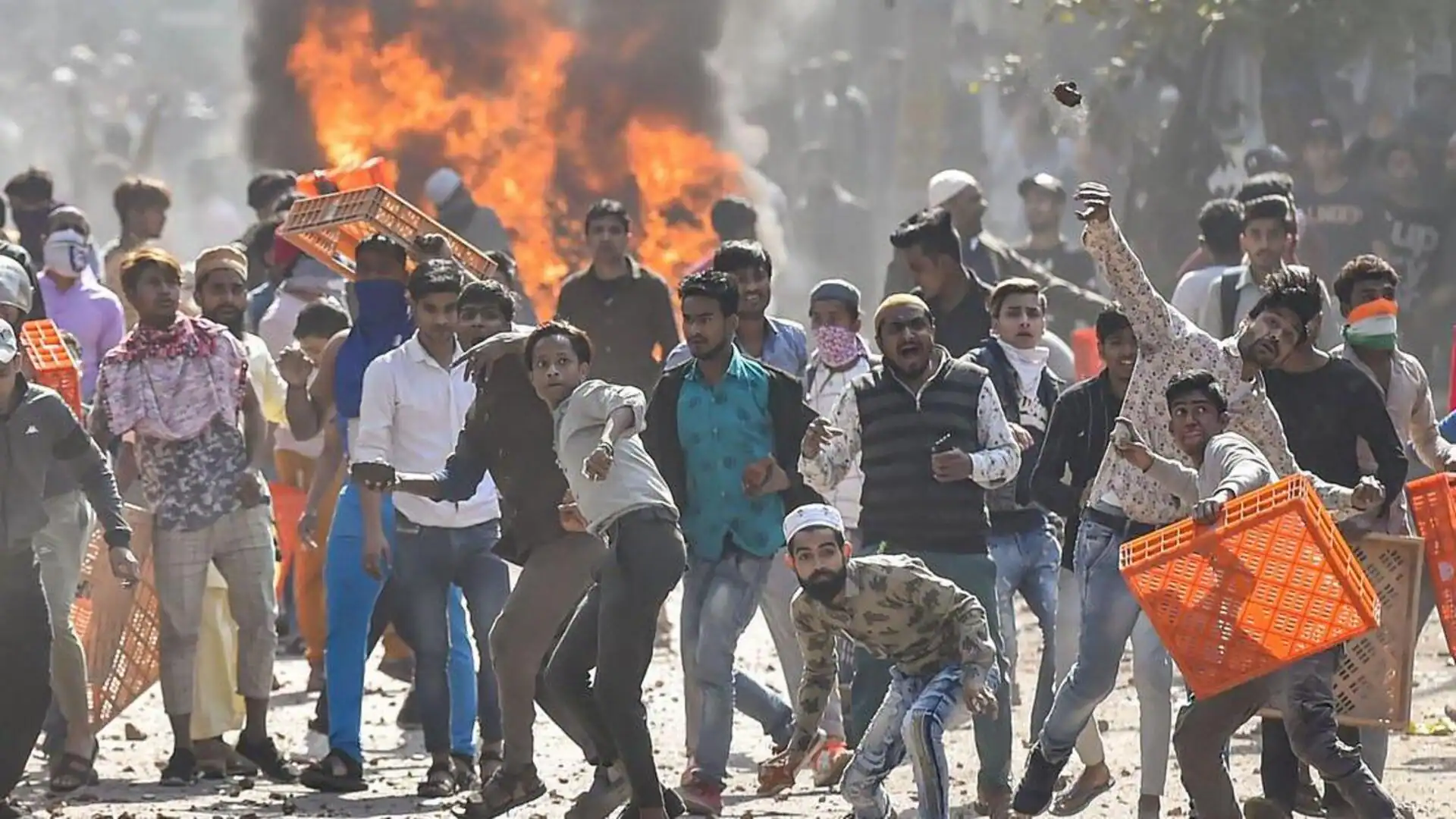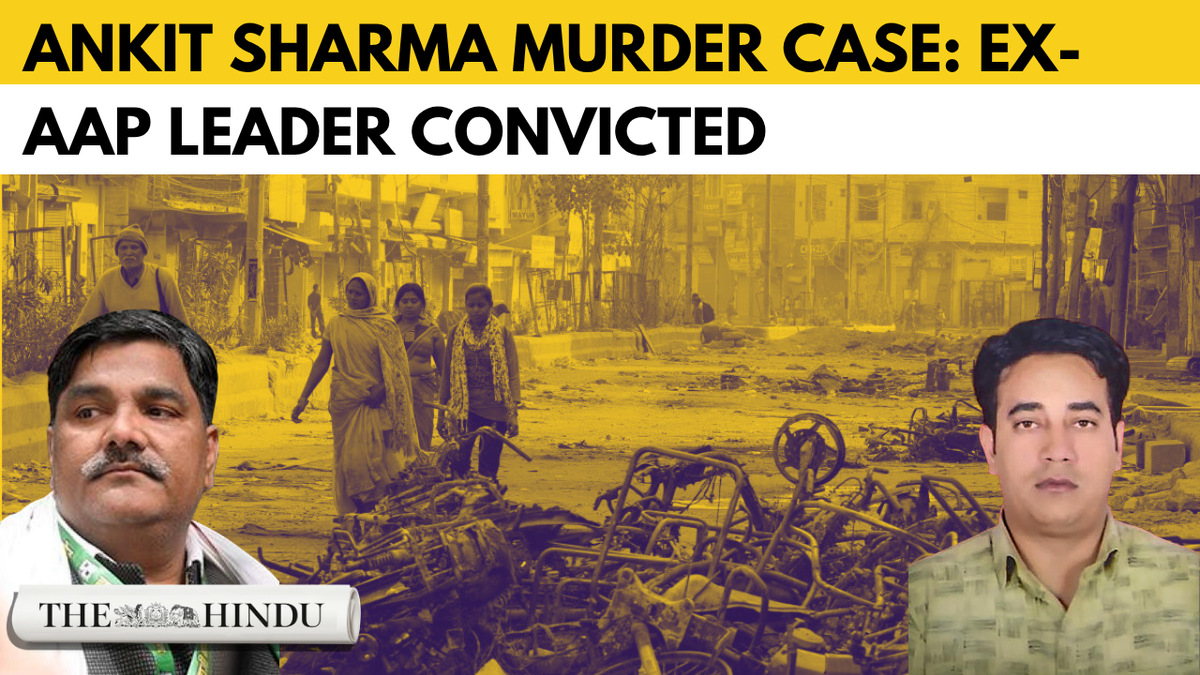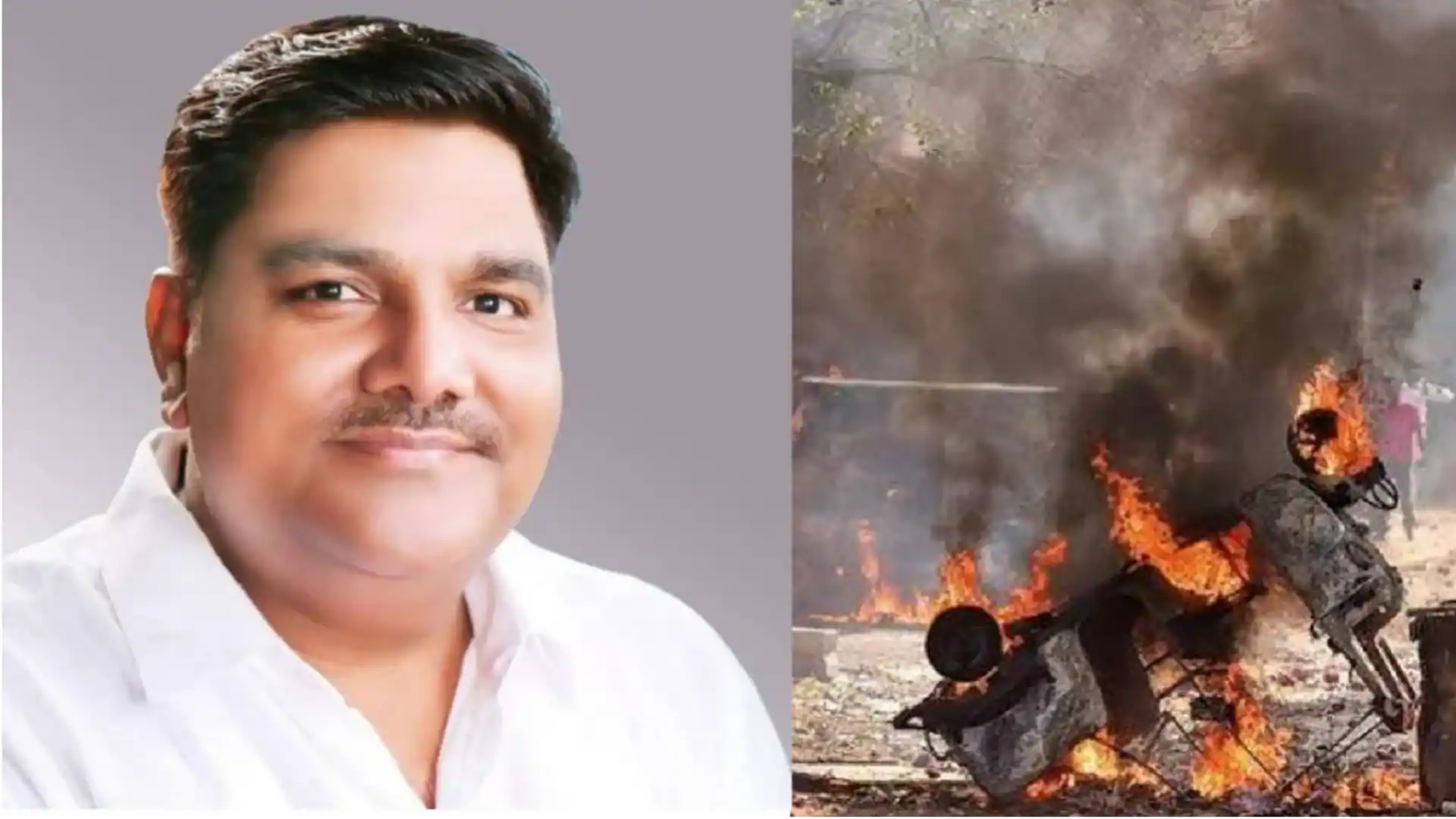
The murder of Intelligence Bureau (IB) officer Ankit Sharma during the 2020 Northeast Delhi riots became one of the most closely watched criminal cases arising from the communal violence that followed protests against the Citizenship (Amendment) Act (CAA). The riots claimed 53 lives, injured hundreds and displaced many families.
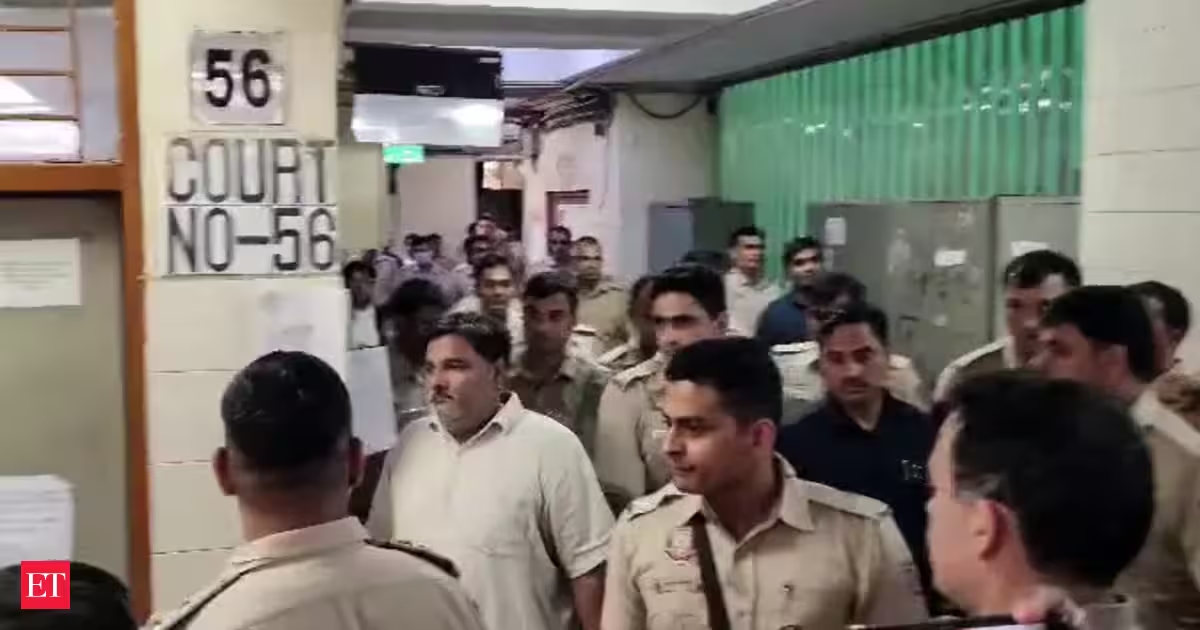
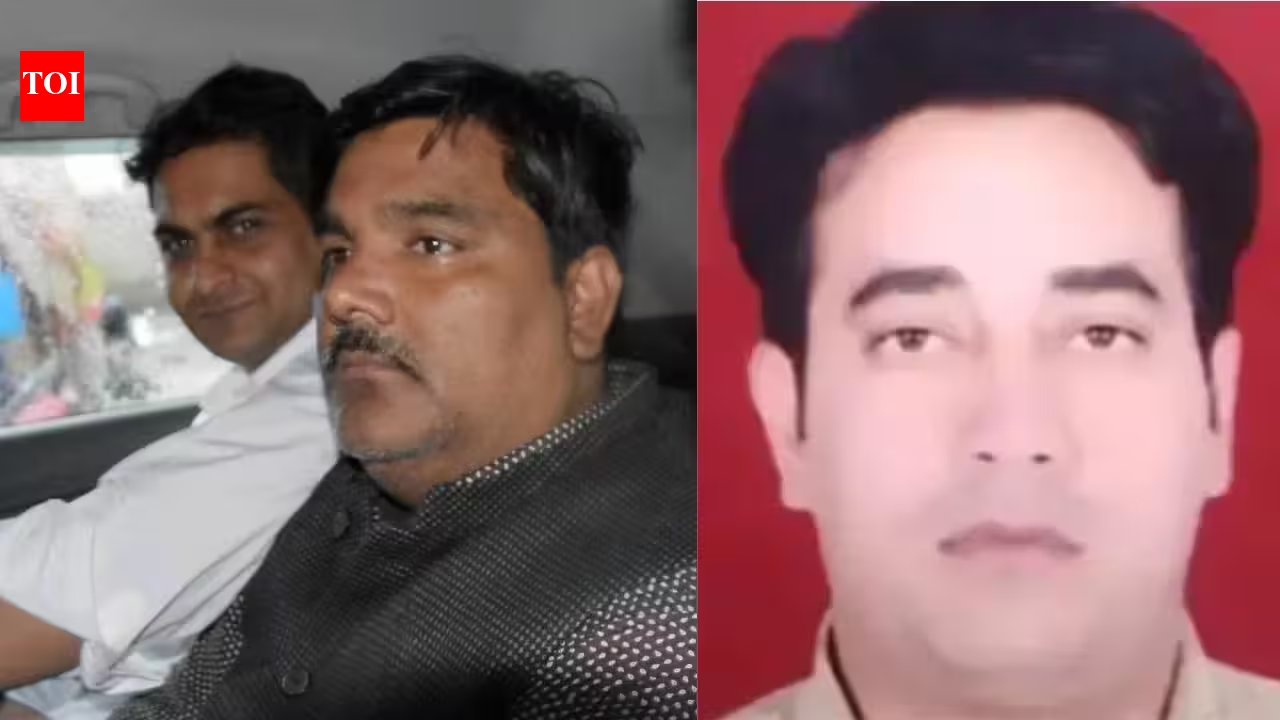
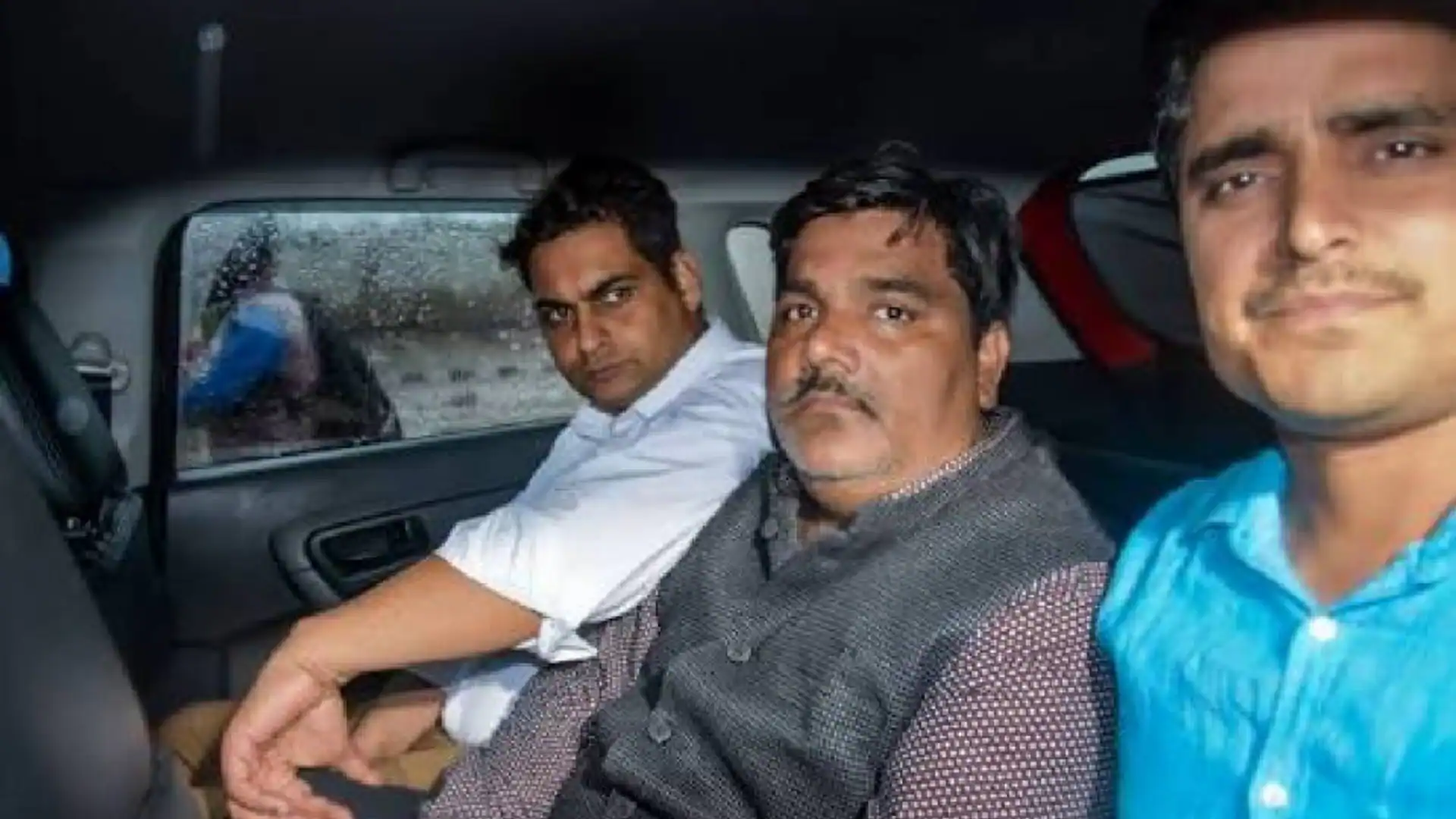
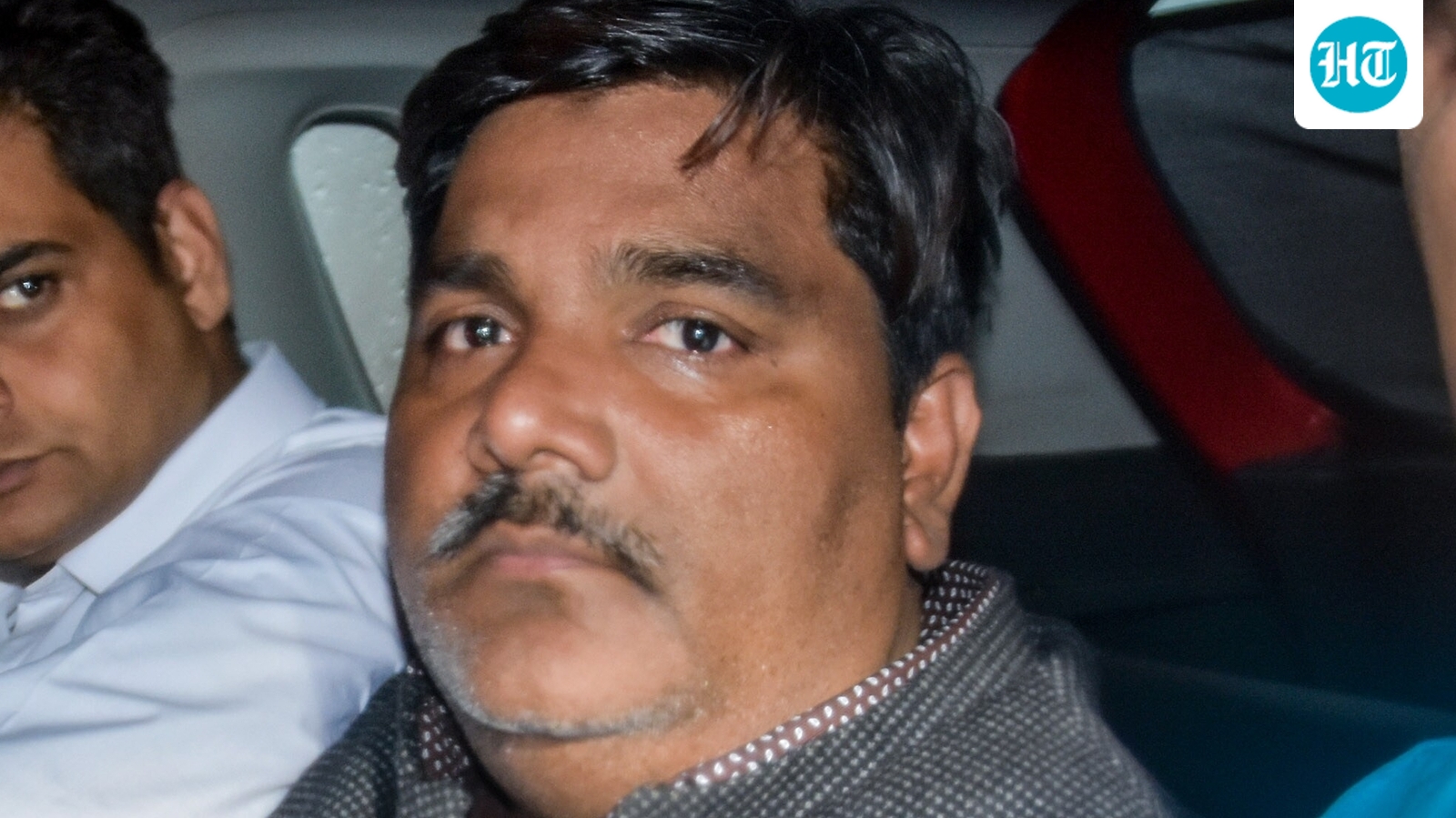
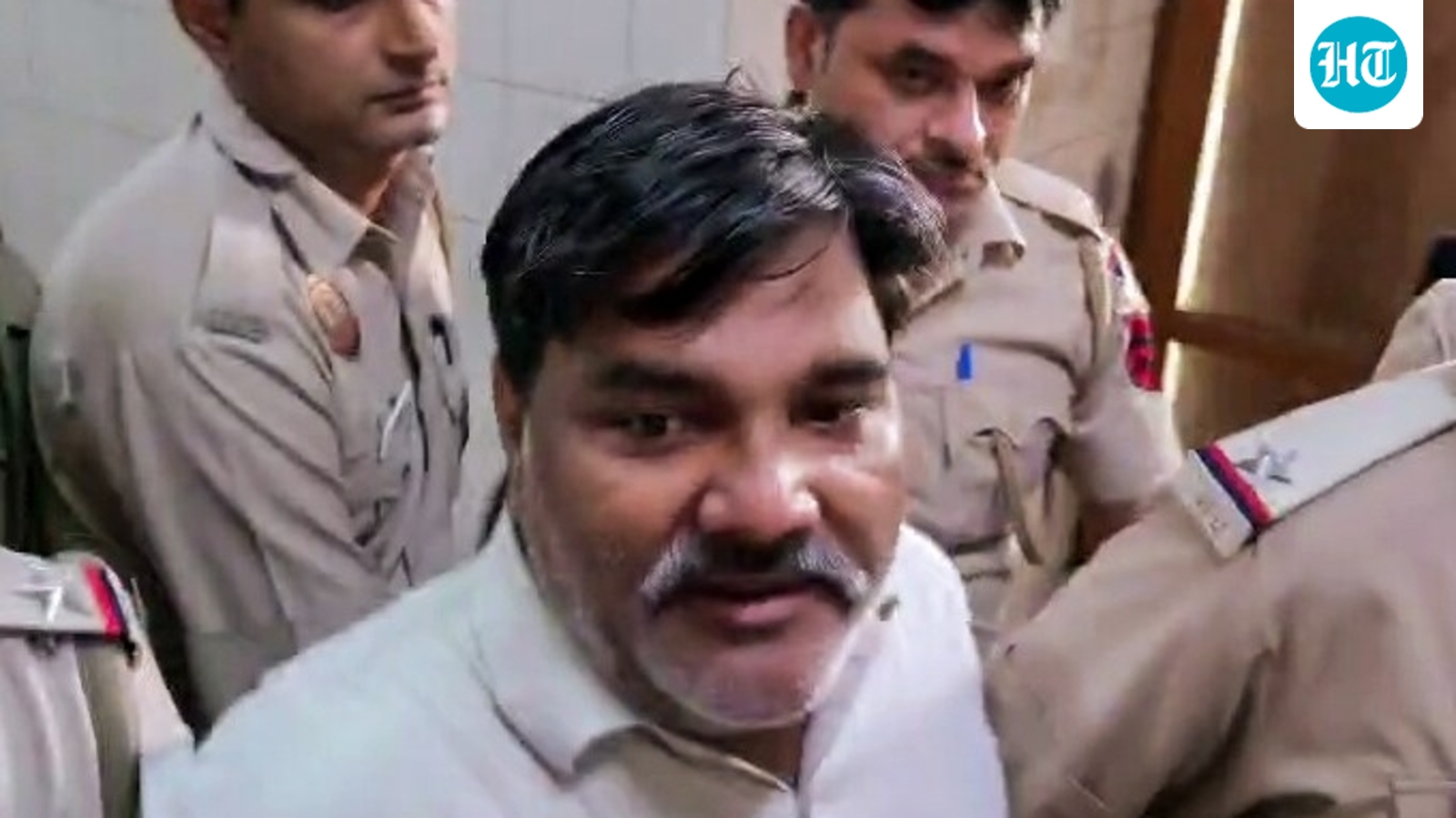
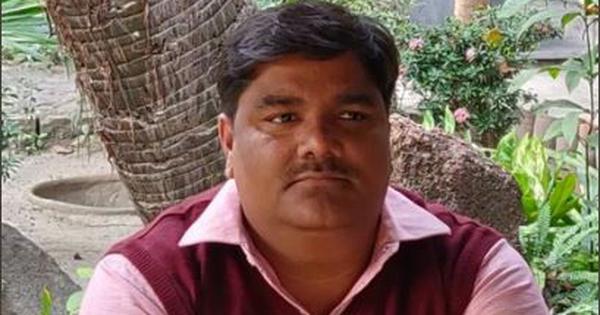
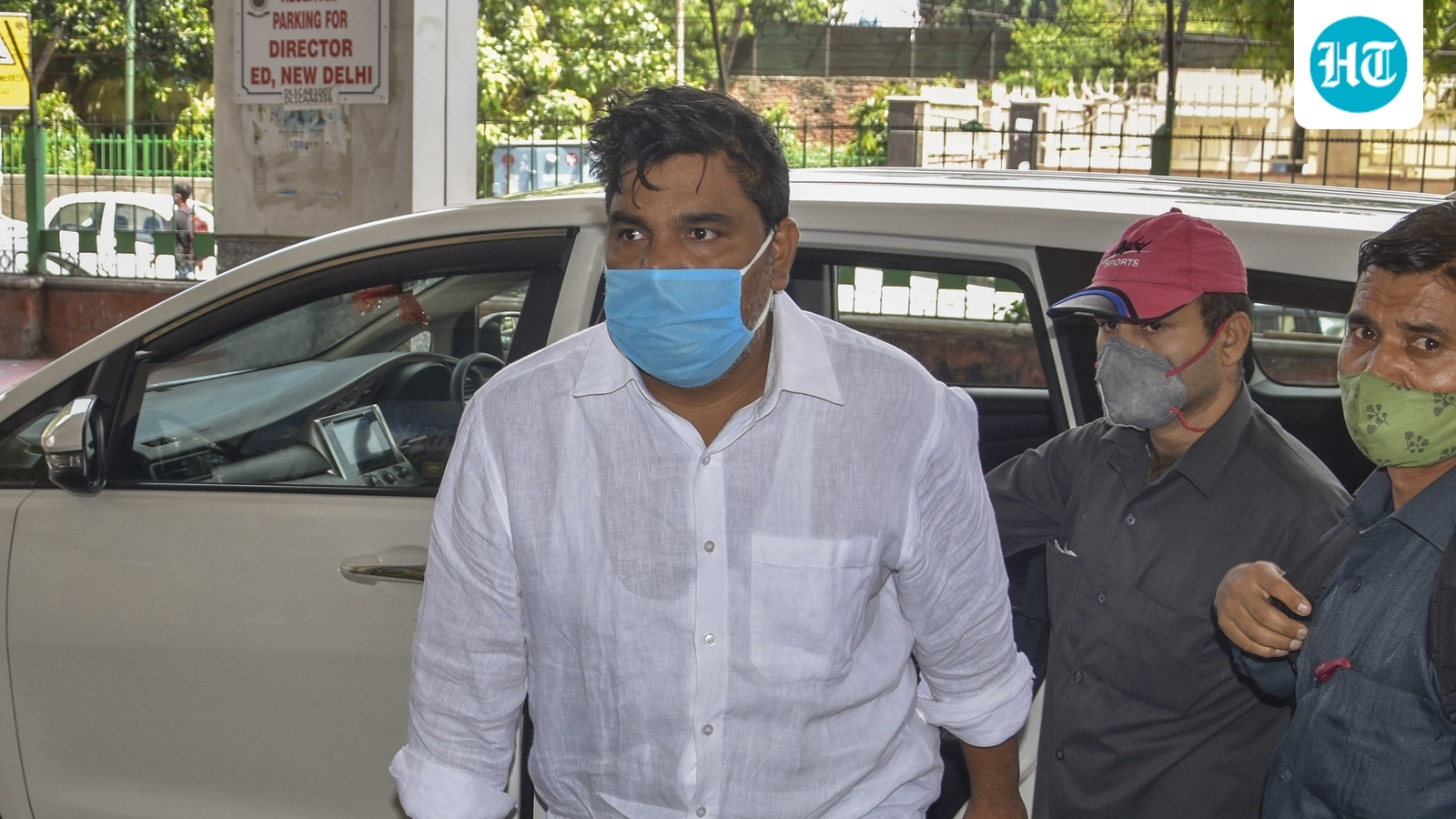
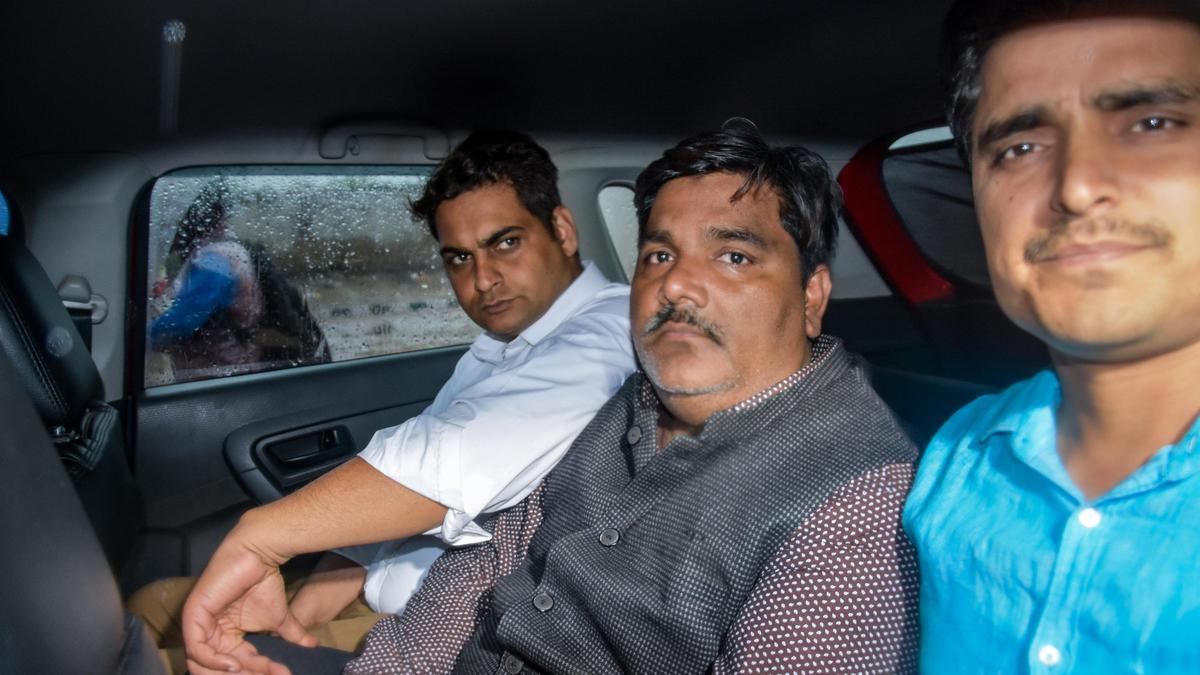
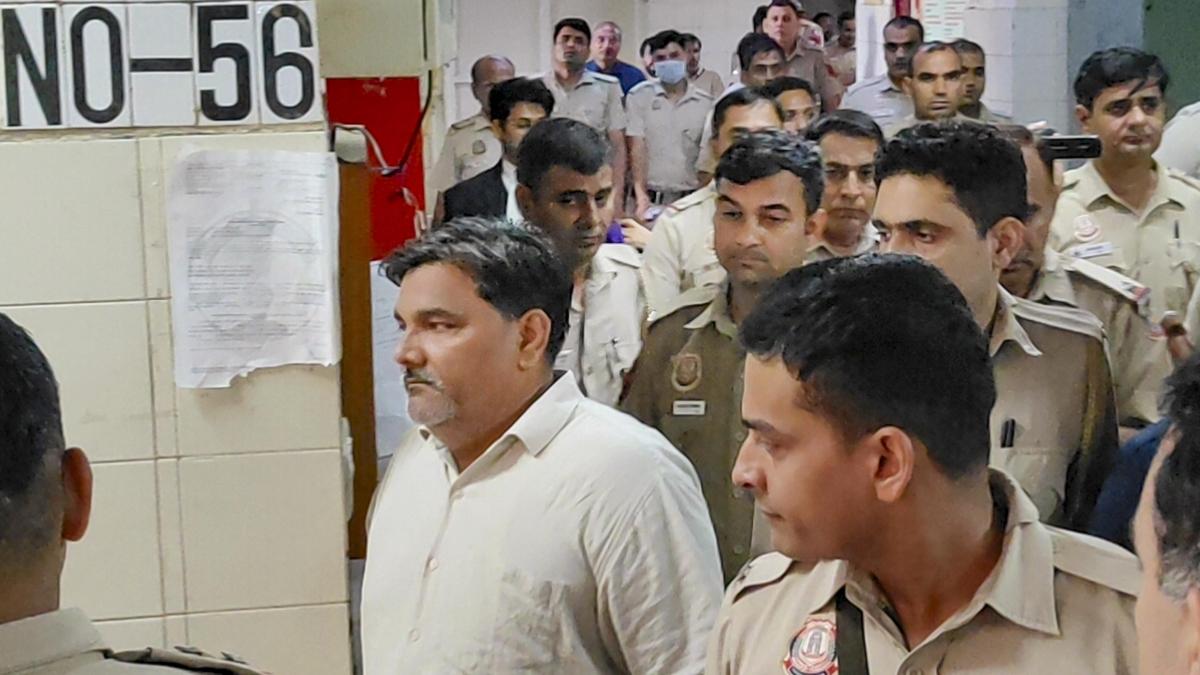
More than six years later, on July 12, 2026, a Delhi court convicted former Aam Aadmi Party councillor Tahir Hussain and four others for Sharma’s murder. On July 31, all five were sentenced to life imprisonment. While describing the killing as “exceptionally brutal”, the court held that the case did not satisfy the legal threshold for the death penalty under the “rarest of rare” doctrine.
The case
On February 25, 2020, 26-year-old IB officer Ankit Sharma stepped out of his home in Northeast Delhi during the peak of the riots and never returned. Late that night, his father, Ravinder Kumar, who was in the Delhi Police, lodged a missing person’s complaint at the Dayalpur police station. The following day, Sharma’s body was recovered from a drain near Chand Bagh.
His post-mortem report recorded 51 external injuries, including multiple stab wounds and blunt-force trauma.