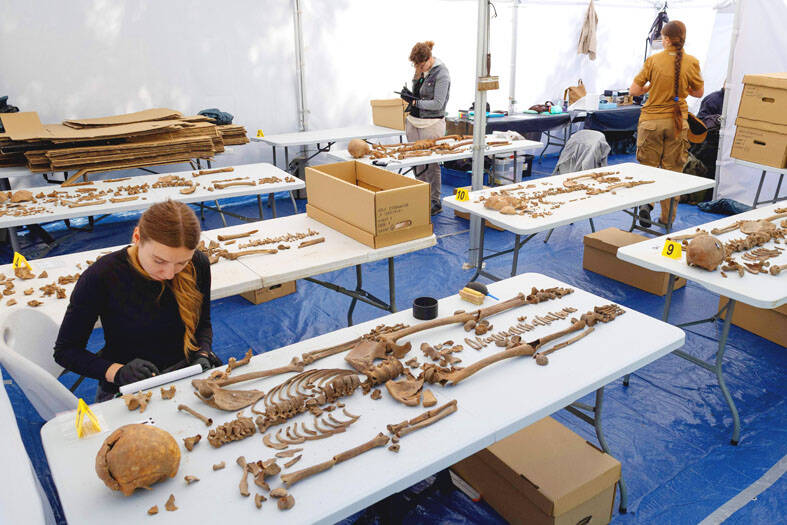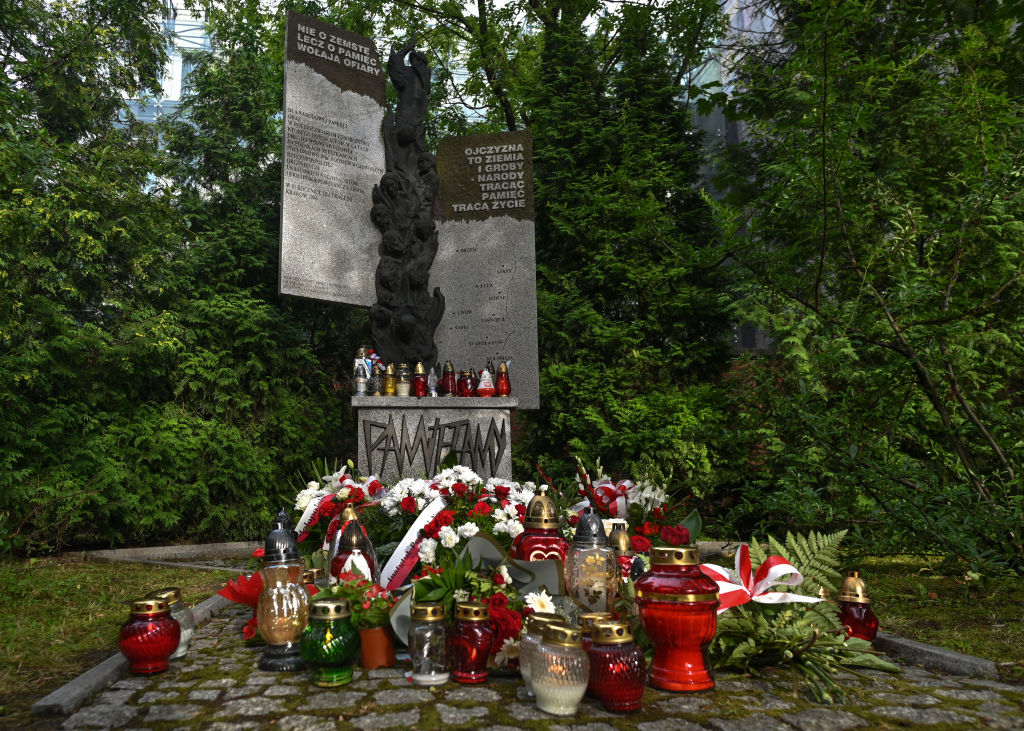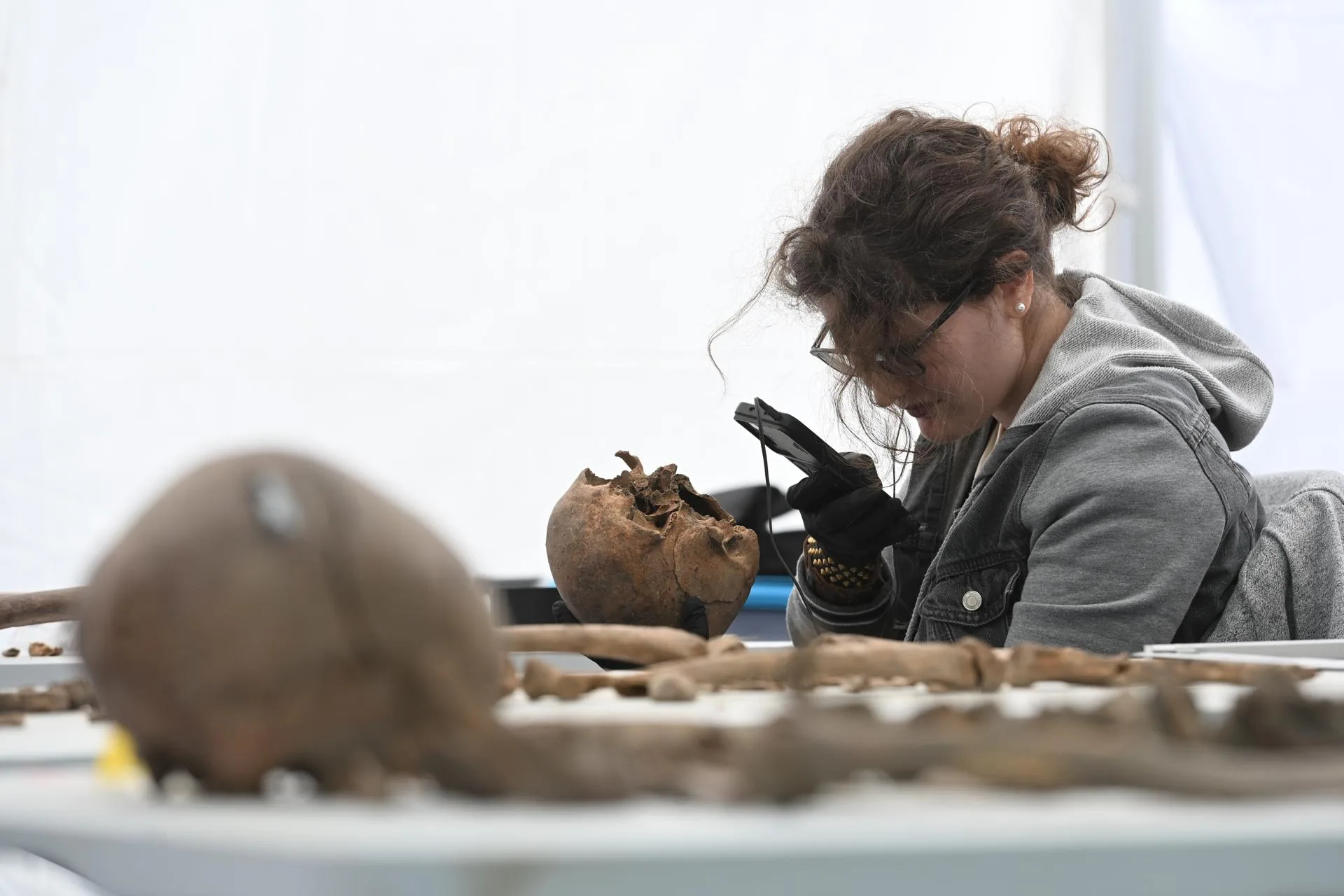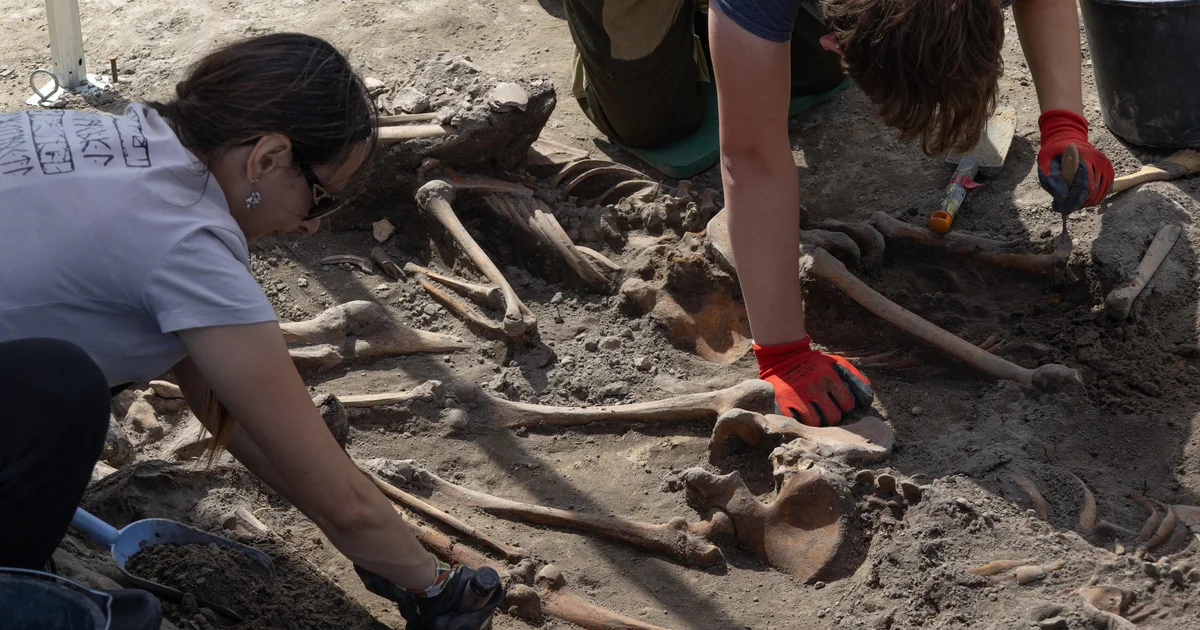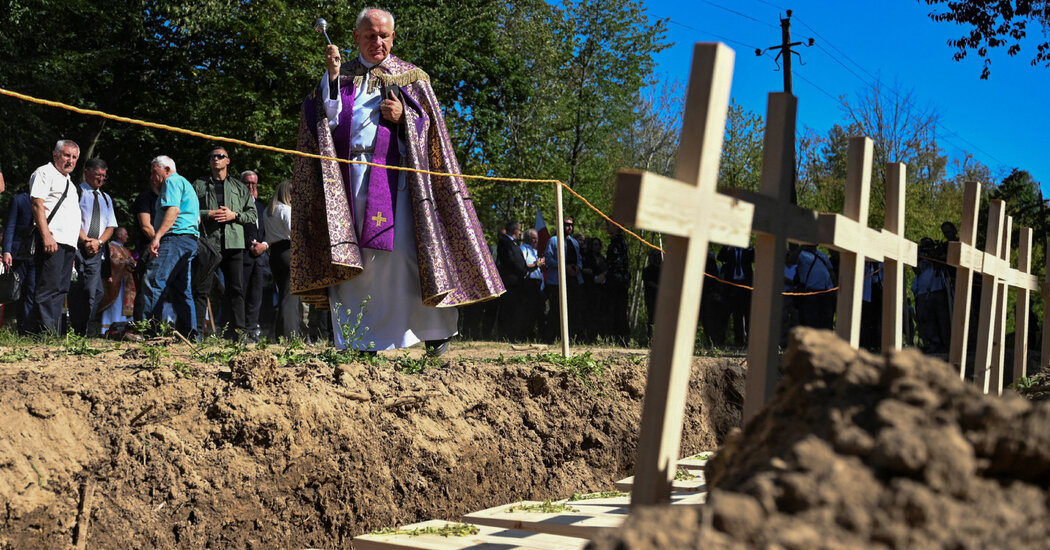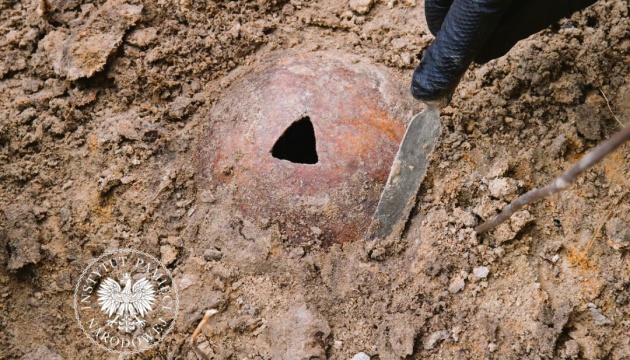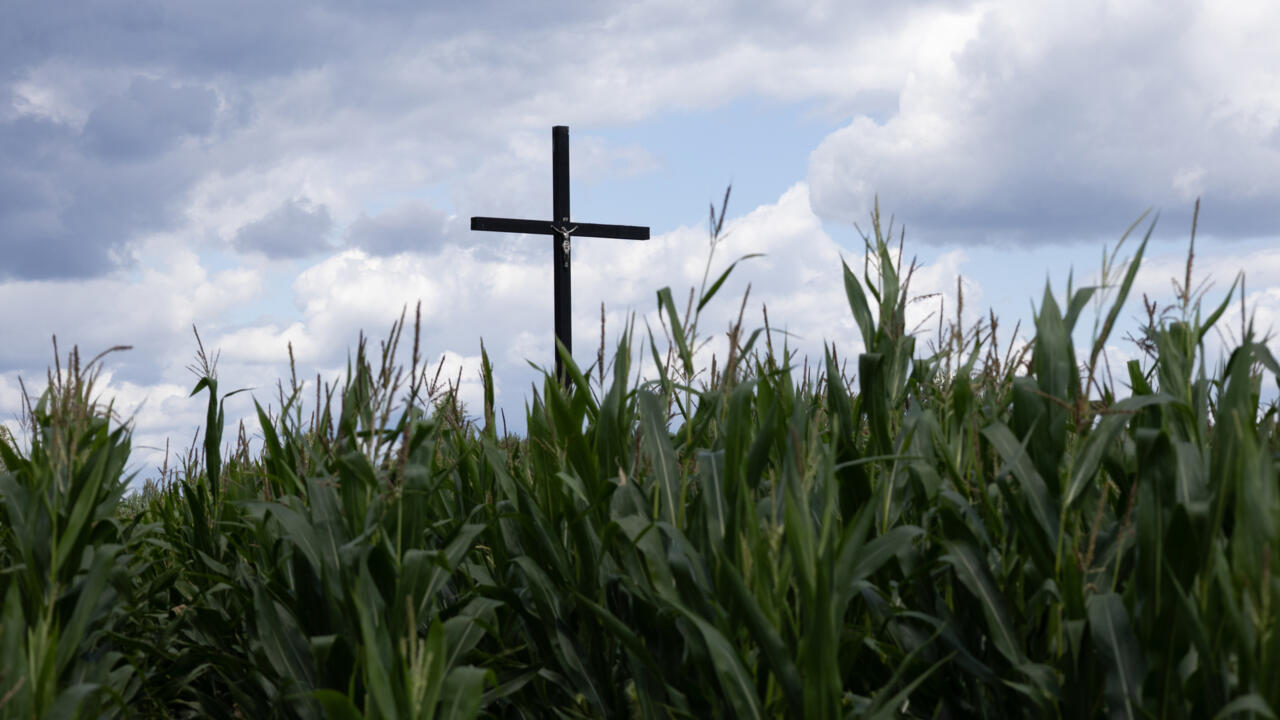
Disagreements over what happened and who is responsible for the Volyn massacres have long cast a shadow over ties between the otherwise now close neighbours.Between 1943 and 1945, some 70,000-100,000 civilians were killed by the Ukrainian Insurgent Army (UPA) in territory occupied by Nazi Germany, according to Polish estimates of the toll.Warsaw calls it a "genocide" against the Polish minority, while Ukraine hails the UPA as freedom fighters, sees the events as a wartime "tragedy" and says that Ukrainians were killed in retaliation.Amid sunflower fields and forests, joint Polish-Ukrainian teams of archaeologists have been carefully excavating the remains of victims."We want to restore their first and last names ... to fulfil the duty that rests on us as heirs of those who were murdered here," said Karol Polejowski, deputy president of the head of Poland's Institute of National Remembrance (IPN).The remains of over 50 people have been recovered in a series of exhumations taking place in the area, but they have yet to be identified. A handmade wooden cross, planted near the graves, is one of the few signs that the villages ever existed. Political leaders in both countries believe the exhumations can be a first step in repairing relations, which have been strained this year by a row triggered when Ukrainian President Volodymyr Zelensky named a military unit after the UPA.- 'Civilian population' - In a white tent around 10 kilometres (six miles) from the Polish border, experts meticulously lay out the skeletons of recovered victims, measuring bones and carefully trying to match broken skull fragments.
Warsaw and Kyiv exhume Volyn victims at centre of diplomatic quarrel
Beneath two now-deserted villages in western Ukraine –- the site of WWII-era massacres -- archaeologists are uncovering the bones at the heart of a dispute that has strained relations between Warsaw…
727 words~3 min read