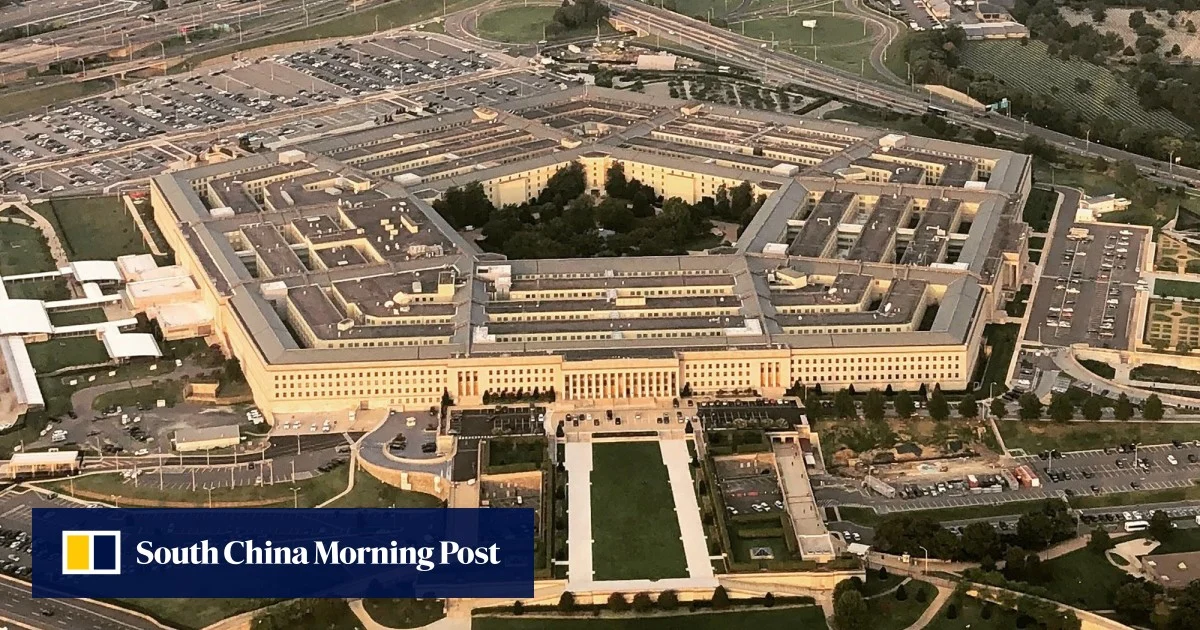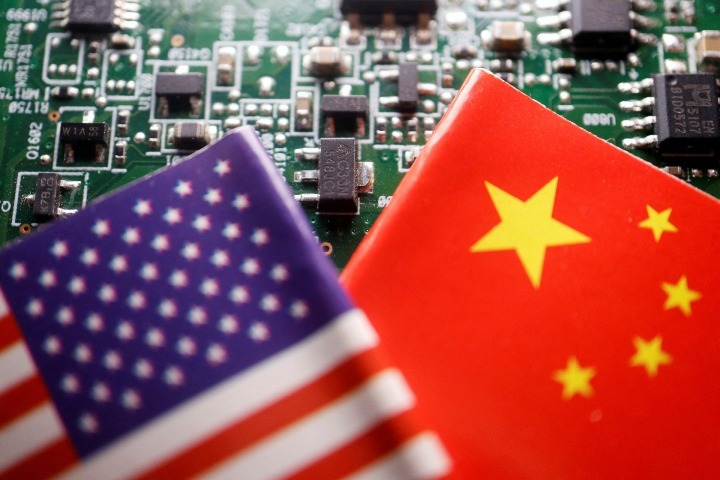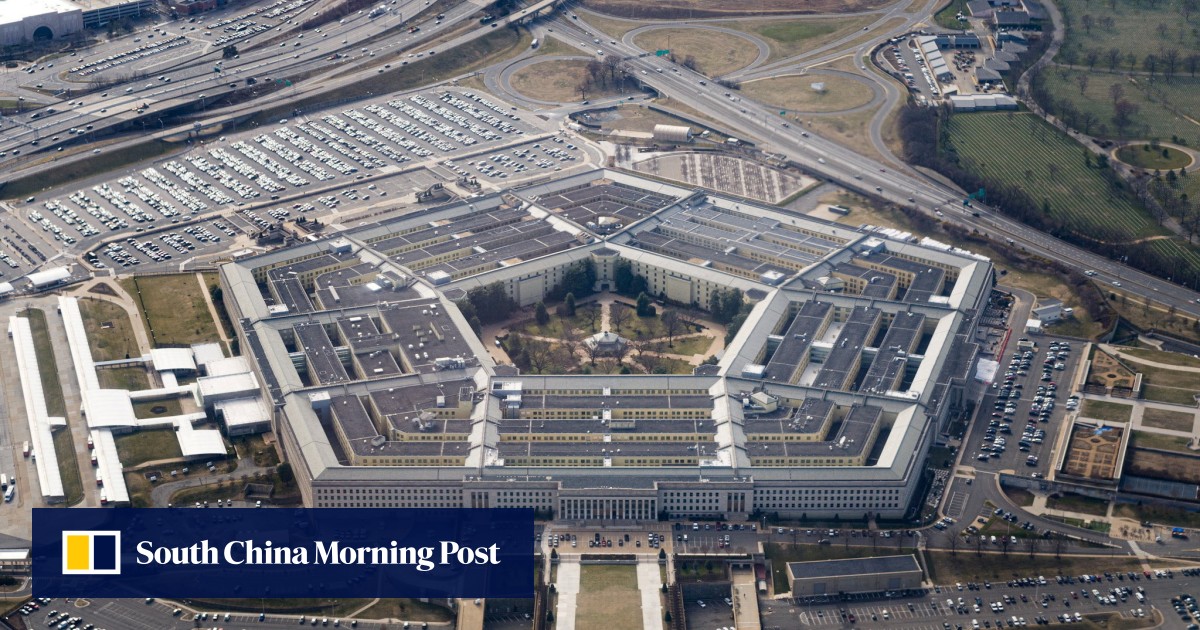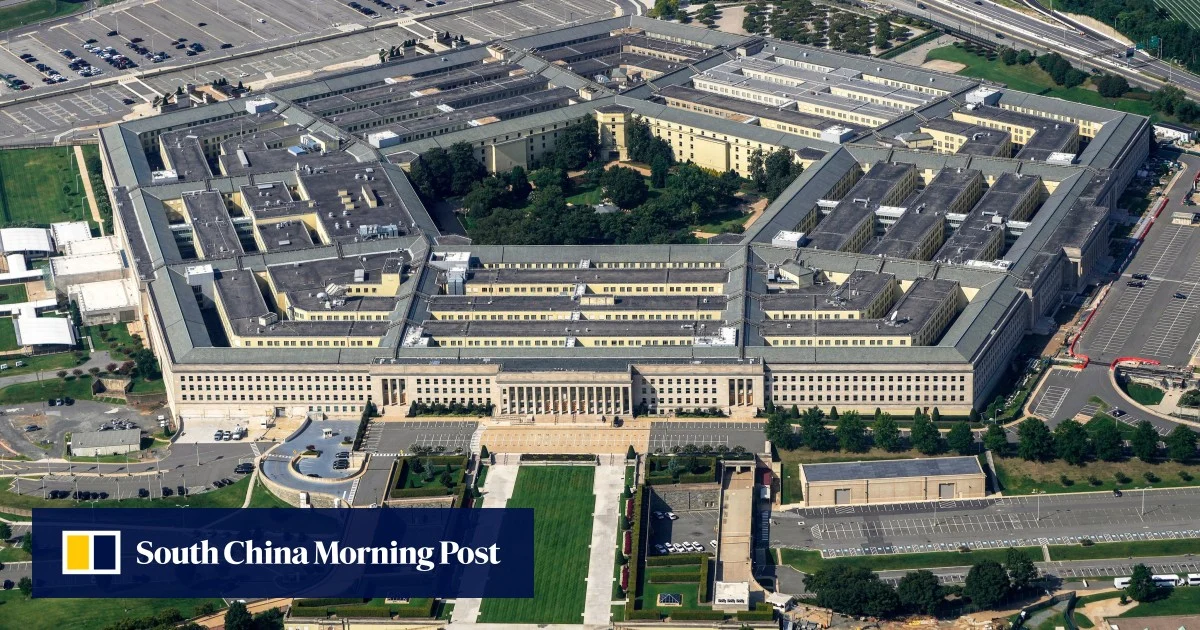
The Pentagon's expansion of a research security blacklist to include some of China's most prominent universities marks a significant shift in US science policy that could further damage bilateral academic ties and impose substantial costs on US research and innovation, experts said.
The Pentagon last week updated its Section 1286 list, identifying 130 academic and research institutions in China, Russia and Iran. This expands the list from universities and institutions for traditionally having so-called links with military research to leading comprehensive institutions, such as Fudan University and Shanghai Jiao Tong University in China.
Beginning in fiscal year 2026, the Pentagon is barred from using funds for fundamental research involving collaboration with any listed institution. The restrictions cover grants, contracts, equipment sharing, co-authorship and other research activities involving personnel affiliated with the designated institutions.
Failure to report relevant connections or the continuation of prohibited engagements could result in compliance violations and loss of eligibility for federal funding.
China's Ministry of Commerce said on Wednesday that China was very dissatisfied with and firmly opposed to the expanded list, accusing Washington of continuing to "politicize, weaponize and instrumentalize" scientific research cooperation between the two countries.