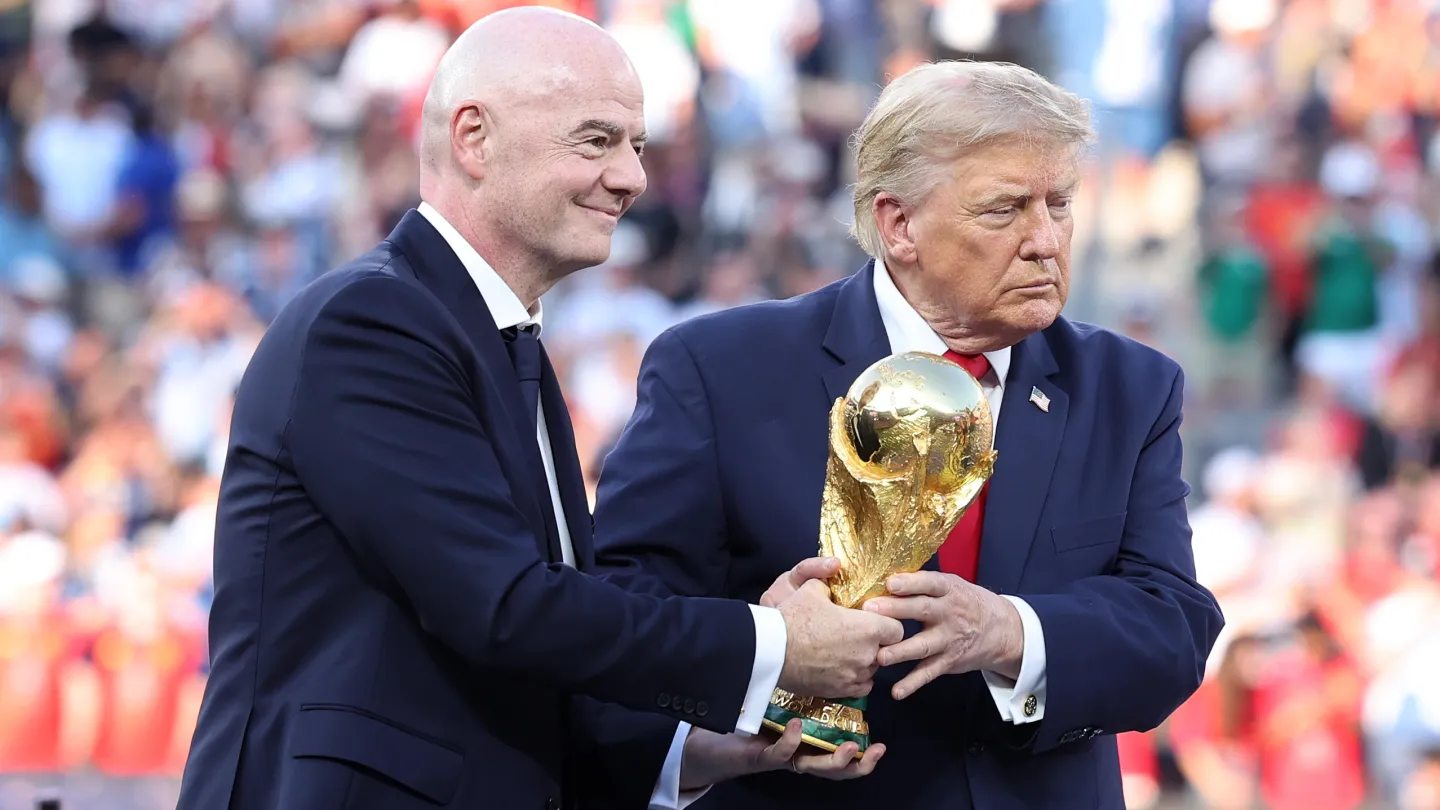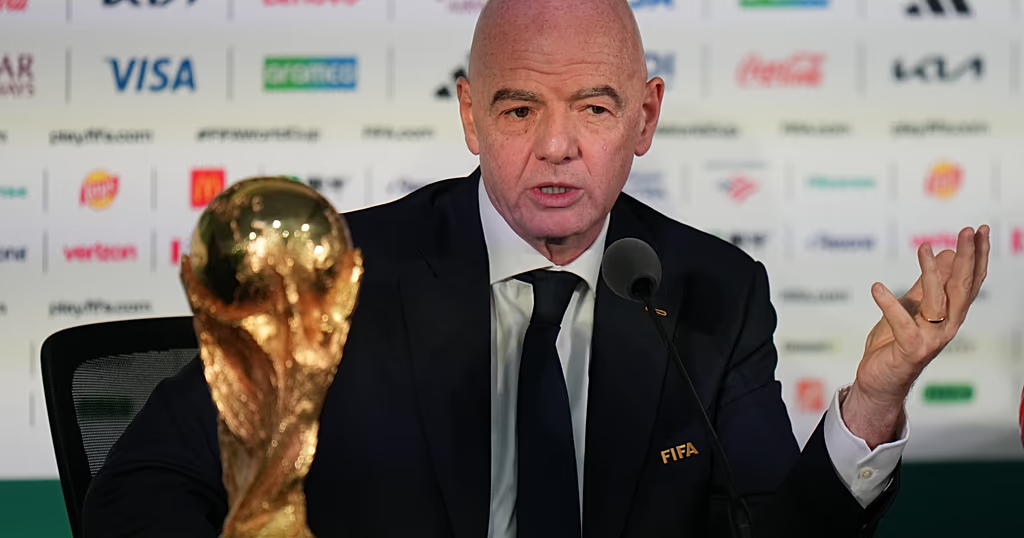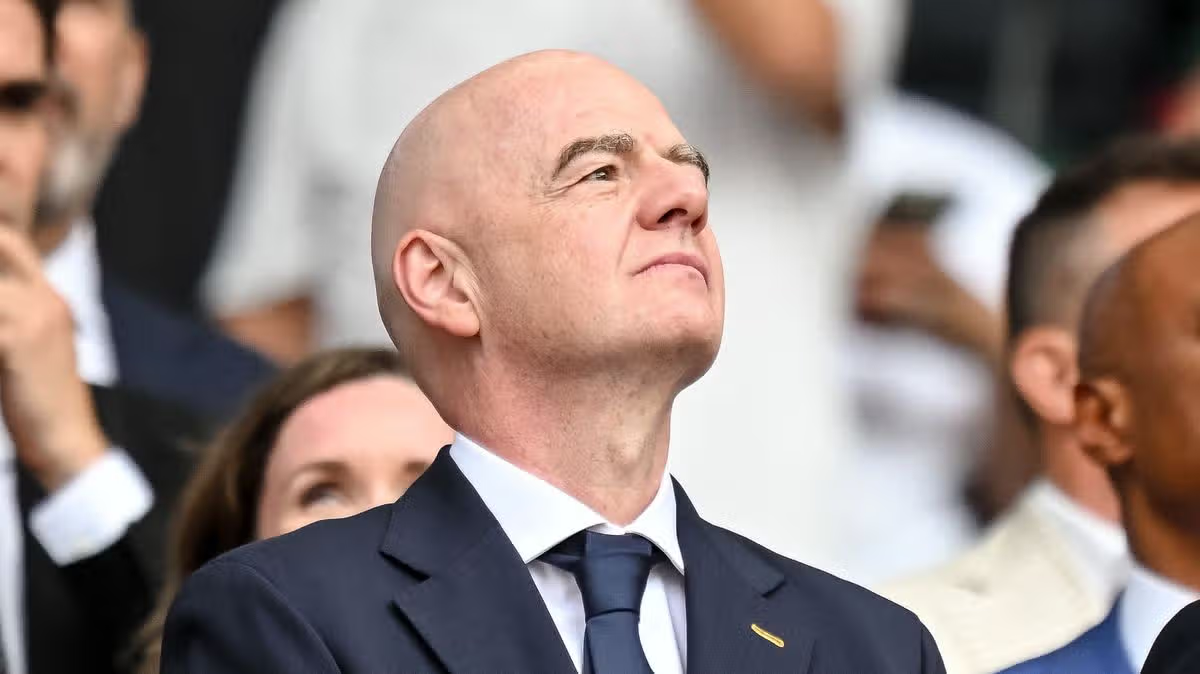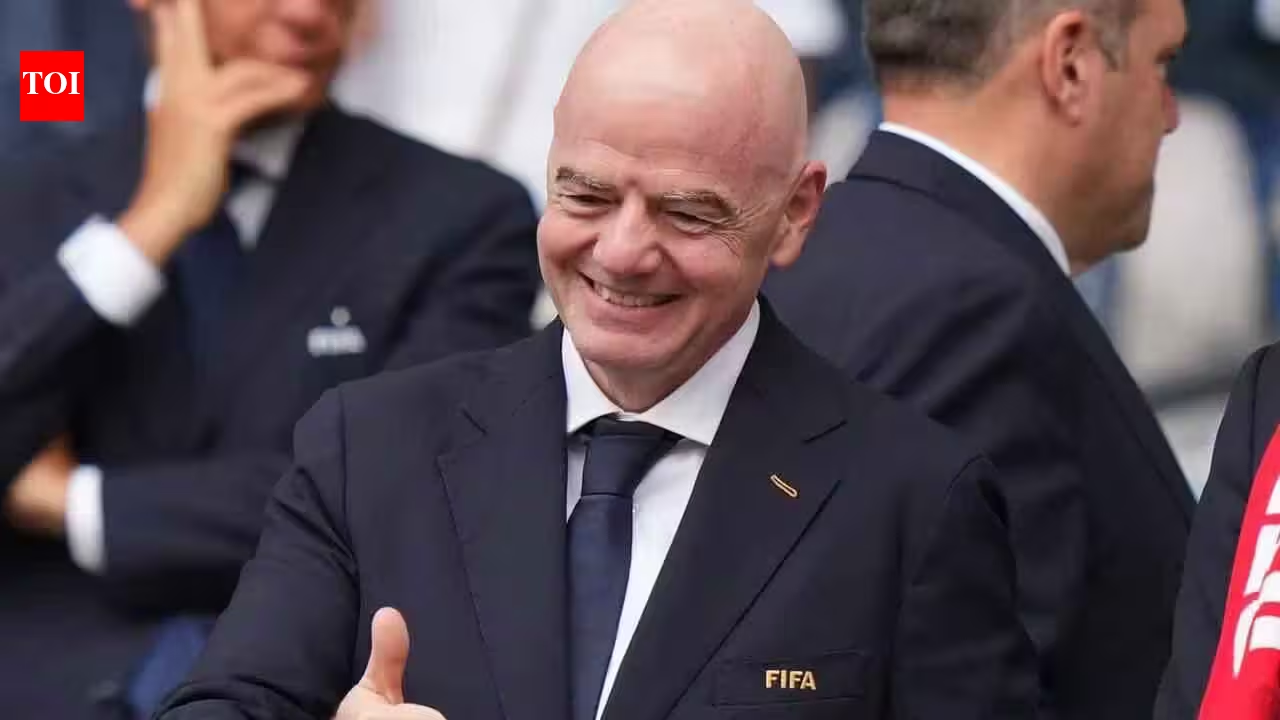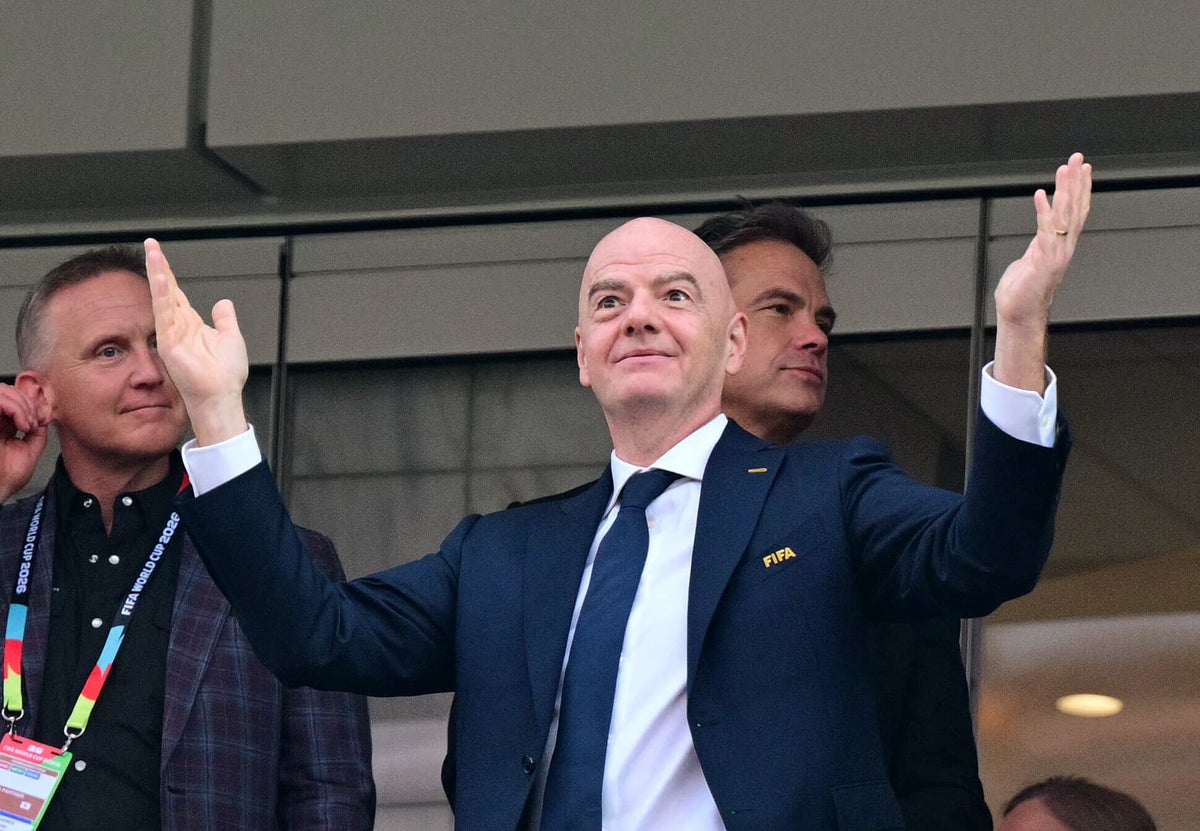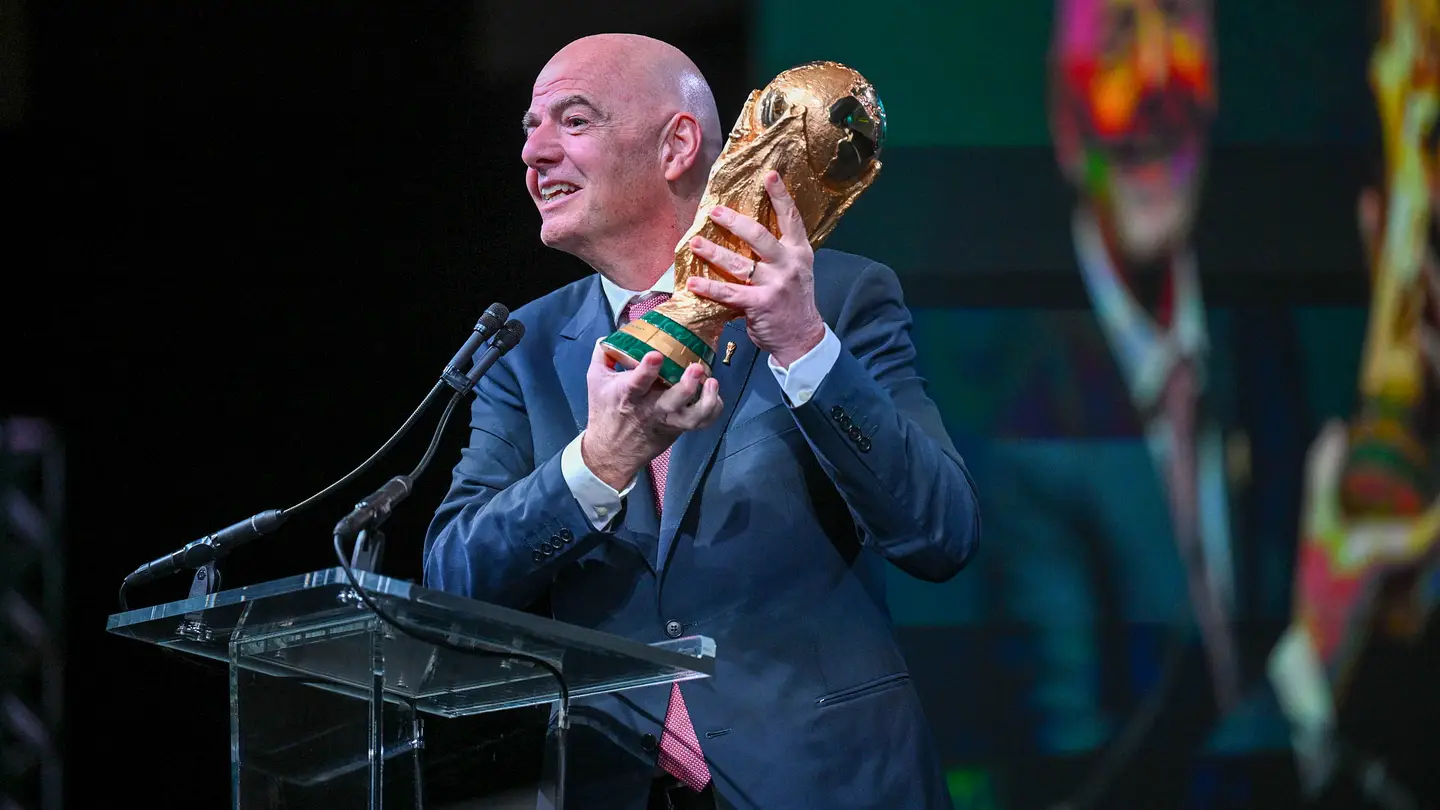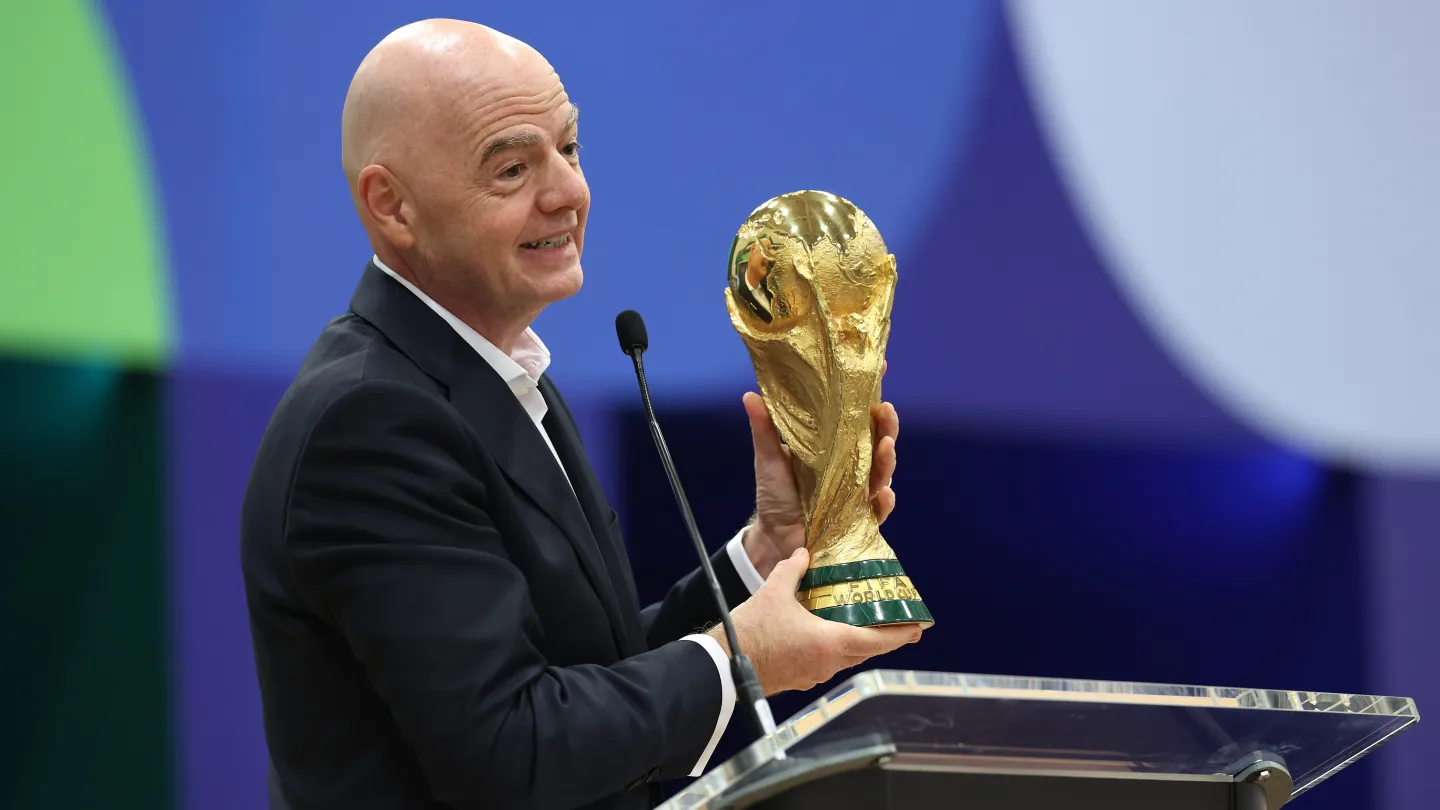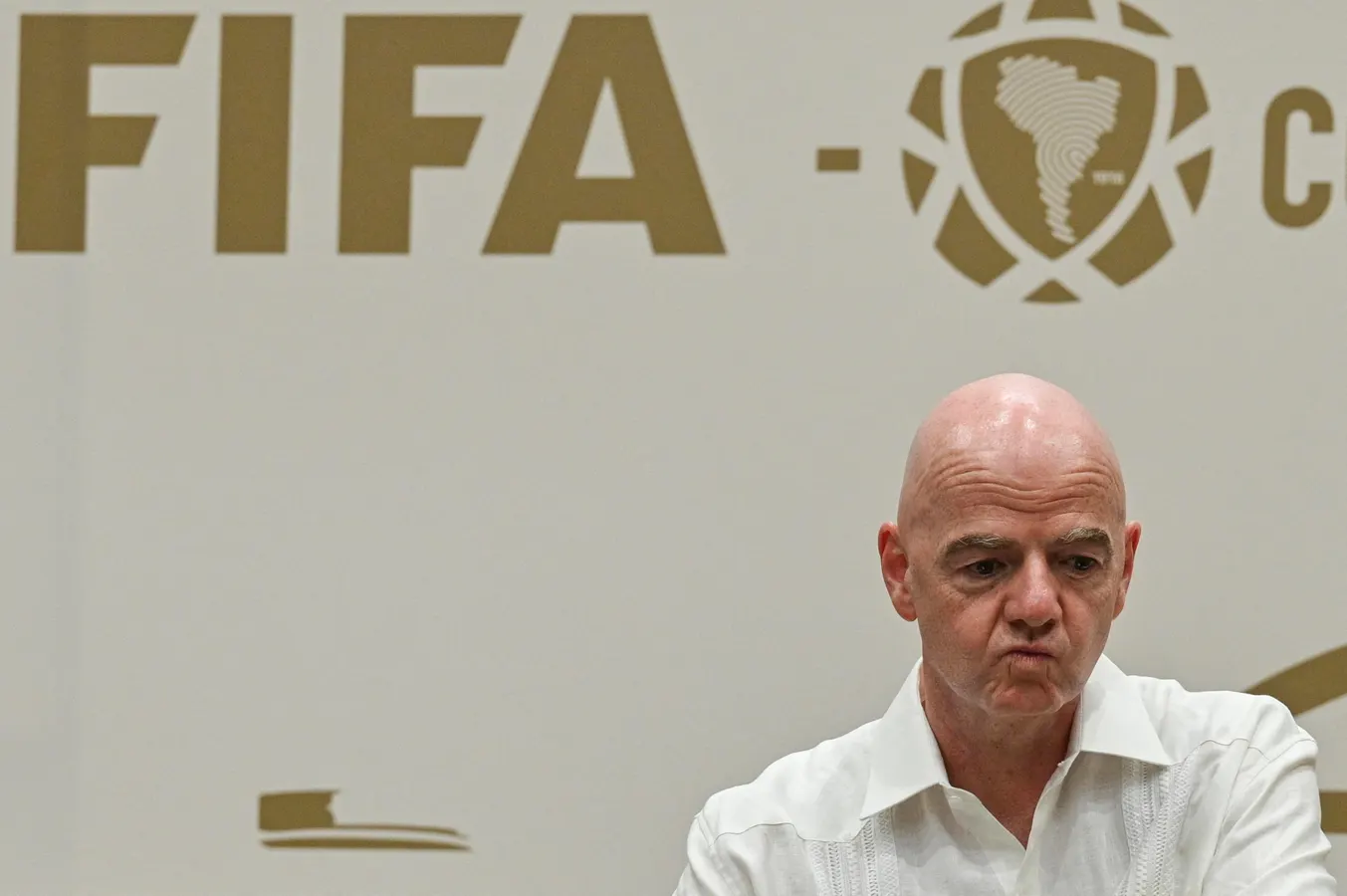
FIFA President Gianni Infantino gestures during his visit to the new Concentration Hotel of the Colombian Football Federation in Barranquilla, Colombia, on February 24, 2026. The Mexican city of Guadalajara is trying to reassure football fans ahead of the World Cup, which begins in 100 days, after being shaken by the violence sparked on February 22 by the death of powerful cartel boss Nemesio "El Mencho" Oseguera. (Photo by David SALAZAR / AFP via Getty Images)AFP via Getty ImagesGianni Infantino has built his presidency on an ability to push through ambitious —and often controversial — changes despite widespread resistance. His abrupt decision to abandon plans to sell a stake in FIFA’s commercial rights to private equity marks a rare and significant political defeat, exposing the limits of his authority and raising new questions about his future leadership.The plan itself was unprecedented. By placing FIFA’s most valuable commercial assets — including the World Cups — into a $20 billion company with outside investors holding a 20% stake, Infantino was attempting to fundamentally reshape how the planet’s most lucrative and popular sporting event is financed and managed. Infantino had argued that private capital would have accelerated investment and unlock long-term revenue. Critics, however, saw something much more sinister: The commercialization of soccer’s crown jewel.What ultimately doomed the plan was not simply opposition, but the breadth and speed of that opposition. Within days, UEFA, European soccer’s governing body, voted to boycott FIFA competitions, an extraordinary escalation from an organization that has frequently clashed with Infantino but rarely challenged his authority. CONCACAF and the Asian Football Confederation also aligned itself against the proposal, transforming what might have been a regional disagreement into a near-global rejection.That coalition mattered because FIFA’s political strength has traditionally rested on balancing competing continental interests. When Europe, Asia and North America simultaneously reject a major initiative, it becomes almost impossible for the FIFA president to portray resistance as isolated or politically motivated.MORE FOR YOUThe controversial plan also revived longstanding criticism of Infantino’s leadership style. Throughout his decade as FIFA head, he has repeatedly pursued transformative projects — including an expanded Club World Cup and other commercial ventures — often with limited consultation before presenting them as near-finished proposals. This centralized approach has increasingly alienated both confederations and FIFA’s own administration. The failed private equity initiative reinforces that perception.The involvement of Joshua Kushner’s investment firm added another layer of political sensitivity. Even if the proposal could be justified on commercial grounds, the association with a high-profile American investment group linked to President Donald Trump made the deal harder to separate from broader questions about governance, transparency and influence. The optics became nearly as problematic as the financial structure itself.Infantino attempted to frame his retreat as evidence of responsive leadership, arguing that unity must take precedence over division. But the language of his statement also acknowledged an unavoidable political reality: Once opposition reached a critical mass, the proposal became unsustainable regardless of its merits. “Having listened carefully to all the views, it has become clear that the project has created divisions of a nature that, regardless of the level of support, are no longer in the interest of the objective set out in the first place,” Infantino said in a statement. “Our purpose has always been, and will always be, to unite and improve.”He added that “moving forward, my intent is to bring all interested parties back together … in the spirit of shared interest in our game, and with the objective to continue growing football everywhere, particularly in those countries that mostly need our support.” The broader consequence is that Infantino appears politically weaker than at any point since becoming FIFA president in 2016. Having previously secured re-election without opposition, he now enters the final phase before the next presidential election – which will be decided by the organization’s 211 members – facing widespread criticism from senior executives, public resistance from major confederations and renewed scrutiny over his leadership.Whether this episode develops into a genuine challenge for the presidency remains to be seen. FIFA politics has often rewarded incumbency and Infantino still retains significant support across many associations. Nonetheless, the quick collapse of the private equity proposal demonstrates that even a dominant FIFA president cannot override unified resistance from soccer’s most influential stakeholders.
Infantino’s World Cup Sell-Off Collapse Exposes Limits Of FIFA’s Power
The FIFA boss abandoned his divisive plan to sell World Cup profits to private equity after receiving pushback from all corners of the soccer world.
712 words~3 min read