Academia
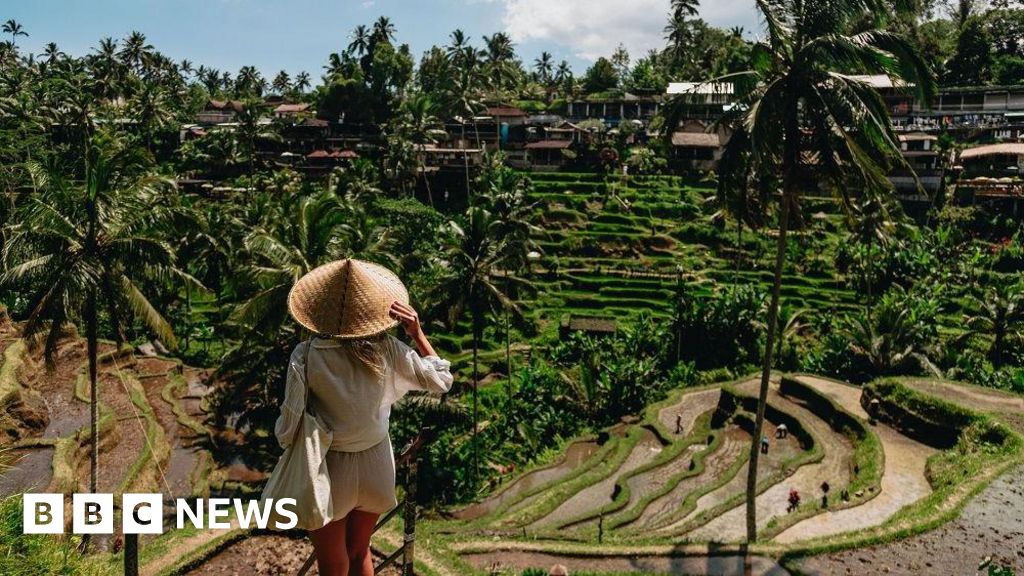
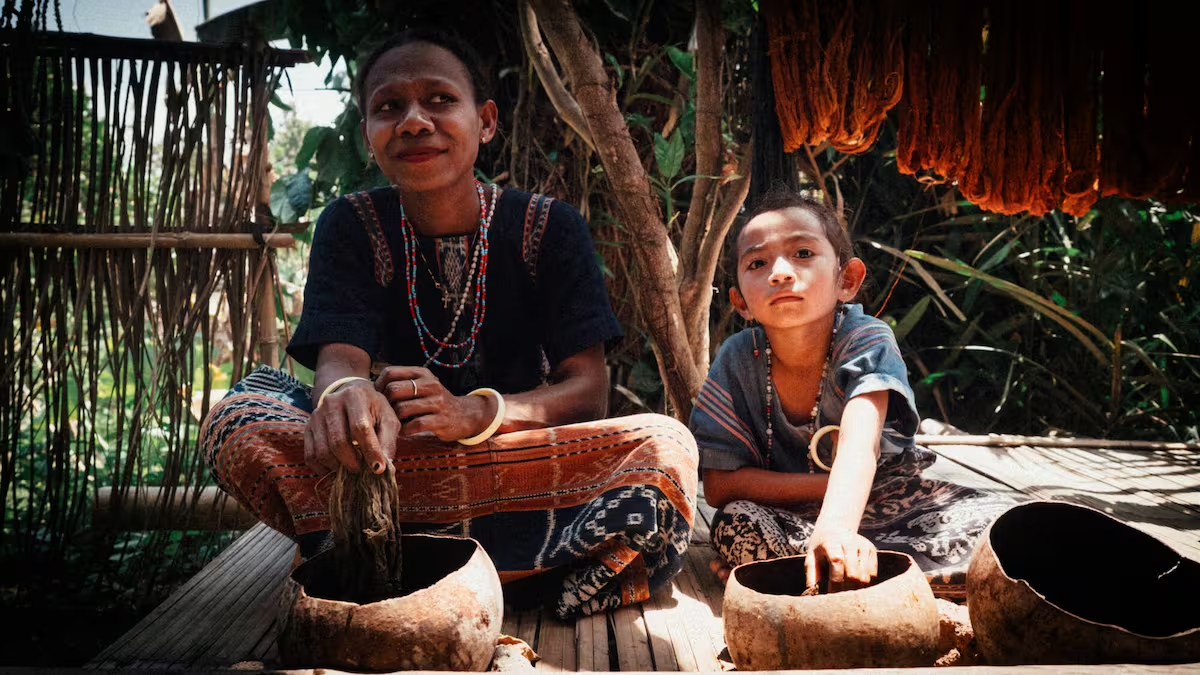
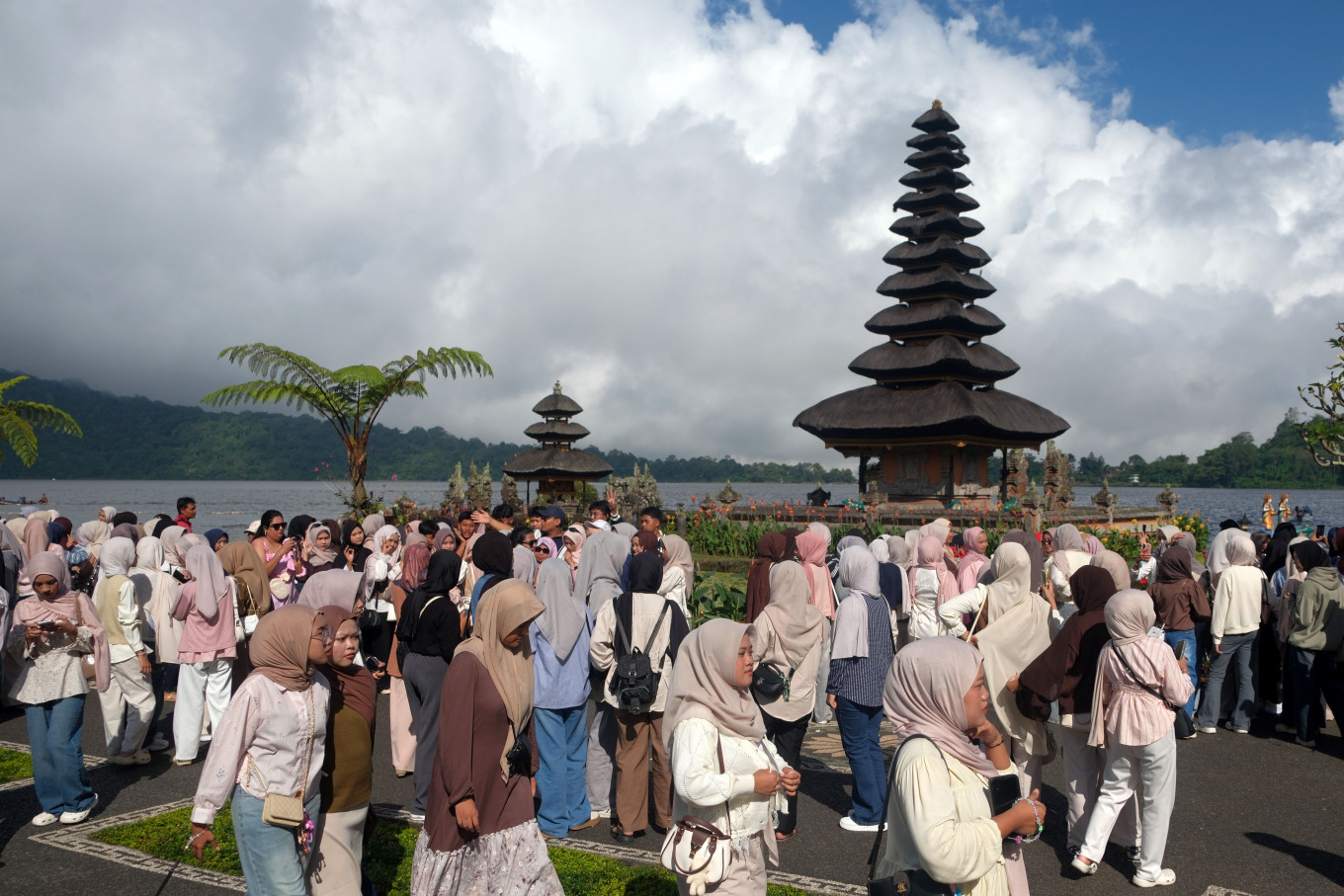
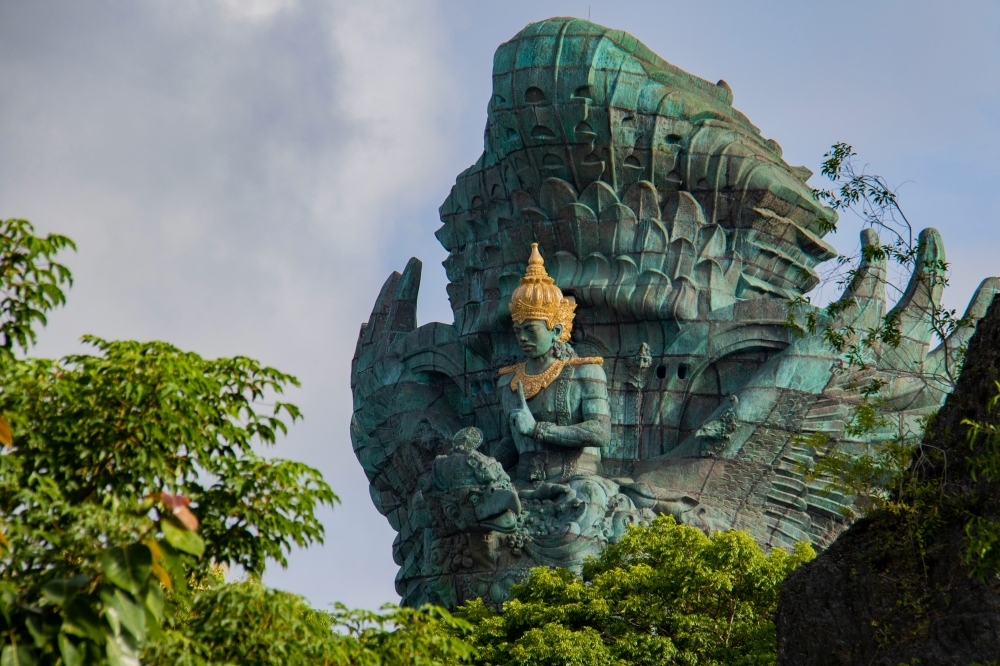
More than a tropical resort, Bali is a living philosophy, and it's time to reclaim its culture from the lens of Western tourism.
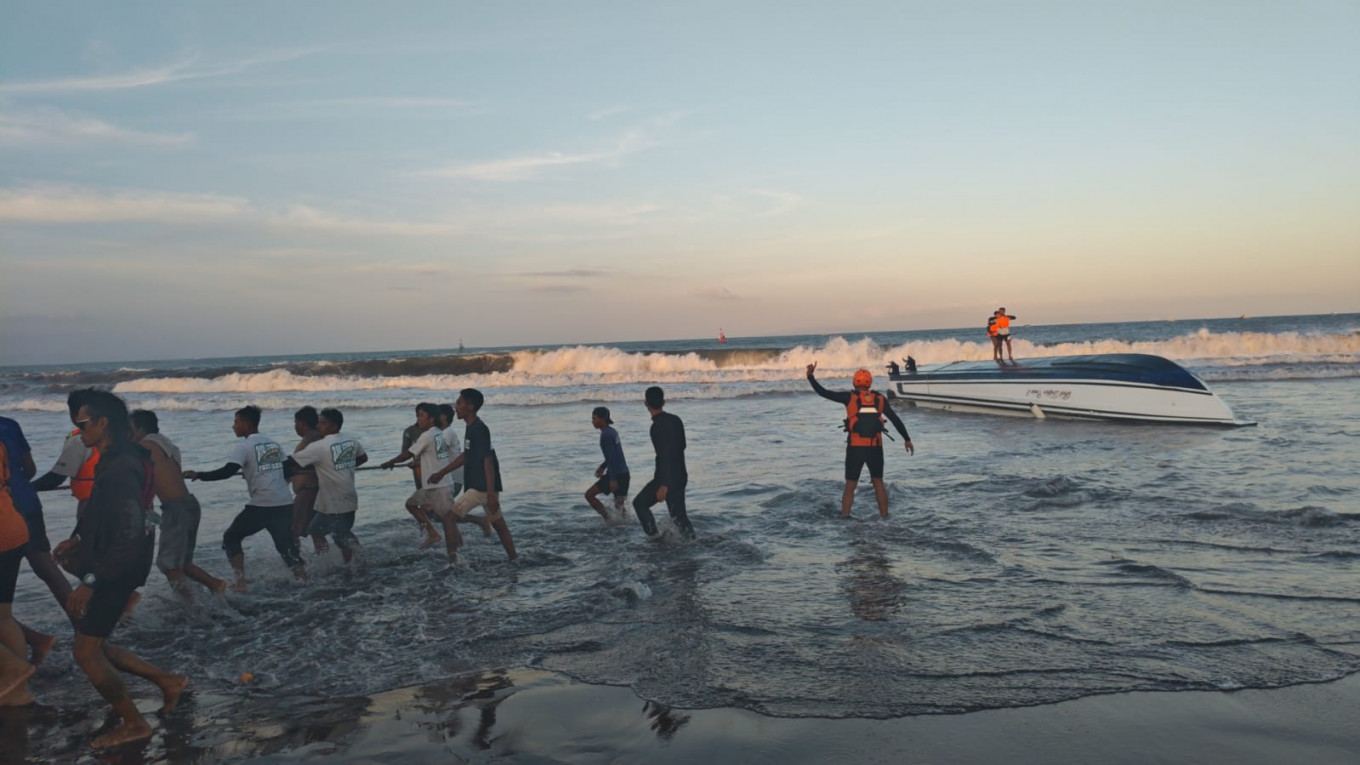
*********************************Perhaps we could find a more relevant photo to accompany a piece on Balinese philosophy than a capsized tourist boat-CD*********************************** (Courtesy of Denpasar SAR Office/-)
In 1984, then-education and culture minister Nugroho Notosusanto inaugurated what became known as "Baliology" on behalf of anthropologist Harsya W. Bachtiar. The milestone represented the culmination of the late I Gusti Ngurah Bagus’s life’s work.Yet Baliology was never merely about establishing an academic institute; it was an effort to lay the foundations for a new epistemology. In effect, it offered a road map for Balinese society to transition from being passive objects of external study to becoming autonomous subjects with authority over their own cultural knowledge.
Bagus is widely remembered for his intellect and integrity, but equally for his intellectual audacity. At the time, Indonesian social science was heavily constrained by rigid, positivist Western paradigms that neatly separated religion from culture and ritual from art. When Bagus introduced Baliology, many mainstream academics reacted with skepticism, dismissing his framework because it diverged from accepted definitions of modern social science.