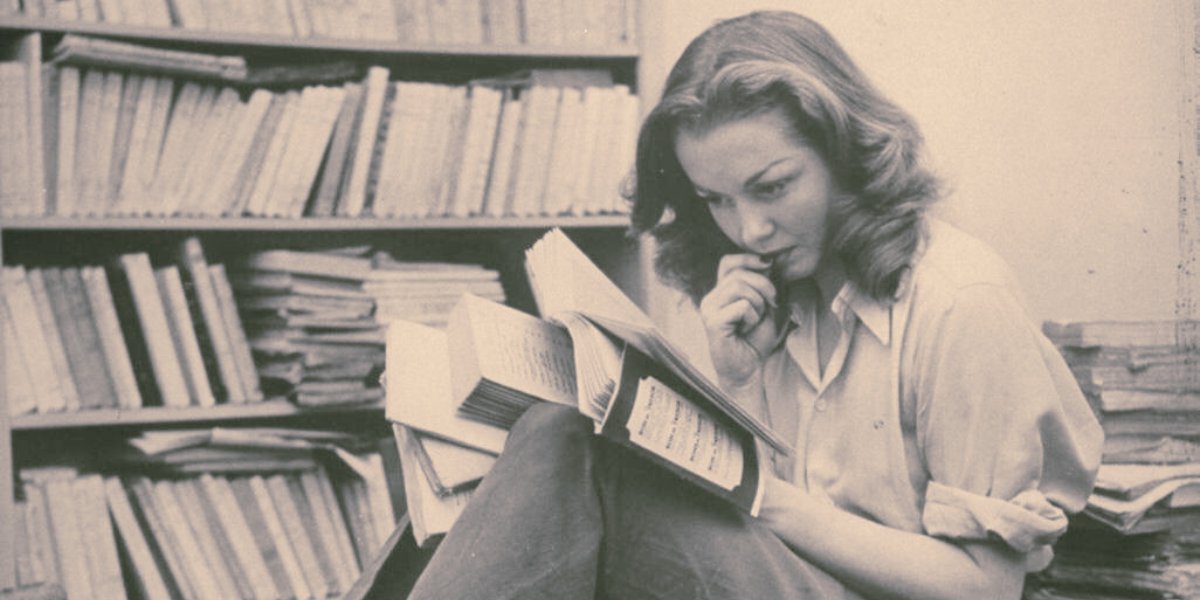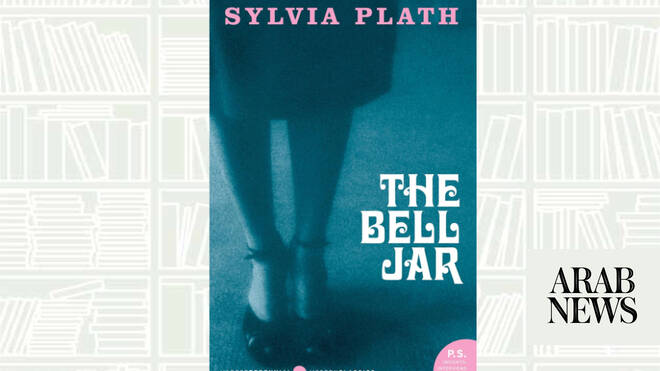
The Poems of Sylvia Plath Author: Edited by Amanda Golden and Karen KukilISBN-13: 978-0571372041Publisher: Faber and FaberGuideline Price: £ 35; 944pp Drawing on decades of research for this scholarly volume, Amanda Golden and Karen Kukil tactfully steer readers away from Sylvia Plath’s notorious death to focus on the life of her vital hard-won poems. Their introduction affirms how Plath “taught readers to love poetry”, humanising “poetry’s difficulty for readers, inspiring them with her conviction that creating art from the reality of one’s life is of the utmost importance”. In the forty years since Ted Hughes published the Pulitzer prize-winning Collected Poems, much more information has become available, enabling more accurate dating of the poems alongside the comprehensive notes which inform and throw light on Plath’s process as never before. Hughes’s edition began in 1956, the year which Hughes believed to be “a watershed” in Plath’s poetry (1956 was also the year when she met Hughes). This edition (twice as long) starts in 1953 – 10 years before her death at age 30 – with three astonishingly accomplished villanelles. Mad Girl Love Song leaps virtuoso from the page, clear as a bell, balancing its dazzling colours against Plath’s distinctive darkness. A reminder of Esther Greenwood writing “page after page of villanelles and sonnets” while enjoying “the bright lights and coloured fires” made by her chemistry teacher in Plath’s novel The Bell Jar, her multi-tasking bears testament to an extraordinary creative force. Plath delighted in life and wit as much as she was drawn to death and darkness. The meticulous notes reveal Mad Girl Love Song as one of two villanelles executed on the same day. Her last two poems in 1963 were also written on the same day, colours flooding the tender Balloons, as she imagines her toddler “Seeming to see/A funny pink world he might eat on the other side of it.” While the “blacks that crackle and drag” in Edge (her other last poem) exude death, the bittersweet, airborne Balloon heralds possibility. [ The Slicks: A hopefully intentionally unserious book on Taylor Swift and Sylvia PlathOpens in new window ]Showcasing the hard graft underlying Plath’s genius, the journal entries, tireless editing, and underlined Webster dictionary definitions, this edition is a fine response to Heather Clark’s plea in Red Comet: The Short Life and Blazing Art of Sylvia Plath, one of the groundbreaking sources credited here, “If she must be a myth, let her be Ariadne… leading us out from… the labyrinth. Let us not desert her.”
The Poems of Sylvia Plath review: Leaping virtuoso from the page, clear as a bell
Authors tactfully focus on Plath’s vital hard-won poems, while their introduction affirms how she ‘taught readers to love poetry’
417 words~2 min read